Curious about resin garden pathways? This article covers the benefits, installation steps, customization options, and maintenance tips for creating durable and attractive pathways in your garden.
Key Takeaways
- Resin garden pathways are durable and low-maintenance, making them a cost-effective solution for busy outdoor spaces.
- DIY resin bound kits allow for customizable and straightforward installation, enabling homeowners to create stunning pathways that match their personal style.
- The eco-friendly benefits of resin pathways include effective stormwater management and the use of recycled materials, making them a sustainable choice for enhancing gardens.
Why Choose Resin Garden Pathways?
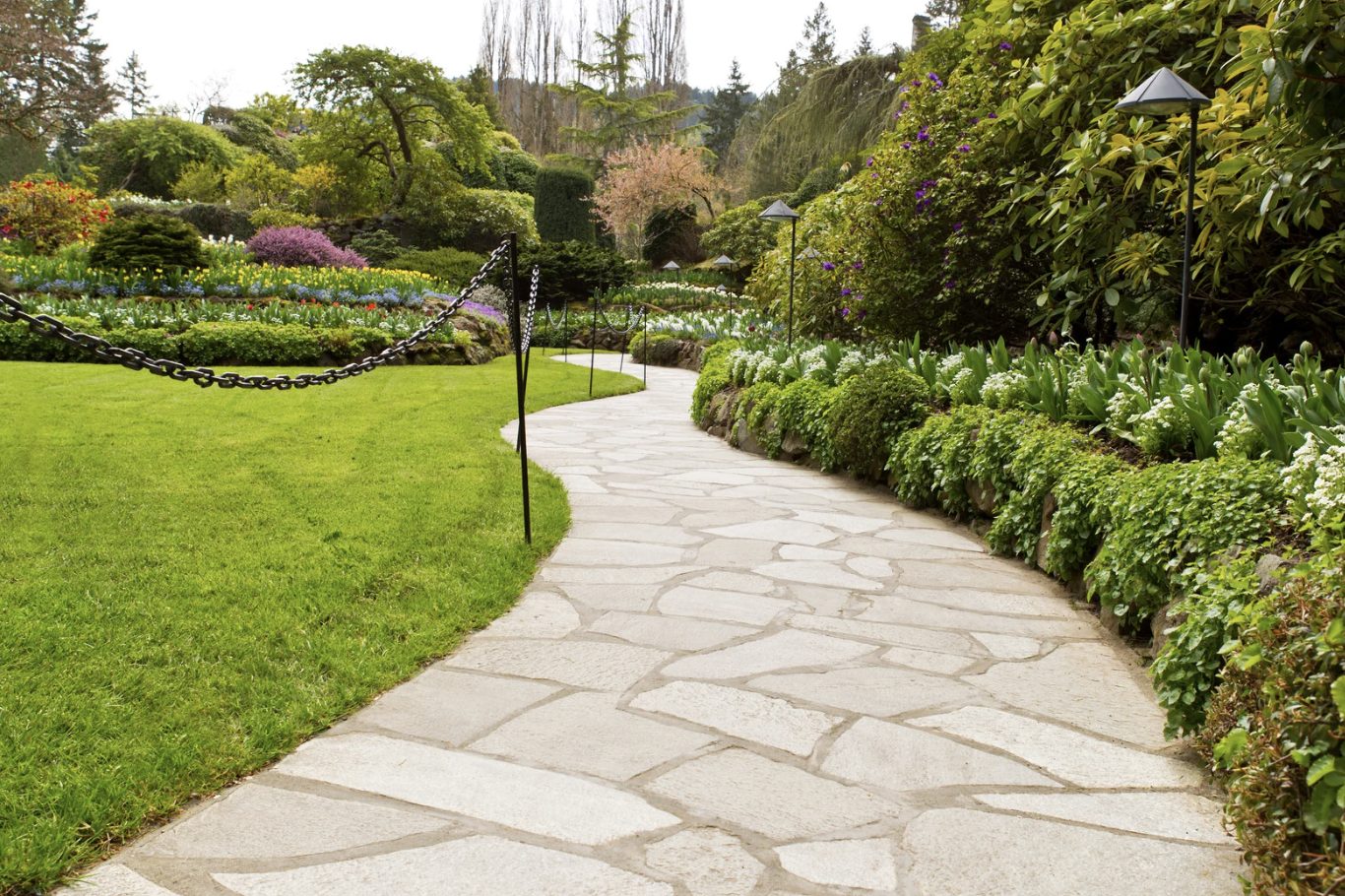
Resin pathways offer a robust surface capable of enduring heavy foot traffic without cracking or fading, making them an excellent choice for busy outdoor spaces. Although the initial costs may be higher, they provide significant economic value through their longevity and low maintenance needs. This means you won’t have to worry about frequent repairs or replacements, saving you money in the long run. Additionally, these hard wearing surfaces ensure durability and reliability for years to come.
Customization is another significant advantage of resin garden paths. With a wide variety of colors and textures available, you can design a pathway that perfectly matches your aesthetic preferences and complements your garden’s overall look. The unique aesthetic appeal of resin materials can significantly enhance the exterior appearance of your property, making your garden a true visual delight.
But it’s not just about looks. Resin pathways are smooth, durable, and permeable, offering a safe and functional surface for walking. Their non slip properties ensure safety even in wet conditions, reducing the risk of accidents. Additionally, the permeable nature of resin bound paving facilitates water drainage, effectively managing stormwater and preventing puddles. These qualities make resin pathways a practical and attractive option for any paved outdoor space.
What Are Resin Bound Pathways?
Resin bound pathways are created using a mixture of natural or colored aggregate and resin, resulting in a smooth and durable surface. This combination not only enhances the pathway’s aesthetic appeal but also ensures its longevity. The resin used in these pathways can be UV-resistant, which helps maintain the color and appearance over time, ensuring your garden paths look vibrant and fresh for years to come.
One of the great advantages of resin bound pathways is their ease of installation. These pathways can be laid directly over existing surfaces such as concrete or tarmac, minimizing the need for extensive excavation or material removal. This not only simplifies the installation process but also reduces disruption and labor costs.
With DIY resin bound kits available in the uk, creating your new pathway has never been easier.
Benefits of DIY Resin Bound Kits
Opting for DIY resin bound kits is a cost-effective solution compared to other premium driveway options. These kits are designed to be quick and easy to install, often allowing you to complete the project in a single day. This means you can transform your garden paths without the need for professional help, saving on labor costs and giving you the satisfaction of a job well done.
Customization is another standout feature of DIY resin bound kits. With a variety of color choices available, you can design a pathway that perfectly suits your style and garden aesthetics. Tools like the Resin Pathway Visualiser can help you preview different colors, textures, and designs before making a decision.
Additionally, photographs and videos of completed resin paths and patios can serve as valuable references and inspiration for your project.
Preparing Your Garden for Resin Pathway Installation

Proper preparation of your garden is key before starting the installation process. A solid and stable foundation is essential for ensuring the durability of your resin pathway. Begin by assessing the existing surface for suitability, and make any necessary repairs before laying the new resin path. If the current surface is inadequate, you may need to install a compact stone sub-base to provide a strong foundation.
Suitable base materials include tarmac, concrete, or eco-grids filled with stone ballast, all of which offer a stable and durable base for your resin pathway. Accurate measurement of the area is also important to determine the amount of resin and aggregate needed for the project. Additionally, creating edges or borders can help define the pathway and enhance its visual appeal.
Applying a primer to existing concrete surfaces before laying the resin ensures proper adhesion. Make sure the loose gravel you use is washed and kiln-dried to minimize contamination, ensuring a clean and durable finish for your new pathway.
Essential Tools and Materials
To ensure a smooth installation process, having the right tools and materials is crucial. Essential tools for applying DIY resin bound kits include:
- Electric Mortar Drill, which is used for mixing the resin and aggregates
- Paddle Mixer, also used for mixing the resin and aggregates
- Flooring Trowel, which is essential for spreading and leveling the mixture
The maximum continuous run time recommended for the electric hand mixer is 10 minutes to avoid overheating.
Safety during installation is ensured by using appropriate protective equipment that is installed correctly. The Resincoat PPE Pack includes a coverall suit, disposable face mask, safety glasses, ear plugs, and nitrile gloves.
Aggregates used in DIY resin kits are typically sized between 1-3mm and are supplied as a separate parcel to ensure they remain clean and dry.
Step-by-Step Guide to Laying Resin Garden Paths
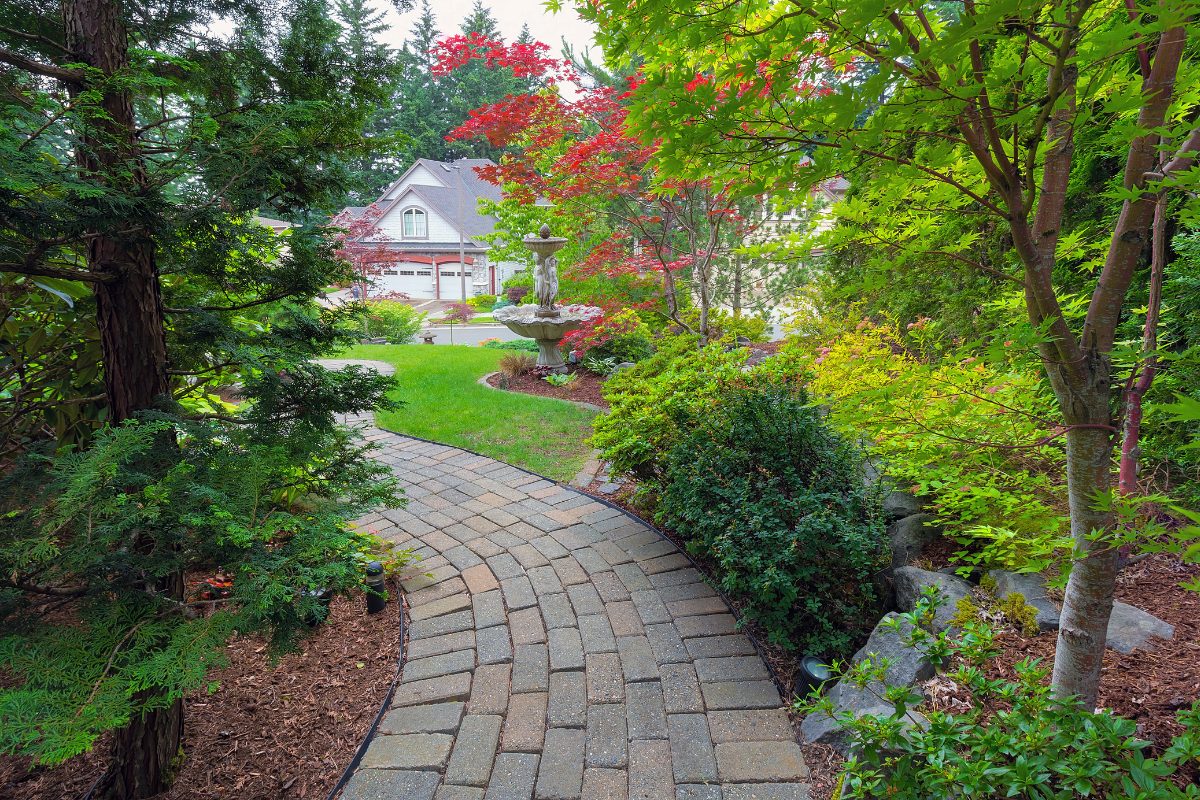
Creating a stunning resin garden path involves several key steps, from preparing the base to setting and curing the surface. This guide will walk you through each step of the installation process, ensuring you achieve a professional-looking result. You’ll need to gather all the necessary tools and materials before starting the project.
We’ll cover five main steps: Base Preparation, Mixing the Resin and Aggregates, Pouring and Spreading the Mixture, Smoothing and Leveling, and finally, Setting and Curing. Each step is crucial for ensuring the durability and aesthetic appeal of your new resin pathway.
Base Preparation
The first step in the installation process is preparing the base. Ensure the base is strong enough for its intended use and is free from dust and weeds. A clean, compacted base will provide the necessary support for the resin pathway, preventing future cracking and ensuring a smooth finish. Before beginning the installation, make sure the base is free of any debris and is completely dry for optimal adhesion.
Thoroughly compacting the base is necessary to create a level surface. This will help prevent any unevenness in the finished pathway, ensuring a smooth and professional-looking result. Taking the time to prepare the base properly will pay off in the long run, providing a durable foundation for your resin garden path.
Mixing the Resin and Aggregates
Once the base is prepared, it’s time to mix the resin and aggregates. Begin by pouring Part B into the Part A tin, ensuring both components are combined. Mix the resin components thoroughly for at least 1 minute to achieve an even consistency. This step is crucial for ensuring the resin sets properly and bonds with the aggregates.
After mixing the resin, add all the aggregates into the mixing tub with the resin. Use a paddle mixer to thoroughly combine the resin and aggregates for optimal consistency. Using a helical spiral mixing drill bit can enhance the mixing process, ensuring a thorough blend. Work quickly during this step to prevent the resin from setting before you finish.
Pouring and Spreading the Mixture
With the resin and aggregates mixed, you can now pour and spread the mixture. To achieve an even layer, start pouring the mixture from one end of the area and spread it using a trowel. This technique ensures a uniform application, preventing any gaps or unevenness in the pathway.
Spread the mixture evenly using the trowel, making sure to cover the entire surface. Proper pouring and spreading are crucial for ensuring a smooth and consistent finish. Take your time to ensure the mixture is applied evenly across the entire pathway.
Smoothing and Leveling
After spreading the mixture, it’s essential to smooth and level the surface. Use a trowel to fill and achieve a smooth and level resin surface, ensuring there are no bumps or uneven areas.
Flooring trowels are particularly useful for applying and finishing resin surfaces, helping you create a professional-looking pathway.
Setting and Curing
The final step in the installation process is setting and curing the resin pathway. The resin-bound mixture begins to cure approximately 10-15 minutes after mixing, so it’s important to work efficiently and avoid disturbing the pathway during this time. Allow the resin to cure undisturbed for at least 24 hours to achieve a durable finish.
Covering the newly laid path with a light tarp can help protect it from heavy rain during the curing process. Setting time can vary based on environmental conditions, so monitoring the weather is important to ensure optimal curing.
Following these steps will result in a beautiful end result and long-lasting resin garden path.
Customizing Your Resin Pathway

One of the most exciting aspects of creating resin paths is the ability to customize them to fit your unique style and preferences. With a wide selection of over 40 color options, you can design a pathway that perfectly complements your garden’s aesthetic. Whether you prefer bold, vibrant hues or subtle, natural tones, there’s a color for every taste.
Beyond colour, you can explore various design options to make your pathway truly stand out. Geometric patterns can enhance visual interest through interlocking shapes and contrasting colours. Nature-inspired mosaics, replicating floral patterns or other natural elements, can add a touch of whimsy to your garden. Gradient color transitions offer a dynamic look by blending hues seamlessly, creating a visually stunning effect.
Interactive designs like games or patterns add a functional and engaging element to the accessible pathway. Incorporating LED lighting not only enhances visibility at night but also adds an attractive feature to your garden, so take note of its benefits.
Custom logos or initials can personalize the design, adding a unique touch that reflects your personality. Contrasting border details can frame the pathway, providing definition and enhancing overall aesthetics. Integrating the pathway with garden features can further enhance the overall shape of your outdoor space.
Maintenance Tips for Long-Lasting Resin Paths
One of the major advantages of resin paths is their low maintenance requirements. The seamless finish prevents weed growth, making cleaning a breeze. Regularly sweeping the pathways with a stiff broom helps remove leaves and debris, preventing moss growth and keeping the surface looking pristine.
A pressure washer at a maximum of 150 bar is recommended for thorough cleaning without causing damage. Additionally, promptly addressing spills, especially of solvents, is crucial to prevent long-term damage to the resin binder. Weeds that do appear can be hand-pulled, but for deeper roots, a suitable herbicide may be applied.
During winter, clearing snow from resin paths with a non-metal shovel will avoid damaging the surface. Salt can be used to manage ice, but it should be thoroughly rinsed off afterward to prevent any potential damage. By following these simple maintenance tips, your resin garden paths will remain durable and attractive for years to come.
Environmental Benefits of Resin Bound Surfaces
Resin bound surfaces offer several environmental benefits, making them an eco-friendly choice for your garden. One of the key advantages is their permeability, which allows water drains to drain effectively, reducing the risk of puddles and flooding. This natural drainage helps manage stormwater, preventing water accumulation on the pathway and reducing the likelihood of slipping.
Using locally sourced materials in resin pathways helps lower the environmental impact of transportation and save on emissions. Additionally, some resin types incorporate recycled materials during manufacturing, promoting sustainability in landscaping and pathways with resin based products and supply.
These eco-friendly benefits make resin bound surfaces a responsible and sustainable great choice for enhancing your outdoor space.
Real-Life Examples and Inspiration
Discover real-life examples can provide valuable inspiration for your own resin pathway project. Various projects showcase stunning resin pathways, demonstrating the versatility and beauty of these surfaces. From intricate designs to simple, elegant pathways, seeing what others have achieved can spark ideas and help you envision the possibilities for your garden.
Summary
Creating a stunning resin garden pathway is an exciting and rewarding project that offers numerous benefits. Resin pathways are durable, low-maintenance, and highly customizable, making them a great choice for enhancing any outdoor space. By following the step-by-step guide provided, you can confidently prepare, install, and maintain your resin pathway, ensuring it remains beautiful and functional for years to come.
The environmental benefits of resin bound surfaces further add to their appeal, promoting sustainability and responsible landscaping practices. With the ability to customize your pathway to fit your unique style and preferences, you can create a truly personalized and visually striking addition to your garden.
We hope this guide has inspired you to embark on your own DIY resin pathway project. With the right tools, materials, and knowledge, you can transform your garden into a stunning and functional outdoor space that you can enjoy for years to come.
Frequently Asked Questions
Can resin pathways be laid over existing surfaces?
Absolutely! You can easily lay resin pathways over existing concrete or tarmac surfaces, making the upgrade both convenient and effective.
How long does it take for a resin pathway to cure?
A resin pathway typically begins to cure within 10-15 minutes, but for the best results, it’s essential to let it cure undisturbed for at least 24 hours. You’ll love the durable finish once it’s fully set!
What tools are needed for laying a resin pathway?
To successfully lay a resin pathway, you’ll need an Electric Mortar Drill, a Paddle Mixer for blending, and a Flooring Trowel for smooth application. With these tools, you’ll be well on your way to creating a beautiful pathway!
Are resin pathways environmentally friendly?
Absolutely, resin pathways are environmentally friendly as they promote natural drainage and utilize locally sourced and recycled materials. You’re making a positive choice for the planet with this sustainable option!
How can I customize my resin pathway?
You can create a stunning and unique resin pathway by choosing from over 40 color options, incorporating geometric patterns or nature-inspired mosaics, and adding personal touches like custom logos or LED lighting. Embrace your creativity to make your pathway truly one-of-a-kind!