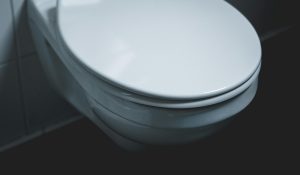
Portable toilet hire is a service that supplies temporary, self-contained sanitation units to locations without permanent plumbing. Hire companies deliver ready-to-use facilities to events, construction sites and homes undergoing renovation, then handle all servicing and collection once the rental ends.
Key Points
- Portable toilet hire provides fully serviced, self-contained sanitation units for events, construction sites and remote locations without requiring permanent plumbing connections.
- Several unit types are available including chemical toilets, mains-connected options, solar-powered models and disabled access units to suit different requirements and budgets.
- Hire costs vary based on unit type, duration and delivery distance, with most services including delivery, regular servicing, consumables and waste disposal as standard.
- UK construction sites have legal obligations to provide adequate welfare facilities, making portable toilet hire essential for compliance.
What Is Portable Toilet Hire?
Units range from basic plastic cubicles to luxury trailers fitted with hot water and multiple compartments. Hire periods are flexible, spanning a single day through to multi-year contracts for long-term projects. Accessible units provide wide entrances with ramp access, support rails and spacious interiors that meet the requirements outlined in BS6465:2006. Regular servicing keeps facilities hygienic and compliant with health and safety obligations throughout the hire.
Types of Portable Toilets for Hire
Portable toilets for hire fall into several categories to suit different events and sites. Standard chemical units are self-contained and work on almost any surface. Mains-connected versions suit long-term projects where regular emptying is impractical. Eco-conscious organisers often choose composting or solar-powered models. Accessible units include ramps and handrails, while luxury trailers—such as 3+1 configurations—offer premium finishes. When arranging toilet hire, consider your guest numbers and site conditions.
- Chemical toilets for versatile placement
- Mains-connected units for long-term installations
- Solar-powered eco-friendly options
- Disabled access units for inclusive provision
- Portable showers for comprehensive welfare
- Composting toilets: timber-framed, waterless, odourless for eco-events
- Luxury 3+1 units: 3 ladies toilets + 1 gents with urinals
- Horsebox conversions: premium finishes, steps or ramps for access
Chemical Toilets

Chemical toilets are self-contained sanitation units that operate without mains water or drainage connections. They use specially formulated chemicals to break down waste and control odours, making them ideal for construction sites, outdoor events and remote locations across the UK.
A standard unit measures roughly four feet by four feet, fitting comfortably into tight spaces. The recirculating design minimises unpleasant smells, while an opaque roof allows natural daylight inside—no electrics needed during the day. Weekly servicing typically includes pump-out, chemical refill and a hygiene check. Hot wash upgrades provide warm water for handwashing.
Mains-Connected Toilets
Mains-connected toilets are portable toilet units that link directly to water, drainage and electrical supplies. They offer a more permanent solution for long-term UK construction sites or events where infrastructure is available.
These units typically require a 15mm water inlet, access to a sewer or septic system, and a 240V 16amp electrical supply. Where drainage is unavailable, heavy-duty sit-on waste tanks provide an alternative. Most feature robust anti-vandal steel construction, an HSE-approved washbasin, a porcelain bowl and an interior lock for privacy. Vehicle access is essential for delivery and collection.
Solar-Powered Toilets
Solar-powered toilets are self-contained sanitation units that run entirely off-grid using photovoltaic panels. They suit UK construction sites, festivals and remote locations where mains electricity, water or sewage connections are unavailable.
Roof-mounted panels power LED lighting, ventilation fans and PIR motion sensors. Single and double configurations typically hold 210 litres of fresh water and 520 litres of waste. Galvanised steel chassis and high-security doors ensure durability. Regular waste pumping and water refills remain essential.
Disabled Access Toilets

Disabled access toilets are portable units designed to accommodate wheelchair users and people with limited mobility. They feature extra-wide doors, ground-level entry and spacious interiors with adequate turning space. Standard features include grab rails, non-slip flooring and emergency call alarms. Changing Places units cater for those with more severe disabilities, offering larger floor areas and additional equipment.
- Extra-wide doors and ground-level access
- Interior grab rails and turning space
- Supports legal compliance obligations
- Available for events and long-term hire
- Non-slip flooring and emergency call alarms
- Folding seats over shower trays
- Changing Places units for severe disabilities
- Luxury options to match event aesthetics
Portable Showers
Portable showers are self-contained washing facilities that bring hygiene to temporary sites. They suit multi-day events, construction projects, festivals and glamping venues where mains plumbing is unavailable.
Combined toilet-shower blocks streamline logistics by housing both amenities in one unit. Hot water systems typically require a 13–16 amp electrical supply or a generator for remote locations. While OSHA standards specify clear requirements for portable toilet quantities, UK hirers should confirm adequate provision for their expected footfall.
Event and Festival Hire
Event and festival hire is a specialised service that supplies portable toilets and luxury sanitation trailers for gatherings of all sizes. Proper planning keeps guests comfortable and queues short.
Calculate the number of units based on attendance and event duration. A 2+1 trailer typically serves around 150 guests at a wedding, while large festivals need many more units with daily servicing. Position facilities for easy access without spoiling the view. Luxury timber-clad trailers suit premium occasions, offering hot water, bamboo supplies and infrared sensors that reduce waste.
Construction Site Hire

Construction site hire is a service that supplies portable welfare units directly to building and civil-engineering projects. UK regulations require every site to provide adequate toilet and washing facilities for workers, and portable units meet this duty where no permanent amenities exist.
Providers typically deliver anti-vandal cabins built to resist theft and damage. Self-contained chemical toilets need no mains water, making them ideal for remote locations. Combined welfare units bundle toilets, sinks and changing areas into one cabin, saving space while satisfying the sanitation standards set out in BS 6465-1:2006.
Portable Toilet Hire Costs
Portable toilet hire costs in the UK start from around £30 per week for a standard chemical unit. Prices rise depending on the type of unit, hire length, delivery distance and how easy the site is to access. A luxury 1+1 trailer typically begins at £450 plus VAT. Longer contracts often attract discounts—seasonal farm hire, for instance, may cost £200–£600 per unit including servicing. Always request a tailored quote for accurate budgeting.
- Unit type significantly affects pricing
- Hire duration influences weekly rates
- Delivery distance and access impact costs
- Request tailored quotes for accurate budgets
- HSE compliance requires 1 toilet per 7 workers (40-hour week)
- Servicing every 1–2 weeks often included in contracts
- Long-term hires (e.g., 6+ months) offer discounts
- Luxury units include delivery, installation, and sanitisation
What Is Included in the Hire Service?
A standard hire service covers the full lifecycle of your portable toilet rental. This typically includes delivery, on-site installation, and collection once your hire period ends.
For rentals lasting longer than seven days, weekly servicing becomes standard across the industry. Each visit involves rubbish removal, waste emptying into a service tanker, thorough cleaning, and disinfection. Consumables such as toilet paper, hand sanitiser, and cleaning products are replenished automatically.
Waste disposal is handled entirely by the hire company, so you needn’t arrange separate collections. If no one will be present during servicing, many providers email timestamped photographs as proof the work was completed. Always inform your supplier about access constraints—narrow roads or locked gates can disrupt scheduled visits.
Frequently Asked Questions
Frequently asked questions cover the practical details most hirers need before booking. Event toilets are typically serviced daily, while construction-site units receive weekly visits unless you arrange otherwise. Consumables such as toilet roll and hand sanitiser are provided initially; the hirer replenishes them unless ongoing servicing is agreed.