Industrial flexible intermediate bulk containers (FIBCs) or bulk bags are imperative to the safe movement and storage of materials. Most use woven polypropylene, but variations in coatings, liners and construction create significant performance differences across applications, making it tricky for businesses to know what to pick. Buyers must understand how to select the best bag design for their needs and know the best companies to buy from.
Types of Bulk Bags
Bulk bags fall into four main categories based on their static protection:
- Type A: Type A bags are made from standard woven polypropylene and provide no static protection. These work well for non-flammable products where static discharge is not a concern. Their use is for construction materials and other low-risk applications.
- Type B: Type B bags reduce the likelihood of dangerous discharges, though they don’t actively dissipate static. The bags are suitable for dry, flammable powders.
- Type C: Type C bags contain conductive threads that safely ground static electricity during use. It’s imperative that the bags are properly connected to a grounding point during filling and discharge.
- Type D: Type D bags dissipate static electricity into the atmosphere without requiring grounding. They offer a safer and more flexible solution in environments where grounding is difficult to maintain.
Load Capacity and Safety Ratings
Load capacity is the maximum weight a bulk bag can safely carry, and it’s vital to match this capacity to operational demands. As Safety By Design points out, the Occupational Safety and Health Administration (OSHA) requires lifting equipment to “never exceed its rated load capacity.” Other elements include:
- Safe working load: Manufacturers assign each bag a safe working load, which should be visibly marked. The rating outlines the maximum weight a bag can hold.
- Safety factor ratios: Safety factors are the ratio of a structure’s material strength to the maximum expected load. Buyers should choose a ratio based on how often they plan to reuse the bag.
- Handling considerations: Forklifts and filling systems influence weight distribution across a bulk bag. Uneven lifting or improper lifting can reduce performance even if the bag meets the required rating.
Best Bulk Bags by Use Case
Selecting the right bulk bag depends on how it will be used and the industry in which the customer’s business operates.
Construction and Aggregates
Operations handling sand, gravel or aggregates typically use standards woven polypropylene bags without liners. These materials do not require moisture protection, but they demand high tear resistance and load stability.
Food and Chemicals
Food-grade bulk bags must meet strict hygiene requirements, such as being manufactured in clean rooms. Businesses in the food, chemical and pharmaceutical industries should carefully research certified bulk bags and consider speaking to experts if they have any questions or concerns. Type C and Type D bags lower the risk of explosions in chemical plants, as they help stop static sparks.
Agriculture and Ventilated Goods
Over 60% of the global FIBC demand is from the agricultural sector. Products like grains, seeds or wood pellets benefit from breathable fabric that allows airflow and reduces moisture buildup.
Best Bulk Bag Suppliers for Industrial Use
The following companies offer different approaches to sourcing bulk bags for industrial applications and are strong options for businesses.
1. Bulk Bag Reclamation
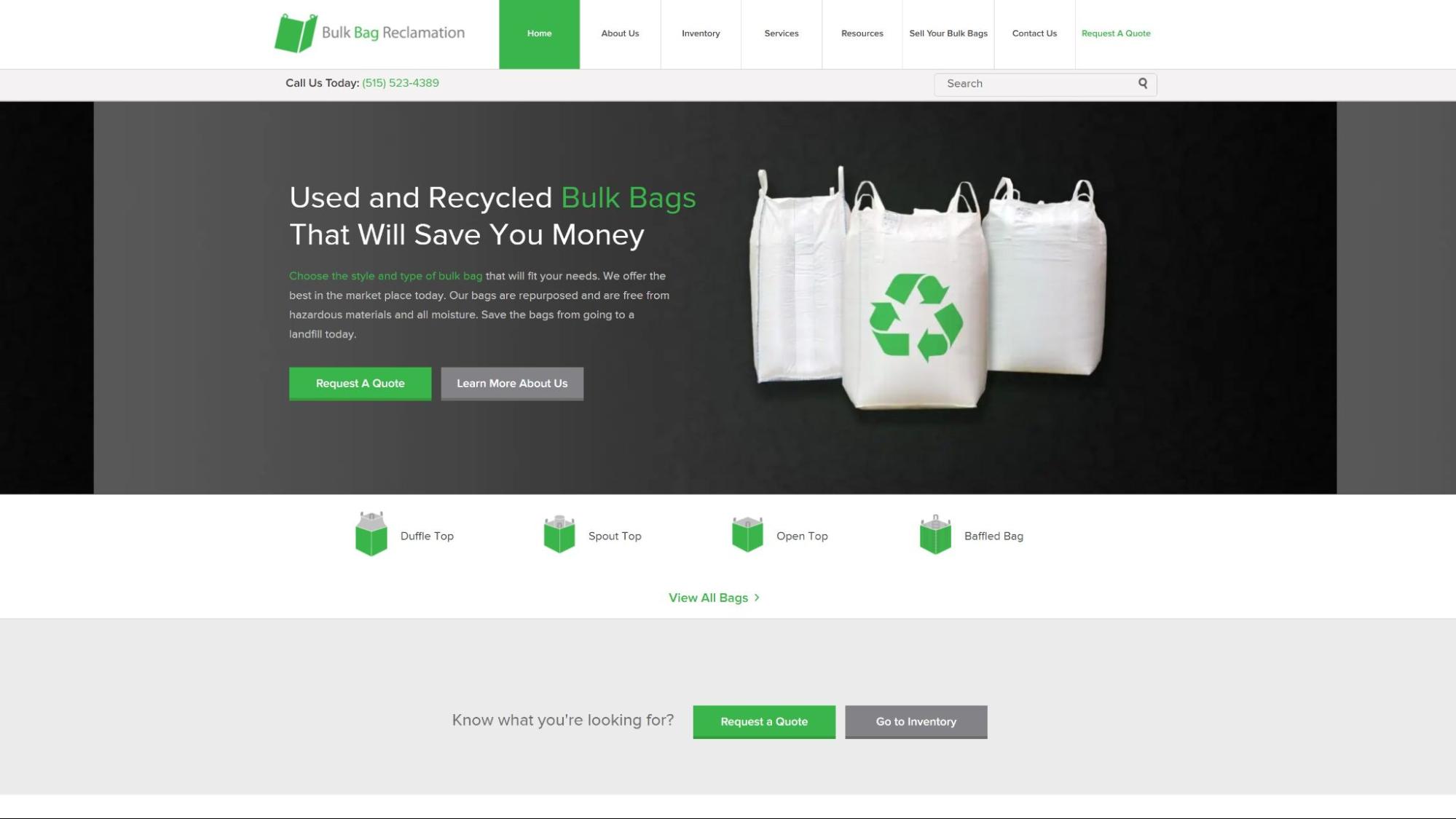
Bulk Bag Reclamation specializes in used and recycled bulk bags. The supplier’s bags are free of hazardous materials and moisture and come in a range of designs, including duffel top, open top and spout top. This is a great option for cost-effective, high-quality FIBCs, and the supplier even offers up to two free bulk bag samples before purchase. Bulk Bag Reclamation says its goal is to supply “reliable refurbished bulk bags” at a “budget-conscious rate per bag.”
Key Features
- Used and recycled bulk bags
- Free from hazardous materials and moisture
- Offers up two free bulk bags
2. National Bulk Bag
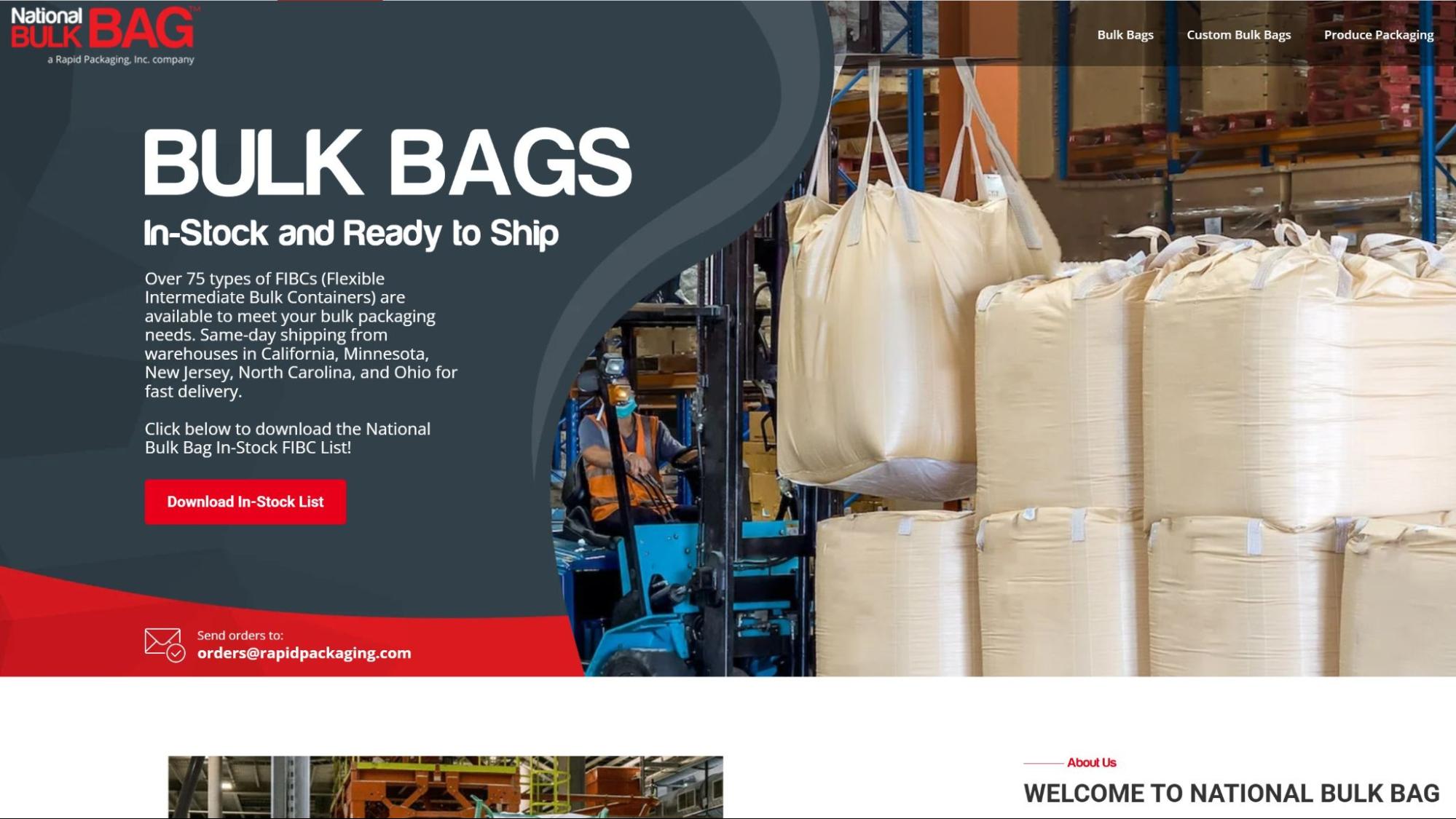
National Bulk Bag offers over 75 types of FIBCs and has industry-trained experts to help businesses find the best solutions to their bulk bag challenges. The supplier provides same-day shipping from warehouses in Ohio, California, Minnesota, New Jersey and North Carolina. National Bulk Bag says if the buyer can’t find what they’re looking for, its “product experts will help manufacture a custom bag.”
Key Features
- Same-day shipping
- Over 75 types of bulk bags
- Expert guidance and customer support
3. Global-Pak
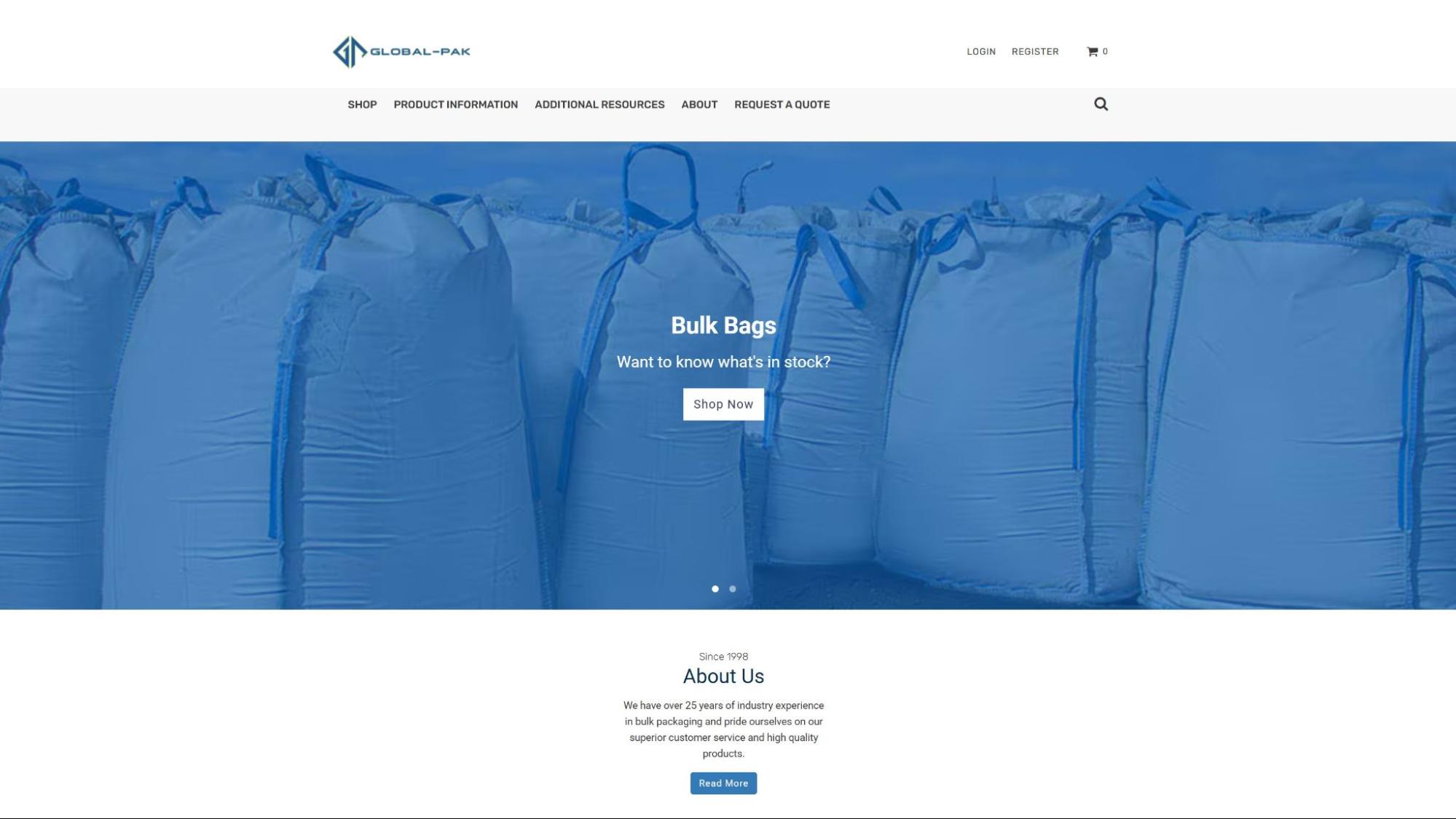
Global-Pak has been in the bulk packaging industry since 1998 and offers Type A, B, C and D bulk bags, Un-Rated bulk bags, liner bags, and more. It has a handy bulk bag capacity calculator on its website to help buyers determine exactly what they need and has worldwide manufacturing, warehouse and inventory management programs. Global-Pak says it prides itself on “superior customer service and high-quality products.”
Key Features
- Wide selection of products available
- Bulk bag capacity calculator
- Over 25 years of experience
Bulk Bag Suppliers Comparison Table
Here’s who these bulk bag suppliers appeal to and their standout features at a glance.
| Supplier | Standout feature | Best For |
| Bulk Bag Reclamation | Offers up to two free bulk bags before making a purchasing decision | Cost reduction and sustainability |
| National Bulk Bag | Over 75 types of FIBCs available | Fast sourcing and expert guidance |
| Global-Pak | Bulk bag capacity calculator to help buyers determine their requirements | Product range and customization |
Criteria to Determine the Best Bulk Bag Suppliers
The list reflects a structured evaluation of bulk bag suppliers based on factors most important to industrial buyers, such as:
- Product range and specialization
- Customization capabilities
- Quality assurance and compliance
- Sustainability
- Cost efficiency
- Industry experience and reputation
- Supply chain reliability
- Customer support
Customization Options for Bulk Bags
Customization is a great option for those who want a bulk bag that befits specific handling processes and material types tailored to their needs:
- Bag size and shape: Manufacturers can adjust dimensions to fit storage constraints or transport requirements. Some operations require taller bags, while others benefit from wider bases for stability.
- Filling and discharge: These features affect how quickly and cleanly materials move in and out of the bag.
- Lifting configurations: Lift loops such as corner loops and tunnel loops vary in design depending on the equipment used. The right choice for the job improves handling efficiency and reduces strain.
Overloading, improper lifting or poor bag selection can cause serious issues, so it’s important to consider customization options before making a purchase.
Practical Tips for Evaluating and Using Bulk Bags and Suppliers
Before filling bulk bags, it is always critical to inspect them for cuts, tears or ultraviolet (UV) degradation, especially on the lift loops. When handling, forklift tines should be smooth and rounded to prevent damage, and each lift loop should evenly distribute the load.
Proper storage is also essential. Industrial operators and construction workers should keep filled bags in dry conditions and out of direct sunlight, as UV exposure can weaken the material’s performance and properties over time. Additionally, it is wise to provide comprehensive training to ensure all personnel understand FIBC safety and handling protocols.
Selecting the right bulk bag supplier is easier said than done, as it requires a thorough evaluation of operational fit. Marketing and advertisements can only tell a customer so much, and may not cover specific industry and compliance needs. Businesses should assess important factors like volume requirements, life cycle costs and review lead times before making a decision.
Bulk bags should not be an afterthought. Making the right choice can feel like a time sink, but well-selected bags will maintain operational continuity, keep materials and employees safe, and ensure compliance with industry standards. The companies in this article all have customer support teams on hand that can answer questions to help buyers find the right bulk bag for their needs.
From Afterthought to Asset
Bulk bag procurement is a long-term investment in safety and operational efficiency. Partnering with an FIBC supplier that tailors its products to an organization’s handling process is the most effective and safest approach to transforming the supply chain and profitability.
Frequently Asked Questions
What is a bulk bag?
A bulk bag or FIBC stores and transports dry, flowable materials such as sand and chemicals.
Are bulk bags the same as industrial bulk containers?
Bulk bags are a type of industrial bulk container. The broader category of industrial bulk containers also includes rigid options such as IBC totes and bins.
Are bulk bags reusable?
Some bulk bags support reuse. Higher safety factor ratios make this more possible, but check the product listing to see what the brand recommends.
How do buyers choose between new and reconditioned bulk bags?
Reconditioned bags offer cost savings and environmental benefits, while new bags may suit highly regulated applications. The better choice depends on the customer’s cost, application and sustainability goals.