If you have been living in a home that’s been a part of your neighbourhood’s architectural history, it’s important to know you have a role to play. Preserving it would be the best approach, regardless if you’re planning to sell it or transfer it to the next generation as part of your estate.
However, doing so can be a challenging endeavor. Along with structural issues caused by aging, there’s also the expectation that it must remain in its original state. Lacking a plan will have you paying for expensive repairs that diminish its structural integrity, significantly change its original design, and, worse, reduce its historical value. Following the guide below will help you avoid these pitfalls and ensure that your historic home will remain standing for another hundred years or more.
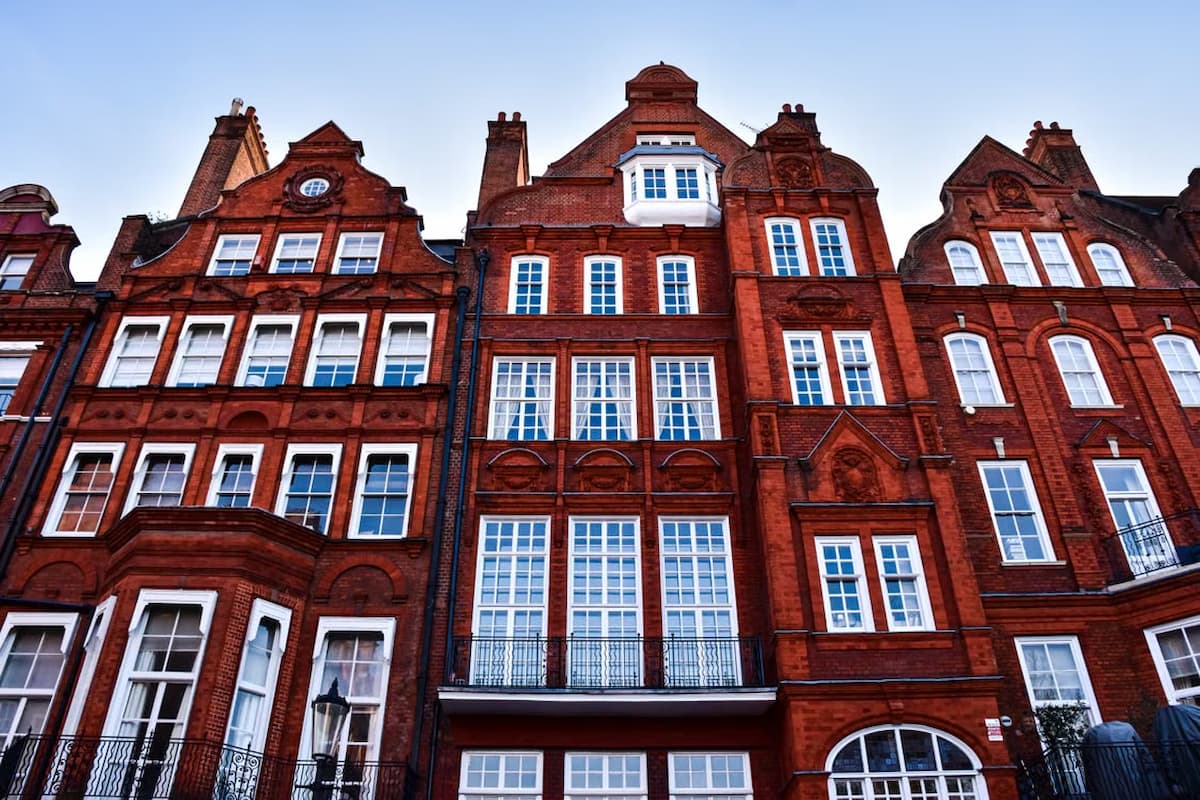
1. Know Your Property’s Historic Value
It’s important to learn every detail about your home, whether you bought it off the local property market or inherited it from a relative. Aside from identifying the year it was built, the architectural style, and the original materials used in its construction, you should also know if it has been altered or played a role during certain time periods.
It may have been damaged during the Blitz, or a famous personality may have visited it at some point. In any case, understanding your home’s history gives you all the more reason to preserve it and ensure that its original features remain in a way that retains its value as a piece of local history.
2. Have It Assessed and Inspected
Before initiating repair and improvement projects for your historic home, keep in mind that modern tools, materials, and approaches will have a significant structural and aesthetic impact. In addition to the age of the property, other factors such as the presence of toxic materials like asbestos and structural elements common in the era in which it was built should be considered.
You may need an architect specialising in historic homes to assess the property from the inside and out. Their expertise will help uncover underlying issues that may complicate future renovation works. These may include the fact that some construction materials no longer exist and that certain areas where the foundations have significantly deteriorated pose a safety risk. Whichever the case, a professional will help you determine what works best for the property.
3. Access Grants and Know Your Responsibilities
Your historic home could be a candidate for funding by your local town council or historical society. Most areas, such as London’s historic Southwark and Islington neighbourhoods, require permission for major activities like roofing repairs and landscaping, especially if a home is located within a protected area.
Generally, if your home is considered to have immense historical value, you are advised to have it listed under Historic England’s National Heritage List. Doing so would mean undertaking regular maintenance of your property and ensuring that it’s not altered in such a way that it looks unlike its original appearance. This would also mean applying for a listed building consent and submitting a proposal before undertaking any improvement or construction activity that may affect the original structure.
4. Reach Out to Capable Contractors
Once approved, you need to look for professionals who can handle the preservation jobs you require for your historic home. In the United States, homeowners will need a provider of historic roof restoration in New Jersey if their properties are located in historic boroughs like Allenhurst.
In the same way, preserving a London home demands experience and expertise in handling fragile materials and respecting the property’s historic character. You can check national registers for a list of professionals with experience in heritage conservation, as well as suppliers of traditional construction materials that might not be available locally.
Endnote
Owning a historic home is a source of pride, but it comes with major responsibilities and considerations. With the guide above, you can make the right decisions, ensuring that your home’s historical value is preserved.