Running a commercial facility requires more than just good service and quality products. Accessibility lawsuits are a growing problem for business owners today, and they can be expensive and damaging to their businesses’ reputation. Smart property owners are proactively reaching out to certified professionals to assess their property before they face legal issues, to ensure that they remain protected and create an inclusive environment at their property.

Understanding the Rise of Accessibility Lawsuits
Recent years have seen commercial properties being the target of accessibility litigation time and again. Design mistakes are often enough to see a legal claim and payment dispute. Many business owners think that because their buildings are older, they won’t be affected by modern rules, but this is not always the case. In today’s day and age, proactive property managers are aware that waiting until a complaint arrives is a risk that they cannot afford.
The Role of a Certified Access Specialist
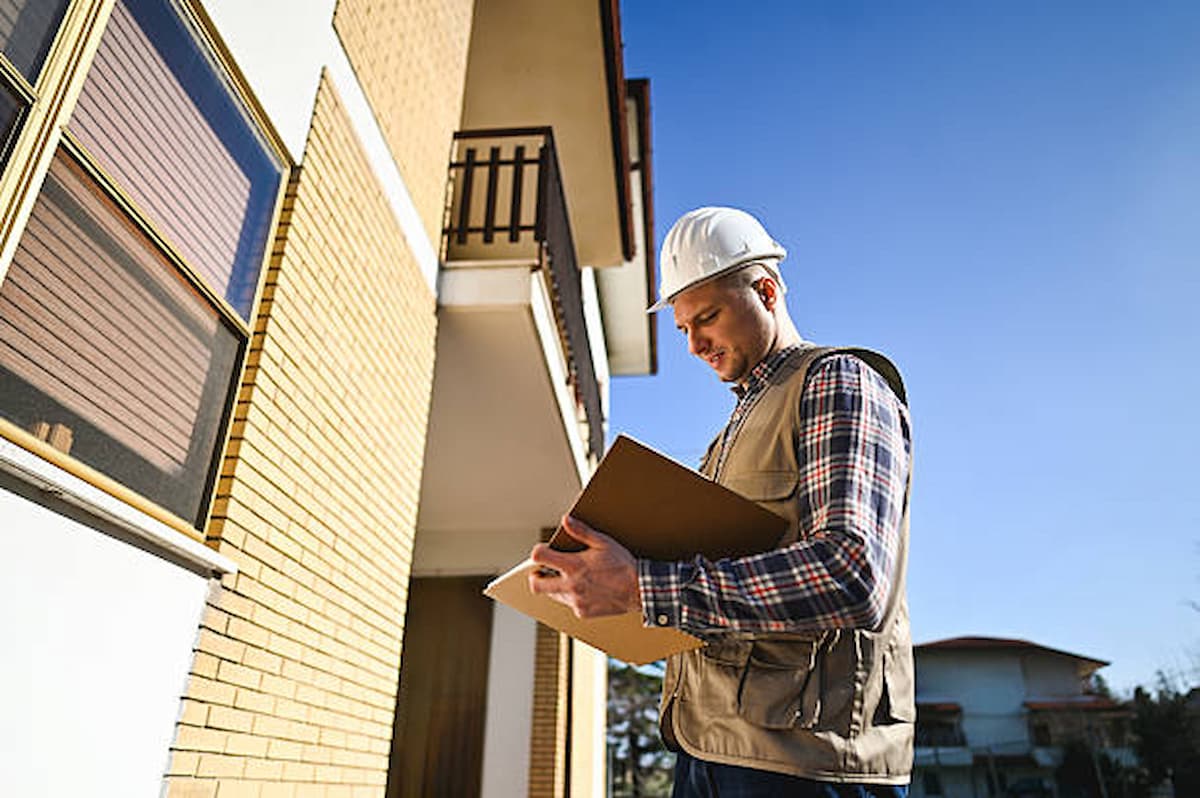
Comprehensive property evaluations are essential for businesses to avoid unwelcome legal troubles. Hiring a skilled California ADA inspector is one of the most effective ways to identify compliance barriers across commercial facilities. They are trained and certified professionals who perform state and federal accessibility evaluations of properties. They assess buildings, inspect physical properties, and advise building owners about their precise legal requirements. Scheduling an evaluation early gives businesses valuable documentation showing their commitment to public accessibility.
Financial Protection and Reducing Damages
One case can easily run up a small business bill of $10,000 and more in statutory damages and legal costs. Understanding that an official accessibility inspection offers a considerable amount of financial protection to property owners, they should not be hesitant to request one. Property owners should ask for an accessibility inspection since they will receive a lot of financial protection. Many jurisdictions provide that a business with a valid inspection report can substantially limit minimum statutory damages in case of a claim. This proactive step prevents surprise construction expenses and ensures that capital improvement budgets are spent wisely on necessary upgrades rather than settlement checks.
Gaining Legal Protections and Court Delays

In addition to saving money, an official inspection provides business owners with certain legal safeguards. The owner of a property can obtain a protected status known as a qualified defendant if a certified professional inspects the property. This status can be extremely valuable if there is a legal battle to come, such as a delay in court proceedings and early evaluation conferences. These legal mechanisms allow businesses time to resolve issues and fairly compensate claims before lengthy litigation.
Identifying Hidden Accessibility Barriers
The typical homeowner is unaware of many of the accessibility challenges. An inspector makes exact measurements of entryways, public service counters, ramps, elevators and restroom facilities. They also review available parking spaces, slope inclines and signage. A slight difference, like a mirror that is an inch too high or a ramp with an error of 1% can lead to a lawsuit. These hidden dangers are discovered through a thorough assessment, allowing them to be rectified quickly.
Developing a Practical Plan for Corrections
Even if a building receives an inspection report, it’s not a requirement that every building component must be rebuilt immediately. A seasoned consultant can offer a concise and structured plan for compliance. The report provides an overview of the elements that need to be addressed immediately and those that can be changed over time. The structured guidance enables managers of the property to prioritise the repairs according to budget and urgency. A transition plan is a valuable document that shows that the business is actively undertaking steps to be fully accessible to all patrons.
Conclusion
One of the primary reasons to hire accessibility professionals is to prevent lawsuits, and that’s not the only benefit you’ll receive. Properly maintained buildings help to ensure that people with disabilities can participate fully in society, and help to ensure community inclusion. Smart businesses invest in professional evaluations and ensure property improvements where required in order to drive their financial future and to treat all customers with dignity and respect.