A kitchen extension goes up, a skip sits on the drive for a few weeks, and by the time the plasterers move in, everyone’s focused on the finish rather than what’s happening behind the new stud wall. Then, a month or two after completion, there’s scratching in the void, gnaw marks on a newly run cable, or a smell no one can quite place. It’s a far more common sequence than most homeowners and even some contractors expect, and it’s one the construction trade in Bromley is increasingly having to factor into project planning rather than treat as an afterthought.
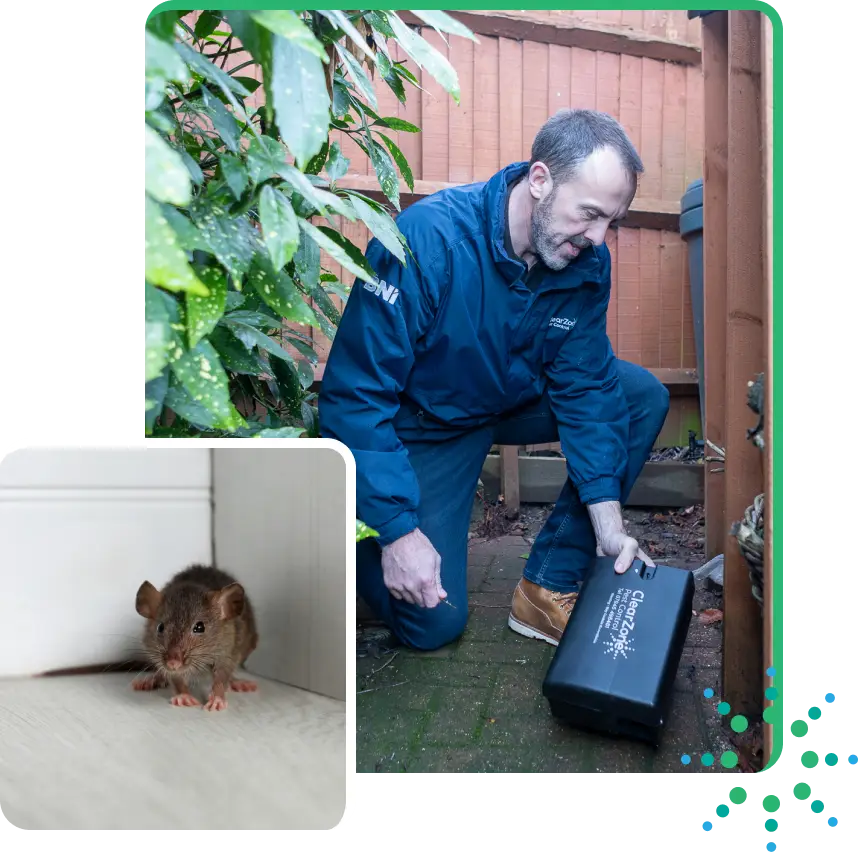
Building work and pest activity are more closely linked than they might first appear. Excavation, plumbing rerouting, and structural alterations all disturb ground and cavities that rodents already use, or create fresh access points they’re quick to exploit. It’s part of why demand for residential pest control Bromley projects generate tends to cluster around active building sites rather than settled, undisturbed homes. This piece looks at why renovation projects trigger so many pest callouts, what the resulting damage actually costs a build, who carries the legal responsibility, and what a properly built-in pest-proofing step should look like on a residential job.
Why Building Work Is Such a Common Rodent Trigger
Three things tend to happen on a typical extension or renovation, and each one opens a door for rodents.
First, plumbing rerouting during kitchen or bathroom work often leaves old pipework capped off poorly, or not capped at all until a later stage. An open or loosely sealed pipe run is a direct route into a property, and rats are perfectly capable of gnawing through ageing plastic pipe to widen a gap that’s almost there already.
Second, excavation and groundworks disturb existing rodent activity nearby. Rats living in a garden, under a shed, or along a boundary fence don’t relocate quietly when their usual ground is dug up, they move, and a freshly opened foundation trench or exposed cavity is often the nearest available shelter.
Third, a live building site is, unintentionally, an excellent temporary habitat. Skips hold food waste and packaging, scaffolding and hoarding create sheltered voids, and partially finished walls sit open for weeks before insulation and plasterboard go in. None of this is anyone’s fault exactly, it’s simply what a working site looks like, but it’s worth treating as a known risk rather than a surprise.
What the Resulting Damage Actually Costs a Project
The disruption goes well beyond an unpleasant discovery. Rodents gnaw constantly to manage tooth growth, and newly run electrical cabling is an unfortunately convenient target, chewed wiring behind a stud wall is a genuine fire risk and, once found, often means opening up finished work to fix it properly rather than a quick patch.
Insulation is another common casualty. Rats and mice will shred loft or cavity insulation for nesting material, which undermines the thermal performance a renovation was often specifically designed to improve. Timber can also take damage, both from gnawing and from the moisture that tends to follow once pest activity has gone unnoticed for a while.
For a contractor, the practical concern is timing. A pest issue discovered after second fix, once walls are closed up and finishes are on, is considerably more disruptive and costly to resolve than the same issue caught during first fix, while cavities are still open and accessible. Because nearly all of this damage traces back to rats and mice rather than any other pest, rodent control specifically, rather than a general pest visit, is usually the right thing to book once activity is confirmed.
Who’s Actually Responsible for Sorting It Out
Responsibility during a renovation isn’t always obvious, and it’s worth being clear about before a project starts rather than after a problem turns up.
Under the Prevention of Damage by Pests Act 1949, the property owner carries a general legal duty to keep the premises free of rats and mice, regardless of whether building work is underway. In practice, this means that even if a pest issue is arguably triggered by construction activity, it’s the homeowner or, on a managed development, the developer or landlord who ultimately needs to see it resolved, though a good contractor will usually flag the risk and, where it’s clearly caused by the work itself, take some responsibility for the fix.
For anyone carrying out treatment, it’s also worth knowing that rodenticide products used professionally in the UK are regulated, and the Health and Safety Executive’s guidance on rodenticides sets out the rules around authorised products and responsible use. A contractor or pest technician working to that standard, rather than an unregulated off-the-shelf approach, is generally the safer and more compliant route on an active building site.
Building Pest-Proofing Into the Project Timeline
The most effective fix is rarely a treatment after the fact, it’s a proofing step built into the build itself, ideally before walls close up.
- Cap and seal all redundant pipework properly during first fix, not as a final tidy-up task
- Inspect cavities and voids for existing signs of activity before insulation goes in
- Fit rodent-proof mesh over any new air bricks or vents as standard
- Keep site waste, particularly food packaging, in secured bins rather than open skips where practical
- Schedule a pest inspection at first fix stage on any project involving significant groundwork or pipe rerouting, rather than waiting for a problem to appear
Contractors and homeowners looking for reliable pest control support during a renovation are generally after exactly this: someone who can inspect at the right stage of the build, not just respond once there’s visible damage.
What a Proper Residential Pest Control Visit Should Involve
A visit worth paying for follows a fairly consistent structure, whether it’s triggered by an active infestation or booked proactively during a renovation.
- Inspection first, to identify species and likely entry points rather than treating on assumption.
- A clear, written explanation of findings, in plain terms rather than trade jargon.
- Treatment matched to the situation, using HSE-compliant products and methods appropriate to a live construction environment.
- Proofing recommendations, particularly relevant on a renovation where new gaps may still be forming.
- A follow-up visit, since a single treatment on an active building site often needs confirming once work has progressed further.
Firms such as Clear Zone Pest Control illustrate what that standard looks like in practice: inspection before treatment, proofing recommendations alongside any pest removal, and a follow-up built in rather than treated as optional. That’s the benchmark worth expecting from any provider working alongside a renovation project, not just a Bromley-based one.
Frequently Asked Questions
Is pest control the builder’s responsibility or the homeowner’s during a renovation?
Legally, the property owner carries the ongoing duty to keep the premises pest-free. In practice, a reputable contractor will often flag the risk during planning and, where an issue is clearly linked to the building work itself, take a share of responsibility for resolving it, but this is generally a matter for agreement rather than a fixed legal rule.
Can pest-proofing be included in a renovation budget or specification?
Yes, and it’s increasingly common on larger projects to specify rodent-proof mesh on vents, proper pipe capping, and a first-fix pest inspection as standard line items, rather than leaving it to be dealt with reactively if a problem appears later.
How much does residential pest control cost in Bromley?
Cost depends heavily on the scope of the issue and whether it’s a reactive treatment or a proactive inspection built into a build programme. It’s worth asking for a written quote rather than a verbal estimate, particularly on a renovation where access and timing affect the work involved.
What’s the earliest sign a renovation has disturbed a rodent colony nearby?
Increased daytime sightings in the garden, fresh burrows near disturbed ground, or gnaw marks on temporary site materials are usually the first indicators, often appearing within the first few weeks of groundworks starting rather than after the build is finished.
Do building regulations require pest-proofing on new extensions?
There’s no specific building regulation dedicated to rodent-proofing in the way there is for insulation or fire safety, but the general legal duty under the Prevention of Damage by Pests Act 1949 still applies once the property is occupied, which is why building proofing measures in during construction tends to be more practical than retrofitting them afterwards.
The Bottom Line for Anyone Managing a Build
Pest activity triggered by construction work isn’t a sign anything’s gone wrong on site, it’s simply a predictable consequence of disturbing ground and opening up a building’s fabric for a few weeks or months. Treating a pest inspection as a normal part of project planning, rather than an emergency response once damage is found, tends to save both time and money by the time the final fix is signed off.