Working in the trades is physically demanding in a way that few desk jobs ever match. Whether you are laying bricks, fitting pipework, hanging plasterboard or spending long shifts up a scaffold, your body absorbs repeated loading day after day. Over months and years that constant demand adds up. Managing physical strain is not a luxury for site workers, it is part of staying employable, avoiding injury and being able to keep doing the work you depend on.
Physical strain on site rarely announces itself with a single dramatic injury. More often it builds quietly. A stiff lower back that never fully settles, shoulders that ache after a week of overhead work, knees that complain on the ladder, wrists that tingle after repetitive tool use. These small signals are your body telling you that recovery is falling behind the workload. The tradespeople who last longest tend to be the ones who take those early signals seriously rather than pushing through until something finally gives way.
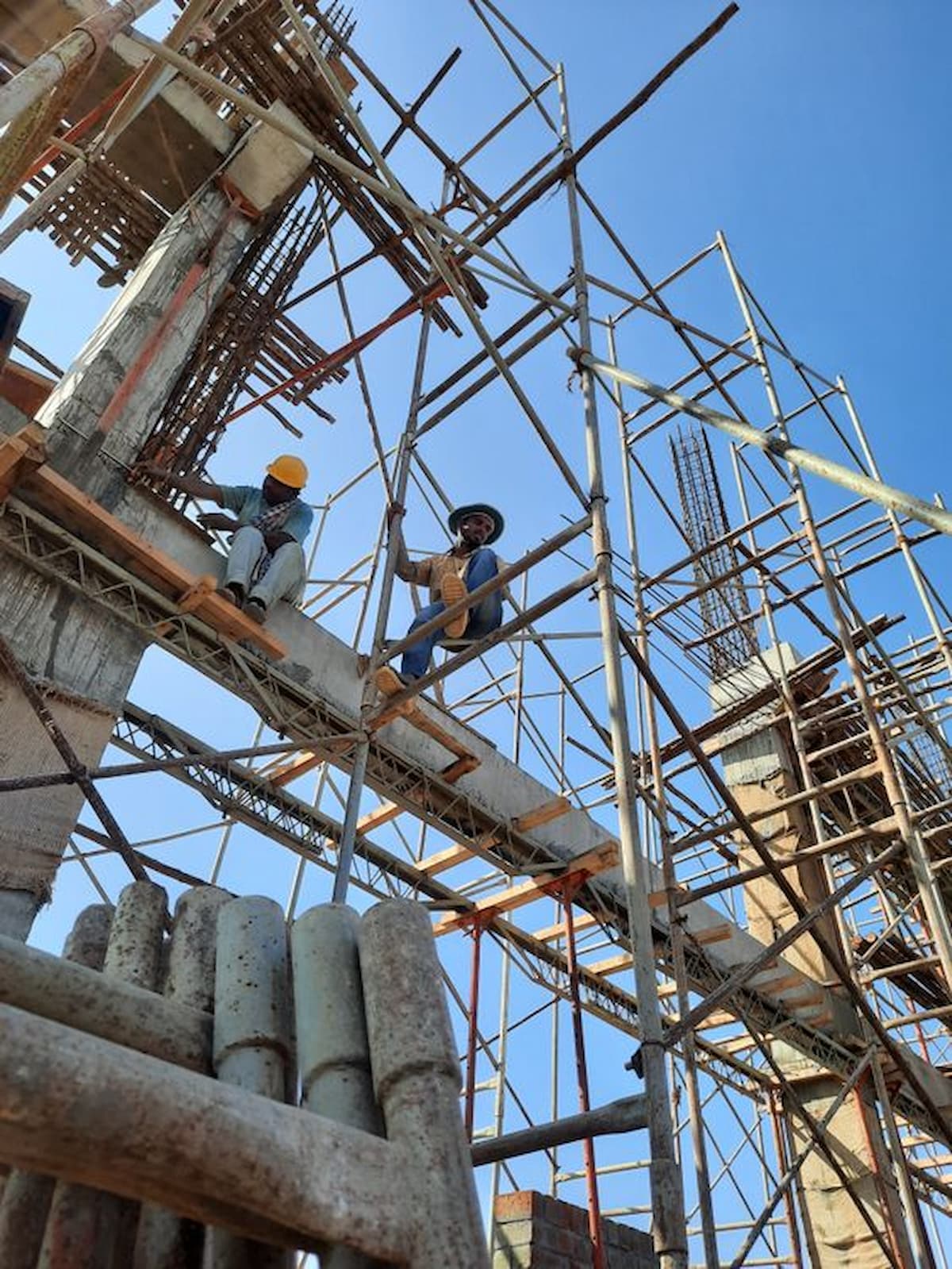
Recovery does not have to be complicated, but it does have to be deliberate. Alongside good lifting technique and sensible pacing, hands-on treatment can make a real difference to how muscles feel between shifts. Many workers find that regular sports and deep tissue work loosens the tight areas that build up from manual labour, and it is now straightforward to book a male massage therapist near me who understands the physical demands of site work and can target the muscle groups that take the most punishment. Treating soft tissue maintenance as part of the job, rather than an afterthought, keeps you moving more freely for longer.
Where Strain Tends to Concentrate
Different trades wear the body in different ways, but a few areas take a hammering across almost every role on site. The lower back carries the cost of repeated bending, lifting and twisting, especially when loads are handled at awkward angles or in tight spaces. Shoulders and the upper back suffer under overhead tasks such as fixing ceilings, running cable trays or plastering. Knees absorb the strain of kneeling on hard floors and climbing ladders all day. Hands, wrists and forearms take a steady beating from power tools, vibration and gripping heavy materials for hours at a time.
Knowing your own weak points is useful. If you have noticed the same ache returning week after week, that is the area to give the most attention to when it comes to warming up, pacing and recovery. Chronic niggles that go unmanaged are the ones most likely to turn into the injury that puts you off work.
Everyday Habits That Protect Your Body
Some of the most effective protection costs nothing and takes only minutes. Warming up before heavy work matters just as much on a building site as it does before sport. A few minutes of movement to raise your heart rate and loosen the major joints prepares muscles for load and reduces the risk of a strain in the first hour of the day.
Lifting technique is the classic advice for good reason. Keeping loads close to your body, bending at the hips and knees rather than the waist, and avoiding twisting while carrying weight all reduce the pressure on your spine. Where a load is genuinely too heavy or awkward, using a second pair of hands or mechanical help is not a weakness, it is basic self-preservation. Rotating tasks through the day, so you are not doing the same repetitive movement for hours on end, spreads the load across different muscle groups and gives overworked areas a break.
Practical kit helps too. Supportive footwear with good cushioning takes some of the shock out of standing on concrete all day, and knee pads make a real difference for anyone spending time on the floor. Staying hydrated keeps muscles working properly and helps stave off the cramps and fatigue that creep in on long, hot shifts.
Recovery Between Shifts
What you do after work matters as much as what you do on site. Sleep is when the body repairs itself, so protecting a consistent sleep routine is one of the highest value habits a busy worker can build. Gentle stretching in the evening, focused on the areas that took the most strain, helps muscles release rather than stiffening overnight.
Heat and cold both have their place. A warm shower or bath can ease general tightness, while a cold pack on an inflamed joint can settle swelling after a heavy day. Regular massage adds another layer, working directly on the muscle tissue that tightens under repetitive load and helping to restore range of movement before the next shift. Building recovery into your week, rather than waiting until you are already in pain, is what keeps small problems from becoming large ones.
When to Seek Help
Self-management goes a long way, but some signals deserve professional attention. Pain that persists for more than a couple of weeks, numbness or tingling that does not settle, or any sharp pain that stops you working should prompt a visit to your GP or a physiotherapist. Catching a developing problem early almost always means a shorter recovery and less time off the tools. Listening to your body is not being soft, it is how you protect a career built on physical work.
Frequently Asked Questions (FAQs)
1. How often should site workers get a massage?
It varies with workload, but many tradespeople find a session every two to four weeks keeps recurring tightness in check. During particularly heavy periods, or when a specific area is flaring up, more frequent treatment can help you stay on top of it.
2. Can massage help with an existing back injury?
Massage can support recovery from muscular strain, but if you have a diagnosed injury or ongoing pain you should check with your GP or physiotherapist first. A qualified therapist will also want to know about any injury before treating the area.
3. What is the difference between deep tissue and sports massage?
Deep tissue work focuses on releasing tension in the deeper layers of muscle, which suits the chronic tightness that builds from manual labour. Sports massage is geared toward performance and recovery and often includes stretching and mobility work. Many therapists blend both depending on what your body needs.
4. Is stretching before a shift actually worth it?
Yes. A short warm up that raises your heart rate and moves the major joints prepares muscles for load and lowers the chance of an early strain. It does not need to be long, a few focused minutes is enough to make a difference.
5. When should I stop treating strain myself and see a professional?
If pain lasts more than a couple of weeks, worsens, or comes with numbness, tingling or weakness, it is time to see a professional. Sharp pain that stops you working should never be ignored, as early treatment usually means a faster return to full fitness.