
Cracks, potholes and standing water rarely appear without warning. For UK property and facilities managers responsible for access roads, car parks and other asphalt surfaces, recognising early deterioration can help prevent safety hazards, disruption and costly repairs.
Heavy vehicles, changing temperatures, moisture and repeated traffic loading all contribute to asphalt wear over time. However, not every defect requires the same response. Some signs call for routine monitoring, while others indicate the need for repairs or a closer look at the pavement’s underlying condition.
Understanding these warning signs helps you decide when to act and whether maintenance, resurfacing or more extensive work is appropriate.
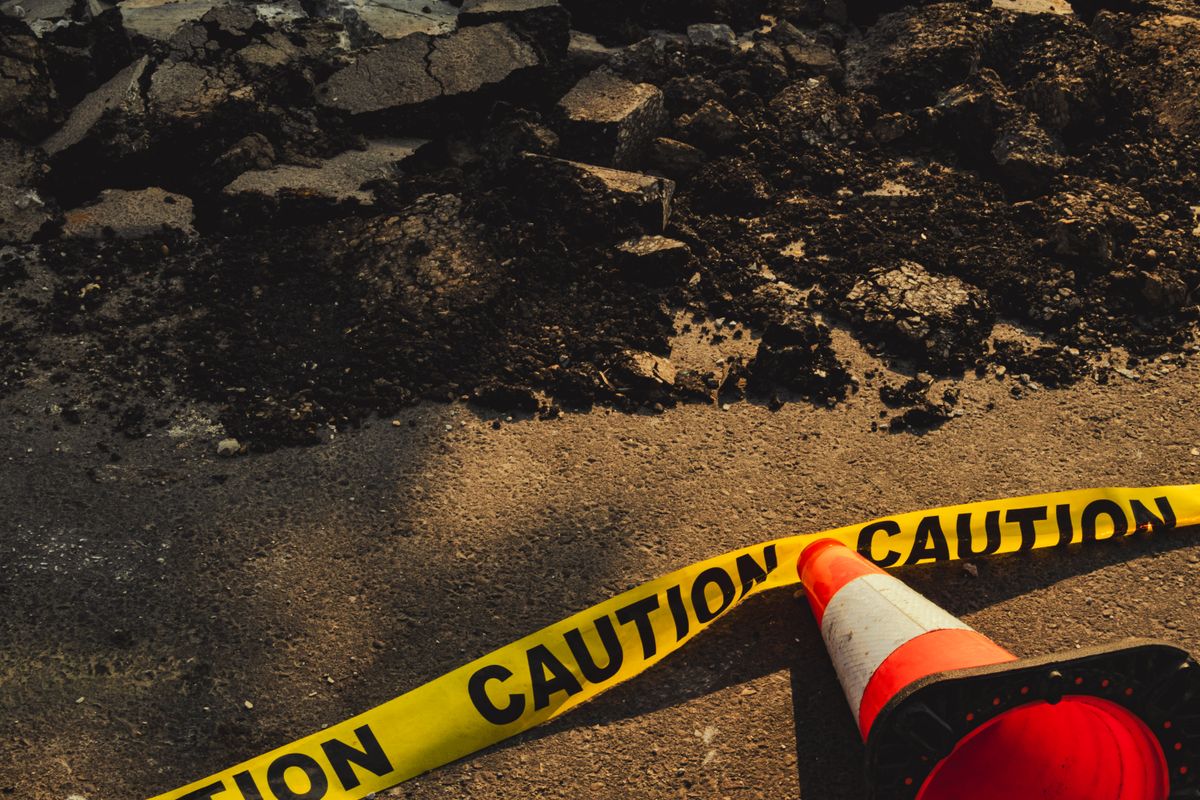
Surface Cracking Is the First Sign of Asphalt Distress
Cracks are among the most common signs that asphalt needs attention. Some are relatively minor, while others suggest deeper structural problems.
Hairline cracks often develop as asphalt ages and becomes more brittle. Although these fractures may initially affect only the surface, they can allow moisture to enter the pavement. If water reaches and weakens the underlying layers, traffic loading and freeze-thaw cycles can accelerate deterioration.
Minor, isolated cracks may be suitable for sealing or localised repairs. However, when cracking becomes widespread, the condition of the surrounding pavement should be assessed.
Crocodile cracking, also known as alligator cracking, is a more serious warning sign. Its interconnected pattern of fractures can indicate fatigue damage or underlying structural weakness. Surface treatment alone may not resolve the problem if the supporting layers are compromised.
For property managers assessing when to consider asphalt resurfacing, the key question is whether deterioration is limited to the surface or extends into the underlying pavement. Resurfacing may be appropriate when surface damage is widespread but the supporting structure remains sound.
Potholes and Depressions Indicate Deeper Concerns
Potholes can develop when water enters cracks and weakens the pavement beneath. Repeated vehicle loading then contributes to the breakdown of the damaged surface, eventually creating cavities.
Depressions are another warning sign. These low spots collect rainwater, creating hazards for vehicles and pedestrians while allowing moisture to remain on the surface.
Persistent pooling may indicate blocked drainage, inadequate surface gradients or deterioration affecting the pavement’s structure.
An isolated pothole may only require a localised repair. However, when potholes and depressions occur across several areas, repeated patching may become less economical, particularly if underlying drainage or structural problems remain unresolved.
Widespread or recurring defects warrant a professional assessment to determine whether more extensive repairs, resurfacing or reconstruction are necessary.
Fading, Ravelling and Surface Texture Changes
Asphalt naturally changes appearance as it ages. Exposure to sunlight and oxygen gradually alters the bitumen binder, often causing the surface to fade from black to grey.
Fading alone does not necessarily mean the pavement needs replacing. However, visible colour changes accompanied by cracking, loose stones or a deteriorating texture may indicate more significant wear.
Ravelling occurs when aggregate particles begin to separate from the asphalt surface. The pavement becomes rougher, loose material accumulates, and the affected areas become more vulnerable to further deterioration.
For car parks, access roads and other frequently used surfaces, loose aggregate can also create problems for cyclists, pedestrians and vehicles.
Regular inspections help distinguish normal weathering from damage requiring attention.
Asphalt surfaces can remain serviceable for many years, depending on traffic levels, drainage, construction quality and maintenance. Rather than relying on age alone, assess the extent of surface deterioration and the condition of the underlying pavement before deciding on resurfacing.
Edge Deterioration Often Gets Overlooked
Pavement edges can deteriorate when they lack adequate support from kerbs, compacted verges or suitable edge restraints.
As the edges weaken, sections of asphalt may crack or crumble under repeated loading. This reduces the usable pavement width, creates trip hazards and allows water to enter from the sides.
Edge damage is particularly relevant to access roads, car parks and driveways where vehicles regularly travel close to the pavement boundary.
Minor deterioration may be addressed through timely edge repairs. However, extensive crumbling or repeated failures should prompt an assessment of the pavement’s support and drainage conditions.
Inspecting vulnerable edges regularly can prevent relatively small defects from developing into more substantial maintenance problems.
Drainage Failures Signal the Need for Prompt Action
Poor drainage can contribute significantly to asphalt deterioration. When water remains on the surface or enters the pavement layers, it can weaken supporting materials and accelerate damage under traffic loading.
Common warning signs include persistent pooling, rutting along wheel paths and erosion near pavement edges.
These conditions should not be ignored, particularly where standing water affects vehicle movement or pedestrian safety.
Before resurfacing, identify whether drainage defects need correcting. Applying a new asphalt layer without resolving the underlying cause of water accumulation may allow deterioration to return.
Where drainage problems are extensive or recurring, a professional assessment can establish whether repairs to the surface, drainage system or pavement structure are required.
Acting Early Protects Your Investment
Effective road maintenance begins with identifying the right treatment at the right time.
Small, isolated cracks may only need sealing, while more extensive surface wear could justify planned resurfacing. Recurring potholes, widespread crocodile cracking or persistent drainage failures may require closer structural investigation before repairs begin.
Preventative maintenance can help extend pavement life and reduce the need for more disruptive work. As outlined in Shropshire Council’s guidance on resurfacing and surface dressing, timely surface treatments can play an important role in maintaining roads and managing long-term costs.
For property and facilities managers, regular inspections and prompt attention to developing defects make maintenance decisions easier. Recognising when a surface needs monitoring, repair or more substantial intervention helps protect the pavement, improve safety and minimise avoidable disruption.





