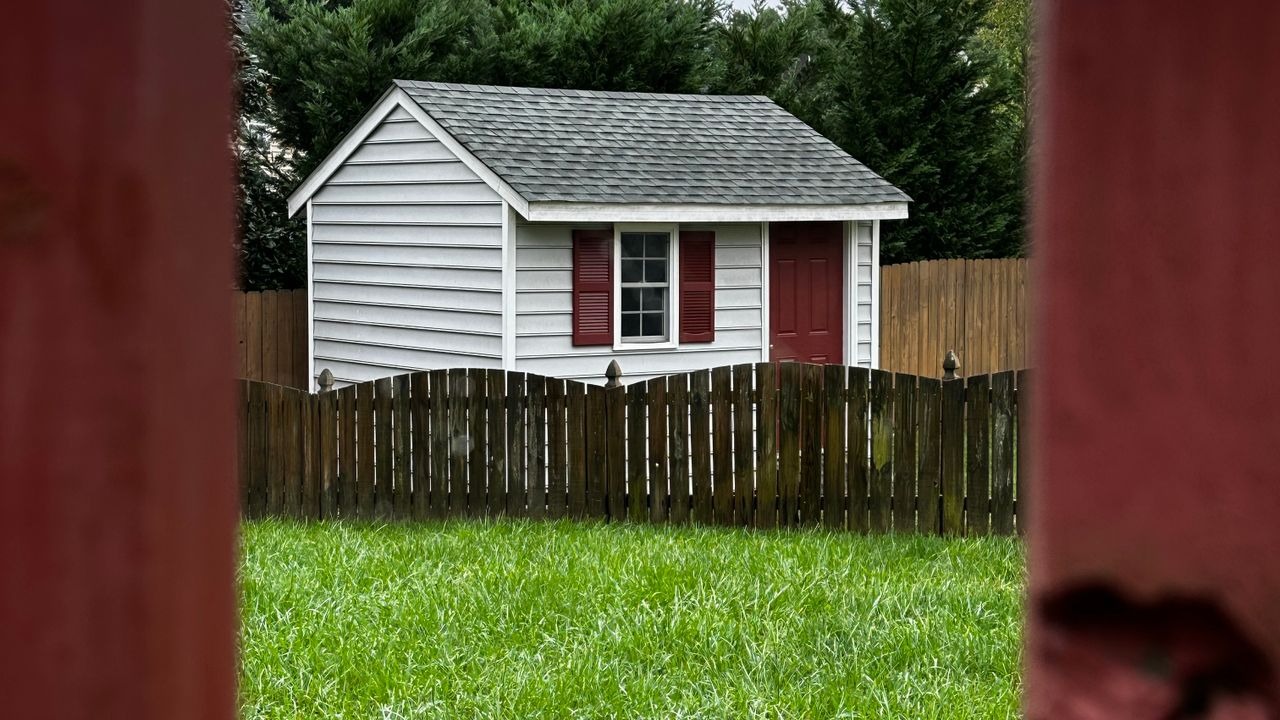
Picture a timber-framed garden room at the bottom of a Chesterton plot. It has a shower room, a compact kitchen and its own front door. The owner built it for visiting family. Then a postgraduate researcher asks to rent it, and the arrangement feels like taking in a lodger.
Legally, it may be nothing of the sort. The moment someone moves into a self-contained annexe, the rules that govern lodgers can fall away. What replaces them is the full framework of a residential tenancy, with all the duties and protections that come with it.
This guide looks at why that shift happens, what it means for anyone building or converting an annexe in Cambridge, and how to plan the build so the paperwork does not catch you out later.
Why Cambridge Homeowners Keep Building Annexes
Demand for rented space in the city is intense. According to Cambridge City Council, over 31% of households were renting privately in 2021, and the average monthly rent for all sizes of home reached £1,763 in March 2025.
With figures like that, a well-built garden annexe looks like an easy win. It can house an ageing parent, a returning graduate or a paying occupant.
The planning side is often where the first misunderstanding starts. The Planning Portal guidance makes clear that permitted development for outbuildings covers uses incidental to the main house. It does not cover separate, self-contained living accommodation.
So a building that started life as a home office or guest room may need planning permission before it becomes somebody’s home. Where an annexe was approved with a condition tying it to the main house, letting it to an unrelated person can breach that condition.
When a Garden Annexe Needs a Tenancy Agreement
The difference between a lodger and a tenant is not about the name on a contract. It comes down to how the space is actually used.
A lodger lives in your home and shares it with you. You keep control of the property. You may clean their room or come and go from shared areas. That person usually has a licence to occupy rather than a tenancy.
A self-contained annexe changes the picture. If the occupier has their own kitchen, bathroom and front door, and you do not enter without permission, they are likely to have exclusive possession. That is the hallmark of a tenancy. Anyone unsure about how tenancies work should read up on what a tenancy agreement must contain before handing over the keys, because the occupier may already hold rights whether or not a written agreement exists.
In England, most new private lets now start as assured periodic tenancies. There is no fixed end date, and the old no-fault route to ending the arrangement has gone. For a homeowner who thought they were simply “having someone stay”, that is a significant commitment.
The Shared Kitchen Test
One practical way to judge where you stand is to ask a simple question. Does the occupier share any living space with you?
Under section 3A of the Protection from Eviction Act 1977, a licence is “excluded” when the occupier shares accommodation with a landlord who lives at the property as their only or main home. Excluded occupiers can be asked to leave on reasonable notice without a court order.
Housing charity Shelter explains that shared accommodation means rooms such as a kitchen, living room or bathroom. Stairways, hallways and storage areas do not count.
Now apply that to the garden annexe. If the annexe has its own facilities and sits in a separate structure, the occupier shares nothing meaningful with you. The garden path does not make you housemates. In most cases, that points firmly towards a tenancy.
Signs your annexe is a separate home
- It has its own kitchen or cooking facilities.
- It has its own toilet and shower or bath.
- It has a separate entrance that the occupier controls.
- You need permission to go inside.
- Bills, post or council tax are handled separately.
The more of these apply, the weaker the lodger argument.
What Changes Once It Is a Tenancy
The shift from licence to tenancy brings a long list of landlord duties. These are set out in housing law and were reshaped by the Renters’ Rights Act, which governs new private lets in England.
In practical terms, you should expect to deal with the following:
- Written terms. The tenant must receive the key terms of the tenancy in writing.
- Safety certificates. A gas safety record if there is a gas supply, an electrical installation condition report and working smoke and carbon monoxide alarms.
- Energy rating. A self-contained dwelling will usually need its own Energy Performance Certificate.
- Deposit protection. Any deposit must sit in an approved scheme.
- Right to Rent checks. Immigration status checks apply to tenants in England.
- Ending the tenancy. You will need a legal ground for possession and, if it is disputed, a court order.
There is also a tax point. Income from a lodger in your home may fall under the Rent a Room Scheme. A self-contained unit let as a separate home is unlikely to qualify, so the rent will generally be treated as ordinary property income. Speak to an accountant before you set the rent.
Designing an Annexe With the End Use in Mind
This is where builders and designers can help clients avoid expensive surprises. The way an annexe is specified often decides how it will be treated later.
If the goal is a family annexe for a parent, a design that links to the main house and keeps some shared facilities may suit the brief. It also tends to sit more comfortably with planning conditions on ancillary use.
If the goal is a rental unit, design it as a proper dwelling from day one. That means building regulations sign-off for habitable use, adequate fire separation and escape routes, compliant ventilation and a separate electrical supply that can be tested and certified on its own.
It is far cheaper to install a separate consumer unit and meter during the build than to retrofit them once the walls are lined.
A Quick Checklist Before You Let
- Confirm whether the annexe has planning permission for independent occupation.
- Check any planning conditions that tie it to the main house.
- Get building control sign-off for residential use.
- Decide honestly whether the occupier will share any living space with you.
- If not, treat the arrangement as a tenancy and prepare the written terms and certificates.
- Check your mortgage, buildings insurance and council tax position.
Final Thoughts
A garden annexe can be a smart use of space in a city where housing is tight. But a building that is self-contained in bricks and mortar is usually self-contained in law too. Treat the person living there as a tenant from the start, and plan the build accordingly.
Doing it properly protects both sides. The occupier gets a safe, legal home, and you avoid a dispute that could cost far more than the annexe ever earns. If your situation sits in a grey area, take advice from a housing solicitor before anyone moves in.