
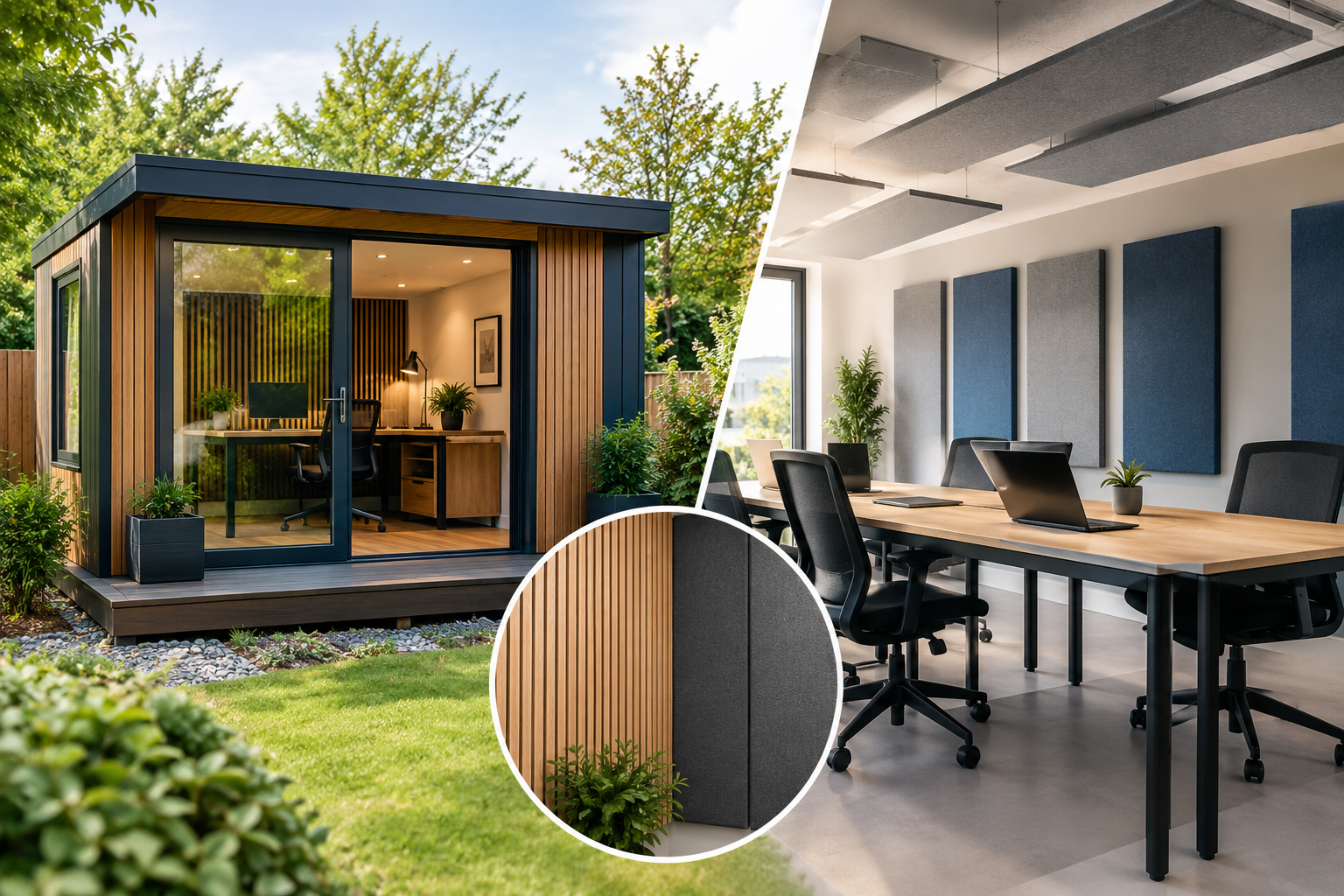
Modern buildings need to do more than provide shelter. They must support changing lifestyles, flexible working arrangements, and comfortable environments where people can live and work productively. However, limited space and unwanted noise are two common challenges facing homeowners and businesses.
Fortunately, modern construction solutions make it easier to address both problems without undertaking major structural changes. From creating additional outdoor workspaces to improving indoor sound quality, carefully selected building products can transform how a property is used. Garden pods, acoustic treatments and soundproofing materials are becoming increasingly valuable options for more practical and comfortable spaces.
Creating Additional Space Without Extending Your Home
Adding another room to a property does not always require a traditional extension. Building work inside an existing home can be expensive, disruptive, and time-consuming. For homeowners with available outdoor space, a separate garden building offers a practical alternative.
A well-designed outdoor structure can serve several purposes, including:
- A dedicated home office for remote workers.
- A private studio for creative projects.
- A garden gym or relaxation room.
- Additional space for hobbies and personal activities.
- A quiet area for meetings and professional work.
These structures also provide greater separation between domestic and professional life, which is particularly useful for people working from home.
Why Garden Pods Are Becoming Popular
A garden pod provides a compact and versatile way to introduce functional space without significantly changing the main property. Unlike a traditional garden shed, a properly designed pod can include insulation, electrical installations, suitable lighting, and comfortable interior finishes.
For businesses, garden pods can also provide additional meeting or working areas when existing office space is limited. Their relatively compact footprint makes them suitable for properties where a conventional extension would be difficult.
Before installing one, consider the following factors:
- Insulation: Choose suitable wall, floor, and roof insulation for year-round use.
- Foundations: Ensure the ground is stable and appropriate for the structure.
- Ventilation: Allow sufficient airflow to maintain a comfortable indoor environment.
- Lighting: Make the most of natural daylight while providing suitable artificial lighting.
- Planning: Check applicable permitted development rights and local planning requirements.
If you are considering a separate outdoor workspace, explore a garden pod designed around your available space and intended use.
Improving Indoor Comfort Through Better Acoustic Design
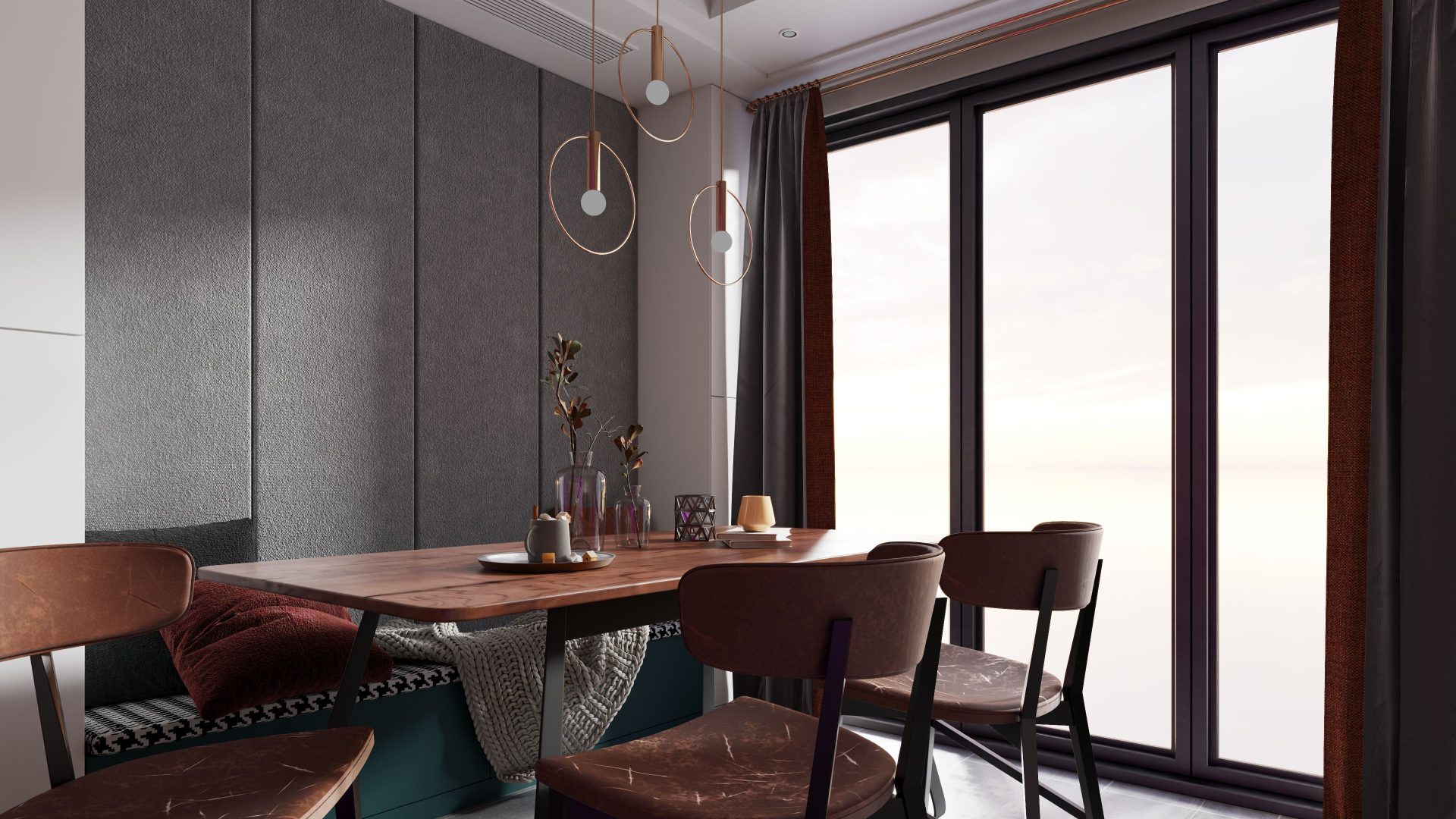
Creating additional space is only part of the equation. The quality of the indoor environment also matters, particularly when noise affects concentration, communication and everyday comfort.
Open-plan offices, busy commercial buildings and rooms with hard surfaces can experience excessive reverberation. Conversations, footsteps and equipment noise may bounce around the room, making it difficult to concentrate or communicate clearly.
This is where acoustic design becomes important. Rather than relying entirely on conventional decoration, property owners can introduce materials specifically designed to absorb sound and reduce unwanted reflections.
How Acoustic Panels Improve Interior Spaces
Acoustic panels are designed to absorb sound energy, helping reduce echo and reverberation within a room. They are particularly useful in offices, meeting rooms, classrooms, restaurants and other shared environments.
Depending on the material and installation, these panels can also become an attractive design feature. Fabric finishes, decorative patterns and different colours allow them to complement existing interiors.
Some practical applications include:
- Installing wall panels in meeting rooms to improve speech clarity.
- Adding ceiling treatments to large commercial interiors.
- Using decorative panels in restaurants to create a more comfortable atmosphere.
- Improving sound quality in home offices and creative studios.
- Treating classrooms and shared learning environments to reduce echo.
For businesses planning an interior upgrade, explore modern acoustic panels that combine sound absorption with contemporary interior design.
Choosing the Right Acoustic Treatment
Not every room has the same acoustic requirements. A small home office may only need treatment on selected wall surfaces, while a large conference room could benefit from a combination of wall and ceiling solutions.
Before selecting products, consider:
- The size and shape of the room.
- The number of people using the space.
- The amount of hard and reflective surfaces.
- The main source of unwanted noise.
- The desired appearance and installation requirements.
A well-planned approach can improve acoustic comfort without compromising the overall design.
Reducing Unwanted Noise with Soundproof Wall Panels

Although acoustic treatment improves sound quality within a room, some environments also require better control of noise travelling between spaces.
This is particularly important in residential properties, shared offices, educational buildings and commercial premises. Noise passing through walls can interrupt meetings, disturb occupants and reduce privacy.
Soundproof wall panels and other sound-control systems can form part of a wider strategy to address these problems. However, it is important to understand the difference between sound absorption and sound insulation.
Acoustic panels generally reduce reflections inside a room, whereas soundproofing focuses on limiting sound transmission through building structures. Effective sound insulation often requires a combination of suitable wall construction, sealing gaps, insulation materials and other building components.
Where Soundproofing Can Make a Difference
Different properties have different noise-control requirements. For example:
- Home offices: Reduce distractions from adjoining living areas.
- Meeting rooms: Improve privacy during confidential discussions.
- Residential properties: Help limit noise travelling between neighbouring rooms.
- Commercial buildings: Create quieter environments for focused work.
- Studios: Support better control over sound transmission and recording conditions.
When planning an upgrade, consider suitable soundproof wall panels alongside other sound-insulation measures to achieve a solution appropriate for the building.
Combining Space Creation with Noise Reduction
One of the biggest advantages of modern building solutions is the opportunity to address multiple property challenges together.
For example, a homeowner installing a garden office can consider insulation, ventilation and acoustic performance during the initial design stage. This can help create a comfortable workspace rather than simply adding another structure to the property.
Similarly, businesses refurbishing existing offices can combine flexible layouts with acoustic improvements. Creating designated quiet areas, adding private meeting spaces, and treating reflective surfaces can noticeably improve everyday working conditions.
For further ideas, explore these related construction guides:
- Insulated Garden Rooms vs Garden Office Pods
- Workplace Wellbeing: Designing Office Spaces with Acoustic Products
- Modern Office Construction
These approaches demonstrate how thoughtful planning can improve both the functionality and comfort of modern buildings.
Practical Tips for Choosing Modern Building Solutions
Before investing in additional space or acoustic improvements, take time to assess the property’s requirements.
Start with the main problem: Decide whether you need more usable space, better privacy, reduced echo, or improved sound insulation.
Set a realistic budget: Compare installation costs, material quality and long-term maintenance requirements.
Prioritise performance: Look beyond appearance and check insulation specifications, acoustic ratings and product suitability.
Plan for future use: Choose adaptable spaces and materials that can accommodate changing household or business needs.
Use experienced installers: Professional advice can help avoid installation problems and ensure the selected products perform as intended.
Common Mistakes to Avoid
One common mistake is assuming that every acoustic product provides complete soundproofing. Sound-absorbing panels can reduce echo, but they do not automatically prevent sound from passing through walls.
Another issue is overlooking insulation and ventilation when constructing garden buildings. A poorly insulated structure may become uncomfortable during colder months or warmer weather.
Finally, choosing products based only on appearance can lead to disappointing results. Always consider the building’s practical requirements alongside its visual design.
Conclusion
Modern building solutions offer practical ways to make properties more functional without relying on major renovations. Garden pods provide additional space for work and leisure, while acoustic ceiling panels help improve indoor sound quality, and soundproofing systems address unwanted noise transmission.
By considering space, comfort, and acoustic performance together, homeowners and businesses can create environments that better support modern living and working. Careful planning, suitable materials, and professional installation can make these improvements a worthwhile long-term investment.





