Finding the perfect heating system for your home is merely the first step in achieving year-round comfort. Proper installation is crucial to ensure efficiency, safety, and longevity. Our comprehensive step-by-step guide to heating system installation is designed for homeowners seeking clarity amidst the complexities of central heating solutions. Whether you’re upgrading an outdated system or installing new, this guide offers practical insights, considerations, and expert tips to seamlessly transition from purchase to power-up. Dive in to discover tailored advice on choosing the right system, understanding installation options, and maximizing your investment for a cozy, energy-efficient home.
Brief Overview
Finding and installing the right heating system involves considering options like central heating, heat pumps, and assessing costs before installation. Central heating systems, including gas and electric options, offer diverse features suited for different homes, while heat pumps provide energy efficiency with environmental benefits. Understanding installation costs helps in making savvy financial decisions, and comparing quotes from reputable dealers ensures value for money. Proper planning and clear expectations on installation day ease the transition, while seamless integration post-installation ensures lasting efficiency. Professional advice and resources further aid in optimizing energy use, securing long-term comfort and savings.
Key Highlights
- Choosing the right heating system entails understanding options like central heating, heat pumps, and traditional boilers.
- Central heating systems utilize gas, electric, or oil, offering efficient, controlled home warmth.
- Heat pumps are efficient and sustainable, offering high performance even in lower temperatures.
- Installation costs vary by system complexity and existing home infrastructure, influencing overall value.
- Strategic quote comparisons from multiple dealers ensure competitive pricing and quality service.
Understanding Your Heating System Options
Choosing the right heating system can be daunting, but understanding your options makes it easier. Different homes and needs demand unique solutions, and factors like energy efficiency, installation costs, and space influence your choice. Whether considering central heating, an efficient heat pump, or traditional boilers, knowledge will guide you in making informed decisions. Explore various systems and assess what fits your home to ensure long-term satisfaction and warmth. We’ll delve into central heating systems and highlight the appeal of heat pumps, offering insights and comparisons to simplify your decision on what to install.
Exploring Types of Central Heating Solutions
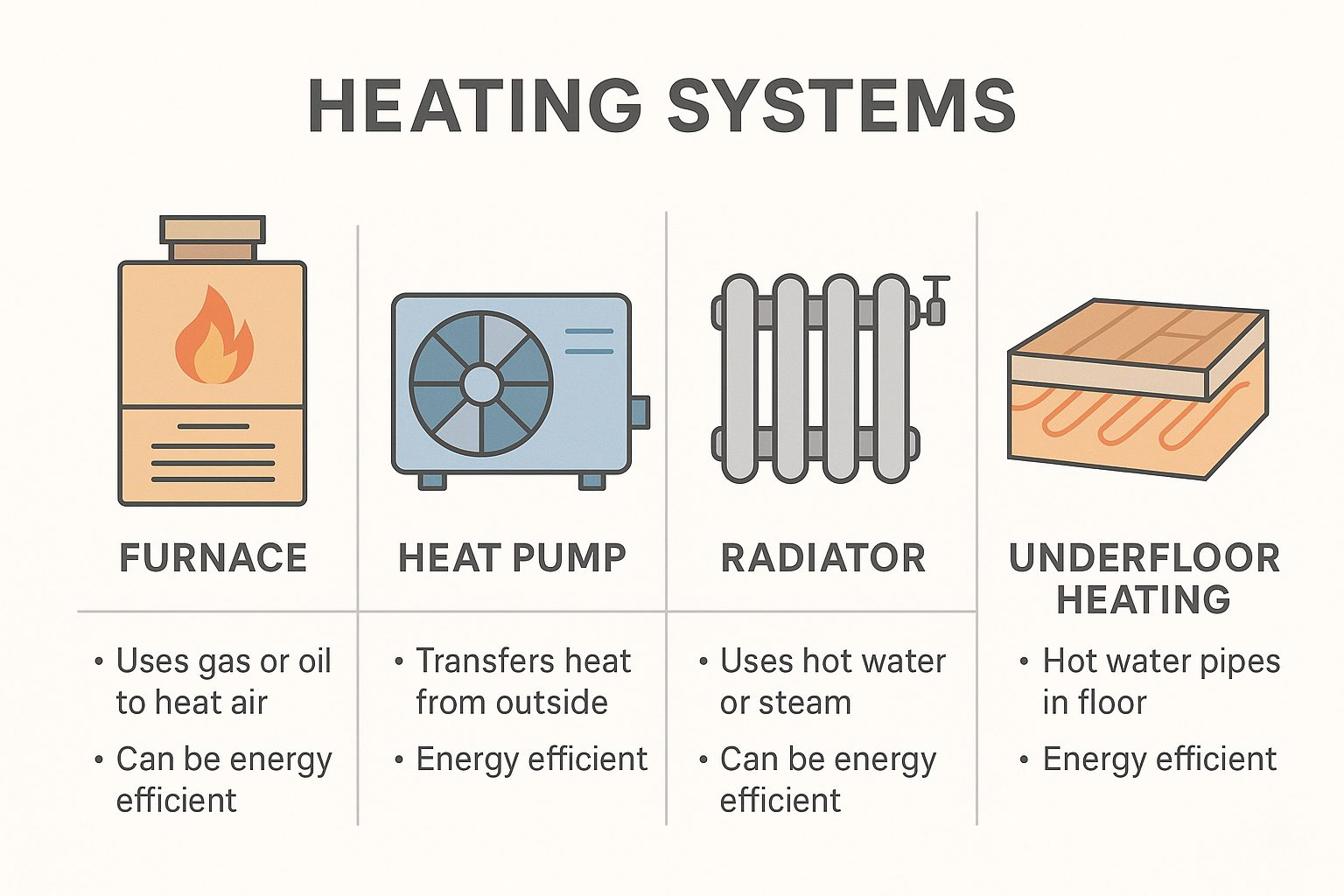
Central heating systems are a common choice, offering a centralized method of warming your home. These systems typically work by distributing heat through radiators or underfloor networks connected to a boiler. With options like gas, electric heating, and oil-fired central heating to consider, it’s crucial to evaluate what suits your home. Gas central heating often emerges as a preferred option due to its efficiency and low running costs. This setup involves a combination of a boiler, radiators, and thermostatic controls that allow precise regulation of heat across different spaces in the home. Electric heating, meanwhile, provides a flexible solution for homes without a gas supply, often featuring individual thermostats for each unit, adding a desirable level of custom comfort. Exploring the different types of boilers also becomes essential. Combi boilers, which provide instant hot water and heating, are particularly efficient and space-saving, making them suitable for smaller homes. Conversely, conventional boilers, requiring more space for a separate hot water cylinder and a loft tank, can be advantageous for larger properties with significant hot water needs. Lastly, system boilers offer a middle ground. While requiring a hot water cylinder, they don’t need a loft tank, proving efficient for homes with multiple bathrooms. It’s equally vital to consider the energy efficiency of these systems. Modern boilers and central heating setups are designed with energy-saving measures that not only reduce running costs but also lower your carbon footprint. Many systems now incorporate smart technology, enabling remote control via smartphones for optimizing energy usage, thus ensuring the comfort of a warm home without unnecessary expenditure. When you install such systems, always check the energy rating and look for grants or incentives that might be available to offset initial costs. Moreover, integrating additional components like smart thermostats enhances the efficiency of your central heating. These devices intuitively learn your routines, adjusting the temperature accordingly and even allowing you to control your heating from afar. By doing so, you achieve optimal comfort levels and reduce energy consumption. Lastly, regular maintenance of central heating systems is critical. Ensure your radiators are bled properly and that your boiler is serviced annually to maintain efficiency and safety. This proactive approach will prolong the system’s lifespan, protecting your investment and ensuring consistent performance.
Assessing the Benefits of a Heat Pump
Heat pumps present an innovative alternative to traditional heating systems, using a different approach to heat homes efficiently. Unlike conventional central heating, heat pumps transfer heat from outside to inside your home, working effectively even in lower temperatures. Their appeal lies in their efficiency and sustainability, making them a bold choice for eco-conscious homeowners. Heat pumps primarily come in two forms: air-to-water and ground-source. The air-to-water pump is the most popular due to its ease of installation, typically connecting to your existing radiator or underfloor heating system. As they extract heat from the environment, they lower the dependency on fossil fuels, offering a cleaner, energy-efficient solution. Ground-source pumps, while more complex and costly to install, offer superior efficiency levels year-round by harnessing the stable temperatures underground for heating your home and hot water. Performance and environmental impact are considerable advantages of heat pumps. They can achieve up to 300-400% efficiency, meaning they produce three to four units of heat for every unit of electricity consumed. This efficiency translates to significant potential savings on energy bills over time. Besides, the reduced reliance on non-renewable fuels emphasizes a commitment to sustainability. To maximize these benefits, it’s essential to pair heat pumps with a well-insulated home, minimising heat loss and making the overall system more effective. Installing a heat pump might necessitate higher upfront costs compared to traditional systems. However, the long-term savings in reduced energy bills and potential government incentives aimed at promoting renewable technologies can offset these initial expenses. These incentives may include grants or lower VAT rates, making it financially attractive to choose a heat pump. Furthermore, heat pumps offer versatility beyond heating. Many systems can also provide cooling, serving dual purposes in different seasons. This all-year-round utility ensures great value and improved comfort for your home. Regular maintenance, like checking refrigerant levels and ensuring filters are clean, will ensure optimal operation and longevity. Ultimately, whether you select a heat pump or a central heating system depends on weighing factors such as property size, budget, and environmental priorities. Investing the time to understand these options will guide you in making a heating system decision that offers warmth, efficiency, and satisfaction.
Evaluating Installation Price and Value
Understanding the installation costs and what value you derive from it is pivotal when choosing a heating system. The actual cost is more than just the price tag; it encompasses energy efficiency and long-term savings. From determining the initial investment costs involved in a boiler installation to exploring deals with various dealers for the best quote comparison, every decision affects overall value. We delve into the factors influencing costs and how to find reputable installers who offer competitive pricing. This knowledge will empower you to make informed decisions for your home’s heating needs.
Factors Influencing Installation Costs
The price associated with installing a heating system can vary greatly due to a multitude of factors. It’s imperative to first understand that the installation cost is influenced by both the complexity of the system you’re choosing and the existing infrastructure of your home. For instance, opting to install an advanced heating system like a heat pump or a more traditional boiler requires different levels of preparation and adjustment, subsequently impacting the costs. What you decide to install should depend on the scale and layout of your home, as larger homes might necessitate more comprehensive systems which are costlier to install. Additionally, assess the material and labor costs associated with your choice. For example, heat pumps might demand higher upfront installation investment because of the technical know-how required for their setup. Meanwhile, boilers, depending on their type like combi or system boilers, typically have varying installation complexities and thus different price brackets. Always inquire about the energy efficiency ratings of the heating systems you’re considering. Systems with better energy ratings, though potentially pricier upfront, contribute to long-lasting savings through reduced heat and energy consumption costs. Besides these direct costs, consider the indirect aspects like taxation and permits associated with heating installation. Some regions offer tax incentives or rebates for installing energy-efficient appliances, which can potentially reduce the net installation price. Engage with local energy efficiency inspectors or tax advisors to capitalize on these opportunities. Moreover, plan for maintenance costs post-installation as they form a significant part of your overall investment. Regular checks by certified installers protect the efficiency and longevity of your system, ensuring you get the most value for your initial outlay. Always choose systems and installers committed to transparency in pricing that reflect both immediate prices and longer-term savings. This will not only offer peace of mind but ensure that your heating system remains effective, efficient, and continues to serve the purpose for which it was installed.
Finding the Best Dealers for Quote Comparisons
Securing the best deal for your heating installation involves thorough research and strategic quote comparisons. Initially, it’s crucial to identify the key players in your local market, dealers who are known for both competitive pricing and quality service. Start by consulting reviews and ratings, which can offer insightful perspectives from fellow homeowners about their experiences. When meeting potential dealers, whether in-person or online, ensure you discuss not only the current installation prices but also inquire about comprehensive packages that might include maintenance contracts and warranties. These additional offerings can significantly enhance the value of your deal. Dealers often provide varied pricing based on the brands of boilers and systems they offer. Top brands might carry a higher installation price due to their reputation for reliability and efficiency. However, it’s vital to weigh these against possible long-term cost savings on energy bills. Furthermore, involving multiple dealers in your quote-gathering process can uncover discrepancies, sometimes revealing hidden cost advantages or unfavourable terms that you can negotiate. Always request detailed breakdowns of costs within each quote so you can make an informed comparison. Look for dealers who demonstrate a readiness to explain each element of the costs, reinforcing trust and ensuring you’re not overpaying for unnecessary extras. Don’t underestimate the power of referrals either. Recommendations from friends or family who’ve completed a similar installation can be invaluable. They can direct you to dealers who offer both skilled installations and competitive prices. Additionally, look for dealers who are certified installers of the products they offer, adding a layer of assurance about their expertise and reliability. This can often be confirmed via manufacturer websites or industry bodies that accredit heating professionals. Once you’ve narrowed down your options, leverage the collected quotes to have a candid discussion about potential discounts or price matching opportunities. This strategic approach allows you to maximize your investment, ensuring you secure an experienced installer who offers both quality service and a favorable price. Never hesitate to negotiate based on your findings, most dealers are open to discussion to secure business. Ultimately, aligning these insights with your specific home requirements will ensure you find an optimal heating solution tailored to your needs and budget.
Step-by-Step Installation Process
Embarking on a heating system installation is a major undertaking that promises to enhance home comfort significantly. Proper planning and preparing for the installation are essential to avoid unexpected hurdles. Understanding what to expect on installation day helps ensure a smooth transition and highlights efficient collaboration with the engineers. This guide offers a comprehensive view into the detailed steps involved, ensuring you’re fully equipped and ready for each stage of installing your new heating system.
Planning and Preparing for the Installation
Before venturing into the actual installation of a heating system, meticulous planning and preparation are indispensable steps to guarantee success. The process begins with selecting an optimal heating system tailored to your home’s needs, whether it’s gas, electric heating, or even an eco-friendly solar option. Each of these systems has distinct advantages and requirements for install, making the planning phase crucial. Factor in elements such as your home’s layout, existing infrastructure, and long-term energy efficiency goals to determine the most suitable system. Engage with a reputable engineer early in the process, as their expertise will illuminate potential concerns and offer insights on installation costs and timelines. A comprehensive initial consultation should outline the installation cost, covering both materials and labor. These figures can fluctuate based on the intricacies of your chosen system, whether a traditional boiler that aligns with your radiators’ placement or a more sophisticated setup like solar panels or heat pumps. Budgeting for a complete install includes assessing any additional components like hot water cylinders or smart controls that might enhance efficiency. Environmental considerations should also weigh into your planning. Investigating options like solar heating not only reduces the carbon footprint but may also qualify you for government incentives or tax rebates aimed at promoting sustainable installations. Such incentives can drastically offset the upfront installation price, making eco-friendly options more financially attractive. Part of the preparation involves ensuring your home’s insulation is up to standard, as this dramatically influences the overall efficiency and cost-effectiveness of your heating system. Pre-installation checks are another critical aspect of the preparation phase. This includes conducting a thorough survey of the existing setup, identifying any potential obstructions, and ensuring structural readiness for new equipment. An organized approach reduces downtime and prevents installation day surprises. By mapping out each stage in advance, from selecting suppliers to consolidating installation timelines, you set a strong foundation for a seamless heating system install. A well-prepared installation process not only safeguards your investment but also lays the path for sustained home comfort and energy efficiency. Prepare carefully, and you’ll achieve a successful installation that serves your home for years to come.
| Installation Stage | Key Actions | Considerations | Outcome |
| Planning | Conduct site assessmentSelect appropriate system type | Budget constraintsSpace availability | Comprehensive understanding of installation requirements |
| Design | Draft system layoutCalculate energy efficiency | Building regulations complianceFuture scalability | Optimized design plan |
| Installation | Engage qualified techniciansInstall components per specifications | Quality control checksSafety protocols | Successful system setup |
| Testing and Handover | Conduct system testingProvide user training | Ensure system reliabilityComprehensive user documentation | System operational readiness |
This table provides a clear overview of the essential steps and considerations for a successful heating system installation, aiding in informed decision-making and promoting efficiency.
What to Expect on Installation Day
Come installation day, anticipation peaks as your heating system is set to transform your home ambience. With diligent planning complete, it’s essential to know what unfolds as the installation team arrives. Expect a team led by a qualified engineer who orchestrates the day’s tasks, ensuring every installation phase aligns with safety and efficiency standards. Preparation remains key; clear any obstacles and ensure unhindered access to the installation sites, whether installing traditional radiators, hot water systems, or state-of-the-art heat pumps. Upon their arrival, installers conduct a final check of the premises. This involves cross-verifying previously gathered data on space dimensions and structural readiness, ensuring compatibility with the heating system components you’ve chosen to install. Safety is paramount, so expect rigorous adherence to protocols, especially with gas installations where precision is non-negotiable for ensuring leak-free connections and system reliability. The installation process commences systematically, often beginning with situating primary components like the boiler or heating units. This involves careful placement to optimize heat distribution efficiency and accessibility for future maintenance. Electric heating setups may entail intricate electrical configuration, requiring seasoned electricians to ensure compliance with all safety regulations. Meanwhile, complex setups like solar panels or ground-source heat pumps might extend beyond a single day, demanding patience as engineers execute precision-based tasks to install. Frequent communication between you and the installation team ensures transparency throughout the day. Addressing any queries or concerns promptly fosters confidence in the process, emphasized by the team’s readiness to explain their methodologies step-by-step. Knowing the installation cost beforehand prepares you for potential adjustments should unforeseen complications arise; however, a competent team anticipates most challenges, effectively minimizing unexpected deviations. As the day concludes, system testing becomes crucial, comprising rigorous assessments to assure peak functionality. Expect comprehensive checks that involve system trial runs, pressure tests for water-based systems, and confirmatory energy performance assessments. During this phase, you’ll receive a demonstration of the system’s operations, including basic troubleshooting procedures. The final handover involves receiving documentation related to the installation, including warranties and future maintenance schedules, key instruments that secure your heating system’s longevity and optimal performance. The journey culminates as your home welcomes the warmth and efficiency promised by your new heating system, a testament to meticulous planning, skilled execution, and a seamless collaboration with professional installers.
Post-Installation Considerations
After successfully installing your new heating system, the next step involves addressing the post-installation considerations. This phase ensures your system integrates seamlessly into your existing heating network and operates at optimum efficiency. You need to focus on integrating your system into the heating network efficiently, ensuring the heating and hot water functions are synchronized with your current setup. Such integration will guarantee that you maximize your system’s benefits while maintaining a sustainable and comfortable home environment. Navigating these considerations wisely will secure your investment’s long-term value and performance.
Integrating Your System into the Heating Network
Integrating your new heating system into the existing heating network demands a careful approach to ensure seamless functionality. Whether you’ve upgraded to a modern boiler or opted for a system tailored for hot water needs, the ultimate goal is achieving harmony between new and existing components. This integration process isn’t just about physically connecting pipes and wires; it’s about ensuring the whole system operates smoothly and efficiently. One of the primary tasks in this post-installation phase is calibrating the system for optimal performance. Begin by thoroughly reviewing the system’s manual with your engineer, identifying critical integration points within your heating network. The key here is to guarantee that the new system’s output aligns perfectly with the current network requirements. This is particularly crucial if your setup includes components like hot water tanks or advanced smart technologies. Pay close attention to the hot water integration. A mismatched system can lead to unnecessary energy consumption and reduced efficacy. Your engineer should focus on synchronizing the hot water flow, ensuring the boiler or heat pump delivers adequate pressure and temperature across all outlets. If your system supports smart thermostats, their configuration will be pivotal. These devices allow refined control over heating schedules and temperature settings, delivering efficiency and comfort. Integrating them with your new setup ensures that energy savings are maximized through intelligent heat management. Another facet of this process is ensuring compatibility of the new addition with existing controls and sensors. Most modern systems support enhanced functionalities like remote monitoring and optimization via apps, which offer real-time data and control over your heating. By leveraging these features, you can gain detailed insights into energy usage patterns, creating opportunities for further efficiency improvements and cost reductions. When integrating the system, consider the possibility of upgrading your current network infrastructure if it shows signs of wear or inefficiency. Old pipes may need reinforcement, particularly if you’ve switched to a higher-capacity boiler or added components for extensive hot water needs. It’s also worth evaluating any gas line extensions or modifications needed. Engage with professionals who can assess and suggest any necessary upgrades for sustained system health. Upon completion of the immediate post-installation adjustments, schedule a check-up after a few weeks of operation. This follow-up ensures any initial issues are addressed promptly. Regular checks and maintenance should be part of your commitment to system efficiency. Think of this process as safeguarding your long-term investment, ensuring warmth and efficiency while reducing unexpected breakdowns or performance issues. Ultimately, integrating a new heating system into your existing network enriches your home’s comfort landscape, transforming how heat and hot water serve daily needs. With careful planning and execution, bolstered by professional expertise, you unlock a realm of energy-efficient solutions that not only meet today’s requirements but adapt to future demands as well. Engage actively with your engineers and installers during this phase, your proactive involvement is key to achieving a seamless, cohesive heating solution tailored to enhance both comfort and efficiency in your space.
To continue enhancing your heating network integration, consider these key factors for a smooth and efficient system transition:
- Assess your current insulation levels to ensure maximum heat retention and efficiency.
- Explore eco-friendly energy sources to complement your heating system for reduced environmental impact and cost.
- Schedule regular professional inspections to maintain system health and address issues early.
- Consider adopting zone-based heating to customize warmth preferences in different areas of your home.
- Ensure compatibility of any new smart devices with your full heating network for optimal control.
- Re-evaluate energy tariffs to find more cost-effective options that align with system usage.
- Document all integration steps and results for future reference and maintenance planning.
These tips will enhance your heating integration, ensuring efficiency, comfort, and sustainability in your home environment.
Investing time in understanding the heating system installation process empowers you to make informed decisions, ensuring efficiency and longevity of your chosen system. By following this guide, you not only foster a safe and reliable home environment but also optimize energy use, translating into long-term savings. Remember, professional consultation remains indispensable for complex installations. For more detailed assistance and downloadable guides, explore our resources section. With the right approach, you can enjoy a warm, efficient, and cozy home through every season.
Frequently Asked Questions (FAQs)
What factors should I consider when choosing a heating system for my home?
When selecting a heating system, consider factors like energy efficiency, installation costs, space availability, and your home’s specific needs. Options include central heating, heat pumps, and traditional boilers. Tailor your choice to maximize long-term satisfaction and energy savings.
What are the key differences between central heating systems and heat pumps?
Central heating systems distribute heat via radiators or underfloor networks, using gas, electric, or oil. Heat pumps, however, transfer heat from outside to inside, offering high energy efficiency and sustainability.
How do installation costs impact my choice of a heating system?
Installation costs vary based on system complexity and existing home infrastructure. Understanding these costs helps in making financially savvy decisions and comparing quotes from reputable dealers for quality service and competitive pricing.
How can I ensure the efficient integration of my new heating system?
Efficient integration involves calibrating the system for optimal performance, ensuring compatibility with existing controls, and possibly enhancing network infrastructure. Professional guidance is crucial for achieving seamless functionality.
What post-installation considerations should I keep in mind for my heating system?
Post-installation, focus on system integration into your existing network, ensuring maintenance schedules are established, and leveraging smart technology for optimized energy use. This secures the system’s long-term value and performance.