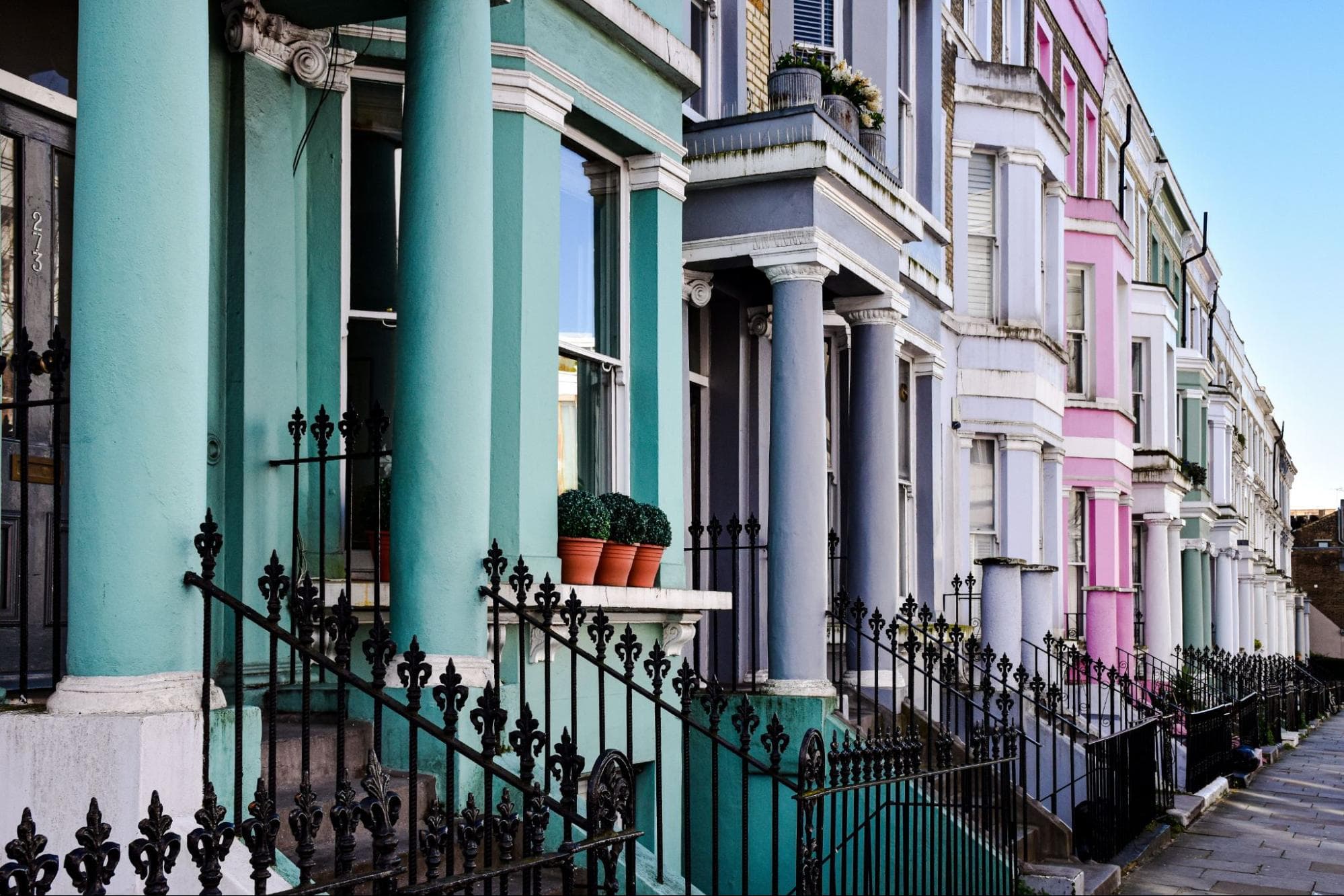
UK housebuilders now use CGI for planning, design reviews, site boards, and real estate presale campaigns. But 3D rendering pricing is difficult to compare because the same brief can be treated as per-image pricing, a package, or a custom quote. The right pricing model depends on the project scope, intended use, and project deadlines. A single-family home may need one image for regulatory approval, while an apartment building may require multiple images, still images, a virtual tour, and investor presentations. The latest Scottish statistics recorded 17,336 new-home completions and 14,999 starts in 2025, showing the scale of the market even during a slower year. Builders should compare public price ranges, revision rules, and deliverables, not just the headline rendering price. 3d product rendering cost is a separate category. How much renderings cost depends on defined deliverables. House rendering cost should include site and landscaping. Rendering company fees may split modeling and production. Architectural visualization services may cover planning and marketing assets. Rates in developed countries reflect local labor and business costs.
1. Per-image work suits small projects with stable drawings and a limited number of camera angles.
2. Tiered packages offer a fixed price for defined outputs and can include volume discounts on larger projects.
3. Scope-based quotes reflect project complexity, urgency, and any custom modeling needed for a large-scale project.
4. Value-add deliverables such as virtual reality, floor plans, and animation create additional costs but may strengthen sales and approvals.
Agency 1: Cylind Studio – 3D Rendering Pricing for Fixed and Custom Visual Packages
Cylind publishes a detailed 2026 guide rather than one universal rate. Its stated average cost of 3d rendering varies by use: residential exteriors are typically $1,000-$3,000 per image, interiors $800-$1,800, floor plans $600-$1,200, and aerial views $1,500-$4,000. Prices differ even for one rendered image. A house exterior with a simple site sits below a scene that includes custom furniture, high-end materials, and a detailed surrounding landscape. Cylind also places animation and VR on separate production tiers because they require more computational resources and rendering time. The studio is suited to architectural projects where high-quality rendering, consistent render quality, and visual storytelling matter more than choosing the lowest rate. Its guide gives builders a practical starting point, but an accurate quote still requires complete project details.
Transparent Pricing and Scalable Deliverables for UK Developers
Cylind’s guide shows how the main factors behind cost interact. Geometry, lighting complexity, output resolution, and post-processing can all influence cost. So can creating custom objects, supplying weak reference images, or requesting significant changes after approval. Clear mood boards, texture samples, and material specifications help the team work efficiently and protect the design intent. The rendering process becomes more predictable when the builder confirms how much detail is needed before production begins. That can reduce costs, avoid hidden costs, and help teams budget confidently. Cylind also describes hourly, per-image, and project-based structures. Hourly pricing works for evolving tasks, while an average hourly rate is less useful when the project combines many formats. For complex projects, a package may offer a more reasonable price because shared assets are reused across views. Several coordinated views can become high-quality visualizations for a full campaign. Interior designers should approve finishes before final production. Late geometry requests, even changes such as smooth corners, may require new rendering passes.
Agency 2: Real Render UK – Published Rates for Residential Projects
Real Render publishes one of the clearest UK rate cards reviewed for this article. Its January 2026 estimates list residential exterior and interior images at about £450, floor plans at £250, and 360 VR at £600. Commercial work is quoted individually. The company says standard stills are delivered at 2560 x 1440 pixels and that minor adjustments are often included, although major changes to footprint or scope may be charged. This pricing structure is easy to understand for builders who want a clear average price before sending a full brief. Larger assignments can be billed in phases, and the company says it generally avoids collecting payment in advance. That approach may help cash flow on commercial projects. The final cost of a project still depends on complexity and input quality, but the published figures make it easier to compare the overall cost against other professional studios.
Agency 3: 3D Lines UK – Quote-Based Work for Individual Views
3D Lines promotes cost-effective architectural visualization, property CGI, animation, product work, and virtual staging. Its public pages do not show a fixed 2026 rate card, so builders should request a quote instead of assuming a low universal price of rendering. The studio can still fit a per-view buying approach when a contractor needs one exterior hero shot or a small set of planning visuals. A useful brief should state the project type, architectural style, target detail level, and whether the visual is for sales or planning. It should also explain whether basic style planning is enough or whether the team needs high-end renderings. Clear files let skilled artists avoid rebuilding geometry and may lead to a lower cost. 3D Lines also offers walkthroughs and product visualization, so not all renderings should be compared in the same way.
Agency 4: Holland Preconstruction – Fixed-Tier Modelling Packages
Holland Preconstruction uses a published tier system. Its residential Basic Model is £149.99 plus VAT for external massing. The Standard Model is £299.99 plus VAT and adds a basic interior, materials, and landscaping. The Detailed Presentation Model is £499.99 plus VAT and includes internal layout, materials, and lighting. The company states that these packages include up to three high-resolution rendered views and a five-to-seven-working-day turnaround time. Light commercial work starts at £449.99 plus VAT, while mid-sized commercial packages are £749.99 plus VAT. This model is useful when a builder wants competitive pricing and a defined final image set. It can also help teams save money if the model supports design review and take-off planning in the construction process. Optional floor plans, walkthroughs, and site context work can have a significant impact on the total, so they should be confirmed before appointment.
Agency 5: Nine Alfa – Scope-Based Quotes for Multi-Unit Estates
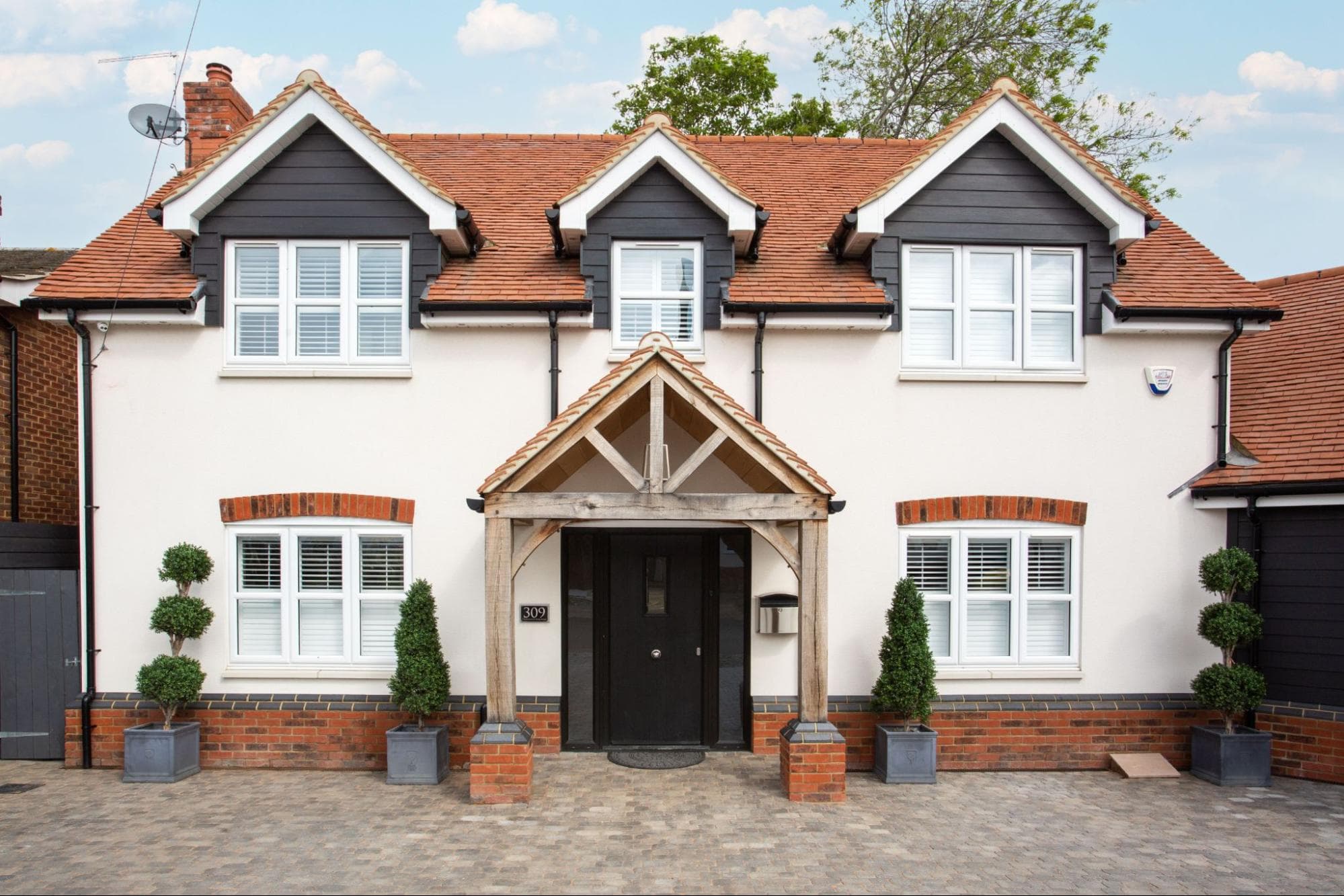
Nine Alfa does not publish flat 3d rendering prices. It prepares custom quotes based on urgency, model complexity, the quality of the brief, use of ready-made assets, and revision requests. That model suits a multi-parcel estate where rigid image rates can hide the effort needed to build roads, landscape, and repeated house types. It also suits major design work that may change during planning. Nine Alfa states that minor object, colour, or finish changes are part of the normal workflow, while larger changes to proportions, shape, or materials are treated as new scope. This makes the review process important. Builders should plan ahead, separate optional views, and lock the base model before requesting more detail. The company’s custom approach may be efficient for most projects with clear milestones, but tight deadlines and complex scenes will raise the final price.
Agency 6: Omegarender – Custom Quotes for High-Volume Visual Sets
Omegarender provides interior and exterior CGI, animation, virtual tours, panoramas, product visualization, and high-poly modeling. Its official site does not display a public UK per-view rate card, so the safest assumption is a custom quote based on scope. That works for architectural rendering firms and volume housebuilders that need a consistent set across a development rather than a single standalone image. Shared environments can keep the same level of quality across plots and may support better asset reuse. But prices vary depending on the number of views, premium finishes, asset creation, and the required art direction. A builder should ask whether the quote covers modeling, revisions, final rendering, and delivery sizes. It should also confirm whether the rendering project includes aerials or animation. For a fast launch, an instant estimate may help early planning, but a full brief is needed before committing the total fee.
Conclusion: Selecting the Right Visualisation Partner for UK Housebuilding
Public rates provide useful benchmarks, but they do not make every provider directly comparable. Real Render and Holland Preconstruction give builders clear starting numbers. Cylind publishes broader market ranges and explains the factors involved. Nine Alfa uses detailed scope-based quoting, while 3D Lines and Omegarender require direct proposals for current rates. The best choice depends on architectural design, quality expectations, urgency, and whether the job supports planning, regulatory bodies, or sales. Builders should define the final result, revision limits, and delivery format before comparing bids. They should also decide whether a single view is enough or whether the campaign needs an immersive tour and several viewpoints. This discipline helps avoid surprise fees and keeps the visual package aligned with the development budget. For the next project, collect drawings early, confirm the intended use, and compare like with like. That is the practical way to manage 3d rendering pricing.