The UK construction industry has always balanced a proud architectural heritage with the need to innovate. From classic Georgian townhouses to cutting-edge smart buildings, precision, visual communication, and efficiency are the lifeblood of successful projects. In the last decade, one technology has profoundly reshaped how British architects, developers, and contractors work 3D rendering.
This isn’t just about making pretty pictures. Today’s visualization tools play a key role in planning permissions, client communication, marketing, and even cost control. Let’s explore how realistic 3D visuals are becoming indispensable for every stakeholder in the UK built-environment sector.
1. From Blueprints to Immersive Visuals
Traditional 2D plans or CAD drawings often fail to convey the spatial relationships and atmosphere of a future building. Even experienced professionals can interpret the same plan differently, leading to confusion or design mismatches down the line.
That’s where a professional 3d rendering company like ArchiCGI comes in. Using tools such as 3ds Max, Corona Renderer, and Unreal Engine, specialists transform architectural data into photoreal images and animations that show exactly how the finished project will look in daylight, at dusk, or surrounded by landscaping.
Clients can walk through a property virtually, see materials and finishes in context, and make faster, more confident decisions. This not only saves time but also reduces rework and costly misunderstandings.
2. Enhancing Planning Applications and Stakeholder Buy-in
For many UK projects, particularly those in conservation areas or under local-authority scrutiny, visual presentation can make or break an application. Councils and community boards respond much more positively to 3D renderings than to technical plans.
Developers increasingly rely on exterior CGIs and flythrough animations to demonstrate compliance with aesthetic and environmental standards. These visuals help highlight how the building integrates with the streetscape or preserves key sightlines.
As a result, 3D rendering isn’t just a design tool it’s a communication strategy that smooths collaboration among architects, planners, engineers, and the public.
3. Marketing Off-Plan Developments
The UK property market is highly competitive, especially in London, Manchester, and Birmingham. Selling or leasing units before construction finishes is now standard practice.
High-quality renderings and animations allow developers to pre-sell homes, offices, or retail spaces months (or years) before completion. With virtual tours and lifestyle imagery, marketing teams can evoke emotion helping potential buyers picture themselves in the space.
This is particularly powerful for Build-to-Rent and Residential Development sectors, where photoreal visuals of interiors, amenities, and shared gardens increase perceived value and help attract investors.
4. Cost Efficiency and Sustainable Decision-Making
Beyond aesthetics, 3D rendering supports better decision-making throughout the construction process. Design variations can be visualised quickly comparing façade materials, lighting setups, or landscaping options without spending on physical prototypes.
In sustainability-driven projects, renderings can simulate daylight exposure or material reflectivity, helping meet BREEAM and LEED standards. This predictive capability cuts waste and supports the government’s Net Zero goals.
By reducing late-stage design changes, renderings can significantly lower project costs. That’s why many QS firms now include visualisation deliverables in their early feasibility studies.
5. Bridging In-House and Outsourced Expertise
While some large practices maintain internal 3D teams, many small and mid-sized studios find outsourcing far more efficient. A reliable 3d rendering company offers scalability handling everything from one-off visuals to full-scale animation campaigns without overloading internal staff.
Outsourced teams also bring artistic and technical expertise that’s hard to sustain in-house. They follow the architect’s direction while optimising scenes for realism: correct lens settings, natural light distribution, and balanced composition.
Collaborating through cloud platforms, teams exchange comments, mark-ups, and updated models seamlessly an especially valuable workflow for hybrid or remote UK design offices.
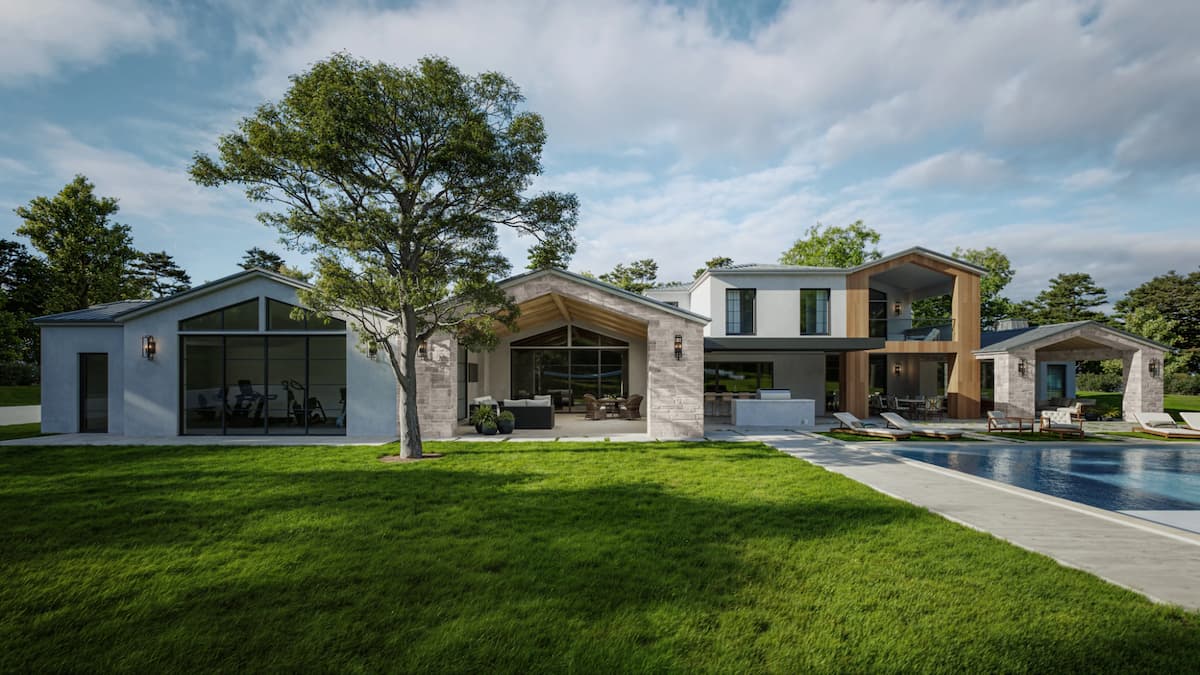
6. Bringing Interiors to Life
For interior designers, retailers, and hospitality brands, rendering provides a sandbox for creativity. Whether visualising a luxury hotel suite in Mayfair or a co-working hub in Leeds, renderers can test lighting moods, furniture layouts, and décor styles before a single wall is painted.
3D visualization also accelerates approval cycles with corporate clients or franchisors who require strict brand consistency. Designers can present full sets of moodboards, materials, and renders that align perfectly with real-world manufacturing.
7. CGI in Public Infrastructure and Urban Planning
Infrastructure and civic projects across the UK from transport hubs to regeneration schemes rely heavily on clear public communication. Local councils increasingly use 3D models and flythroughs during consultations to help citizens visualise how projects will affect their environment.
For instance, Transport for London and HS2 have used rendering and animation extensively to show new station layouts and tunnel portals. These tools build transparency and trust, turning abstract plans into understandable visual narratives.
8. AR, VR, and the Future of Construction Visualization
The next evolution of rendering lies in real-time and immersive technologies. Augmented Reality (AR) allows engineers to overlay virtual elements on live construction sites using tablets or smart glasses. Virtual Reality (VR), meanwhile, lets clients explore unbuilt spaces at 1:1 scale before sign-off.
Many forward-thinking studios are blending static photorealism with interactive content, creating configurators where users change materials or furniture live. These innovations shorten approval loops and make visualisation a core part of the design-build process rather than a final-stage afterthought.
9. Why Quality Still Matters
In a world of AI-generated imagery and low-cost software, quality and accuracy have never been more critical. Developers can instantly spot when a render feels “off” inconsistent shadows, incorrect materials, or unrealistic perspectives can undermine credibility.
Professional rendering companies like 3d rendering company ArchiCGI invest in skilled artists, calibrated lighting workflows, and physically accurate textures to achieve results indistinguishable from photography. That attention to realism directly impacts marketing success and client confidence.
10. The Competitive Advantage for UK Firms
By integrating 3D rendering into every stage concept design, planning, stakeholder presentation, and marketing UK construction and architecture firms gain a tangible edge. They deliver faster approvals, more efficient coordination, and stronger brand presence.
Moreover, as sustainability standards tighten and clients demand transparency, visualisation becomes a universal language that bridges technical detail and emotional storytelling. It allows every participant from structural engineer to homebuyer to see the same vision clearly.
Final Thoughts
The construction landscape in the UK is evolving rapidly. Digital twins, BIM integration, and immersive visualization are reshaping how projects are conceived and delivered. Within this ecosystem, 3D rendering is no longer optional it’s fundamental.
Whether you’re developing a residential complex in Surrey or revitalising an industrial site in Manchester, partnering with an experienced 3d rendering company ensures your ideas are communicated vividly and accurately. High-quality visuals don’t just decorate presentations they drive real business outcomes, turning blueprints into belief and designs into reality.