Rising damp remains one of the most common and damaging moisture problems in buildings. It occurs when moisture travels upward through porous materials like brick or mortar, threatening the structural integrity and indoor air quality. Preventing rising damp in 2026 relies on modern damp-proofing methods that combine proven barriers with advanced materials and diagnostic techniques.

Builders need to be aware of the latest solutions that not only block moisture but also address underlying causes effectively. These include chemical damp-proof courses, mechanical barriers, and innovative treatments that ensure long-term protection against moisture ingress. Understanding how to apply these methods correctly is essential to avoid costly repairs and maintain property value.
As technologies improve, addressing rising damp goes beyond simple patch fixes. Effective damp-proofing today involves thorough assessment, tailored treatment plans, and sometimes combining multiple approaches to fully protect buildings. This knowledge equips builders with the tools necessary for reliable prevention in any project.
Understanding Rising Damp
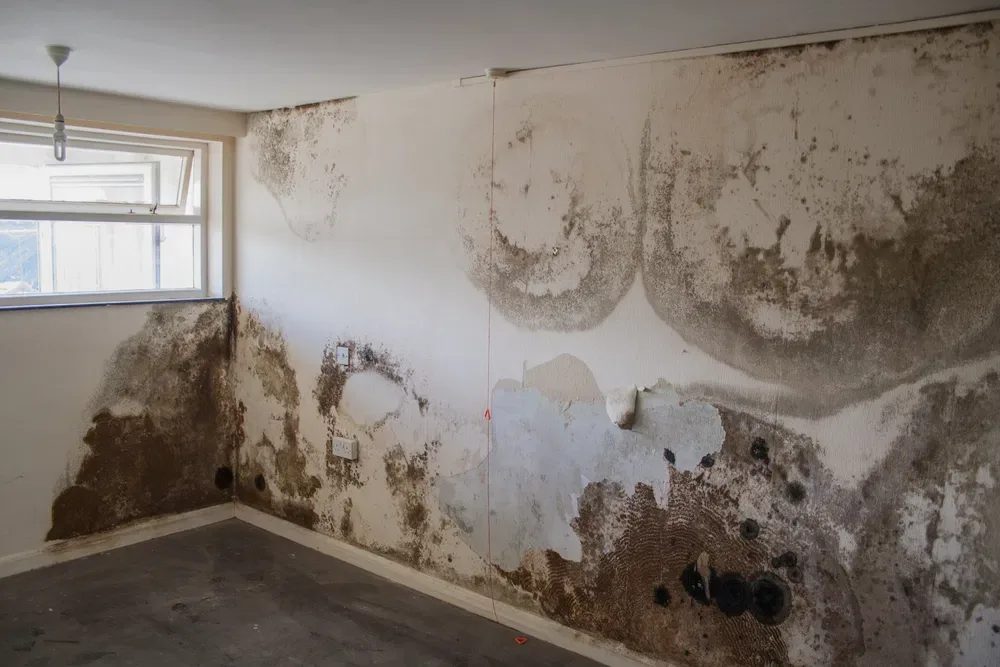
Rising damp occurs when moisture from the ground moves upwards through porous building materials like bricks and mortar. This process can start subtly but causes significant damage if not addressed promptly. Recognising the causes, early signs, and effects of rising damp is crucial for effective prevention and maintenance.
Causes of Rising Damp in Modern Buildings
Rising damp primarily results from groundwater being absorbed into the base of walls through capillary action. Even modern buildings are vulnerable if the original damp-proof course (DPC) is missing, damaged, or installed incorrectly. Materials such as brick, concrete blocks, and stone can draw moisture upwards because they are naturally porous.
Poor site drainage and blocked or damaged gutters may exacerbate moisture penetration. Additionally, ageing building materials and compromised mortar joints increase susceptibility. Builders must ensure durable and properly installed DPCs, use moisture-resistant materials, and maintain drainage systems to limit this risk.
Identifying Early Signs of Damp
Early detection of rising damp is essential to prevent extensive deterioration. Common signs include tide marks, usually visible about 30 to 100 cm above the ground level on internal walls, and peeling paint or wallpaper near the floor. Walls may also feel damp or cold to the touch, and white powdery deposits (salts) can form on surfaces, known as efflorescence.
Builders and homeowners should watch for mould growth in corners close to the floor and musty, damp odours. Using moisture meters can provide an accurate assessment when visual signs are unclear.
Consequences of Unaddressed Moisture
If rising damp is ignored, it can cause structural weaknesses by degrading mortar and bricks over time. Persistent moisture encourages timber rot in wooden elements, undermining integrity. Rising damp also fosters mould and mildew growth, which poses health risks, particularly for individuals with respiratory issues.
Internally, rising damp can cause plaster to crumble, wallpapers to peel, and paint to blister, resulting in costly repairs. Prolonged dampness also lowers the insulation properties of walls, increasing energy costs. Effective damp-proofing prevents these outcomes by protecting both health and property value.
Latest Damp-Proofing Methods for 2026

Builders now have access to more precise and effective tools to prevent rising damp. These methods combine scientific advances with practical application to ensure long-term protection while minimising disruption to existing structures.
Innovative Chemical Damp-Proof Courses
Modern chemical damp-proof courses (DPCs) use advanced formulations that penetrate deep into brick and mortar. These chemicals create a water-repellent barrier, blocking moisture rising through capillary action without compromising breathability. Newer treatments also reduce application time and environmental impact.
These courses can be injected or applied to affected bricks and plaster, where they bond with the materials to form a lasting defence. Many products now include fungicidal and anti-salt agents, safeguarding against mould and efflorescence that often accompany damp walls.
By focusing on compatibility with traditional building materials, these chemical DPCs maintain structural integrity while offering improved durability and ease of installation.
Advanced Membrane Systems
Membrane solutions have evolved from simple barriers to sophisticated physical damp-proof layers. Modern membranes are thin, flexible sheets made from materials such as high-density polyethylene or bitumen composites, designed to intercept moisture before it rises into the structure.
These systems are typically installed during construction or as retrofits in wall cavities or under floors. They serve as both damp and radon barriers, providing a dual function that is increasingly valuable in new builds and renovations.
Key features include UV resistance and chemical stability, ensuring membranes do not degrade over time. Their ease of integration with insulation and structural elements has made them a standard in contemporary damp-proofing practices.
Smart Monitoring Technologies
Building on traditional methods, smart damp-proofing incorporates sensors and IoT technology to monitor moisture levels in real time. These devices detect early signs of rising damp, allowing prompt intervention before visible damage occurs.
Sensors can be embedded within walls or foundations, transmitting data wirelessly to building managers or homeowners. This continuous feedback helps schedule targeted maintenance and reduces costly repairs stemming from untreated damp.
Some systems integrate temperature and humidity readings, providing a fuller picture of environmental conditions impacting moisture. This approach represents a shift towards proactive rather than reactive damp management.
Best Practices for Damp-Proofing Installation
Successful damp-proofing relies on precise preparation, strict regulatory adherence, and thoughtful integration with existing building features. Each of these factors plays a crucial role in securing long-term protection against rising damp.
Correct Site Preparation Techniques
Proper site preparation begins with a thorough assessment of soil moisture, drainage conditions, and any existing damp issues. Surface cleaning and removal of damaged plaster or render are essential to expose the masonry fully before treatment.
Installing a damp proof course (DPC) requires a clean, stable base free from loose debris. The installation area should be dry, ensuring the damp-proof membrane adheres correctly without trapping moisture.
Builders must also consider ground levels and the presence of vegetation, as these can influence moisture movement. Effective drainage solutions, such as French drains or proper grading, help reduce water accumulation near foundations.
Ensuring Compliance with 2026 Building Regulations
The 2026 regulations emphasise sustainable materials and energy efficiency alongside moisture control. Damp-proofing work must follow prescribed standards regarding material performance, installation methods, and documentation.
For example, DPC materials now need to meet stricter durability and environmental criteria, often requiring certification from recognised bodies. Installation must be carried out or supervised by certified professionals to ensure legal compliance.
Builders need to maintain detailed records including product specifications, installation reports, and site conditions. Regulatory bodies may require these documents for inspection, particularly in listed or conservation buildings.
Integration with Existing Structures
Integrating new damp-proofing solutions into older walls requires a balance between functionality and preservation. Builders should select materials compatible with the original masonry to avoid damage or trapped moisture.
Specialist replastering plays a key role by using breathable plasters that allow trapped moisture to escape without compromising surface integrity. This is vital for avoiding issues like salt accumulation and blistering.
Where a full DPC replacement isn’t feasible, alternative methods like chemical damp-proofing or improved ventilation can supplement existing systems. Each building’s unique characteristics must guide the chosen approach to maintain structural health.
Selecting the Right Damp-Proofing Materials
Choosing damp-proofing materials involves weighing their durability, effectiveness, and impact on environmental and health factors. The quality and type of material determine how well it halts rising damp and how long it will last under normal conditions. Attention to safety and sustainability is becoming a standard part of the decision-making process.
Material Comparison: Effectiveness and Longevity
Materials like bituminous membranes, polyethylene sheets, and chemical damp-proof courses (DPCs) each offer distinct performance levels. Bituminous membranes provide strong moisture barriers but may degrade under UV exposure if not properly installed. Polyethylene sheets are highly resistant to water penetration and chemically inert, supporting long service life.
Chemical DPCs, such as silicone-based injections, penetrate brick and mortar to create a water-resistant barrier within walls. They allow retrofitting in existing structures without major rebuilding. However, their effectiveness depends on correct application and the condition of the wall.
Choosing materials involves checking longevity claims. Some chemical treatments last 20-30 years if applied correctly, while physical membranes may last longer but require precise installation. Builders must balance initial cost with lifespan and maintenance needs.
Environmental and Health Considerations
Modern damp-proofing increasingly accounts for environmental impact and occupant health. Materials containing volatile organic compounds (VOCs) or toxic substances can affect indoor air quality and pose risks during installation.
Eco-friendly options are available, such as water-based chemical DPCs with low VOCs and recycled material membranes. Selecting low-toxicity products helps minimise harm to installers and residents.
Sustainability also favours materials with longer service lives to reduce frequent replacements and waste. Additionally, materials should be compatible with breathable wall systems to prevent trapping moisture, which can contribute to mould growth and health problems.
Builders should verify manufacturer certifications regarding environmental standards and health safety to ensure compliance with current regulations and best practices.
Ongoing Maintenance and Inspection Strategies
Maintaining the effectiveness of damp-proofing requires regular attention to the building fabric and site conditions. Early detection and prevention of moisture issues are crucial to avoid extensive damage and costly repairs. A structured approach focuses on scheduled inspections and proactive maintenance actions.
Routine Building Inspections
Regular inspections are essential for identifying new or recurring signs of rising damp. Professionals should examine walls, floors, and especially the ground-floor junctions for damp patches, salt deposits, or peeling paint. Checking visible timber for wet rot or mould growth is also important.
Inspections must include assessment of damp-proof courses (DPC) and any chemical injections for integrity and effectiveness. Internal and external vent points should be evaluated for blockages or damage that might affect airflow and moisture dissipation. Using moisture meters and thermal imaging cameras can enhance the accuracy of detection.
Detailed inspection records help monitor trends and inform timely intervention. Ideally, inspections should occur seasonally or at least twice yearly to catch problems early.
Preventative Maintenance Tips
Preventative maintenance involves measures that limit moisture ingress before it becomes problematic. Clearing gutters and downpipes regularly ensures rainwater drains away properly, reducing the risk of wall saturation. Inspecting and repairing external render, pointing, and flashing is equally important.
Maintaining ventilation in subfloor and roof spaces helps reduce condensation, a common damp trigger. Using breathable wall coatings or treatments can provide ongoing protection while allowing the building to ‘breathe’. Ground levels should be managed to prevent soil or debris from bridging the DPC.
Builders should establish a checklist for routine tasks such as:
- Clearing drainage channels
- Checking external seals and barriers
- Monitoring interior humidity levels
Consistent upkeep preserves the integrity of damp-proofing installations and extends the building’s lifespan.
Frequently Asked Questions
Effective damp-proofing requires using advanced materials, careful integration in existing buildings, airtight sealing, and consideration of environmental impacts. Ventilation plays a crucial role, while recent legislation has shaped industry standards and practices.
What are the latest innovations in damp-proofing materials for new construction?
Builders now often use chemical injections that create waterproof barriers within masonry. These materials include silicone-based creams and gel substances that provide long-lasting protection against rising damp.
Additionally, breathable membranes and new polymer coatings improve moisture resistance while allowing walls to release trapped vapour, reducing condensation risks inside buildings.
How can builders effectively integrate damp-proofing in retrofit projects?
Retrofitting requires a tailored approach, including chemical damp-proof course injection to existing walls. Removing or treating affected plaster and installing physical barriers where possible enhances results.
Combining new damp-proofing methods with improved drainage and moisture control around the building’s perimeter is essential for long-term effectiveness in retrofit projects.
What are the best practices for ensuring airtight seals in damp-prone areas?
Sealing gaps and joints with high-quality polyurethane or silicone sealants prevents moisture ingress. Close attention to window and door frames, as well as beneath floorboards, is particularly important.
Builders should also ensure continuous damp-proof membranes without interruptions or overlaps vulnerable to water penetration.
Can eco-friendly damp-proofing methods be as effective as traditional ones?
Certain eco-friendly options, such as natural lime-based renders combined with breathable coatings, offer effective damp control. These materials allow walls to manage humidity without trapping moisture.
However, their performance depends on correct application and suitability to the building’s conditions, making professional assessment necessary before implementation.
What is the role of ventilation in managing dampness in modern buildings?
Proper ventilation reduces internal humidity levels, which limits mould growth and condensation. Mechanical ventilation systems with heat recovery are increasingly common in airtight modern constructions.
Regular air exchange ensures that moisture introduced from daily activities does not accumulate in walls and floors.
How has legislation influenced damp-proofing techniques in the past year?
Updated building regulations now require higher standards for moisture control and durability of damp-proofing systems. Compliance audits and certifications for materials have become more stringent.
These changes encourage builders to adopt verified modern techniques and materials, improving overall building resilience against rising damp.