A structural crack that appears two years after completion can wipe out thousands in property value, sometimes more than the developer saved by cutting corners in the first place. You’ve probably seen it: projects that looked acceptable at handover but started showing their true character within a few seasons. Quality construction isn’t just about passing inspections or meeting minimum standards: it’s about building assets that appreciate rather than depreciate, properties that buyers fight over instead of walk away from. The difference between value retention and value erosion often comes down to decisions you make during those critical weeks and months when foundations are poured, materials are specified, and trades execute the work that no one will see once the walls go up.
Key Takeaways
- Quality construction improves long-term property value by ensuring assets appreciate rather than depreciate, attracting premium buyers and commanding sustained price premiums.
- Structural integrity and superior material selection prevent costly defects and reduce maintenance expenses over the property lifecycle, often saving multiples of initial investment.
- Energy-efficient buildings with high-performance thermal envelopes and modern building services significantly lower running costs and appeal to environmentally conscious buyers.
- Properties built to exceed minimum standards maintain market relevance as regulations evolve, whilst those meeting only basic requirements risk obsolescence and reduced resale potential.
- Systematic quality assurance, rigorous site supervision, and careful contractor selection ensure construction specifications translate into actual performance that preserves property value.
- Sustainable construction practices incorporating renewable energy systems and water efficiency features future-proof properties against rising utility costs and changing buyer preferences.
The Direct Link Between Construction Quality and Property Value
Construction quality fundamentally determines how a property performs in the market, both immediately after completion and across decades of ownership. This isn’t speculation, research consistently demonstrates that properties built to superior standards command sustained price premiums and attract stronger demand from discerning buyers.
Physical attributes of properties, including construction quality and structural integrity, rank amongst the most significant factors influencing house prices. When you deliver a well-constructed property, you’re not simply fulfilling contractual obligations: you’re creating an asset that holds its value against market fluctuations and stands out in competitive sales environments.
The impact extends beyond individual buildings. When developers prioritise quality construction within housing-led regeneration projects, studies show positive wider area impacts that extend beyond individual properties, with measurable increases in surrounding property values. Your commitment to quality doesn’t just benefit your immediate client, it lifts entire neighbourhoods.
Buyers and investors increasingly recognise the difference between properties thrown together to minimum standards and those built with genuine care for longevity. They understand that initial purchase price represents only one component of total ownership costs, and they’re willing to pay more upfront for properties that won’t drain their resources through constant repairs and premature replacements.
This market awareness creates a virtuous cycle: quality construction attracts premium buyers, which elevates neighbourhood desirability, which further increases property values. Conversely, poor construction quality initiates a downward spiral that’s difficult to reverse once a property or development gains a reputation for defects and problems.
Structural Integrity as the Foundation of Value
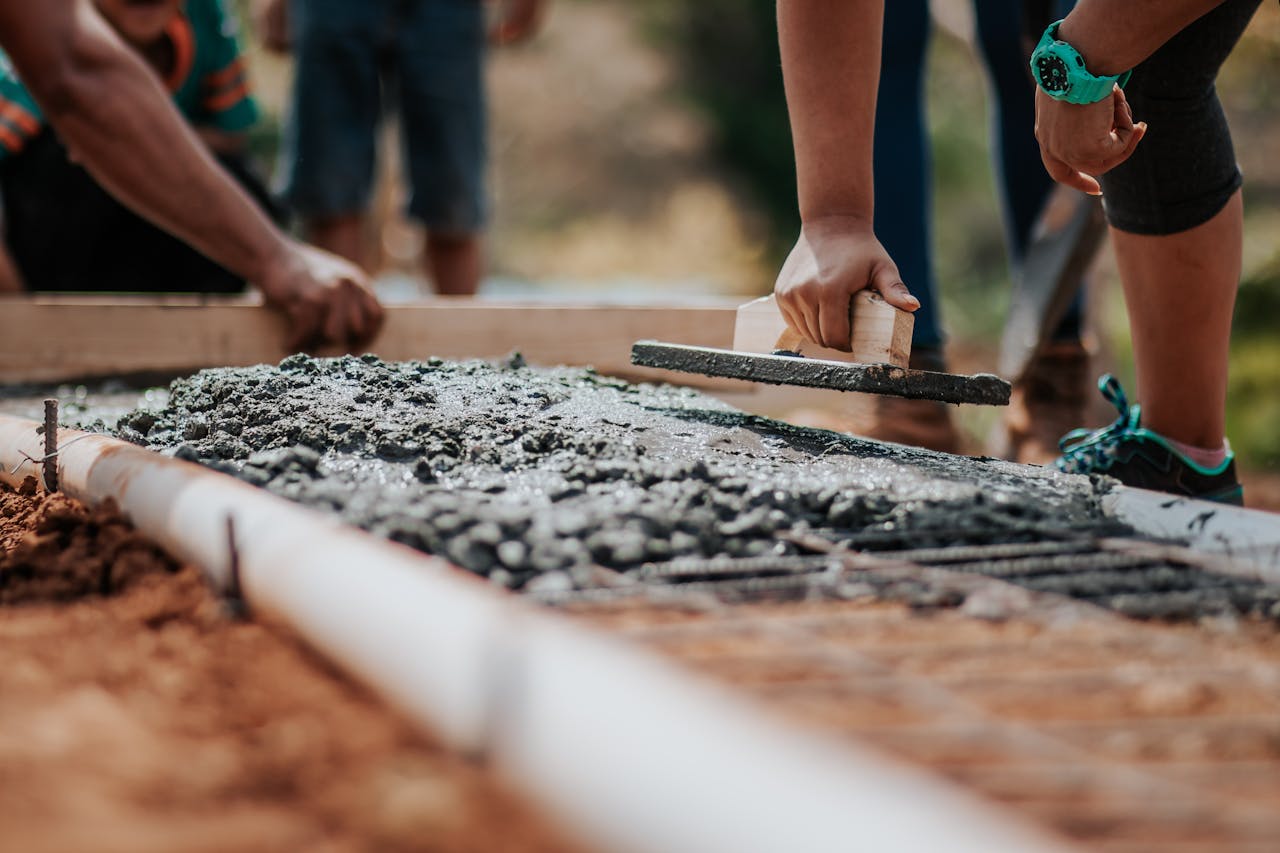
A property’s structural foundation directly affects its marketability and investment appeal. Poor structural performance undermines buyer confidence and creates long-term financial liabilities through costly remediation. You can’t retrofit good bones, structural issues identified after completion often cost multiples of what proper execution would have required initially.
Robust structural design and execution provide the essential platform upon which all other value-creating elements depend. Without sound structural integrity, even premium finishes and attractive design features lose their appeal. Buyers and their surveyors scrutinise structural elements because they understand these components determine safety, durability, and long-term habitability.
Structural defects carry disproportionate weight during property valuations. A cosmetic issue might reduce a property’s appeal marginally, but structural concerns trigger immediate red flags that can collapse sales or force substantial price reductions. Mortgage lenders often refuse to finance properties with identified structural problems, effectively removing them from the market until expensive repairs are completed.
Material Selection and Long-Term Performance
Specification of durable, appropriate materials determines how well properties withstand environmental stresses and wear. Premium material choices reduce deterioration rates, preserve aesthetic appeal, and minimise unexpected failure scenarios that diminish property values over time.
Material longevity directly correlates with reduced lifecycle costs and sustained aesthetic quality. When you specify materials suited to their application and local environmental conditions, you’re making an investment that pays dividends throughout the property’s life. Conversely, value engineering that compromises material quality often proves to be false economy.
Consider external cladding and weatherproofing systems. Materials that resist moisture penetration, UV degradation, and thermal cycling maintain their protective function and appearance for decades. Those that don’t require replacement within years, disrupting occupants and imposing unexpected costs that damage the property’s reputation and resale value.
Internal materials matter equally. Flooring systems, joinery, and fixtures subjected to daily use either withstand this wear gracefully or show deterioration that signals poor quality throughout. Buyers notice scuffed floors, sagging doors, and failed fixtures, these visible signs of premature wear suggest deeper problems lurking behind finished surfaces.
Workmanship Standards and Defect Prevention
Superior workmanship during construction prevents defects that later devalue properties and burden owners with remedial expenses. Even premium materials fail to perform when poorly installed. Your site standards and quality control measures determine whether specifications on paper translate into performance in practice. Ensuring you are contracting a reputable company such as Cranatt Construction Ltd. for your construction project is essential to ensure quality standards are adhered to.
Rigorous execution standards ensure proper installation of all building components, preventing water ingress, thermal bridging, and mechanical failures that compromise performance. Water damage represents one of the most common and destructive consequences of poor workmanship, improper flashing details, inadequate sealing, and substandard waterproofing create entry points for moisture that degrades structures and spawns mould growth.
Thermal bridging resulting from careless installation undermines energy performance and creates condensation risks. These aren’t theoretical concerns, they manifest as cold spots, mould patches, and elevated heating bills that owners quickly discover and future buyers investigate during due diligence.
Mechanical and electrical installations demand particular attention. Poorly executed building services create ongoing maintenance headaches and safety hazards that devalue properties substantially. Plumbing leaks, electrical faults, and HVAC failures disrupt occupancy and generate repair costs that owners associate with the property’s overall quality.
Energy Efficiency and Building Performance
Properties demonstrating superior energy performance attract environmentally conscious buyers willing to pay premiums, whilst lower running costs provide tangible financial benefits throughout ownership. Energy efficiency has transitioned from a niche concern to a mainstream value driver that influences purchase decisions and property valuations.
Regulatory pressures continue tightening energy performance requirements, meaning properties built to merely meet today’s minimum standards risk obsolescence as regulations evolve. Quality construction anticipates these changes, delivering performance that remains competitive as standards rise.
Thermal Envelope and Insulation Quality
High-quality thermal envelopes and insulation systems substantially reduce operating costs and enhance occupant comfort. The thermal envelope, walls, roof, windows, and floor systems, determines how much energy escapes the building and how much exterior temperature variation affects interior conditions.
Insulation quality depends on both material specification and installation precision. Air gaps around insulation batts, compressed insulation, and thermal bridges through structural elements undermine theoretical performance values. Your attention to installation details determines whether the thermal envelope achieves its designed performance.
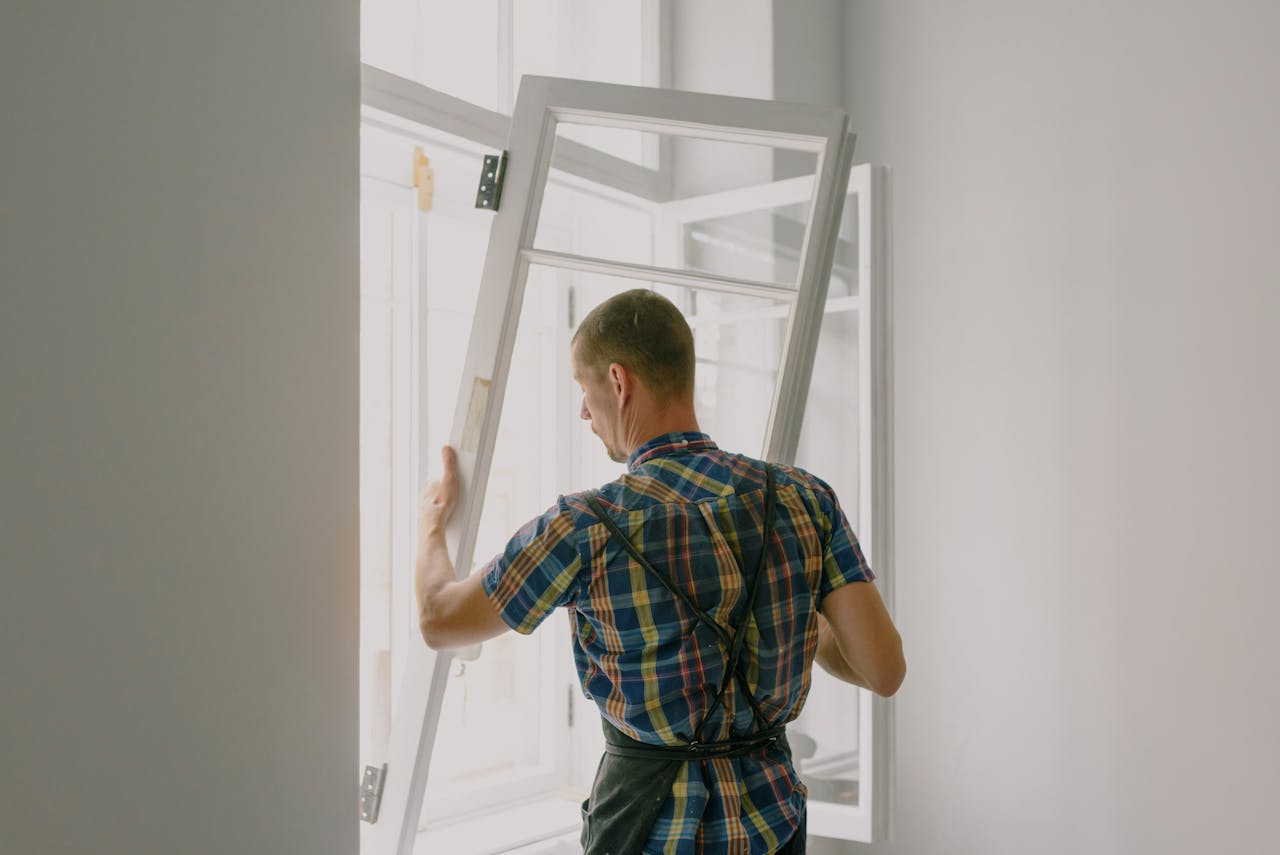
Windows and doors represent particular challenges within the thermal envelope. These elements must balance thermal performance with natural light, ventilation, and aesthetic considerations. Premium window systems with low U-values and proper installation details prevent heat loss whilst maintaining the visual appeal that buyers value.
Air tightness constitutes another critical factor. Uncontrolled air leakage through gaps and penetrations forces heating systems to work harder and creates uncomfortable draughts. Quality construction achieves air tightness targets through careful detailing and systematic sealing of potential leakage paths.
Building Services and Running Costs
Efficient heating, cooling, and ventilation systems convert energy into comfortable interior environments without excessive consumption. Your specification and installation of these systems directly impacts the running costs that owners pay monthly throughout the property’s life.
Modern condensing boilers, heat pumps, and efficient air conditioning systems cost more initially but deliver substantial savings over their operational life. These savings accumulate year after year, creating a compelling value proposition that informed buyers recognise and reward.
Ventilation systems deserve particular attention in today’s tightly sealed buildings. Mechanical ventilation with heat recovery (MVHR) systems maintain indoor air quality whilst recovering heat that would otherwise be lost. Properly commissioned MVHR systems improve comfort and reduce energy consumption simultaneously.
Lighting and electrical systems also influence running costs. LED lighting, efficient appliances, and smart controls reduce electricity consumption noticeably. Whilst individual savings might seem modest, they compound over time and contribute to the property’s overall efficiency profile.
Reduced Maintenance Costs Over the Property Lifecycle
Quality construction dramatically reduces the maintenance burden that owners shoulder throughout a property’s lifecycle. This benefit often goes underappreciated during initial development but becomes increasingly apparent as buildings age and owners compare maintenance expenses across similar properties.
Maintenance costs divide into planned preventative maintenance and reactive repairs addressing unexpected failures. Quality construction reduces both categories by extending component lifespans and preventing premature failures that trigger emergency repairs.
Consider roofing systems. A properly designed and executed roof with quality materials might last 30-40 years with minimal intervention. A cheaper alternative might require repairs within a decade and full replacement after 15-20 years. The lifecycle cost difference is substantial, and buyers increasingly factor these considerations into their valuations.
External decorations follow similar patterns. High-quality external renders, cladding systems, and protective coatings maintain their appearance and weather protection for extended periods. Lower-quality alternatives deteriorate visibly, requiring more frequent redecoration that disrupts occupancy and imposes costs.
Internal components also benefit from quality construction. Durable flooring systems, robust joinery, and quality fixtures withstand daily use without requiring frequent replacement. Kitchens and bathrooms built with quality materials and proper installation remain functional and attractive for decades rather than needing renovation after a few years.
Building services represent significant maintenance cost centres. Quality heating, plumbing, and electrical installations deliver reliable performance with minimal intervention. Poor installations generate a steady stream of callouts, repairs, and premature replacements that frustrate owners and damage property reputations.
For commercial properties and residential developments with service charges, maintenance costs directly impact financial performance. Lower maintenance requirements translate into lower service charges, making properties more attractive to buyers and tenants whilst improving investment returns for owners.
Market Appeal and Resale Potential
Quality-constructed properties generate stronger buyer interest and command superior resale prices compared to poorly executed alternatives. Market appeal extends beyond objective performance metrics to encompass the subjective impressions that influence buyer decisions and drive competitive offers.
Enhanced amenities and improved physical conditions within regenerated areas increase local demand, particularly attracting higher-income households seeking well-maintained properties. Your construction quality contributes to this desirability premium that benefits all stakeholders.
Aesthetic Quality and First Impressions
First impressions form rapidly and influence the entire viewing experience. Quality construction produces clean lines, consistent finishes, and attention to detail that signal care and competence throughout the project. Buyers notice these markers, often subconsciously, and adjust their valuations accordingly.
External appearance establishes expectations before buyers even enter a property. Quality brickwork with consistent pointing, properly aligned cladding, and well-fitted windows and doors create positive impressions that carry through the viewing. Conversely, visible defects and poor finishing immediately raise concerns about hidden problems.
Internal finishes reveal construction quality through details that buyers examine closely. Straight walls with smooth plaster, level floors, properly fitted joinery, and consistent decorative finishes demonstrate professional execution. These elements might seem cosmetic, but they indicate the care applied throughout construction.
Bathrooms and kitchens receive particular scrutiny because they’re expensive to replace and heavily used. Quality tiling with consistent grout lines, properly sealed joints, well-fitted cabinetry, and premium fixtures create lasting positive impressions. Shoddy work in these spaces raises immediate concerns about overall construction quality.

Compliance and Modern Building Standards
Compliance with building regulations represents the minimum acceptable standard, but quality construction often exceeds these requirements to deliver superior performance and future-proof properties against evolving standards. Your commitment to exceeding rather than merely meeting standards creates value that persists throughout the property lifecycle.
Building Control approval and completion certificates provide essential documentation that buyers and their solicitors require. Properties lacking proper certification encounter significant marketing difficulties and often sell at substantial discounts, if they sell at all.
Modern building standards increasingly emphasise sustainability, accessibility, and safety considerations that weren’t priorities in earlier construction periods. Properties built to current best practices rather than minimum requirements maintain their relevance and appeal as buyer expectations evolve.
Fire safety has received heightened attention following several high-profile incidents. Quality construction implements robust fire prevention and protection measures that exceed minimum requirements, providing safety assurance that buyers value highly, particularly in multi-unit developments.
Accessibility features broaden the potential buyer pool and anticipate future needs. Wider doorways, level thresholds, and adaptable layouts accommodate changing circumstances without requiring expensive modifications.
Quality Assurance During the Construction Process
Quality outcomes don’t happen accidentally, they result from systematic quality assurance processes embedded throughout construction. Your quality management approach determines whether good intentions and quality specifications translate into actual performance on site.
Effective quality assurance requires commitment from all project stakeholders, from designers and contractors through to individual trades. Everyone involved must understand that quality represents a non-negotiable priority that justifies the time and attention required to get details right.
Site Supervision and Inspection Protocols
Systematic site supervision and inspection protocols catch defects early when they’re easiest and cheapest to correct. Waiting until defects are buried behind finishes or discovered during snagging creates expensive remediation scenarios and delays completion.
Regular inspections at critical hold points ensure each construction stage meets quality standards before subsequent work proceeds. Foundation inspections before concrete pours, drainage testing before backfilling, and waterproofing checks before cladding installation prevent defects from being concealed.
Documentation of inspections and test results creates an audit trail that demonstrates due diligence and provides valuable information for future maintenance and modifications. Photographs, test certificates, and inspection reports protect all parties and support quality claims during marketing.
Third-party inspections by building control officers and warranty providers offer independent verification that work meets required standards. These inspections identify issues that internal teams might miss and provide additional assurance that buyers and their advisors value.
Snagging processes before handover identify and rectify defects whilst contractors and trades remain mobilised on site. Thorough snagging prevents defects from becoming the owner’s problem and ensures properties are genuinely complete when handed over.
Contractor Selection and Supply Chain Management
Your choice of contractors and suppliers fundamentally determines construction quality. The lowest bid rarely delivers the best value when you account for defects, delays, and long-term performance issues that result from poor execution.
Established contractors with proven track records and robust quality management systems deliver more consistent results than inexperienced or inadequately resourced alternatives. Their experience prevents common errors and their systems ensure systematic quality control.
Supply chain relationships influence material quality and consistency. Direct relationships with reputable manufacturers and suppliers reduce the risk of counterfeit or substandard materials entering your projects. Material traceability and certification verify that specified products actually get installed.
Subcontractor management requires particular attention because specialist trades execute much of the detailed work that determines quality outcomes. Verifying subcontractor qualifications, monitoring their work, and ensuring they understand quality expectations prevents problems before they occur.
Payment structures that reward quality rather than just speed encourage contractors to prioritise proper execution. Retention provisions and staged payments tied to quality milestones align contractor incentives with project quality objectives.
Future-Proofing Through Sustainable Construction Practices
Sustainable construction practices enhance long-term property values by reducing environmental impacts, lowering operating costs, and aligning with evolving buyer preferences and regulatory requirements. Sustainability has shifted from a niche concern to a mainstream value driver that influences property valuations and marketability.
Properties incorporating sustainable design features and construction practices demonstrate foresight that buyers increasingly recognise and reward. These features reduce the property’s environmental footprint whilst delivering tangible financial benefits through reduced operating costs and enhanced durability.
Material selection offers opportunities to enhance sustainability without compromising performance or aesthetics. Responsibly sourced timber, recycled content materials, and low-embodied-carbon alternatives reduce environmental impacts whilst often delivering equal or superior performance compared to conventional options.
Water efficiency features including low-flow fixtures, rainwater harvesting, and greywater recycling systems reduce consumption and operating costs. These features appeal particularly to environmentally conscious buyers and provide resilience against water scarcity and rising utility costs.
Renewable energy systems such as solar photovoltaic panels and heat pumps reduce reliance on grid electricity and fossil fuels. Whilst these systems require initial investment, they deliver ongoing savings and increase property values by reducing running costs and improving energy performance ratings.
Biodiversity enhancements through green roofs, native landscaping, and habitat features create attractive outdoor spaces whilst supporting local ecosystems. These features differentiate properties in competitive markets and align with growing awareness of biodiversity importance.
Adaptability and flexibility in building design accommodate changing needs and uses over time. Flexible layouts, accessible services, and adaptable spaces extend building useful life by allowing modifications without major structural interventions.
Sustainability certifications such as BREEAM, LEED, or Passivhaus provide independent verification of environmental performance that buyers and tenants value. These certifications create marketing advantages and often correlate with premium pricing and faster sales.
Conclusion
Quality construction represents an investment that pays dividends throughout a property’s entire lifecycle, not just a cost to be minimised during procurement. You’ve seen how construction quality influences structural integrity, energy performance, maintenance costs, and market appeal in ways that directly translate into sustained property values and competitive advantages.
The properties you build today will stand for decades, serving multiple owners and contributing to neighbourhood character long after your involvement ends. This long-term perspective should inform every decision you make during design, procurement, and construction. Shortcuts that save pennies during construction often cost pounds during ownership and undermine property values for years.
Market dynamics increasingly favour quality over speed and minimum standards. Buyers can access information about building performance, energy efficiency, and construction quality more easily than ever before. They’re making informed decisions that reward quality and penalise poor execution through the prices they’re willing to pay.
Regulatory pressures will continue tightening performance requirements across energy efficiency, fire safety, accessibility, and sustainability. Properties built to exceed current minimums rather than merely meet them will maintain their relevance and value as standards evolve. Those built to minimum standards risk obsolescence and costly upgrades.
Your reputation depends on the buildings you deliver. Quality construction creates satisfied clients, positive word-of-mouth, and repeat business opportunities. Poor quality generates complaints, disputes, and reputational damage that undermines future prospects. The choice between these outcomes lies in the standards you set and maintain throughout every project you undertake.
Frequently Asked Questions
How does quality construction improve long-term property value?
Quality construction creates properties that appreciate rather than depreciate by ensuring structural integrity, superior energy performance, and reduced maintenance costs. Well-constructed properties command sustained price premiums, attract discerning buyers, and maintain their value against market fluctuations throughout decades of ownership.
What impact does material selection have on property longevity?
Premium material choices reduce deterioration rates, preserve aesthetic appeal, and minimise unexpected failures. Durable materials suited to local environmental conditions withstand weathering and daily wear gracefully, reducing lifecycle costs and maintaining property value whilst poor materials require costly premature replacement.
Why is energy efficiency important for property resale value?
Energy-efficient properties attract environmentally conscious buyers willing to pay premiums and offer lower running costs throughout ownership. Superior energy performance has become a mainstream value driver, and properties exceeding minimum standards remain competitive as regulations tighten and buyer expectations evolve.
Can poor workmanship affect property value even with quality materials?
Yes, even premium materials fail to perform when poorly installed. Substandard workmanship creates defects like water ingress, thermal bridging, and mechanical failures that devalue properties substantially. Buyers scrutinise visible signs of poor execution, which suggest deeper problems and trigger reduced valuations.
What are the most common construction defects that reduce property value?
Structural cracks, water damage from improper waterproofing, thermal bridging causing condensation and mould, and failed building services are amongst the most damaging defects. These issues create costly remediation requirements, undermine buyer confidence, and can prevent mortgage lending until expensive repairs are completed.
How do building certifications like BREEAM affect property marketability?
Sustainability certifications provide independent verification of environmental performance that buyers and tenants increasingly value. These certifications create marketing advantages, differentiate properties in competitive markets, and often correlate with premium pricing, faster sales, and enhanced long-term investment appeal.