Extending your radiator pipes doesn’t have to involve expensive plumbing work or disruptive renovations. With radiator extension tails, UK homeowners can easily adapt to new layouts, upgraded radiators, or altered room dimensions. This comprehensive guide from UK Construction Blog explores practical, step-by-step solutions for extending radiator pipes safely and efficiently. Discover expert tips, product recommendations, and installation best practices, all tailored to help handymen like you achieve lasting results without hassle. Whether you’re working on a single radiator or a complete heating overhaul, our guide ensures you have the knowledge and confidence for a smooth, cost-effective upgrade.
Brief Overview
Extending radiator pipes with the right extension tails allows homeowners to adapt heating systems to changing layouts or upgraded radiators without costly renovations. By selecting high-quality, compatible products and following precise installation steps, you can achieve leak-free connections and improved heating efficiency. Ongoing maintenance, such as regular inspections and system checks, ensures durability and optimal performance. With expert guidance and a careful approach, even challenging radiator projects become manageable, delivering reliable comfort and long-term energy savings.
Key Highlights
- Radiator extension tails provide a flexible, cost-effective solution for adapting radiator pipes to new layouts or radiator models.
- Careful selection of extension tail materials and finishes ensures long-lasting durability and complements your home’s décor.
- Accurate measurement and compatibility checks are crucial for a leak-free, professional installation and future maintenance ease.
- Reliable suppliers and timely delivery of radiator parts prevent costly project delays and ensure a smooth installation process.
- Regular preventative care and prompt troubleshooting extend the lifespan and efficiency of your upgraded radiator heating system.
Understanding the Purpose of Radiator Extension Tails
If you’re a homeowner aiming to make your heating system more adaptable, getting familiar with radiator extension tails can really pay off. These handy accessories bridge the gap between radiator pipes and radiator valves, especially when pipework isn’t quite lining up or needs extra reach. Extension tails serve a crucial role in both new installations and renovations, giving you more flexibility to work with whatever your space throws at you. With the right tools and radiator extension products, you’re able to tackle common radiator challenges and upgrade your system for peak performance. Let’s explore why extension tails are such a versatile solution.

How Extension Tails Solve Common Radiator Pipe Challenges
Working as a handyman on a variety of UK heating projects, I’ve seen first-hand how radiator extension tails act as a lifesaver in tricky fitting situations. Whether you’re replacing an old radiator with a newer model, updating your heating accessories, or altering your home’s layout, pipework often doesn’t line up as neatly as you’d like. Radiator pipes can be slightly offset, too short, or simply mismatched with new radiator valves, which means that standard connections won’t cut it. This is where radiator extension tails, or extension tails, become an essential tool in your arsenal for reliable radiator pipe extension solutions. A common challenge emerges when trying to connect radiator valves to pipes that aren’t the correct length or have shifted during construction. Extensions like telescopic radiator tails or a sturdy valve extender allow you to precisely extend the pipe designed connection, making sure nothing’s left exposed and the join remains leak-free. It’s all about compatibility, and modern extension accessories cater directly to UK plumbing standards for radiators, ensuring a hassle-free fit and saving time with each job. Plus, today’s products come in an array of materials and finishes that match existing fixtures, ensuring style isn’t sacrificed for function. One benefit that often gets overlooked is the way these extension tails help modernise older heating systems. Many homes in the UK have quirky pipe layouts stemming from historic renovations or phased upgrades. Instead of fully re-piping, a costly and invasive process, you can rely on valve tail extensions to marry new radiator valves with existing pipes. These accessories provide an instant solution, which also means less downtime for the heating system, and avoids disrupting decorative finishes or delicate flooring. The implementation of a valve extension or tailored radiator extension also shields the threads and connections from stress over time. By easing the tension between misaligned pipes and radiator valves, the system works more efficiently and minimises the risk of leaks. Not only are these accessories designed for robust performance, but many also feature telescopic capability to fine-tune the length, ideal for those small adjustments that make all the difference. For projects involving multiple radiators, having adjustable extension products on hand helps speed up installations and ensures every connection is properly supported. Let’s not forget the practicality for future maintenance. When you use the correct accessories for radiator extension, like quality extension tails, bespoke valve extenders, and trustworthy tools, the whole system becomes easier to service or upgrade. Swapping out radiators, upgrading individual heating components, or preparing for future expansions becomes straightforward, as the flexibility of these extension products gives you the margin you need. Over the years, I’ve come to appreciate that choosing the right extensions, tails, and valve extenders isn’t just about solving an immediate problem, it’s about future-proofing your home’s heating system. Investing in quality pipe designed solutions not only brings peace of mind, but also reduces the risk of unexpected repairs. If you’ve ever needed to extend radiator pipes and found standard fittings lacking, you already know how valuable these products are for ensuring complete, lasting radiator performance. If you’re navigating a heating upgrade or refurbishing your radiators, don’t overlook the role these accessories play. Every extension tail and valve extension on the market is designed with real homeowner needs in mind, delivering practical solutions for today and tomorrow. Trust me, making the right choice with these products will keep your system efficient, secure, and headache-free, no matter how your space evolves over time.
When to Consider a Radiator Extension
Deciding when to add a radiator extension tail isn’t always obvious, but getting the timing right saves you from major headaches and costly repairs. Homeowners often face challenges with heating systems, radiators, or even towel radiators, especially during refurbishments or when furniture placement interferes with pipework. Understanding the subtle signs that signal your system or radiators need modifications empowers you to act early. In the following guide, we’ll cover how to spot key clues, what information to gather before making any changes, and why choosing the correct style of extension and valve can make a difference in both performance and price. Let’s help you stay warm, efficient, and stress-free as you upgrade.
Signs Your Home’s Heating System Needs Modification
It’s easy to overlook small annoyances in your heating system, but recognising early signals from your radiator or pipework is essential. One of the first signs I notice as a handyman is when radiators aren’t heating up as fast or evenly as they used to. If you find a radiator feeling only lukewarm, or you’re hearing strange noises like knocking and gurgling, it’s possible your existing system isn’t distributing power efficiently. More often than not, these symptoms point back to subtle alignment issues, outdated valves, or pipes not quite suiting their new location, all pointing toward the need for an extension or radiator extension tails. Sometimes you’ll spot clear physical clues, like exposed threads at the joint between the radiator and its valve. This means that the pipe designed for your system doesn’t quite reach, which is a common headache after moving radiators to accommodate new furniture or when installing stylish towel radiators. You might also notice gaps between existing pipes and their valves after a refit. These are more than cosmetic blemishes, they can weaken the system’s integrity and pave the way for leaks or inefficiencies. That’s where radiator extension accessories become invaluable, bridging the gap for a secure, professional finish. Another situation I encounter regularly is upgrading to modern radiator valves or switching radiator styles. Today’s radiators and towel radiators come in an array of formats, and sometimes the original pipe simply won’t marry up with the new item’s requirements. You might even be dealing with a historic heating setup where pipes are rigidly set into floors or walls. Rather than undergo a complex re-piping job (which will drive up the price and disrupt your home), extension tails provide a quick and neat solution that keeps your system running strong. Bear in mind, modifications may also be needed when optimising for power, maybe you’re installing a more powerful radiator in a previously under-heated room or creating a multi-radiator system for greater comfort. Each additional radiator or towel radiator can shift your pipe layout needs, so keeping an eye out for new extension requirements after such upgrades is a smart move. Beyond performance issues, pay close attention to visible corrosion around radiator tails or valves, which may arise if pipes are under stress due to improper alignment. A little rust or drip can become a major hassle, undermining both system efficiency and safety. The right extension and tail accessories are designed to relieve these points of tension, increasing longevity and reliability. Information gathering plays a key role before any upgrade. Always check the specs and details of your radiators, pipes, and valves, especially when ordering replacement tails or extension items online. Ensure you know the correct style and size, as mismatches will delay your project or impact the reliability of the final system. Comparing extension products on style, durability, and price ensures you’ll select the best-suited item for your needs without overpaying. Don’t forget to consult guides or troubleshooting resources if you’re unsure what fits your radiator or towel radiators best. In summary, recognising these signs, uneven heating, exposed threads, misaligned pipes, visible corrosion, or an outdated radiator style, means it’s time to consider a radiator extension or extension tails for your system. Trusting high-quality accessories and gathering accurate information before you order parts puts you on the path to a warmer, more efficient home. If you’re ever in doubt, it’s wise to seek out a pro or dive into a comprehensive guide, sometimes, a small addition like an extension tail can make all the difference in your heating system’s longevity and performance.
Selecting the Best Products for Pipe Extension
When it comes to extending radiator pipes, choosing the right products sets the foundation for a dependable, long-lasting heating system. It’s not just about finding an extension that fits; it’s about identifying items that can handle your unique pipe layout, blend visually with your radiators, and withstand the rigours of everyday heating. Homeowners should consider a balance of materials, finishes, and overall durability while browsing through extensions, tails, and compatible accessories. A strong understanding of your chosen tools and style preferences will make sure your heating project not only functions flawlessly but also elevates your space. This guide offers a thorough look at comparing product options to help simplify your decision.
Comparing Materials, Finishes, and Durability Options
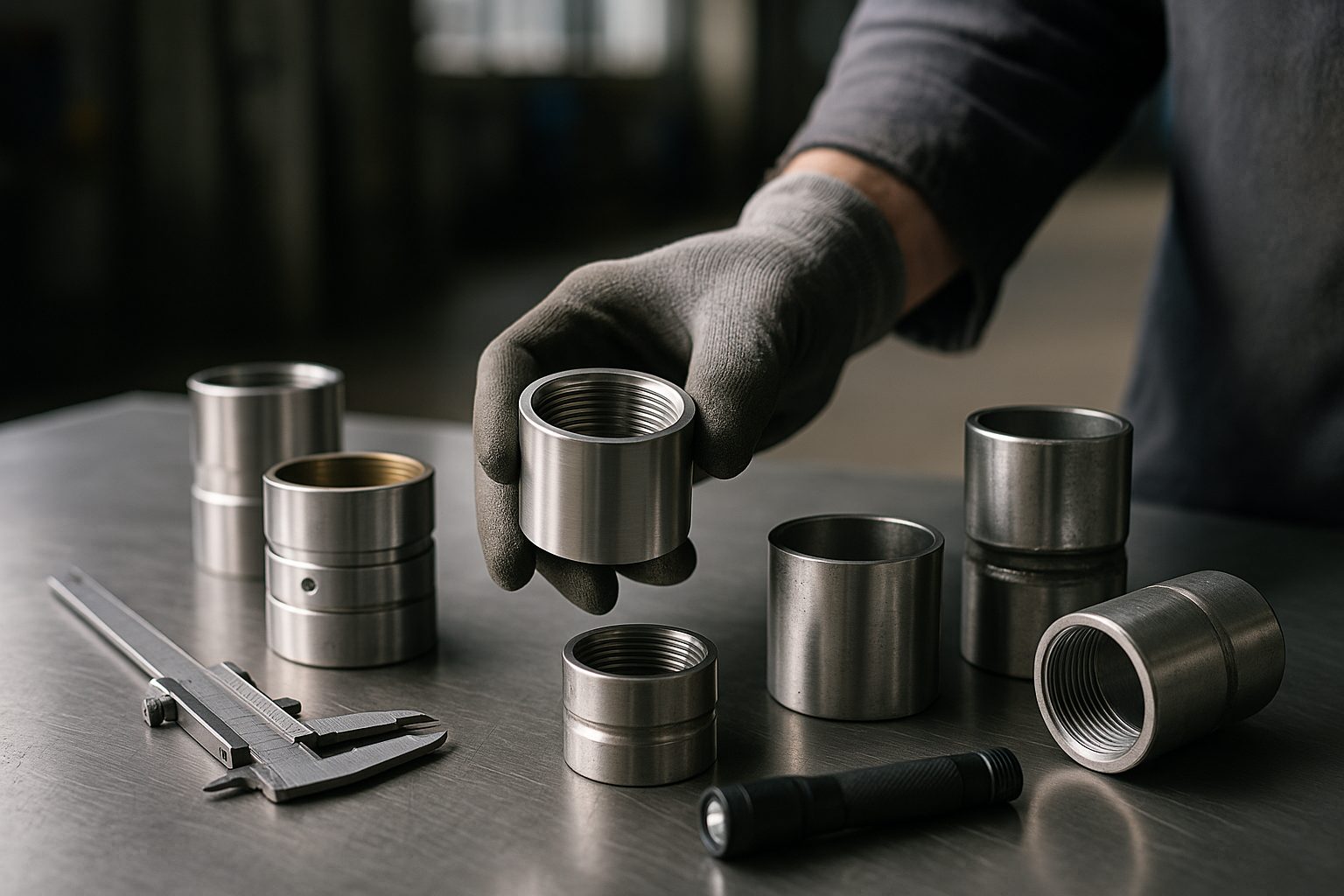
As a handyman who’s worked across countless UK homes, I know that the best radiator extension results start with the careful selection of materials and finishes tailored to your specific project. Radiator extension tails, sometimes called extension tails or valve extensions, are essential accessories designed to create seamless joins between radiator pipes and valves of various kinds. While it may be tempting to focus solely on price or appearance, I always emphasise assessing the underlying quality and suitability of each product before making a decision. After all, an extension that can’t endure the demands of a busy heating system or one that doesn’t suit your radiator’s style will only lead to frustration down the road. Common materials for radiator extension tails and related items include brass, stainless steel, and chrome-plated steel. Brass remains a favourite, as it’s corrosion-resistant and offers a great strength-to-weight ratio, making it notably robust for most heating scenarios. If you’re thinking about long-term durability, stainless steel is another winner for pipe designed projects due to its resistance to both heat and water-induced wear, giving peace of mind and saving you bother with replacements. Chrome finishes, meanwhile, deliver a modern, polished look that’s perfect for high-traffic spaces or towel radiators where visible pipework can make or break the room’s overall aesthetic. Other accessories such as valve tail extenders and bespoke adaptors usually come in matching materials to maintain cohesion throughout your system. It’s not just about what the extension is made from; how the product is finished also plays a critical part in both longevity and style. Polished chrome and brushed nickel finishes can complement sleek, contemporary radiators and valves, while traditional brass or satin options fit the bill for period homes that demand a bit of class. Take time to match your chosen extension’s finish with the radiator valves and the pipes you’re working with, it’ll create a unified look that speaks volumes about your attention to detail. Remember, heating accessories in mismatched finishes can disrupt your décor, while well-chosen components guarantee a visually pleasing and functional result. Another key issue is the durability of the item you pick. Not all valves or tails are built the same, some cheap products may cut corners on wall thickness or thread quality, which can spell trouble when your radiator comes under pressure. To ensure the durability of your installation, look for extension tails and valve extensions tested and approved for high-pressure UK heating systems. Quality accessories often come with seals or washers included, reducing the risk of leaks and simplifying the fitting process for homeowners and professionals alike. When browsing products, read the guide and technical details for each accessory to make sure they’re compatible with the pipe designed for your specific radiators, towel radiators, or valves. Some extensions are telescopic, making them perfect for tricky spots where conventional fixed-length items simply won’t do. Tools that offer a flexible range or are designed with easy installation in mind will save you both time and effort when making sure everything lines up for a strong, leak-proof connection. If your build revolves around unusual layouts or multi-radiator systems, investing in premium supplies or branded accessories pays off by providing long-lasting, hassle-free use. Finally, don’t overlook the convenience of sourcing everything from reputable providers who specialise in heating and radiator accessories. This ensures you’re getting genuine, high-spec items that match the rest of your kit. With the right products, tools, and materials, selected for their durability, finish, and compatibility, you can be confident that your extension project won’t just solve alignment headaches but will also enhance the style and reliability of your entire heating system. If you’re stumped between a few options, consult a comprehensive guide or an expert, sometimes, a small upgrade to your radiator extension tails or valves provides dividends in performance and ease of maintenance for years ahead.
| Material | Finish Options | Durability Features | Ideal Use Case |
|---|---|---|---|
| Brass | • Polished • Satin • Nickel-plated | • Corrosion-resistant • Long lifespan • Malleable for fittings | • Traditional heating systems • Areas with variable humidity |
| Stainless Steel | • Brushed • Polished • Natural finish | • High strength • Resistant to rust/chemicals • Low maintenance | • Modern installations • High-moisture environments |
| Chrome-Finished | • Highly polished • Mirror-like appearance | • Aesthetic appeal • Added rust protection • Easy to clean | • Visible pipework • Contemporary radiators |
This table provides a concise comparison of extension product features to streamline your product selection process.
Guide to Choosing the Correct Tail Size and Compatibility
Ensuring your radiator extension project goes smoothly starts with selecting the right tail size and confirming complete compatibility with your current system. Determining the proper valve tail and matching extension tails isn’t just about the numbers; it’s about guaranteeing a seamless fit that keeps your heating operating reliably. You’ll need the right tools, some patience, and a careful approach to measuring and matching pipes, especially if you’re dealing with unique accessories or bespoke radiator valves. This guide helps homeowners confidently identify the correct tail size, ensuring their extension process integrates perfectly with their existing radiators and heating components for long-lasting performance and peace of mind.
Measuring Your Existing Pipes for a Seamless Fit
When you’re planning to extend radiator pipes using radiator extension tails, getting your measurements spot on is absolutely crucial. As a handyman, nothing’s more frustrating than finishing a job only to find a tiny leak or an unsightly gap, all because the tail or valve tail wasn’t quite the right size. Your goal is a seamless fit–one that not only looks professional but preserves the efficiency and safety of your heating system. Here’s how to take precise measurements and navigate the crucial details when working with radiators, extension tails, and accessories designed for a perfect match.
Start with the basics by gathering your essential tools, which typically include an adjustable spanner, a ruler or tape measure (ideally a digital caliper for accuracy), a notepad for details, and the right bits if you need to remove the old tail or valve tail. Turn off your heating system and allow the radiators to cool down. This ensures safe handling of both the pipes and tail components, and prevents any hot-water mishaps.
Your first measurement should be the distance between the pipe designed for the radiator and the inlet of the radiator valve. Place the tape or caliper on the exposed pipe where it meets the tail, noting down both the outer diameter and the length of pipe visible. For a tidy, seamless fit, measure right up to the valve or where the extension will seat into the radiator. If you’ve removed an old tail, check the thread type and length, as these details are essential for selecting compatible extension tails and radiator accessories.
Every pipe, valve, or extension can have small differences, even pipes from the same manufacturer may vary by a millimeter or two, especially in older systems. That’s why double-checking both the inner and outer diameters of your pipes makes all the difference for a seamless connection. Modern heating systems in UK homes typically use either 15mm or 22mm pipes, so confirming which you have ensures you’ll order the correct tail size and avoid compatibility issues down the road.
Once you’ve got the diameter, focus on the extension length required. This often means dry-fitting the radiator and brackets, then using your ruler or tape to determine exactly how far the extension needs to span to make up for any shortfall. Take into account any potential movement during fitting, if pipes aren’t perfectly square, a slightly longer extension tail or one with telescopic capabilities may be required to guarantee everything slots into place without strain.
Accessories come in handy here. Some extension tails have built-in adjustable sections, making them ideal for difficult-to-reach radiators or systems with unusual layouts. Always cross-check the fitting instructions and technical details supplied by the manufacturer. These guides typically specify which radiator valves each extension tail suits and whether extra adapters or specialty tools are required for the best result.
If you’re working with chrome or designer radiators, be extra careful about both the measurement and finish of your extension components. Off-the-shelf tails might not match in style or coating. When in doubt, consult product specifications closely or seek out branded accessories for a truly seamless visual and functional result. A mismatched finish, as every professional knows, can spoil the look of the entire heating system.
Another smart trick is to keep a small stock of the most common extension tails and valve tails, plus a few specialty bits for trickier systems, on hand. This way, you’ll never get caught short if a measurement is off by a metric fraction. The right tools, including a sturdy spanner and digital measuring equipment, ensure accuracy during every step of the fitting process.
To wrap up, precise measuring isn’t just about documentation; it’s about future-proofing your heating. Getting your extension tails, valve tails, and fitting accessories right offers not only a flawless installation but streamlines future upgrades or repairs, saving you both time and money. Always approach each project with thoroughness and confidence, knowing these small measurement details are the difference between a quick fix and a headache down the line. If ever in doubt, a quick reference to a trusted guide or reaching out to UK Construction Blog for a professional tip can make a world of difference for a flawless heating system update.
Installation Tips from an Experienced Handyman
Taking on a radiator extension tail job is a chance to upgrade your heating system with confidence, but only if your fitting and installation methods are up to scratch. As a handyman who’s dealt with countless pipe alignment issues, I’ve learned that meticulous preparation, the right accessories, and proper tools are what turn a tricky radiator or valve project into a neat, robust solution. This guide will cover step-by-step instructions for fitting extension tails, highlight key product choices, and give you insightful tips for a secure, professional finish. Get ready to enhance your radiators, valves, and overall heating system for lasting reliability and performance.
Step-by-Step Instructions for Fitting Extension Tails
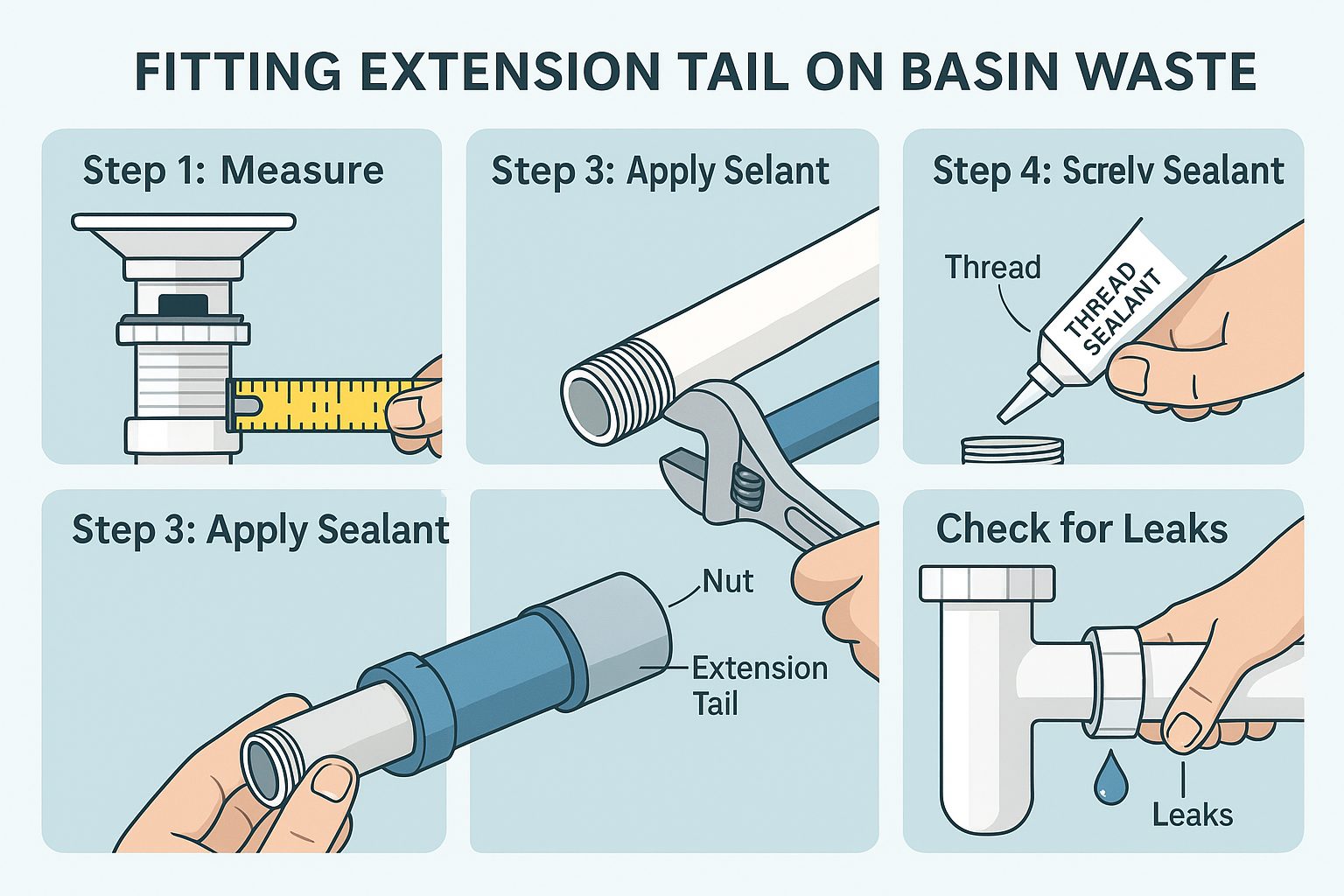
When you’re ready to fit extension tails to your radiator pipes, following a methodical, step-by-step approach makes all the difference for a leak-free and visually sharp result. As a professional handyman, I always start by turning off the heating and allowing all radiators in the system to cool completely. Safety’s something I never compromise, handling hot water or pipes can be risky and rush jobs only raise the odds of costly mistakes. If you’ve just measured everything (as discussed in my previous advice), you’ve already set yourself up for success, but now comes the hands-on stage where your chosen products, accessories, and knowledge come into play. Begin by assembling the right tools. You’ll need a high-quality adjustable spanner, PTFE tape for secure threads, and your selected radiator extension tails, preferably made from corrosion-resistant materials that match your other heating accessories. I also recommend having a basin and a few old towels to hand in case of residual water in the pipes. Disconnect the radiator from the existing valve by loosening the coupling, then carefully crack the valve or tail so you can remove the old fitting. It helps to have a second spanner stabilising the valve body, reducing any torque that could disturb the system’s remaining joints. Gently remove any pipe residue, corrosion, or old PTFE tape before offering up the new extension tail. Carefully wind a few turns of PTFE tape onto the tail’s threads, this is crucial for creating a dependable seal, especially if your system operates at higher pressure or deals with repeated cycles of expansion and contraction. Before fitting, double-check the alignment: your extension tail should slot into the valve’s inlet or into the radiator body without requiring undue force. If it feels like you’re cross-threading, stop and realign, the threads on these products are designed for smooth engagement and any resistance suggests something’s amiss. Carefully screw the extension tail into the radiator or valve using your spanner, but avoid overtightening. Steel, brass, and chrome-plated accessories can handle decent torque but strip threads easily if pushed too far, and this will turn a straightforward installation into a hassle. Once secure, you can reconnect the valve to the radiator, making sure both the valve and the tail are square for a tidy, pressure-resistant join. If your product features integrated washers or O-rings, ensure they’re seated correctly; these often arrive pre-fitted on premium extension tails and play a crucial part in minimising leaks. With the tail now fitted, draw attention to the cosmetic finish, a step too many homeowners overlook. The pipe designed to suit your valve and radiator will be visible, so it’s worth giving the joined accessories a quick clean, aligning the surfaces neatly, and making sure the fitting looks intentional, not improvised. Some installations even call for a touch of matching pipe cover, especially with designer radiators or highlighted heating features. Stand back and check your work from all angles before continuing. Now, it’s time to refill the heating system. Open bleed valves on your radiators to prevent airlocks and restore pressure. As water flows back in, keep a close eye on the new extension join for any sign of seepage. An immediate check ensures the PTFE tape and threads are doing their job, all part of delivering a professional, lasting result. Take the opportunity to bleed your radiators as needed and, once happy everything is watertight, reset your heating system to normal operation. You’ll hear the gentle hum of warmth returning, a welcome sign of a successful project. Relying on step-by-step instructions not only ensures a neat appearance but future-proofs your system for easy servicing. When you use the right products and accessories, fit them using proven techniques, and pay attention to the finish, your radiator tails and pipes remain secure for years to come. It’s that level of care and expertise that I always strive for on every job, and what keeps homeowners coming back for future projects. For more comprehensive guidance or product advice, don’t hesitate to bookmark this guide from UK Construction Blog, your next installation will only benefit from a reliable, expert touch.
Ensuring Quick and Reliable Delivery of Installation Supplies
When upgrading or extending radiator pipes, one of the most underestimated aspects is how fast and reliably your supplies can be delivered. Whether you’re installing radiator extension tails or sourcing key accessories, homeowners need to know they won’t face unnecessary delays or complications during their heating projects. Access to dependable products, tools, and installation items is crucial to maintaining momentum and budget, especially when you’re managing multiple radiators or an urgent repair. In this post, let’s make sure you’re confident about deliveries, so your radiator extension, upgrade, or replacement goes as seamlessly as your well-planned measurements and fitting work.
What Homeowners Should Expect When Ordering Parts
When you’re tackling a radiator extension project, there’s nothing more frustrating than being held up by slow or unreliable delivery of supplies. Drawing from many years as a handyman juggling heating installations in UK homes, I can’t stress enough the importance of choosing the right supplier for your order. You want to ensure every item, whether it’s extension tails, valves, or accessories, is in stock and arrives on time, so your installation process runs like clockwork. From experience, a smooth delivery can mean the difference between a one-day fix and a project dragging well into the week, causing disruption and possibly higher costs.
First, before you hit the order button, always double-check the product listings for up-to-date information on stock availability. Good heating suppliers will list current stock levels, expected delivery times, and clear information on which products are ready for dispatch. Look for websites or local stores that specialise in radiator supplies and offer both standard and express delivery options. This way, whether you need an urgent radiator extension tail because of a last-minute system issue or you’re preparing for a larger installation, you’ll have confidence your items are on their way.
When comparing suppliers, focus on those with a proven track record for reliable deliveries in your area. UK homeowners benefit from seasoned distributors who understand the urgency of heating repairs and renovations, especially during colder months when timing matters. If you’re ordering multiple products, confirm the entire order can be shipped together, so installation isn’t stalled by missing tools or parts. It’s also wise to check if the supplier carries complementary accessories, such as PTFE tape, valves, or specialist tools, to avoid additional delivery fees and split shipments. A single, consolidated order keeps your parts list manageable and helps prevent items from going astray in transit.
Always factor in the price of delivery. Some retailers offer free shipping over a set order value, while others may have charges based on location or speed of service. In the context of home heating, quick delivery might demand a small premium, but in most cases, it pays for itself by preventing downtime. If you’re looking to upgrade or extend multiple radiators, consider ordering all required supplies, extension tails, and accessories at the same time; it can boost your eligibility for free delivery offers and streamline the process.
Once you’ve placed your order, reliable suppliers provide detailed tracking information so you can monitor your deliveries in real-time. Look for features like shipping confirmation emails, tracking numbers, and customer service lines that promptly answer questions about your order status. If possible, sign up for text or app alerts that notify you about delivery slots, or changes, essential for homeowners who want to plan their installation day with minimal disruption.
Quality suppliers understand that heating installations are time-sensitive, so they typically pack items well to reduce the risk of damage in transit. When your delivery arrives, take a few moments to check the package for any missing or incorrect parts before getting started with your tools. If you notice a discrepancy, a reputable vendor will have a simple return or replacement process in place. Fast, no-hassle exchanges not only safeguard your project timeline but also reflect the supplier’s commitment to customer service.
For specialist items, like unusual extension tails or tailored accessories for designer radiators, lead times can occasionally be longer. Always read the product information thoroughly and ask about typical delivery durations if the listing is unclear. Some bespoke products are worth waiting for, but knowing estimated timescales ensures you don’t dismantle old radiators before everything is on site, protecting you from sitting in a cold home.
Ordering your supplies shouldn’t be a gamble. Start by building a relationship with trusted suppliers who regularly deliver heating and radiator tools, extensions, accessories, and products across the UK. Visit reputable online sites or local outlets recommended by fellow homeowners and professionals, and don’t hesitate to call and speak directly with sales teams for advice on the best supplies and lead times. The peace of mind from a reliable delivery means you can focus your efforts on measuring, fitting, and finishing your radiator pipe extension project, confident you’ve got everything you need, right when you need it.
While the products themselves are the heroes of any installation, the tools and supplies don’t mean much if they’re not there when it counts. With careful planning and by choosing a reputable supplier, homeowners can guarantee not only a successful radiator extension but also a stress-free buying experience. I always encourage readers to keep a checklist, tick off your delivery status, cross-check the accessories, and prepare your installation tools well in advance. It’s a small effort that ensures smooth sailing, whether you’re fitting a single radiator extension tail or upgrading your entire home’s heating network. If you need extra information or want the latest updates on delivery trends or recommended products, keep UK Construction Blog bookmarked, we’re here to help your next order go off without a hitch.
Maintaining Your Radiator System After Installation
The key to enjoying a warm, energy-efficient home after installing radiator extension tails is proper ongoing care of your heating system. Regular maintenance ensures your radiators, valve connections, and recently added extension tails offer reliable performance year-round. From checking for hidden leaks to monitoring how your radiators heat your rooms, a few preventative steps go a long way toward protecting your investment. In this guide, you’ll discover practical maintenance routines, troubleshooting strategies, and essential tools and accessories every homeowner should keep handy for long-term radiator health.
Preventative Care and Troubleshooting for Optimal Performance
After fitting radiator extension tails and securing your heating system with the right products and accessories, ongoing preventative care becomes your number-one ally against future headaches. As a handyman who’s helped countless UK homeowners with post-installation issues, I can tell you that a well-maintained radiator system doesn’t just save on bills, it extends the lifespan of every part, from the pipe designed connections to the tails and valves you’ve just installed.
Start by making regular visual inspections a habit. Every few months, examine the joins between the radiator, extension tails, and valves. Check for even minor traces of water, dark spots, or rust, early indicators of a slow leak or condensation. The sooner you catch these issues, the less likely you are to face bigger problems like floor damage, corrosion, or dropped system pressure. Run your hand along pipes and accessories, feeling for cold spots or moisture that signals something’s afoot behind the scenes.
Another critical routine for optimal performance is bleeding your radiators routinely, particularly after extensions or new installations. When air gets trapped in the system, often stirred up during an upgrade with extension tails or when swapping valves, radiators heat inefficiently or make gurgling noises. Use a radiator key, one of the simplest tools any homeowner should own, to carefully release trapped air from each radiator starting from the one farthest from your boiler. This not only restores even heating but also puts less strain on the pipe designed extensions and tails you’ve put in.
Don’t neglect checking the system’s pressure gauge, especially in homes with sealed (combi) heating systems. Newly added heaters, extension tails, or frequent bleeding can cause pressure to creep down. Low pressure means your heating runs weaker and risks damaging accessories or products like extension tails that depend on a steady system environment. Top up to the recommended pressure as per your boiler’s manual, usually between 1 and 1.5 bar.
When troubleshooting, trace the source of uneven heating or reduced performance. It’s tempting to blame the radiator, but often, an issue lies with a slightly misaligned valve or an accessory that didn’t quite seat flush during installation. Listen for odd knocking or hissing noises, these typically come from valves under tension or extension tails that have worked loose under system expansion and contraction. With the proper tools, such as an adjustable spanner and PTFE tape, you can usually tighten or reseal these joins without draining the entire system, saving hours of work and ensuring your heating stays intact.
For households with children, pets, or frequent furniture moves, it pays to double-check the security of exposed radiator extension tails and pipes. Accidental knocks can disturb a tail’s connection, particularly if the accessories weren’t installed with added supports or pipe clips. If you spot any damage, don’t hesitate to swap out a compromised extension tail or valve; today’s products are designed for quick, straightforward replacements that restore system integrity.
One preventative measure I always recommend is keeping a mini toolkit of key accessories and spare products on hand: an extra extension tail or two, washers for valve connections, and a reliable spanner. For radiators in hard-to-reach spots, under windows, behind furniture, or in older properties, having these parts readily available minimises downtime if a minor issue arises.
Finally, schedule a full system flush every few years, especially if you’ve extended or modified your heating extensively with new accessories or multiple radiator extensions. Over time, sludge and debris can accumulate, exacerbating small faults in extension tails or reducing the lifespan of pipe designed products and valves. A system flush, done with the appropriate tools or by a professional, keeps water flow strong and wards off corrosion inside extension tails, radiators, and valves alike.
Maintaining your radiator system isn’t just about reacting to problems; it’s about proactive care that ensures your new extension tails, pipes, and valves remain assets rather than liabilities. With these strategies from the UK Construction Blog and a thoughtful approach to using the right products and tools, you’ll enjoy a radiator system that delivers comfort, reliability, and optimal performance year in, year out. Don’t forget to bookmark this guide, practical, consistent care is what keeps your investment working at its best, and we’re here to help you make that happen.
Successfully extending radiator pipes using quality radiator extension tails not only optimises your home’s heating efficiency but also ensures lasting reliability. By following expert techniques and selecting the right materials, you’ll achieve a hassle-free installation and enhanced comfort year-round. For extra guidance, download our step-by-step radiator extension guide or reach out for trusted advice from our UK Construction Blog team, your go-to source for practical home improvement solutions. Don’t wait to improve your home’s warmth and energy savings, start your radiator upgrade today!
FAQs
What are radiator extension tails and why are they used?
Radiator extension tails are fittings that connect radiator pipes to valves when pipework doesn’t align perfectly with the radiator. They’re commonly used in UK homes to bridge gaps, correct misalignments, or adapt old systems to new radiators—saving both time and money compared to full pipe rerouting.
How do I choose the right size and material for radiator extension tails?
First, measure the distance between your radiator valve and the pipe—accuracy is critical. Common UK pipe sizes are 15mm and 22mm. Materials include brass, stainless steel, and chrome finishes; choose one that matches your existing pipework and resists corrosion. Double-check manufacturer specs to ensure compatibility.
Can I install radiator extension tails myself, or should I hire a professional?
Many capable DIYers and handymen can fit radiator extension tails following detailed guides like those found on UK Construction Blog. Ensure you safely shut down your heating, have the correct tools, and use PTFE tape for leak-free joins. If in doubt or working with complex systems, consult a professional plumber.
What maintenance is required after installing radiator extension tails?
Regular maintenance is simple: inspect tail joins and valves for leaks, rust, or signs of stress. Bleed your radiators occasionally to release trapped air and check system pressure, especially after modifications. If a leak or misalignment is found, tighten or replace accessories as needed to ensure continued efficiency.
How can I ensure timely delivery and the right products for my radiator extension project?
Order all radiator extension tails and accessories from a reputable supplier with UK stock and proven delivery records. Check product listings for availability, expected delivery times, and compatibility details. For advice and trusted recommendations, refer to UK Construction Blog or consult your supplier directly before placing your order.