When undertaking a home renovation, dealing with leftover paint can be a perplexing task. Proper disposal is crucial not only for environmental reasons but also to comply with local waste regulations. Many homeowners wonder, can you simply toss paint pots into a skip? Unfortunately, it’s not that straightforward. Disposing of paint responsibly involves understanding the rules regarding hazardous waste and exploring alternatives like recycling or donation. In this guide, we’ll provide practical insights and steps for homeowners to ensure that their unused paint goes to good use, avoiding fines while supporting sustainability.
Brief Overview
Dealing with unused paint from home projects requires mindful disposal to protect the environment and comply with regulations. Skip bins can’t accommodate paint due to its hazardous nature, as leaking can lead to soil contamination. Instead, recycling centres offer effective solutions for empty tins, while leftover paint can be donated to community initiatives or dried out for safer disposal. Professional waste management services are also recommended for handling larger quantities. These practices not only keep your home clutter-free but also contribute positively to environmental sustainability.
Key Highlights
- Paint can’t go in skips due to its hazardous nature and potential environmental risks.
- Recycling empty paint tins helps reduce household waste and supports environmental conservation.
- Donating unused paint to community centres benefits projects and prevents landfill disposal.
- Drying out paint solidifies it, making it suitable for safe waste collection.
- Hiring professional waste management services ensures compliance with regulations and eco-friendly disposal.
Understanding the Environmental Impact of Paint Disposal
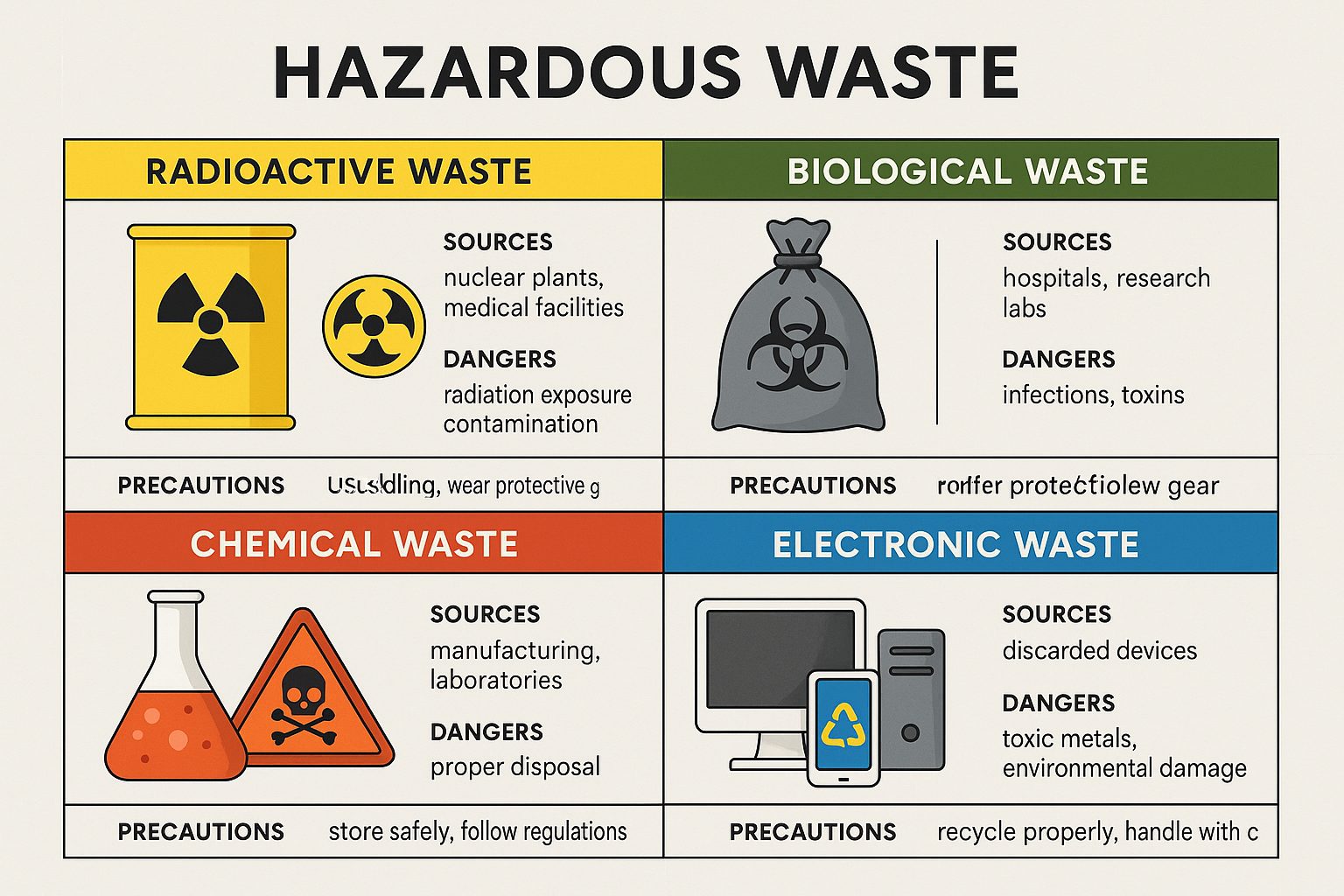
Proper disposal of paint is crucial due to its hazardous composition, which impacts the environment. Paint isn’t merely a household waste, it’s a hazardous waste requiring responsible handling. Liquid paint is banned from skips because it can seep into hazardous soil and waterways, causing pollution. Paint should never be put into landfills as it can damage ecosystems and human health. Learning how to deal with old paint tins effectively helps avoid environmental harm, ensuring that both your conscience and the planet remain unblemished when decorating your home.

Why Paint Can’t Go in Skips
The primary reason paint can’t be put in skips is its hazardous nature. Wet paint poses a significant risk to the environment and has regulations preventing its disposal in skips. By placing paint in a skip, the risk of leaking into the soil increases, leading to contamination. When hazardous waste like paint enters a landfill, it disrupts natural cycles and harms wildlife. Therefore, it’s critical to understand that paint tins require responsible disposal methods, distinguishing them from regular household waste. Your efforts to follow guidelines make a substantial difference in environmental conservation.
What to Do with Empty Paint Tins
After completing your home project, dealing with empty paint containers responsibly is essential for both environmental care and clutter management. Paint tins, particularly empty metal emulsion paint tubs, can often be recycled, reducing household waste effectively. Understanding the recycling options available not only helps in waste management but also contributes positively to environmental conservation. Instead of just pondering on where these cans are disposed of, let’s explore how recycling centres and scrap metal skips can be used to rid your home of these materials without harming the planet.
Recycling Options for Paint Tins
Empty paint tins hold great potential for recycling, and placing them in a scrap metal skip can be one effective method. Ensure the tins are completely free of paint before recycling, as even a small amount of leftover content can complicate the process. Recycling centres are equipped to handle different types of household waste, especially when you consider the impact of improperly discarded tins on the environment vs your bin. In addition, waste recycling facilities analyse and break down these materials, allowing for the metals to be reused innovatively. By prioritizing these options, you’re not just clearing your home, but actively supporting waste recycling efforts. Engage with your local recycling centre to find out how they manage the recycling of empty paint tins.
To effectively manage the recycling of paint tins, consider the following inventive tips and practical methods that not only help the environment but also add a touch of creativity to your recycling routine:
- Donate leftover paint to community centres or schools where it can be used for various projects and touch-ups.
- Transform empty paint tins into stylish planters by adding a few drainage holes at the bottom and applying a coat of non-toxic paint on the outside for aesthetic appeal.
- Use old paint cans as unique storage containers for tools, art supplies, or kitchen utensils, ensuring they are cleaned and labelled properly.
- Get creative by making DIY lanterns with painted tins; simply puncture patterned holes around the tin and place a candle or LED inside.
- Participate in local recycling programs specifically designed for paint tins, which often melt down the metal for reuse in manufacturing.
- Check if your community offers hazardous waste collection days to safely dispose of any paint residue and recycle the tins responsibly. By incorporating these methods, you contribute to a sustainable future while enjoying the creative process of repurposing and recycling.
How to Safely Dispose of Leftover Paint
Properly disposing of leftover paint is essential to ensure a positive impact on the environment and community. Abiding by responsible methods not only prevents pollution but also presents opportunities for reuse. Safely dealing with unused paint involves exploring avenues like donation, where excess can benefit schools or community centres. Contrary to common practice, simply tossing paint into skips isn’t allowed due to its hazardous nature. By understanding these disposal methods, you contribute to a sustainable future. Let’s delve into alternatives for handling leftover paint that doesn’t compromise environmental safety.
Where to Put Paint for Reuse or Donation
Giving your unused paint a second life through reuse or donation is both eco-friendly and community-caring. Instead of letting leftover paint go to waste, consider offering it to art programs, local theatres, or non-profit organizations, which often need supplies for various projects. This ensures the paint is utilized positively without ending up in skips or landfills, preventing any hazardous impact. Additionally, some businesses have paint reuse schemes that facilitate safe disposal while supporting resourceful artistry. By choosing to donate, you’re reducing waste and making a meaningful contribution to local initiatives.
Guidelines for Disposing of Prohibited Items
Disposing of prohibited items like paint involves understanding their environmental impact and the regulations that govern their disposal. Paint, with its hazardous composition, is more than household waste. Knowing how to manage paint properly will prevent pollution and soil contamination, crucial for preserving ecosystems. This section will explore how to identify hazardous waste materials, emphasizing responsible disposal methods and alternatives to ensure paint doesn’t harm the planet or end up in skips. Engage in informed decision-making for your waste, benefiting both your home and the environment.
Identifying Hazardous Waste Materials
Recognizing containers classified as hazardous waste is the first step in proper disposal. Paint is considered hazardous due to its chemical makeup, which can seep into soil and waterways, presenting environmental dangers. Household items labelled as hazardous, like certain cleaning agents and pesticides, require careful handling to avoid contamination. Identifying these materials involves checking packaging for warning labels or hazardous symbols. Once identified, these items shouldn’t be disposed of alongside general waste or in waste skips, as they threaten ecological and human safety. Ensure proper procedures are followed when handling these materials.
Can You Put Paint in a Skip?
When completing home renovations or redecorating, you might wonder, “Can you put paint in a skip?” The short answer is no; paint should never be put in skips due to its hazardous nature. Old paint tins cannot be loaded into waste collection containers like skips because they pose environmental risks. Liquid paint can leak, leading to soil and water contamination, thus skips aren’t the right solution. Instead, homeowners should explore alternative disposal methods to responsibly manage leftover paint, ensuring safety and compliance with waste recycling guidelines.
Safe Alternatives to Skip Disposal
For handling paint responsibly, consider safer alternatives beyond the traditional skip hire. Engaging with a local recycling centre can make a significant difference as they offer facilities for waste recycling that are equipped to manage paint disposal effectively. Instead of skips, think about reuse options or donation possibilities, turning leftover paint into a valuable resource for local art projects or community centres. These centres not only ensure safe disposal but also promote recycling efforts, ensuring old paint doesn’t become hazardous waste. Emphasizing recycling, reuse, and donation helps keep the environment safe and your conscience clear.
Preparing Paint for Proper Disposal
Disposing of paint requires careful preparation to ensure it’s done safely and in compliance with environmental regulations. One of the effective methods involves drying out paint, converting it from a hazardous liquid into a solid form that’s suitable for waste collection. This process minimizes the risk of contamination and enables you to rid your home of potentially harmful materials safely. As you prepare, it’s crucial to consider the tools and steps required for this transformation, ensuring the paint is no longer a liquid that could seep into the soil.
Steps to Dry Out Paint for Waste Collection
To safely rid your home of unused paint, the first step is to dry out the paint until it solidifies. Begin by ensuring paint tins are away from direct sunlight, which accelerates the drying process. You can mix cat litter, sand, or a commercially available paint hardener into the paint. These additions help absorb the liquid rapidly, turning the paint into a manageable solid waste. This solidified paint can then be disposed of with household waste, as it no longer poses a significant environmental threat. Once the paint dries entirely, the remaining paint tins can be recycled, reducing household waste and contributing positively to waste recycling efforts.
Hiring Professional Services for Paint Disposal
When dealing with leftover paint after a home renovation project, hiring professional services can offer a reliable and environmentally friendly solution. Waste management services provide expertise in disposing of hazardous materials safely, ensuring compliance with local regulations. By choosing skip hire or other professional services, homeowners are not only addressing the challenge of leftover paint but are also supporting eco-friendly practices. Leveraging the skills of professionals reduces the risk of improper disposal, which contributes to environmental pollution. It’s an informed choice that eases the disposal process and promotes sustainability.
| Service Type | Environmental Benefits | Compliance and Safety | Process Simplification |
| Recycling Services | Reduces waste in landfills | Adheres to recycling standards | Handles sorting and transportation |
| Hazardous Waste Disposal | Properly manages toxic waste | Meets hazardous waste regulations | Manages documentation and permits |
| General Waste Collection | Limits environmental impact | Ensures general compliance | Simplifies pick-up schedules |
| E-Waste Handling | Prevents harmful emissions | Covers electronic disposal laws | Facilitates specialized collection |
This table effectively encapsulates the crucial role of professional waste management services in offering effective, compliant, and sustainable paint disposal solutions.
When to Hire a Waste Management Service
Engaging with a waste management service for paint disposal is particularly beneficial when dealing with large quantities of leftover material. When your project leaves you with excess paint, managing disposal on your own can be daunting and risky. Professional services are equipped to handle hazardous waste, offering skip hire options tailored to safely collect and dispose of paint without harm to the environment. These services understand local compliance regulations, ensuring that waste doesn’t end up in landfills or cause contamination. Opting for waste management services provides peace of mind, knowing each step is professionally managed. Choosing a service for paint disposal not only streamlines your clean-up process but also ensures that your actions are environmentally responsible. It’s a proactive step towards maintaining a safe and clean home while supporting broader environmental health.
Disposing of paint responsibly not only ensures compliance with local regulations but also supports environmental sustainability. While skips are unsuitable for paint disposal, recycling centres provide a feasible alternative for managing leftover paint and empty pots. Embracing mindful practices like donating unused paint or using eco-friendly disposal services not only aids in maintaining a clean environment but can also spark creativity, with paint often finding new life in community projects. For more sustainable tips and to download our comprehensive guide on responsible waste management, visit our resources section above.
Frequently Asked Questions – FAQs
Can paint be disposed of in a skip?
No, paint should not be disposed of in a skip because it is considered hazardous waste. Liquid paint can leak and cause soil and water contamination.
What are the alternatives to disposing of paint in skips?
Alternatives include recycling empty tins at recycling centres, donating leftover paint to community projects, or hiring professional waste management services.
Why is paint considered hazardous waste?
Paint is considered hazardous due to its chemical composition, which can seep into soil and water, causing environmental harm.
How can leftover paint be safely solidified for disposal?
Mix paint with materials like cat litter, sand, or a paint hardener to absorb the liquid, converting it to solid waste suitable for safe disposal.
1. Add cat litter to the paint.
2. Stir until thickened.
3. Leave to dry completely.
What should be done with empty paint tins?
Empty paint tins should be thoroughly cleaned out and can be recycled at a local recycling centre that accepts metal scraps.