Transforming outdated Artex ceilings or walls can seem daunting, especially without the expertise of a plasterer. Fortunately, there are accessible methods that allow homeowners to modernize these surfaces without the need for traditional plastering.
This guide will uncover practical tips for skimming techniques and alternative solutions, helping you achieve smooth results that refresh your home’s aesthetic. Whether you’re a renovation novice or a DIY enthusiast, these strategies will equip you to tackle Artex with confidence, ensuring a seamless look that enhances your living space.
Brief Overview
Revamping textured Artex walls without traditional plastering offers homeowners cost-effective, DIY-friendly solutions. Techniques such as skimming, panel application, and using textured paint or specialized lining paper can modernize spaces efficiently. These methods enhance aesthetics while minimizing renovation mess, making them ideal for those seeking to refresh their interiors economically.
Homeowners can enjoy improved insulation and soundproofing benefits from panels, or achieve a sleek finish with skimming, all without professional assistance. With careful planning and the right tools, transforming your home’s walls becomes a feasible and fulfilling project.
Key Highlights
- Skimming and panels offer cost-effective solutions to cover Artex without plastering.
- DIY-friendly skimming achieves sleek finishes using minimal tools and simple steps.
- Panels provide insulation, soundproofing, and aesthetic appeal while masking Artex textures.
- Avoiding plastering reduces renovation mess and cost, accessible to DIY home renovators.
- Home makeover methods enhance aesthetics, guided by step-by-step instructions and expert tips.
Exploring Alternatives to Traditional Plastering Techniques
Revamping your home’s interiors can sometimes feel daunting, especially with textured surfaces like artex dominating your walls. Discovering methods to cover artex without traditional plastering can be a game-changer in making the process simpler and more affordable.
By understanding why plastering might be best avoided and the benefits of other techniques, like skimming and using modern panels, you can enhance your home’s aesthetics while saving time and money. Let’s delve into why bypassing plastering could be to your advantage and explore the allure of masking artex effectively.
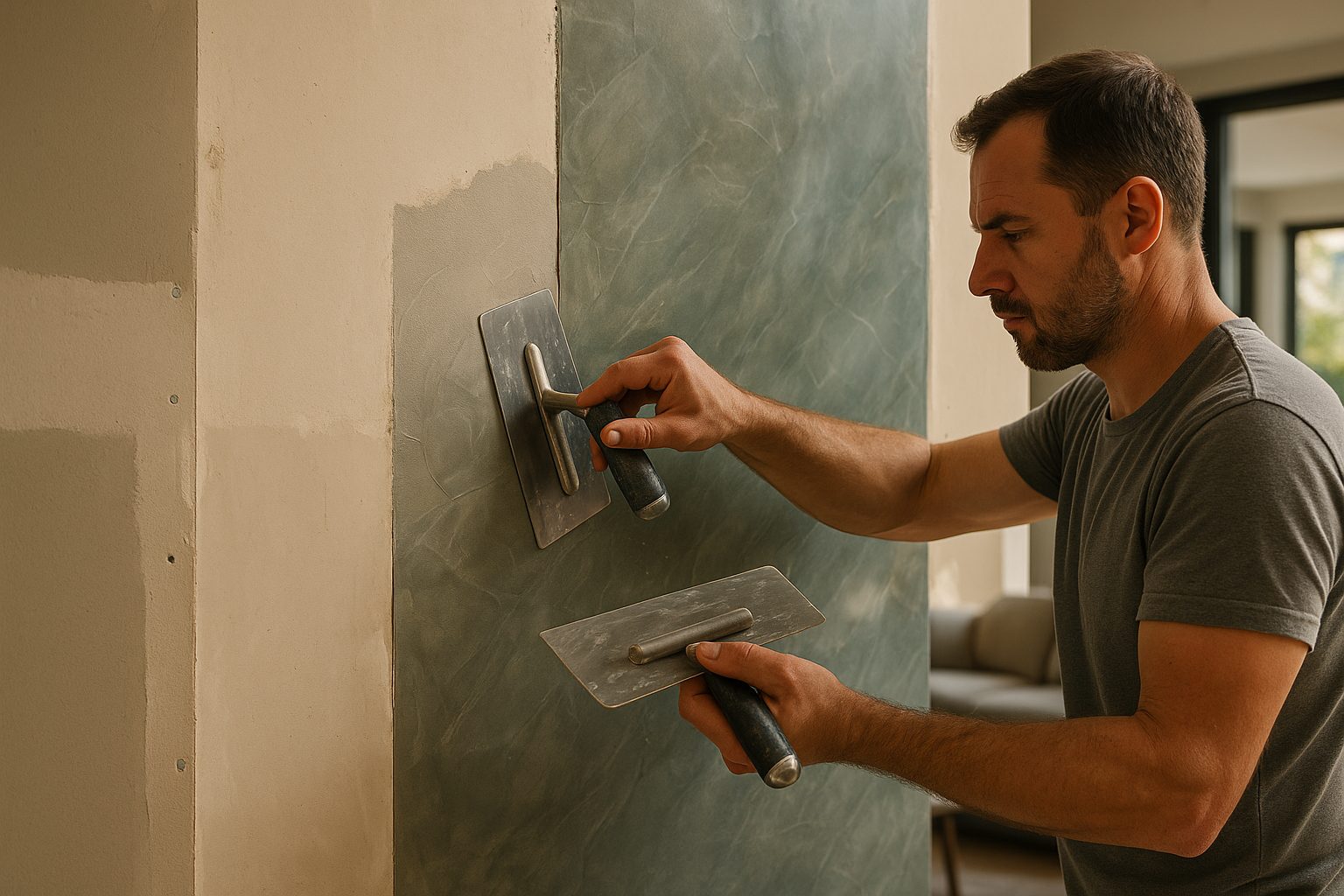
When considering alternatives to traditional plastering techniques, it’s essential to evaluate various aspects such as material types, cost implications, installation methods, and resulting finishes. The following table provides a concise overview to aid in understanding these elements and making informed decisions.
| Material Type | Cost | Installation Ease | Finish Variety | Durability |
|---|---|---|---|---|
| Drywall | Moderate | Simple | Limited | High |
| Venetian Plaster | High | Complex | Extensive | High |
| Plywood Paneling | Low | Moderate | Unique | Moderate |
| Clay Plaster | Moderate | Complex | Natural | High |
| Wall Tiles | Varies | Moderate | Variety | High |
This table highlights the practical and aesthetic advantages of exploring alternatives to traditional plastering techniques. Each option presents distinct benefits in terms of material performance and visual appeal, allowing for customized solutions that cater to specific architectural requirements and personal preferences.
Why Avoid Plastering When Renovating Walls?
For many homeowners, avoiding plastering is a matter of practicality and cost-efficiency. Plastering can be a labour-intensive job that demands significant time and expertise. The materials alone can be expensive, not to mention the hiring of a skilled plasterer. By dodging this traditional method, you can address artex without a hefty investment. Additionally, plaster poses several challenges; its dust and debris can be a hassle during and post-renovation, making your home environment chaotic.
Opting for alternatives, such as skimming artex or applying decorative panels, reduces these issues while still delivering that sleek, smooth finish homeowners desire. Furthermore, with no need for specialized skills, DIY enthusiasts can embrace easier methods and make home improvements at their own pace. Avoiding plastering allows for innovative ideas to shine that suit both novice and seasoned renovation fans without sacrificing quality or style.
Understanding the Appeal of Covering Artex
The appeal of covering artex arises from both aesthetic and practical considerations. Artex, once popular in home designs, can appear dated and hard to maintain or change. Homeowners seeking a modern look prefer alternatives to plaster that provide a smooth or stylish finish over artexed walls. One benefit of these options, like skimming, is their ability to freshen up your walls dramatically without the complexities of a full-blown plastering task.
Decorative panels further offer versatility and design flexibility that can transform any space. They are available in various finishes and textures, allowing homeowners to add visual interest and character while concealing unappealing artex beneath. Additionally, these methods considerably cut down the redecorating job time, making them a quicker, cleaner option. Ultimately, exploring other methods over traditional plaster creates opportunities for personal expression and a fresh look that’s both bold and practical.
Continuing our exploration of the advantages of covering artex, there are several noteworthy benefits to consider:
- Enhances aesthetic appeal by creating a smooth, modern surface free from outdated textures.
- Increases property value by aligning with contemporary interior design trends.
- Offers a safer environment by encapsulating potential asbestos-containing materials.
- Provides a quick and non-intrusive transformation with minimal disruption to daily life.
- Improves lighting dynamics in a room by creating reflective, even surfaces.
- Reduces maintenance requirements with an easier-to-clean, uniform ceiling finish.
- Allows for personalization through choice of finishes, colors, and patterns.
- Enhances insulation properties when combined with modern plasterboard techniques.
These benefits make covering artex an attractive option for those looking to upgrade their living space efficiently.
Skimming for a Smooth Finish: A DIY Approach
Renovating without the mess of plastering has never been easier, especially with the skimming technique growing in popularity. Skimming offers a clean, sleek finish over textured walls like artex, allowing homeowners to revitalize their homes without professional help.
This DIY-friendly approach involves applying a thin layer of joint compound or a similar material directly on the surface, bypassing the need for heavy plaster. Discovering these methods equips you with tools to refurbish walls effectively, maintaining control over both the process and budget while achieving stunning results.
| Step | Materials Needed | Key Tips | Outcome |
|---|---|---|---|
| 1. Prepare the Surface | Sandpaper, Dust Sheet | Ensure the wall is clean and smooth for better adherence. | A debris-free wall; optimal base for skim coat. |
| 2. Mix the Compound | Joint Compound, Mixing Paddle | Achieve a thick, creamy consistency for easy application. | Smooth, lump-free mixture ready for use. |
| 3. Apply the Compound | Plastering Trowel, Hawk | Spread evenly with firm, consistent strokes. | Uniform layer covering all imperfections. |
| 4. Smooth and Finish | Wide Drywall Knife | Feather edges and remove excess compound. | Seamless, smooth surface ready for painting. |
This table outlines the steps and considerations for achieving a professional wall finish using the skimming method, empowering homeowners to undertake renovations with confidence.
How to Successfully Skim Walls Without a Plasterer
Tackling the skimming of walls on your own can seem daunting but is entirely achievable with the right techniques. Start by gathering necessary materials: skimming compound, a quality trowel, and a sanding block. Each tool plays a pivotal role in ensuring a smooth, professional finish. Begin by preparing the wall, ensuring it’s free of dust and loose debris.
This critical step prevents blemishes in the skimmed layer. When applying skimming compound, use a trowel to spread thin, even coats across the artex surface. It’s essential to work in small sections, allowing you to manage the compound efficiently and avoid premature drying. Once applied, the compound requires time to cure; patience here directly impacts the longevity of your new wall finish. After drying, gently sand the surface to eliminate any imperfections, using a fine-grit sanding block for precision.
This step ensures the final result is impeccably even. With dedication and the proper approach, skimming transforms DIY enthusiasts into adept renovators, offering a seamless finish without the complexities or expenses of professional plastering. Embrace this method, and see your home’s walls reflect your personal style and effort, transforming your space with minimal disruption.
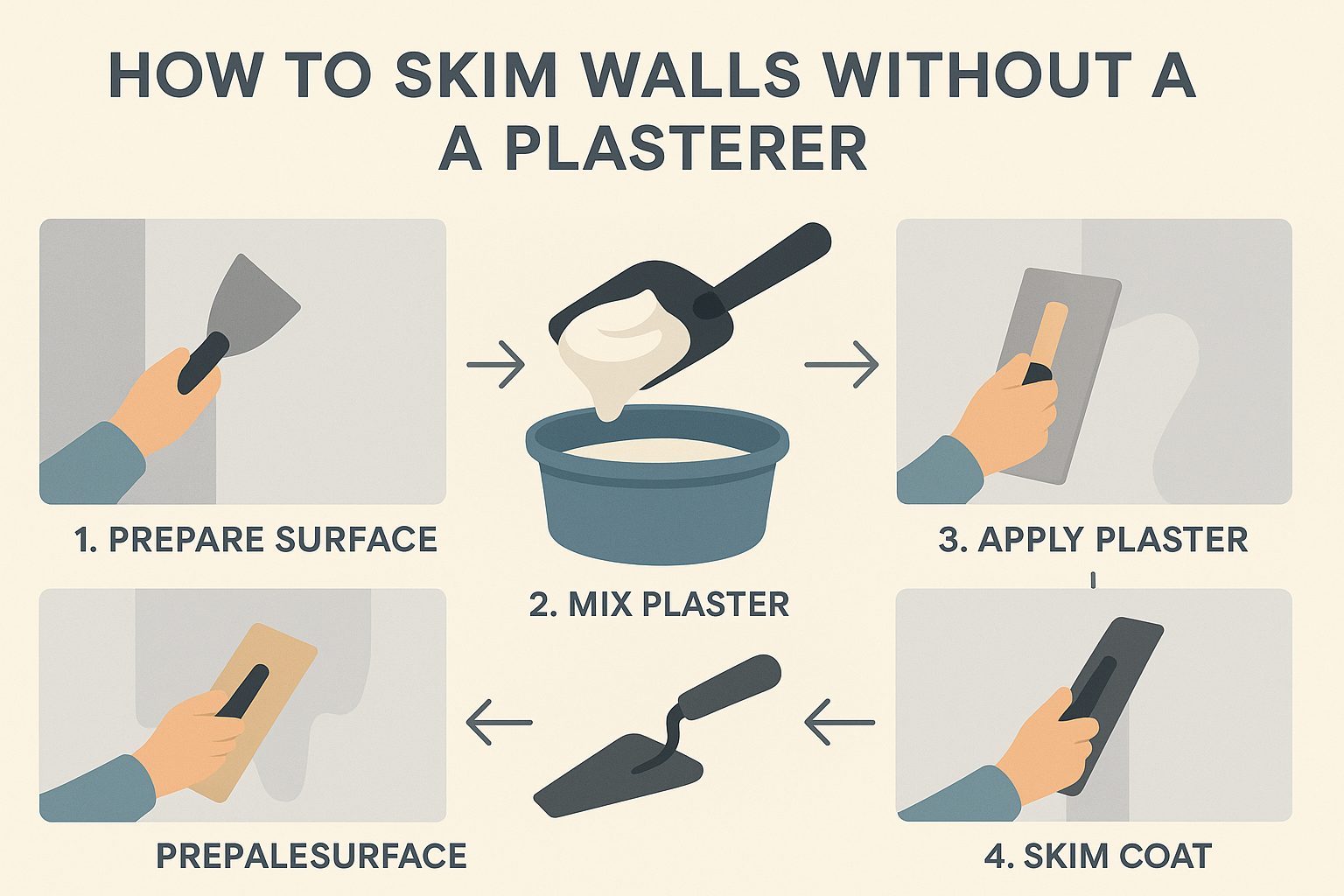
| Step | Materials Needed | Key Techniques | Benefits |
|---|---|---|---|
| Preparation | Drop cloths, Painter’s tape, Sandpaper | Protect surfaces and sand walls evenly | Minimizes mess, ensures a smooth base |
| Mixing | Joint compound, Mixing paddle, Bucket | Use drill with paddle to mix to a smooth consistency | Prevents clumps, ensuring easier application |
| Application | Trowel, Putty knife | Apply thin layers in a sweeping motion | Creates an even layer, reduces drying time |
| Finishing | Wet sponge, Fine grit sandpaper | Buff and smooth after drying | Achieves professional finish with minimal effort |
This table succinctly outlines the DIY skimming process, highlighting the materials, techniques, and benefits of achieving a professional finish on a budget.
Applying Panels as a Modern Solution
Covering artex without plastering can be straightforward when utilizing panels as a chic alternative. These offer an array of benefits for updating wall and ceiling aesthetics without the mess of traditional plastering. Panels not only mask the dated texture of artex ceilings but also provide insulation and soundproofing benefits.
Additionally, applying them can be a DIY-friendly task, facilitating renovations without professional intervention. Explore the advantages of incorporating panels and learn the steps to install them seamlessly and efficiently in your home improvement projects.
| Benefits | Materials | Installation Steps | Maintenance Tips |
|---|---|---|---|
| Smooth finish | Wood | Measure area | Regular dusting |
| Time-efficient | Vinyl | Cut panels to size | Avoid harsh chemicals |
| Cost-effective | PVC | Secure panels with adhesive or nails | Wipe with damp cloth |
| Versatile design options | Laminate | Seal joints | Inspect for damages |
This table encapsulates how panels serve as a practical alternative for covering artex, highlighting their benefits, material options, installation process, and maintenance needs.
Benefits of Using Panels Over Existing Wall Textures
Panels present a brilliant choice for covering outdated wall textures like artex due to their multifunctionality. They’re not just about aesthetic appeal, these panels act as a barrier against sound and enhance insulation, making your home more energy-efficient. Various types of panelling materials are on the market, from elegant wood to sleek plastic, each bringing different textures and colours to complement your decor.
Applying panels over artex ceilings modernizes your space while reducing the time and effort otherwise spent on plastering. Additionally, they offer a protective layer that minimizes damage to the walls, thereby extending the life of surfaces beneath. Panels are also relatively easy to maintain, requiring only minimal cleaning to keep them looking fresh.
Homeowners aiming for a quick, clean makeover will find these panels a practical and sustainable choice, effectively transforming living spaces with effortless elegance.
Steps for Applying Panels Without Professional Help
Applying panels on your own is a feasible task, even for those with limited DIY experience. Start by selecting the appropriate panels and panelling material that best suit your home’s aesthetic and climate needs. Measure the walls carefully to estimate the amount of material you’ll need, accounting for any ceilings that might also require coverage.
Begin by installing furring strips, thin wood or metal strips affixed to the walls or ceiling. These strips provide a foundation to attach your panels, ensuring they’re level and securely fastened. Once the furring strips are in place, you can start installing the panels or ceiling tiles over them, using screws or adhesive, depending on the material recommendations. Ensure all panels are flush to create a seamless look, and consider using matching ceiling paint to blend any edges for a polished finish.
This stepwise approach not only saves on professional fees but gives homeowners the satisfaction of revamping their spaces independently while adhering to modern interior trends.
| Advantages | Material Options | Installation Steps | Considerations |
|---|---|---|---|
| Aesthetically pleasing finishes Improved insulation Quick and hassle-free solution | Wood: Natural look, sustainable Plastic: Lightweight, waterproof MDF: Affordable, versatile | Measure the wall area Cut panels to size Use adhesive or nails for attachment Finish edges with trim | Climate compatibility Maintenance needs Budget constraints Durability and lifespan |
This table succinctly captures the multifunctional benefits of panels and guides on their application, emphasizing the DIY-friendly nature of this modern renovation solution.
By employing these strategies to cover Artex, you can achieve a smooth and modern finish without the mess and expense associated with traditional plastering. Whether you opt for skimming, using specialized lining paper, or applying textured paint, each method offers its unique advantages tailored to different skill levels and preferences.
With careful planning and the right tools, transforming your space becomes a manageable and rewarding project. For those seeking further guidance, our downloadable guides and expert advice are readily available to support you every step of the way. Unleash your home’s potential without professional intervention.
Frequently Asked Questions
What are the benefits of skimming Artex walls without traditional plastering?
Skimming offers a sleek, modern finish to Artex walls without undergoing the time-consuming and costly process of traditional plastering. This technique is DIY-friendly and requires minimal tools, making it accessible and cost-effective for homeowners.
How can panels be used to cover Artex surfaces?
Panels can be applied as a chic alternative to conceal Artex textures, offering insulation and soundproofing benefits. This method is DIY-friendly and helps modernize the space without the mess associated with plastering.
Why might homeowners choose to avoid traditional plastering?
Traditional plastering can be labor-intensive, expensive, and time-consuming. It often requires professional expertise, and the process generates a lot of dust and debris, which can disrupt the home environment.
What materials are necessary for skimming Artex on your own?
For a DIY skimming project, you will need skimming compound, a quality trowel, and a fine-grit sanding block. These materials help in achieving a smooth finish over the Artex surface.
How do decorative panels enhance the aesthetics of a room?
Decorative panels offer a variety of textures and finishes that can transform any space. Available in materials like wood or plastic, they not only hide Artex but also allow for personalized design and modern flair.