The construction sector is undergoing rapid transformation driven by technology and sustainability. Tools like Augmented Reality (AR) and Virtual Reality (VR) now allow project teams to visualize sites and detect issues before building begins, improving collaboration and efficiency.
Sustainability is central, with recycled and low-carbon concrete, green materials, and energy-efficient designs becoming industry standards to reduce environmental impact. The labor shortage remains a challenge, prompting major investments in training and workforce diversity to ensure safety and quality. Government spending is fueling growth by modernizing transport and urban infrastructure, supporting population and economic expansion despite high costs.
Digital transformation further strengthens the industry through advanced project management software, modular construction, supplier diversification, and real-time updates—helping projects stay resilient and on schedule.
Advancements in Safety and Equipment Housing
Source: Unsplash
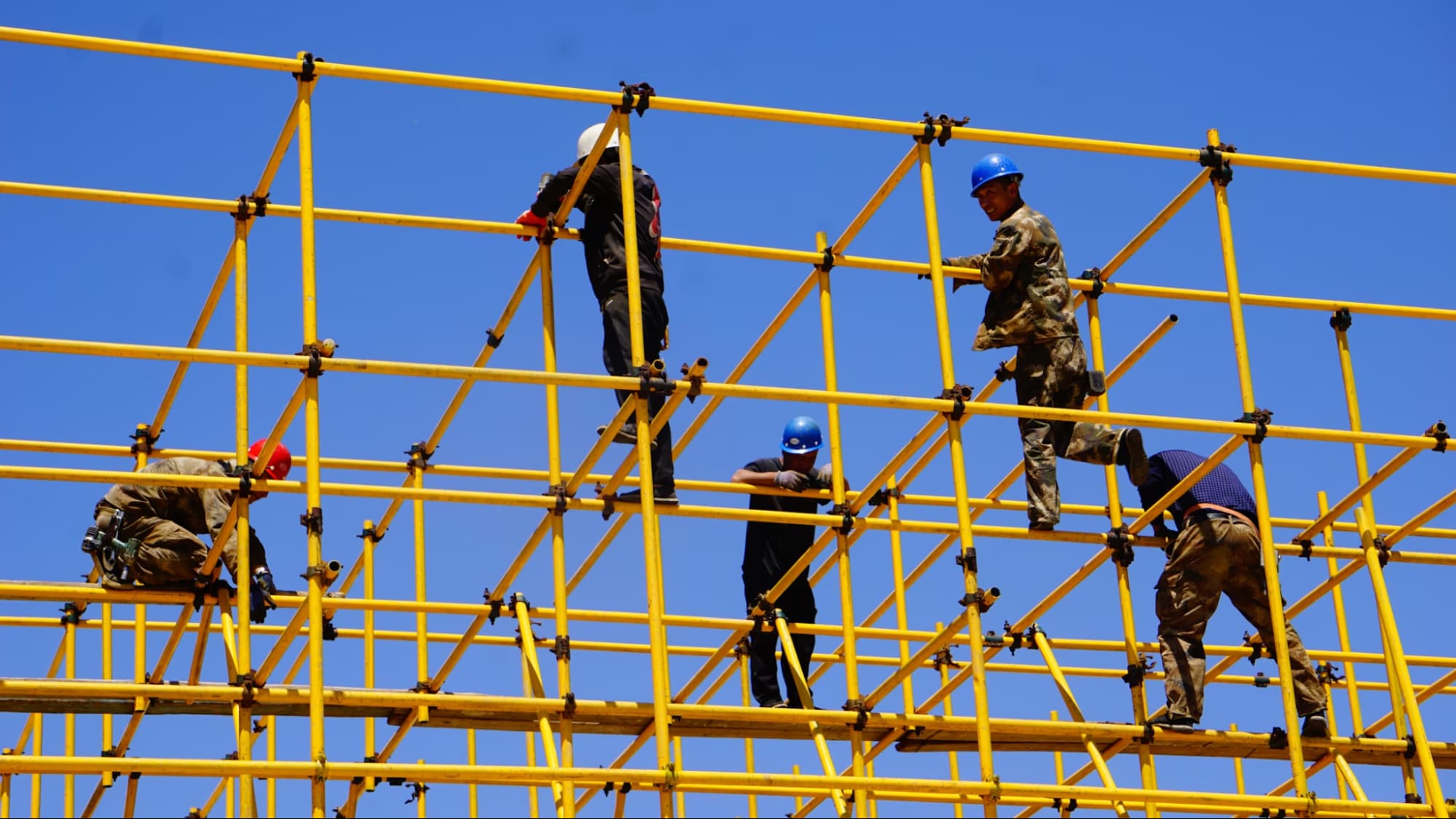
Safety is paramount in construction, and advancements in equipment housing are crucial for protecting sensitive equipment and maintaining site safety. Building Information Modeling (BIM) enhances project management with real-time updates and design simulations, ensuring compliance with safety regulations. Machine learning applications can reduce incident rates by up to 50%, making construction sites safer.
Augmented and virtual reality training allows construction workers to practice in simulated environments without real-world risks, improving safety and enhancing skills and preparedness. Autonomous machinery minimizes human error and increases efficiency, further enhancing job site safety.
Safety helmets with chin straps and impact-reducing systems provide better protection during accidents, remaining secure during falls and absorbing significant force to reduce injury risk. Wearable technology like smart helmets and sensors enables real-time monitoring of worker health and safety on construction sites to improve safety.
Drones enhance safety by allowing site inspections without exposing workers to hazardous conditions. Professionals can explore high-quality options from specialized providers like Shop Metal Enclosure. Integrating these technologies into safety equipment meets the increasing demands for better protection in the construction industry.
Streamlining Supply Chains and Project Logistics

Source: Unsplash
Logistics and timely delivery are critical for construction project success. Effective logistics management impacts productivity and cost control. Proper supply chain management involves meticulous planning for material sourcing, contract negotiations, and timely deliveries to avoid supply chain issues and cost overruns that can derail project timelines.
Transportation logistics ensure timely and safe material and equipment delivery, optimized through efficient route planning. This reduces downtime and keeps projects on schedule. Effective inventory management involves tracking and storing materials to prevent shortages or overstocking, addressing waste management challenges. On-site logistics focus on organizing material movement and storage to enhance efficiency and safety.
Technology, including drones and management software, streamlines logistics and improves project coordination. These tools provide real-time data and analytics, aiding project managers in making informed decisions and addressing potential issues before they escalate. Effective risk management involves planning for potential delivery delays and labor shortages, ensuring maintained project timelines and efficient capital project completion.
Customs services are vital when importing specialized equipment or enclosure components. Prompt delivery of these components is essential to maintaining project timelines and avoiding additional operational costs.
The Role of Skilled Trades in Achieving Quality Finishes
Skilled tradespeople are the backbone of the construction industry, ensuring high standards of quality and craftsmanship. Carpenters, in particular, enhance both the functionality and visual appeal of projects. Their expertise ensures precise construction of joints and supports, contributing to overall building stability.
Expert carpentry improves durability and adds aesthetic value, making structures more attractive to buyers. Meticulous craftsmanship is essential for achieving desired finishes in projects. New technologies in carpentry enhance precision and efficiency, allowing for more complex and intricate designs.
Skilled trades increasingly adopt sustainable practices, such as using reclaimed wood and eco-friendly materials to enhance energy efficiency. These practices minimize the environmental impact of construction processes, aligning with broader sustainable construction goals while also focusing on reducing waste in a circular economy.
The growing demand for skilled expertise worldwide highlights the importance of professional trades in achieving quality finishes. For example, painters in North Shore Auckland exemplify the craftsmanship and attention to detail essential in the construction industry.
Offshore Engineering and Structural Support
Offshore solutions in construction strengthen large-scale infrastructure projects. Offshore structural engineering and civil engineering involve designing and constructing marine structures like oil rigs and wind turbines, ensuring their durability against environmental challenges. Engineers must have a strong grasp of mathematics and physics to develop structures that withstand harsh marine conditions.
Safety and risk management are critical in offshore engineering, requiring professionals to identify and mitigate hazards linked to marine construction. Key points include:
- Offshore platforms are categorized into floating facilities and fixed structures based on design and placement.
- The demand for offshore structural engineers is rising, with numerous job openings highlighting industry growth.
- Training in offshore structural engineering is crucial for understanding real-world tools and techniques, contributing to successful project outcomes.
Frankin Offshore International exemplifies global expertise in mooring and offshore engineering services that support construction industries. Their work highlights the importance of specialized knowledge and advanced technologies in executing complex offshore projects. Leveraging such expertise ensures the safety, efficiency, and durability of offshore infrastructure.
Enhancing Durability with Advanced Coating Technologies
Surface protection and long-term maintenance are critical in construction, particularly in industrial and commercial spaces. Advanced coating technologies offer practical solutions for enhancing durability and safety. Epoxy floor coating are robust, providing a durable surface that withstands heavy traffic and harsh conditions, ideal for industrial applications.
These coatings contribute to sustainable construction by reducing the need for frequent repairs and replacements, lowering carbon emissions and operational costs. Integrating smart technologies and low carbon materials, advanced coatings extend the lifespan of construction materials, ensuring buildings remain safe and functional longer.
The Future of Integrated Construction Solutions
The future of construction lies in integrated solutions merging innovation, logistics, safety, and sustainability that address modern needs. Advanced technologies like AI and IoT enhance project efficiency and collaboration, transforming infrastructure project management. The shift towards sustainable building practices drives demand for technology integration that minimizes environmental impact and promotes climate resilience, including smarter grids, while also addressing climate change in smart cities.
Digital twins and simulation technologies play a crucial role in improving construction project planning and management. They allow digital simulation of physical structures, providing valuable insights into maintenance and operations. Collaborative platforms connecting various stakeholders are emerging as vital tools for future integrated solutions, ensuring alignment and information sharing among all parties.
The construction industry is undergoing a major shift with the increasing adoption of advanced technologies and technological advancements that streamline processes and enhance project delivery. AI and machine learning optimize workflows, potentially increasing industry profits by 71% by 2035. 3D printing technology is transitioning from novel to standard practice, promising faster project timelines and reduced costs.
Extended Reality (XR) technologies transform project visualization and site assessments, enhancing collaboration while addressing safety concerns. Connected construction unifies data and workflows across projects, reducing information silos and improving decision-making efficiency. By integrating these innovative approaches, the construction industry can achieve smarter, more efficient, and more sustainable infrastructure solutions.
Conclusion
In conclusion, the construction industry is on the cusp of a new era characterized by technological advancements, improved safety measures, efficient logistics, and sustainable practices. The integration of innovative approaches, such as AR, VR, AI, and advanced coating technologies, is reshaping the way modern projects are executed. Skilled trades and offshore engineering solutions further enhance the quality and durability of construction outcomes.
As we look to the future, the continued adoption of these technologies and practices will drive progress across the industry, ensuring that infrastructure projects meet the demands of a rapidly changing world. By embracing these innovations, the construction sector can build a more resilient, efficient, and sustainable built environment.
Frequently Asked Questions
How are AR and VR technologies used in the construction industry?
AR and VR technologies revolutionize the construction industry by enabling immersive project visualization and fostering collaboration among stakeholders. This not only helps identify issues early but also enhances project efficiency, ensuring a smoother construction process.
What are some sustainable building practices being adopted in modern construction?
Many modern construction projects are embracing sustainable building practices like eco-friendly materials, energy-efficient designs, and recycled concrete. By adopting these methods, you can contribute to a healthier planet and foster sustainable infrastructure development!
How do advanced coating technologies enhance the durability of construction materials?
Advanced coating technologies significantly boost the durability of construction materials by creating resilient surfaces that resist wear and harsh conditions. Embracing these innovations not only minimizes repair costs but also supports a more sustainable future.
What role do skilled trades play in the construction industry?
Skilled tradespeople are vital to the construction industry, enhancing both the functionality and beauty of projects while prioritizing sustainability. Their expertise not only ensures high-quality results but also contributes to a more responsible approach to building.
What are digital twins, and how do they benefit construction projects?
Digital twins are dynamic digital replicas of physical structures that enhance construction projects by enabling real-time monitoring and simulation. By providing valuable insights, they boost decision-making and efficiency, helping you achieve successful project outcomes.