Concrete clad ding is a durable and low-maintenance option for modern building exteriors. This article covers what concrete clad is, its benefits, types, and practical tips for installation and maintenance.
Key Takeaways
- Concrete cladding is a durable, cost-effective, and low-maintenance solution for modern exteriors, offering long-term aesthetic and functional benefits.
- The versatility of concrete cladding panels allows for various designs, textures, and insulation options, making it suitable for diverse architectural styles and climates.
- Despite the initial investment, concrete cladding enhances property value through its longevity and minimal maintenance needs, providing significant savings over time.
Top Benefits of Concrete Cladding
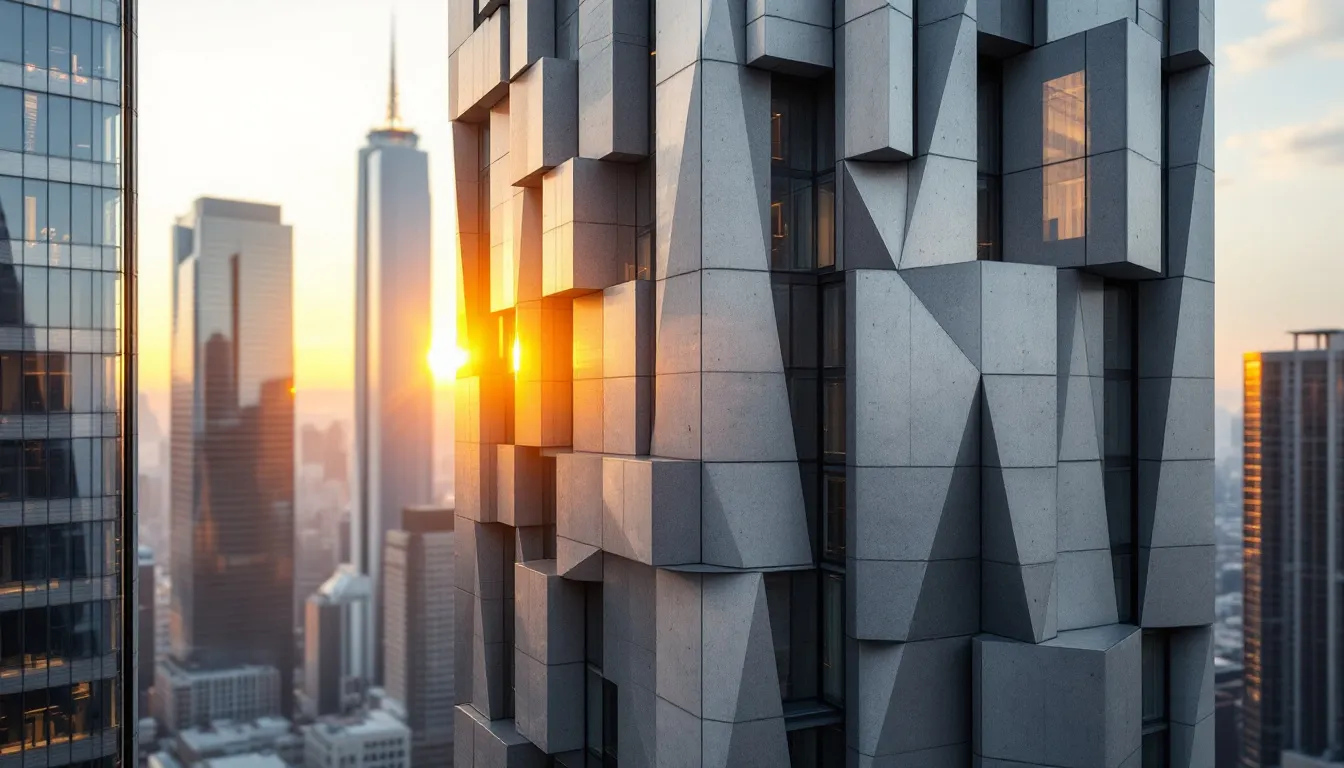
Concrete cladding stands out as a cost-effective, low-maintenance, and long-lasting solution for modern exteriors. Unlike traditional timber cladding, which often requires frequent upkeep, concrete cladding demands minimal maintenance, saving both time and money in the long run. The use of Cedral materials, in particular, ensures that the cladding remains in pristine condition with very little effort.
Concrete cladding’s ability to enhance the aesthetic appeal of any building is one of its most compelling advantages. Covering imperfections and providing a sleek, modern look, concrete cladding significantly boosts the visual appeal of facades. Whether you’re aiming for a contemporary design or a more traditional look, concrete cladding offers the versatility to achieve your desired aesthetic.
Besides its visual and maintenance benefits, concrete cladding is also known for its durability. It can withstand harsh weather conditions and is resistant to various external factors, making it a reliable choice for long-term use. These benefits make concrete cladding an ideal option for those looking to invest in a durable and visually appealing exterior solution.
Concrete Cladding Panels
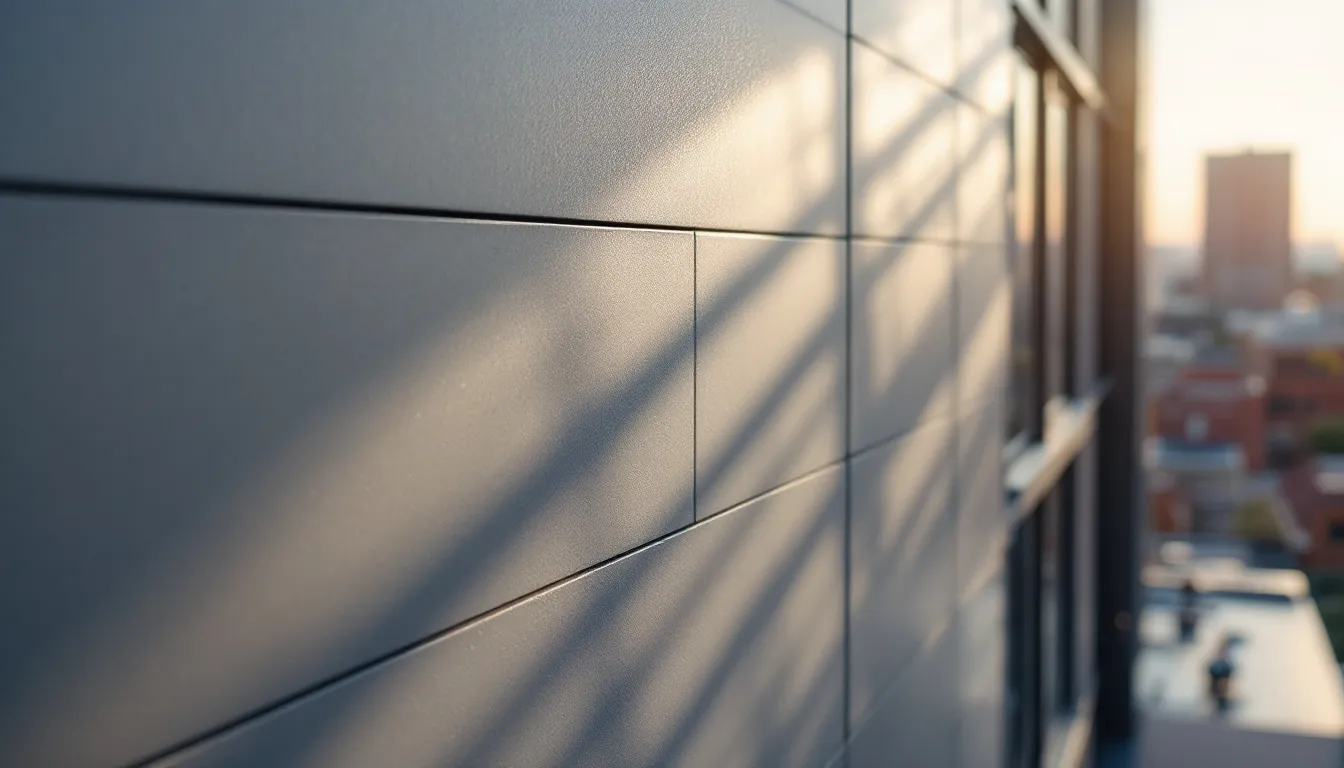
Concrete cladding panels come in various types, each designed to meet specific needs and preferences. Precast concrete panels, for instance, offer the advantage of quick on-site installation, significantly reducing construction time and labor costs. These panels can be manufactured with insulation and windows already fixed, streamlining the installation process and enhancing the building’s energy efficiency.
Insulated concrete panels are another popular option, providing both thermal insulation and a durable exterior finish. These panels are particularly beneficial in regions with extreme weather conditions, as they help maintain a stable indoor temperature while protecting the building’s structure. Textured concrete panels, on the other hand, offer a unique aesthetic appeal by mimicking natural textures like wood or stone.
The versatility of concrete cladding panels is further enhanced by their design flexibility. They can be finished in various textures, such as board-mark textures, geometric patterns, or even 3-dimensional shapes, allowing for endless design possibilities. Whether you prefer a smooth, modern finish or a more rustic, traditional look, concrete panels can be customized to meet your specific design preferences.
One of the standout features of concrete cladding panels is their ease of installation and removal. This makes them an excellent choice for various building projects, as they can be easily adjusted or replaced as needed. Additionally, the panels can be designed to mimic natural materials like woodgrain, granite, or slate, offering a high-end look without the associated costs and maintenance.
Concrete cladding panels provide a practical and aesthetically pleasing best solution for modern exteriors, combining durability, design flexibility, and ease of installation. These panels are manufactured to meet the highest standards, ensuring a high-quality finish that enhances the overall appearance and performance of the building. The process to manufacture these panels has achieved their reliability and longevity, often supported by external scaffolding.
Design Flexibility with Concrete Cladding
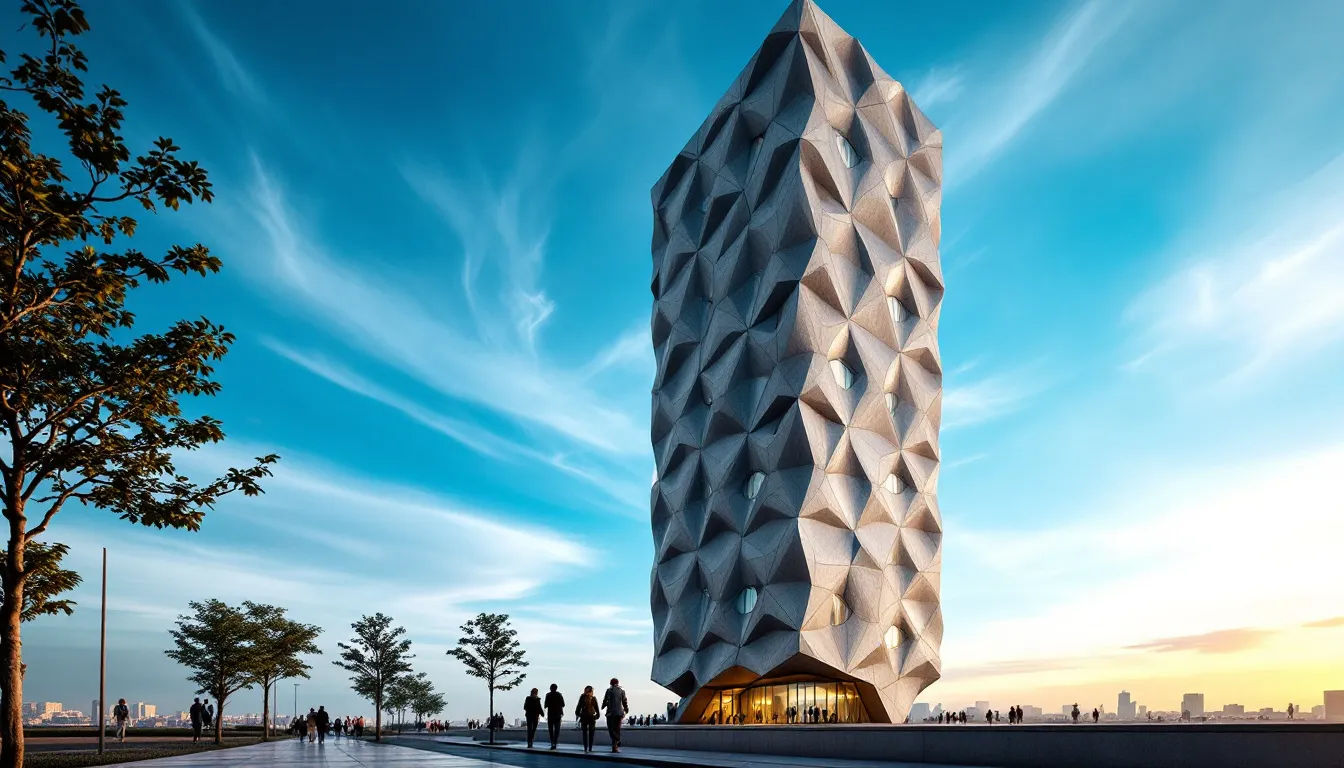
Concrete cladding offers unparalleled design flexibility, making it a preferred choice for architects and designers. Available in a wide range of colors, including custom options, concrete cladding allows for personalized design that can match any architectural vision. Whether you’re looking to create a bold statement with vibrant hues or prefer a more subdued, neutral palette, concrete cladding can be tailored to meet your specific aesthetic needs.
In addition to colours options, concrete cladding supports a variety of architectural styles, from ultra-modern to traditional. This versatility enables it to seamlessly blend into any design theme, making it a highly adaptable material. For instance, concrete panels can be finished to replicate the look of traditional timber cladding, offering the charm of wood without the associated maintenance.
The pliable material formed by concrete allows it to be shaped into various shapes and textures, further expanding its design possibilities. From smooth, minimalist surfaces to intricate, textured patterns, concrete cladding can be customized to achieve the desired look and feel for any project. This design flexibility makes concrete cladding an excellent choice for both new constructions and renovations, allowing for creative and innovative architectural expressions.
Concrete cladding not only enhances the visual appeal of exterior walls but also contributes to the overall structural integrity of the building. Its ability to integrate seamlessly with other materials and construction elements ensures a cohesive and harmonious design. Whether you’re building a contemporary masterpiece or restoring a historic structure, concrete cladding provides the design flexibility needed to bring your vision to life.
Installation Process
The installation process for concrete cladding is straightforward, yet crucial for achieving the best results. The first step involves ensuring that the exterior wall surface is clean and free from any obstructions, which is essential for a smooth installation. Once the surface is prepared, the cladding panels should be measured accurately and cut to size using appropriate tools like a jigsaw or circular saw.
The installation begins with the placement of a starter strip at the bottom of the wall, which provides support for the subsequent cladding panels. Each panel should be installed with a small gap between them to allow for expansion and prevent buckling. This attention to detail is crucial for ensuring the longevity and performance of the cladding. To ensure proper results, it is essential to install the panels correctly.
End caps should be mounted on the exposed ends of the cladding panels to provide a neat finish and additional protection against moisture and debris. After the panels are securely in place, it’s important to inspect the installation thoroughly and use silicone sealant to fill any gaps, ensuring a watertight seal. Applying a water-repellent treatment is also recommended to protect the cladding from moisture-related issues like warping or rot.
Hiring professionals is highly recommended for those who lack experience in installing concrete cladding. Professional installation ensures that the cladding is installed correctly and efficiently, maximizing its benefits and longevity. Investing in professional installation can save time and money in the long run, ensuring a high-quality finish that enhances the overall appearance and performance of the building.
Durability and Longevity
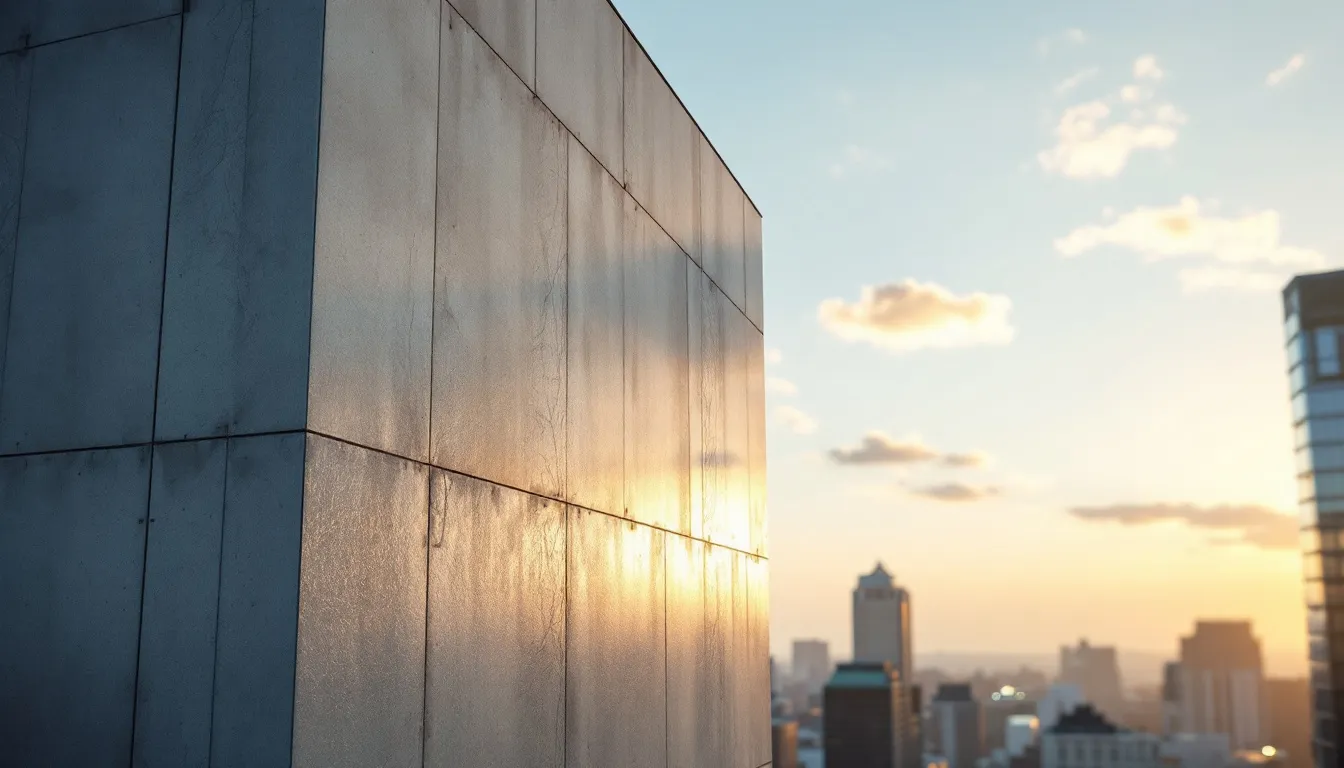
Concrete cladding is renowned for its exceptional durability, making it a long-lasting solution for modern exteriors. It offers outstanding resistance to adverse weather conditions, including extreme cold and wet environments, ensuring that the building’s exterior remains intact and visually appealing. Cedral cladding, in particular, is designed to withstand the harshest weather conditions without deterioration, making it a reliable choice for any climate.
In addition to weather resistance, concrete cladding panels are also resistant to rust, fire, and insect damage. Cedral cladding’s fire rating performance classification is A2-s1,d0 according to EN 13501-1:2018, providing peace of mind for building safety. Furthermore, Cedral materials are immune to pest and insect attacks, eliminating concerns about infestations and structural damage, while also ensuring fire resistance.
One of the key benefits of concrete cladding is its long lifespan. Fibre cement facades, like Cedral, have a minimum life expectancy of 50 years, ensuring that the investment in concrete cladding pays off over time. Unlike traditional materials, Cedral cladding does not require frequent repainting or maintenance, further contributing to its longevity and cost-effectiveness.
Concrete cladding’s durability extends beyond its pest resistance to weather and pests. It is also highly resistant to rot, making it a more reliable option compared to wood, which is prone to decay. This durability ensures that concrete cladding remains a robust and aesthetically pleasing solution for modern exteriors, providing long-term value and performance.
Environmental Impact
Concrete cladding’s environmental impact is an important consideration in today’s construction practices. Efforts to develop carbon-neutral concrete involve using low-emission cements and incorporating materials that absorb CO2, significantly reducing the carbon footprint of concrete production. The Marshall Building at the London School of Economics, for example, features a concrete mix that includes ground granulated blast-furnace slag (GGBS), helping to lower carbon emissions.
However, the extraction of raw materials like limestone for concrete can lead to habitat loss and reduced biodiversity, highlighting the need for more sustainable practices. Integrating renewable energy into concrete production is essential for mitigating these environmental impacts and promoting a more sustainable construction industry.
Sustainability in construction is becoming increasingly important, and advancements in materials and processes are crucial for reducing the environmental impact of concrete cladding. Innovations such as carbon-neutral concrete and eco-friendly production methods are paving the way for a greener future in the construction industry.
While concrete cladding offers numerous benefits and other benefits, it’s essential to consider its environmental impact and strive for more sustainable practices. Adopting environmentally friendly materials and processes allows the construction industry to reduce its carbon footprint and contribute to a more sustainable future.
Cost Considerations
Concrete cladding is a cost-effective choice for both interior and exterior applications, providing long-term value due to its durability and minimal maintenance requirements. While the initial investment in concrete cladding may be higher than some other materials, the long-term savings make it a wise choice. Its longevity and resistance to weather, pests, and fire reduce the need for frequent repairs and replacements, resulting in lower overall costs.
Investing in concrete cladding can also enhance property value and lead to favorable returns on investment. The attractive and resilient nature of concrete cladding makes it an appealing option for potential buyers, increasing the marketability of the property. This potential for increased property value further justifies the initial investment in concrete cladding.
In conclusion, while the upfront cost of concrete cladding may be higher, its long-term benefits and cost savings make it a cost-effective solution for any building project. Choosing concrete cladding means investing in a durable, low-maintenance, and visually appealing exterior solution that offers excellent value for money.
Case Studies
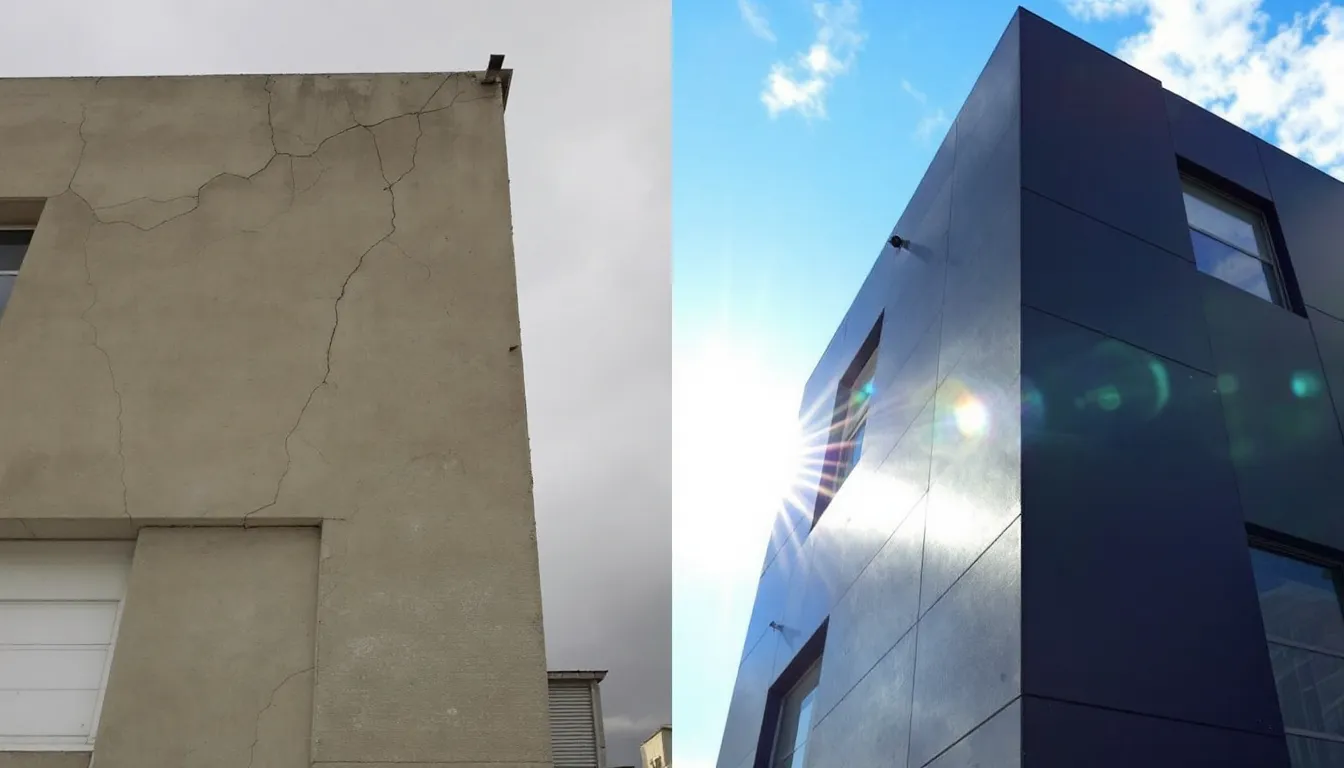
The Marshall Building at the London School of Economics serves as an exemplary case study for the use of concrete cladding. This building features a unique design that emphasizes both aesthetics and structural integrity, showcasing the versatility and appeal of concrete cladding. The design incorporates large, open spaces supported by innovative use of concrete elements, allowing for a column-free sports hall in the basement.
The façade of the Marshall Building is characterized by tall concrete fins that provide sun shading and enhance the building’s visual appeal. These fins not only contribute to the building’s aesthetic but also offer practical benefits by reducing solar gain and improving energy efficiency. This combination of forms and function highlights the advantages of concrete cladding in modern architectural design.
Concrete cladding serves as a versatile building material that combines both aesthetics and structural integrity. The Marshall Building demonstrates how concrete cladding can be used to create visually stunning and structurally sound buildings that builds meet the demands of contemporary architecture.
This case study underscores the benefits of concrete cladding and its potential to transform exterior spaces. Examining real-world applications like the Marshall Building helps us better understand the practical advantages and design possibilities offered by concrete cladding.
Comparison with Other Materials
Concrete cladding offers several advantages over other materials like wood, fibres cement, and metal. Fibre cement boards, for instance, are resistant to moisture and do not expand or contract with temperature changes, unlike wood. This resistance to moisture makes fibre cement cladding a more durable and reliable option compared to traditional timber cladding. Additionally, fibre cement cladding boards provide an excellent alternative for those seeking durability and low maintenance.
Additionally, fibre cement cladding is resistant to rot, rust, warp, crack, bacteria, and algae, making it a low-maintenance choice for exterior walls. While fiber cement siding typically costs around $10 per square foot, its long-term value is significant due to its durability and minimal maintenance requirements. Installation costs for fiber cement siding are approximately $13,000 for a 1,500-square-foot home with simple architecture, but the reduced need for repairs and maintenance makes it a cost-effective option in the long run.
Compared to metal cladding, concrete cladding offers better insulation and durability. While metal cladding is lighter, it may not provide the same level of protection against weather and external factors as concrete cladding. The robustness of concrete cladding ensures that it remains a reliable and long-lasting solution for modern exteriors.
In summary, concrete cladding outperforms many other materials in terms of durability, maintenance, and long-term value. Its resistance to various external factors and its ability to enhance property value make it a superior choice for modern exteriors.
Maintenance Tips
Maintaining concrete cladding is relatively simple and straightforward, making it an attractive option for homeowners and property managers. Unlike wood, which often requires regular sealing or painting, concrete cladding typically requires only cleaning or repainting to maintain its appearance and performance. This low maintenance nature is one of the key benefits of concrete cladding.
Regular cleaning of the cladding is necessary to remove dirt, algae, and debris, which can compromise its appearance and durability. Using a gentle pressure washer or a soft brush with mild detergent can effectively clean the surface without causing damage. It’s important to address any buildup of excess moisture, as this can lead to issues like staining or moss growth.
Applying a UV-protective treatment helps prevent fading and discoloration caused by sunlight exposure, ensuring that the cladding retains its vibrant appearance over time. This paint varnish treatment can be reapplied as needed to maintain optimal protection and visual appeal. Additionally, inspecting the cladding regularly for any signs of damage or wear can help address issues promptly and prevent further deterioration.
Overall, concrete cladding is a low-maintenance and durable option for modern exteriors. By following these maintenance tips, you can ensure that your concrete cladding remains in excellent condition, providing long-term value and enhancing the overall appearance of your property.
Summary
Concrete cladding stands as a remarkable solution for modern exteriors, offering a blend of durability, aesthetic appeal, and cost-effectiveness. Its ability to withstand harsh weather conditions, resist pests and fires, and require minimal maintenance makes it an ideal choice for long-term investments. From the various types of cladding panels to the flexibility in design, concrete cladding provides numerous options to meet diverse architectural needs.
The installation process, while straightforward, benefits significantly from professional handling to ensure optimal results and longevity. Furthermore, the environmental impact of concrete cladding can be mitigated through sustainable practices and the use of carbon-neutral materials, contributing to a greener future. By choosing concrete cladding, property owners can enhance the value and appeal of their buildings while enjoying the myriad benefits it offers.
In conclusion, concrete cladding is more than just a trend; it is a smart choice for those seeking a durable, low-maintenance, and aesthetically versatile exterior solution. Its advantages over traditional materials, coupled with its potential for enhancing property value, make it a worthy investment for any construction project. Embrace the future of exterior design with concrete cladding and experience the transformative impact it can have on your property.
Frequently Asked Questions
What are the main benefits of concrete cladding?
Concrete cladding provides significant advantages such as cost-effectiveness, low maintenance, and durability, while also enhancing aesthetic appeal. Its resistance to adverse weather, pests, and fire ensures a long-lasting exterior solution.
How does concrete cladding compare to traditional timber cladding?
Concrete cladding is superior to traditional timber cladding as it demands minimal maintenance, resists rot and pests, and withstands adverse weather conditions. Additionally, it offers enhanced design flexibility, easily mimicking the appearance of wood while eliminating the upkeep challenges associated with timber.
What types of concrete cladding panels are available?
Concrete cladding panels are available in various types, including precast, insulated, and textured options, each tailored to fulfill specific requirements like ease of installation, thermal insulation, and aesthetic appeal. Choosing the right type ensures that your project meets both functional and design objectives.
Is concrete cladding environmentally friendly?
Concrete cladding can be considered environmentally friendly if it is produced with sustainable practices and carbon-neutral materials, such as low-emission cements. Prioritizing these methods helps minimize the carbon footprint, promoting a more sustainable construction industry.
What maintenance does concrete cladding require?
Concrete cladding requires minimal maintenance, primarily consisting of regular cleaning to eliminate dirt and algae, along with periodic UV-protective treatments to prevent fading. This makes it a favorable choice compared to more high-maintenance materials like wood.