If you rely on machinery like bulldozers, cranes, or excavators for your business, heavy equipment insurance is essential. It protects your valuable assets from risks such as theft, damage, and accidents. In this article, we break down what you need to know about insurance for heavy equipment, including coverage options, costs, and why this protection is vital.
Key Takeaways
- Heavy equipment insurance protects contractors’ investments against risks such as theft, damage, and accidents, ensuring business continuity and financial security.
- Key factors influencing insurance costs include the type and usage of equipment, geographical location, and implemented safety measures, which can help lower premiums.
- Working with an insurance broker is beneficial as they provide expert guidance, access to multiple insurance options, and help customize policies based on specific needs.
Understanding Heavy Equipment Insurance
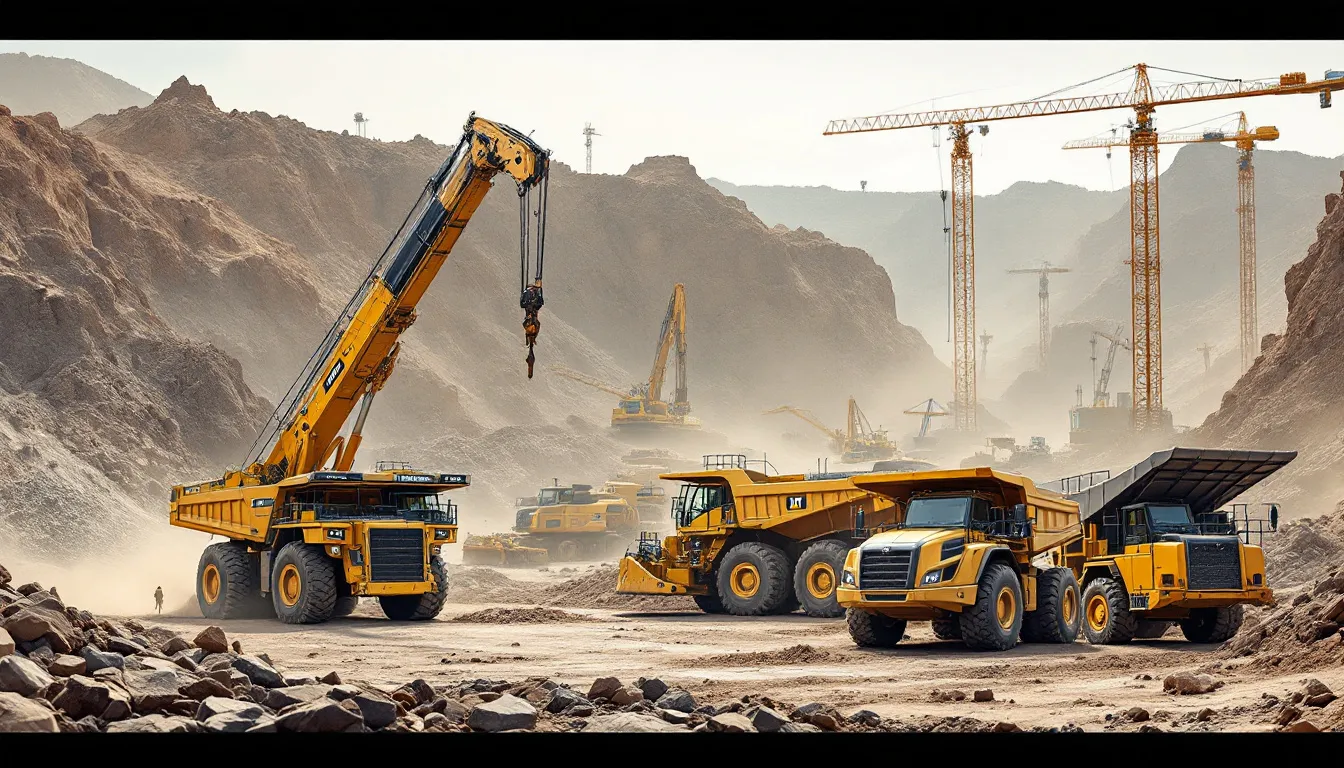
Heavy equipment refers to heavy-duty vehicles designed for construction tasks and earthwork operations. This includes heavy machinery such as bulldozers, cranes, tractors, and excavators. Heavy equipment insurance provides coverage for these large machines against risks like theft, damage, and accidents. For insurance purposes, any item valued at $1,500 or more falls into the category of heavy equipment.
Contractors and other professionals rely on heavy equipment insurance to protect their investments. This type of insurance not only covers the machinery itself but also the potential financial losses that can arise from equipment downtime or replacement costs. Without adequate coverage, the financial burden of replacing or repairing damaged equipment can be overwhelming.
Understanding the scope of heavy equipment insurance is the first step in safeguarding your assets. Ensuring your machinery is protected against a wide range of risks allows you to focus on your projects with peace of mind, knowing you’re covered in case of unexpected events.
Importance of Heavy Equipment Insurance for Contractors
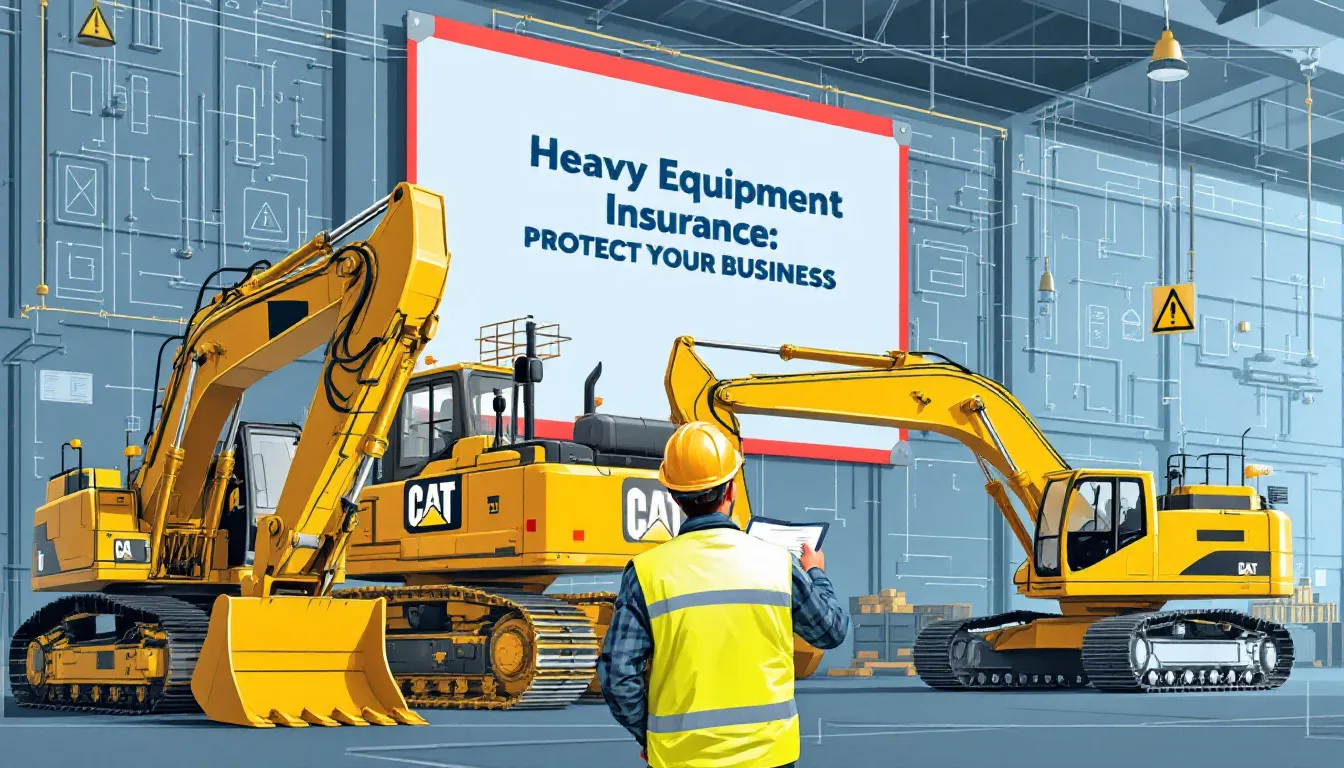
Heavy equipment insurance helps contractors maintain business continuity. Unexpected events such as theft, accidents, or natural disasters can disrupt project timelines and operations, leading to substantial financial losses. Without insurance, contractors may face significant liabilities, including ongoing hire charges for equipment that becomes unutilized due to damage or loss.
The unpredictability of construction sites further underscores the necessity of comprehensive insurance. Many contractors recognize that construction sites are inherently risky, with factors like theft of valuable machinery and accidents involving heavy equipment posing constant threats. For instance, the theft of mini excavators is a prevalent issue at jobsite, significantly impacting businesses due to the high value of the equipment.
Accidents such as skid steer rollovers can result in severe injuries, making safety measures and insurance claims essential for recovery. Working with an insurance broker allows contractors to receive tailored services that assess specific needs and risk profiles, ensuring suitable coverage and optimal investment in protection.
Key Coverage Areas in Heavy Equipment Insurance Policies
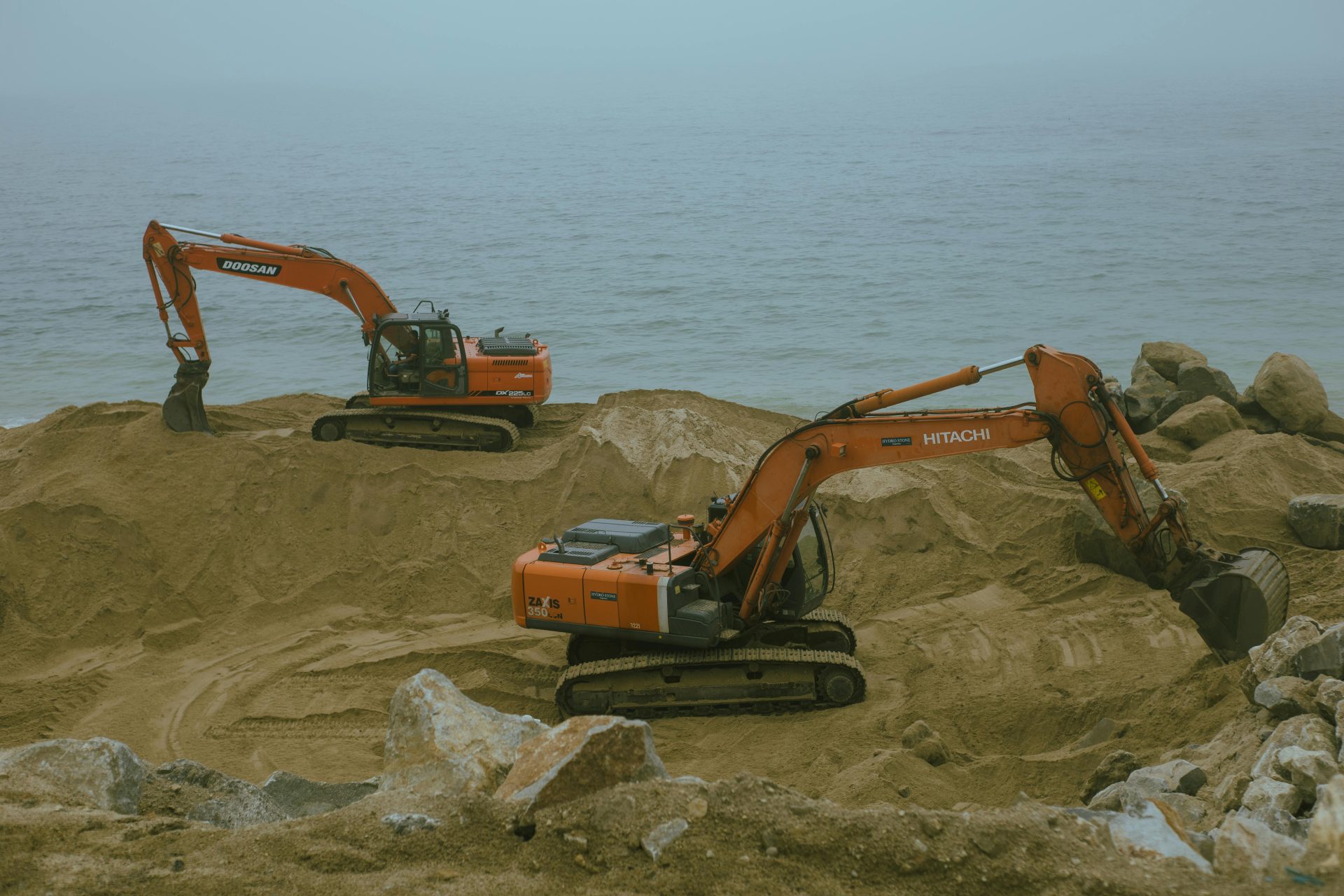
Heavy equipment insurance policies cover a broad range of incidents and risks that can occur on job sites. Common incidents include accidents, theft, vandalism, and damages from natural disasters. This type of insurance typically protects against damages from theft, vandalism, fire, and floods.
Natural disasters caused by extreme weather events, such as earthquakes, flood, and storms, are commonly included in heavy equipment insurance policies. Vandalism and malicious damage to equipment are also generally covered, ensuring that your machinery is protected against intentional harm.
Accidental damage occurring during equipment operation is typically included under these insurance policies. However, it’s important to note that insurance may not cover poor maintenance, wear and tear, deliberate damage, or equipment beyond its useful lifecycle. Additionally, transportation coverage is crucial, as accidents during the transit of heavy equipment often lead to claims for damages.
Understanding these coverage areas ensures that your heavy equipment insurance policy provides comprehensive protection, allowing you to operate with confidence and security.
Factors Influencing Heavy Equipment Insurance Costs

Several factors influence the costs of heavy equipment insurance, starting with the type of equipment being insured. Specialized machinery tends to be more expensive to insure due to the higher costs associated with repairs and replacements. Additionally, the frequency of equipment usage can impact insurance rates, as heavy usage increases the likelihood of claims.
The geographical location of the business also plays a crucial role in determining insurance premiums, highlighting the difference in costs in the world. Businesses located in areas prone to natural disasters, such as floods or earthquakes, typically face higher insurance costs related to property and industry.
Implementing safety measures, like GPS tracking and securing the job site, can help reduce insurance premiums by mitigating the risks of theft and damage. Understanding these factors allows businesses to better manage their insurance costs and optimize their coverage.
Taking proactive steps to enhance safety and protect equipment helps contractors secure the best possible rates for their heavy equipment insurance.
Examples of Common Claims
Common claims in heavy equipment insurance often involve incidents such as theft, accidents, and operational failures. For example, skid steer rollovers can result in serious injuries and damage, often due to improper operation or exceeding load limits. Similarly, accidents that occur during the transport of heavy equipment, such as skid steers, can lead to claims related to damages or injuries.
Theft is another prevalent issue, with machinery like mini excavation equipment being high-value targets for thieves. These incidents not only result in the loss of expensive equipment but also disrupt project timelines and lead to significant financial setbacks, proceeding to create further complications related to stolen assets and possession action.
Having adequate heavy equipment insurance is crucial to protect against the financial impact of these common claims and ensure business continuity. Understanding common claims allows contractors to take preventive measures to reduce the likelihood of incidents and ensure they have the necessary coverage to handle eventualities.
Heavy Equipment Insurance for Leased and Rented Equipment
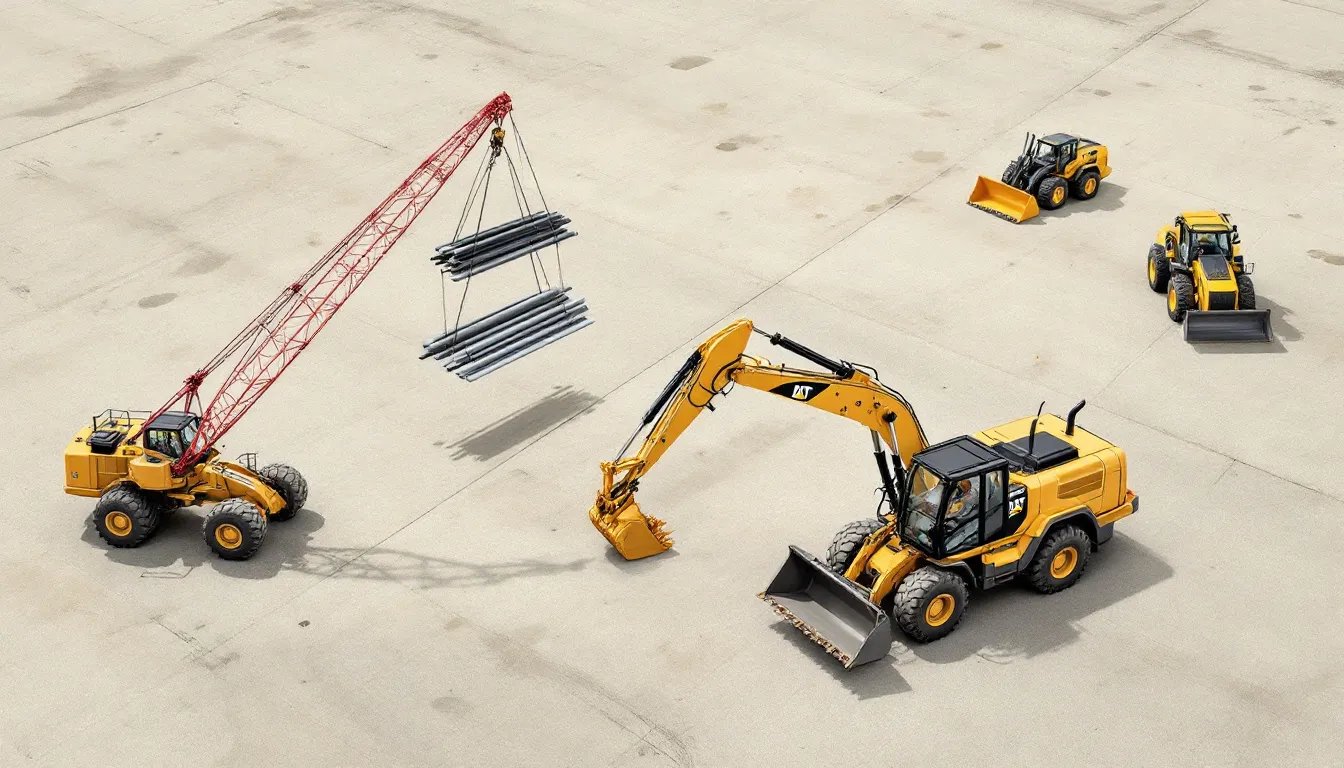
Leasing heavy equipment can be a cost-effective solution for contractors, but it often comes with the requirement to purchase additional insurance. Many leasing agreements stipulate that the lessee must ensure the equipment is fully insured to protect against damage or loss. Adding an endorsement to your existing heavy equipment insurance policy can help meet these requirements.
Consulting a licensed insurance broker can be invaluable in ensuring that leased heavy equipment is adequately insured. Policies can also include protections for borrowed or rented equipment from others, providing comprehensive lease coverage regardless of ownership.
Additionally, rental expense coverage can help reimburse costs when equipment is rented due to unforeseen circumstances. Understanding the specific insurance needs for leased and rented equipment ensures contractors have the necessary protections to safeguard their operations and minimize financial risks.
Additional Coverages to Consider
Aside from the standard coverage areas, there are additional coverages that heavy equipment owners and operators should consider. Replacement cost coverage ensures that equipment is replaced at current market value rather than depreciated value, providing better financial protection in case of loss.
For operations involving unique risks, such as working over water, specialty coverage is essential. This type of coverage addresses specific hazards that are not typically included in standard policies. Heavy equipment insurance can also be customized for machinery that is either owned or leased, allowing for tailored protection based on specific needs.
Exploring additional coverages can significantly enhance protection, ensuring heavy equipment is adequately insured against a wide range of risks.
Getting a Free Quote and Customizing Your Policy
Obtaining a free quote for heavy equipment insurance is a straightforward process. Many insurers provide an online platform where customers can quickly request a quote by filling out an application. Some insurers even offer instant quotes based on the information submitted, facilitating a faster decision-making process.
Customizable insurance policies allow clients to adjust coverage based on their specific machinery and operational requirements. This flexibility ensures that contractors can obtain the most suitable coverage for their needs, optimizing their investment in insurance protection.
Taking advantage of these options allows contractors to secure comprehensive insurance coverage that meets their unique needs and provides peace of mind while completing their projects to pay, offering numerous benefits.
Working with an Insurance Broker
Working with an insurance broker offers several advantages for contractors seeking heavy equipment insurance. Brokers provide expert guidance, helping clients navigate complex policy details and make informed decisions. They offer access to a variety of insurance products from multiple insurers, allowing for better price comparisons and more competitive rates.
Using a broker saves time and effort in handling the insurance process, freeing clients to focus on other responsibilities. Additionally, brokers provide impartial advice, focusing solely on the client’s interests rather than being tied to specific insurers. This impartiality ensures that clients receive the best possible coverage for their needs.
Ultimately, working with a broker offers peace of mind, knowing that professionals are managing insurance needs effectively and ensuring that all aspects of the policy are optimized for the client’s trust benefit in this review, showcasing their expertise as a team.
Summary
In conclusion, heavy equipment insurance is an essential investment for contractors and professionals relying on heavy machinery. Understanding the various coverage areas, factors influencing costs, and the importance of working with an insurance broker can help ensure that your equipment is adequately protected against a wide range of risks.
By taking proactive steps to obtain a free quote, customize your policy, and explore additional coverages, you can safeguard your operations and minimize financial risks. Remember, the right insurance coverage provides not only financial protection but also the peace of mind needed to focus on your projects and business growth.
Frequently Asked Questions
What is heavy equipment insurance?
Heavy equipment insurance is a specialized coverage for large machinery, including bulldozers and cranes, protecting against theft, damage, and accidents. It ensures that your valuable investments are safeguarded.
Why is heavy equipment insurance important for contractors?
Heavy equipment insurance is crucial for contractors as it ensures business continuity and mitigates significant liabilities. This coverage protects against risks such as theft and accidents, safeguarding the contractor’s assets and operations.
What are the key coverage areas in heavy equipment insurance policies?
Key coverage areas in heavy equipment insurance policies include protection against theft, vandalism, natural disasters, accidental damage, and transportation-related incidents. It is crucial to ensure these areas are adequately covered to mitigate potential losses.
How can I reduce the costs of heavy equipment insurance?
To reduce the costs of heavy equipment insurance, consider implementing safety measures such as GPS tracking and assess the frequency of use and geographical location, as these factors significantly influence premiums. Taking proactive steps can lead to considerable savings.
What additional coverages should I consider for my heavy equipment?
You should consider replacement cost coverage, specialty coverage for unique risks, and customizable policies tailored specifically for your owned or leased machinery. These additional coverages can provide essential protection for your heavy equipment.