Drainage channels, which used to be stashed away like an afterthought, are now stepping out of the shadows. In recent construction trends, these systems have become more than just practical necessities; they are beginning to shape the very feel and flow of architectural spaces. A well-chosen drainage channel can make a world of difference, transforming water management into something much more sophisticated. For example, by paying attention early in the planning, architects and designers can blend performance with aesthetic appeal, which is increasingly expected. No one really wants to see clunky, out-of-place hardware when a beautiful plaza or a modern residential building is involved, right? Ironically, the most invisible details often have the most visible impact on our comfort and safety. In this evolving scene, integrating a drainage channel right from the start makes spaces not just safer and more robust, but surprisingly stylish too.
How to Move Beyond Purely Functional Drainage
It used to be that drainage was all about getting water gone, fast and with little fuss. The old systems did well enough at whisking away rain and runoff, but, being blunt, they weren’t much to look at. Their presence could break up the look of a walkway or disrupt the vibe of an urban square. Yet, the bar is higher now, with people expecting more than mere utility. The new ideal calls for a design where drains almost vanish into the scenery. Instead of drawing attention, these systems should support the place’s design and enhance safety, a win-win for everyone on-site, from the daily urban dweller to a hotel guest arriving on a rainy day.
Frankly, it all comes down to creating a balance. A drainage system, if you compare it to a good referee, does its work quietly in the background, making sure the game flows smoothly. In high-profile spaces such as hotel entryways or luxury apartment courtyards where every finishing touch matters, alignment with the overall design is especially vital. The system just can’t stick out or introduce noise, literally or visually. All this means that even the simple drainage channel takes on more responsibility than anyone might expect at first glance.
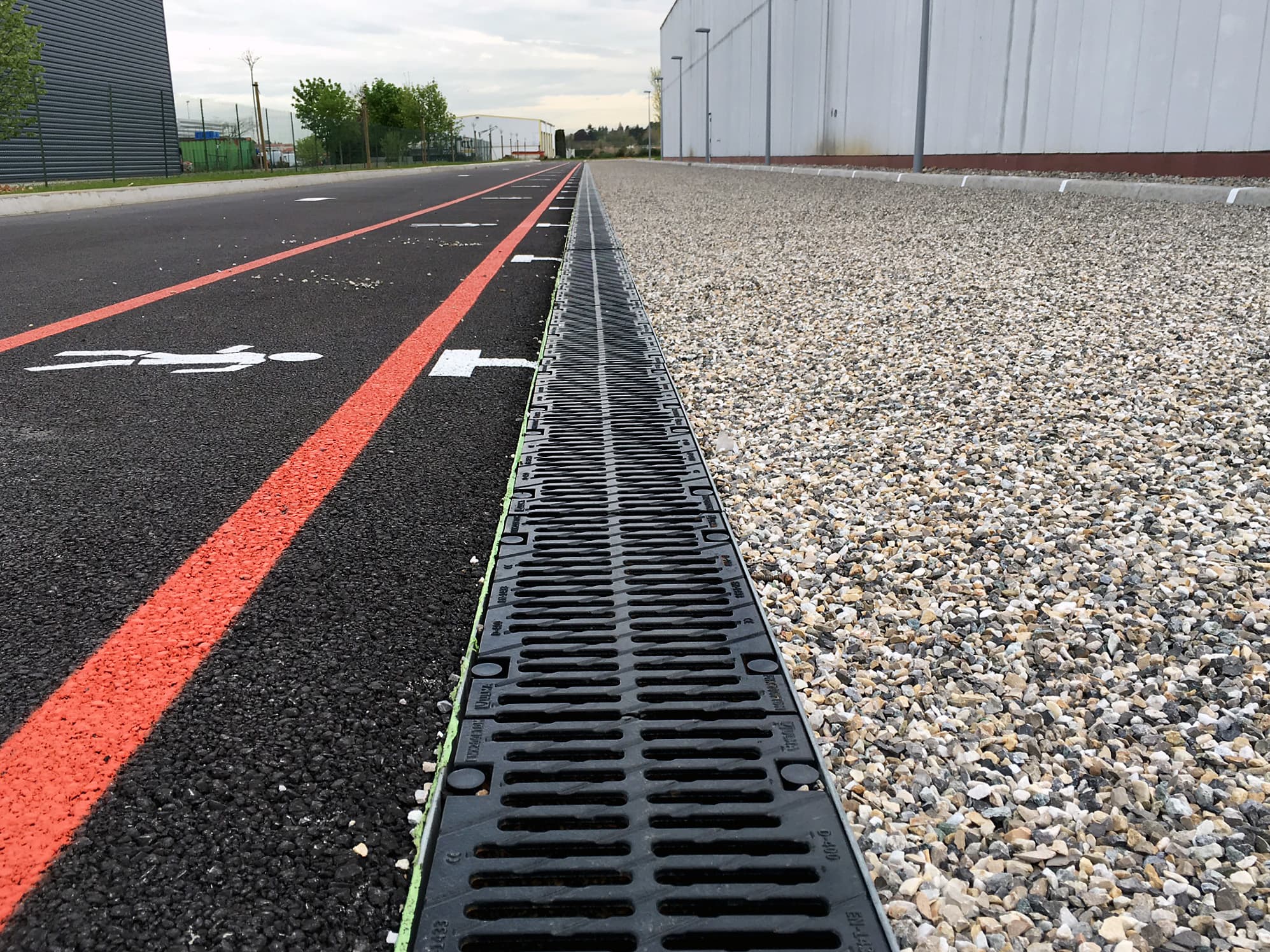
Key Features of Advanced Drainage Channel Systems
For drainage to do its modern job, there have been some notable leaps in design thinking. If you look at recent solutions, the focus is not only technical but also creative. Smart modular systems are helping address recurring frustrations, things like tricky maintenance or accidents caused by popped grates. As with many innovations, the best improvements aren’t always the flashiest but do make everyday life smoother.
Monolithic and Integrated Construction
Take monolithic drainage for instance, it’s like welding a fence and its gate into a single sturdy structure so nothing rattles or falls off. This idea of a “one-piece” system is rapidly catching on. Unlike older versions, these keep grates locked down, which is surprisingly reassuring if you’re worried about loose or missing pieces suddenly turning up as trip hazards or theft targets. City planners and property managers breathe easier knowing their busiest areas, say bustling sidewalks or busy building entrances, feel more stable for everyone passing through.

Why is a Single-piece Design Safer?
- Monolithic construction keeps grates in place, removing the worry over loose parts. That’s a big step in public safety, especially for spots getting lots of foot or car traffic.
- It quiets annoying rattles, a detail you might not think about until your peace is shattered by an unexpected clang right outside your storefront.
- Vandalism and theft become less of a headache since the system resists tampering just by the way it’s built.
People may not notice when things work seamlessly, but they sure notice when they don’t. That’s why these details make such a difference.
Enhanced Hydraulic Performance
Engineering, too, is bringing some interesting tricks to the table. Some channels use specially shaped interiors, almost like racing a river down a chute, to help speed up water removal. With some clever geometry, such as curved profiles, these drains actually clean themselves, as fast-flowing water sweeps debris away before it can settle. This is unexpectedly helpful in places that quickly collect leaves or dirt, like car ramps or courtyards.
Simplified Maintenance and Access
That said, even the best systems need an occasional checkup, and no one loves calling in a crew for disruptive cleaning. The latest innovations keep disruption minimal by offering accessible inspection points, kind of like small trap doors for quick peeks and easy maintenance. Yards, hotels, and busy housing complexes benefit, since maintenance teams can get things sorted with almost no fuss or interruption.
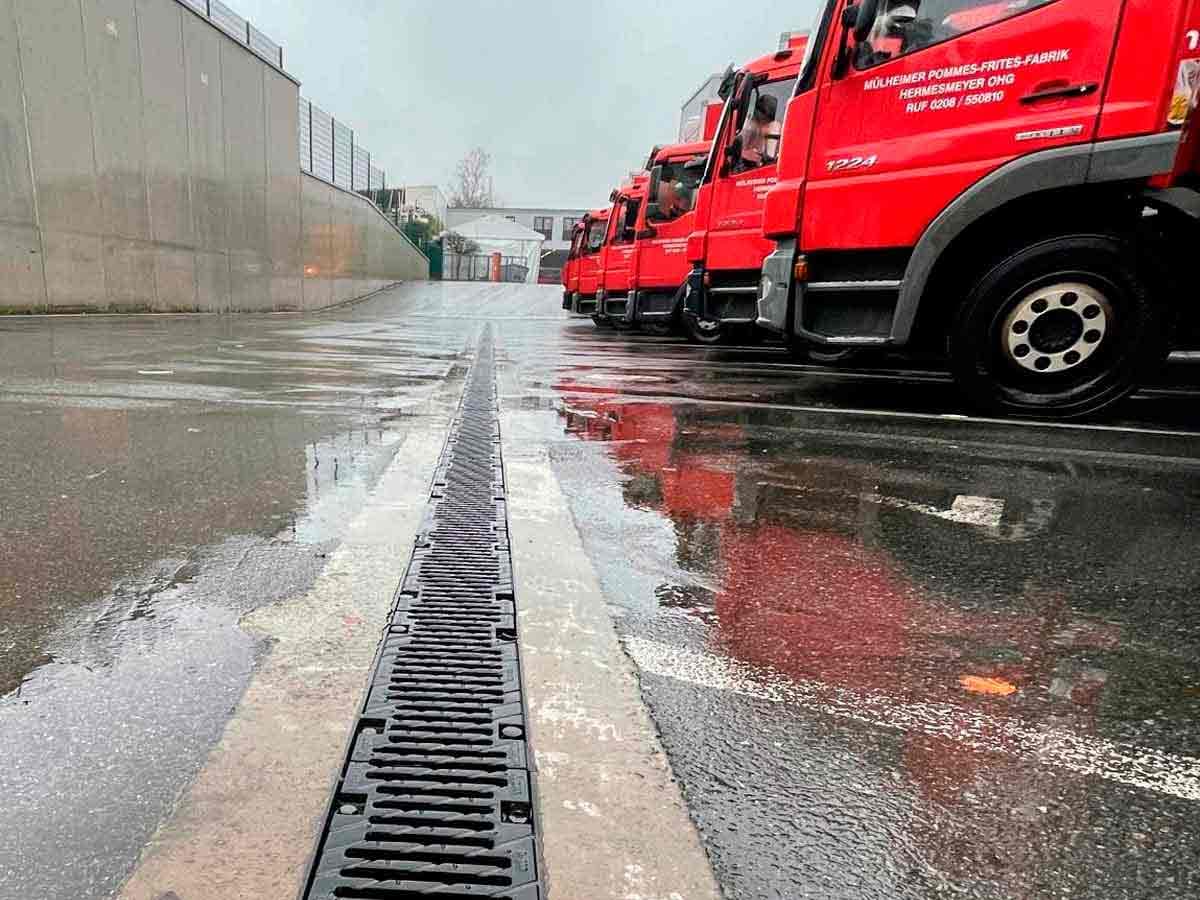
Choosing the Right Materials for Durability and Design
The strength, and style, of a drainage channel often comes down to what it’s made of. Polymer concrete, for example, is now a clear favorite. Unlike the crumbly mix found in old sidewalks, this stuff barely absorbs moisture and shrugs off harsh chemicals and freezing weather. Its durability, honestly, makes life a lot easier; repairs are rare, and replacements even rarer, easing worries about long-term costs as well as reducing environmental impact.
If you think about it, the choice of a drainage system has grown into something of an art. The right decision boosts everything from safety to sustainability, helping construction projects develop both beauty and resilience for years to come. Embracing these fresh technologies really means embracing smarter, greener, and more pleasant living spaces.
And, perhaps most importantly, looping in these solutions at the blueprint stage is what allows true harmony between what’s practical and what’s beautiful. This is how thoughtful water management makes its mark, not as a visible necessity but as an invisible contributor to the elegance and endurance of a space. When done right, it’s like finding the missing puzzle piece in smart, human-centered design.