Living with cracks in walls, dropped floors or doors and windows that no longer open or close properly is not only annoying but also worrying as these can be the first signs of problems with existing foundations. Often, the solution involves underpinning – but what is underpinning and how can it help ensure your home’s stability, whether a new build or an existing structure?
What is underpinning?
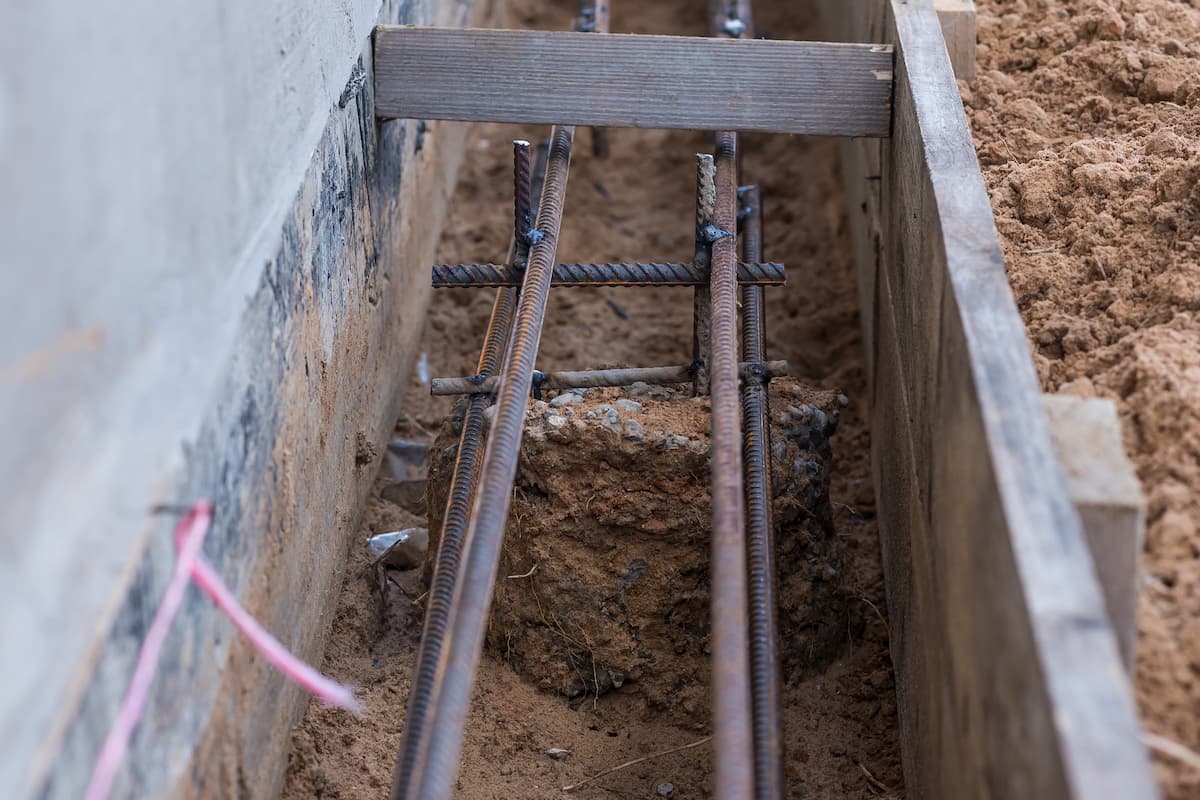
Underpinning is the process of extending the foundation depth in sound soils. Structural integrity is achieved when foundations reach sound soils, protecting your property from movement, tree roots or poor drainage which can all lead to significant structural problems if not avoided.
The importance of foundation stability
Buildings with strong, sound foundations have the best chance of lasting for a long time, but no matter how conscientious you are when building a new structure there is no guarantee or protection against problems in the future. This is because the environment is always evolving and changes in soil conditions may cause the structure to settle, leading to building defects and safety risks, both of which can significantly reduce the property value. Knowing this, it becomes clear that maintenance of your foundations and soil stability is just as important as getting it right in the first place, to keep your home stable and safe for many years to come.
The signs that unpinning may be required
Recognising the signs that your property has settled early is key to damage and cost limitation – here’s some of the things to look out for that may indicate your property needs underpinning:
- Cracks in walls: These might be quite large and often run in a diagonal direction.
- Sticking doors and windows: If there’s been a shift in the foundations you might notice that windows and doors don’t open as smoothly as they used to, potentially because they’ve become misaligned.
- Sloping floors: If a property has settled floors can become uneven with random dips across the surface.
- Gaps between skirting and coving to wall: If it looks like skirting boards have an increasing gap it’s an indication that walls have moved, having a similar effect on cornicing and coving too.
- Outside: Cracks appearing in external brickwork and render, or even a leaning chimney are other signs of settlement.
Why do foundations settle?
The ground is everchanging due to many factors including temperature change, weather construction, planting and drainage. Usually, the ground shrinks and it’s this change in volume that can cause a structure to shift, which is when you’ll start to notice that doors and windows start to stick, cracks appear, among other signs that the stability of your property is compromised.
Here’s some common reasons that soil changes:
- Shrinkage: Soil movement can lead to uneven settling.
- Trees and hedges: Both can be very thirsty and cause the soil to dry and shrink back, again leading to uneven settling and underpinning.
- Water leaks and drainage issues: Water is indeed a force of nature and is a prime suspect for weakening support.
- Geological factors: Old mining areas are not stable enough to enable strong foundations.
How to prevent movement to your foundations
Foundations for new buildings are meticulously planned and that same level of proactive care needs to continue to reduce the risk of problems:
- Regular inspections: Regularly check your property for any of the signs mentioned above, from uneven floors and sticky windows to cracks appearing in walls and between skirting boards.
- Tree maintenance: Do your very best to keep trees away from your house and if you do have some close by keep them cut low in height.
- Maintain drainage: Keeping your gutters and downpipes clear of leaves and other blockages will keep them in tip-top working order, same goes for the drains in the ground too.
Underpinning methods
There are two key methods for underpinning into sound soil to ensure solid foundations, structural performance and long-term stability:
- Mass concrete underpinning: A traditional and cost-effective construction technique which involved digging sections beneath a building and then filling them with concrete to create a new, deeper base that reaches sound soil
- Piled/mini piled underpinning: Ideal for situations when you need to go deeper into the ground, strong columns, the piles, are driven into more stable soil or bedrock to take the weight of the building
What to do if you suspect underpinning may be required
If following regular maintenance of your property and ground you suspect that underpinning may be required, then it’s best to engage a qualified structural engineer to assess the situation and guide next steps:
- Professional assessment: A qualified structural engineer, such as the team at DSA, are the best people to check out your concerns.
- Diagnosis: Once your property has been surveyed your structural engineer will propose a solution, such as underpinning or further tests and investigations.
- Design and Building Control: In the event underpinning is required you will need to get in touch with your local authority for approval.
- Contractor selection: As important as getting a qualified survey is finding a reliable specialist to carry out the work. Here at DSA, we always recommend getting at least three quotes from qualified underpinning specialists and are happy to recommend those that have done good work in the past for other customers.
- Execution of work: Once you and your structural engineer are happy with the quotes and you’ve chosen your preferred specialist, work can begin.
- Completion: When work has been satisfactorily completed your specialist contractor will provide you with a warranty, and your local authority will issue a completion certificate.
How much does underpinning a house cost?
Quality construction work commands a high price, and underpinning is no different, making it even more important to get a qualified and informed decision as to what is exactly required and the most appropriate method, depending on the depth and area of underpinning. Hopefully, the work may be covered by your buildings insurance policy leaving just the excess to pay.
Selling an underpinned house
There is no reason to be concerned about buying a correctly underpinned house, along with all the necessary paperwork and information to detail the work that was carried out. DSA recommend that if you are selling a home that’s undergone underpinning work, it’s best to be transparent with potential buyers, and be upfront with all structural reports and warranties to reassure them and their potential mortgage lender, that the property is stable and a safe investment.
If you’d like to talk some more about underpinning and problems with your property, get in touch with DSA and we’ll work with you to ensure your property’s stability, safety, and long-term value.