Want to know which sustainable construction companies are most sustainable in 2025? This article spotlights the top firms in green building. Learn about their efforts in reducing carbon footprints, enhancing energy efficiency, and using eco-friendly materials. Discover the companies setting new standards in sustainable construction.
Key Takeaways
- Sustainable construction minimizes environmental impact by promoting resource efficiency, energy efficiency, and the use of renewable materials.
- Leading companies like Skanska, Mace Group, and Lendlease are setting ambitious sustainability goals, including net-zero emissions and carbon reduction targets.
- Innovative practices such as eco-friendly design, advanced insulation techniques, and biodiversity enhancement are key strategies for creating sustainable living environments.
Understanding Sustainable Construction
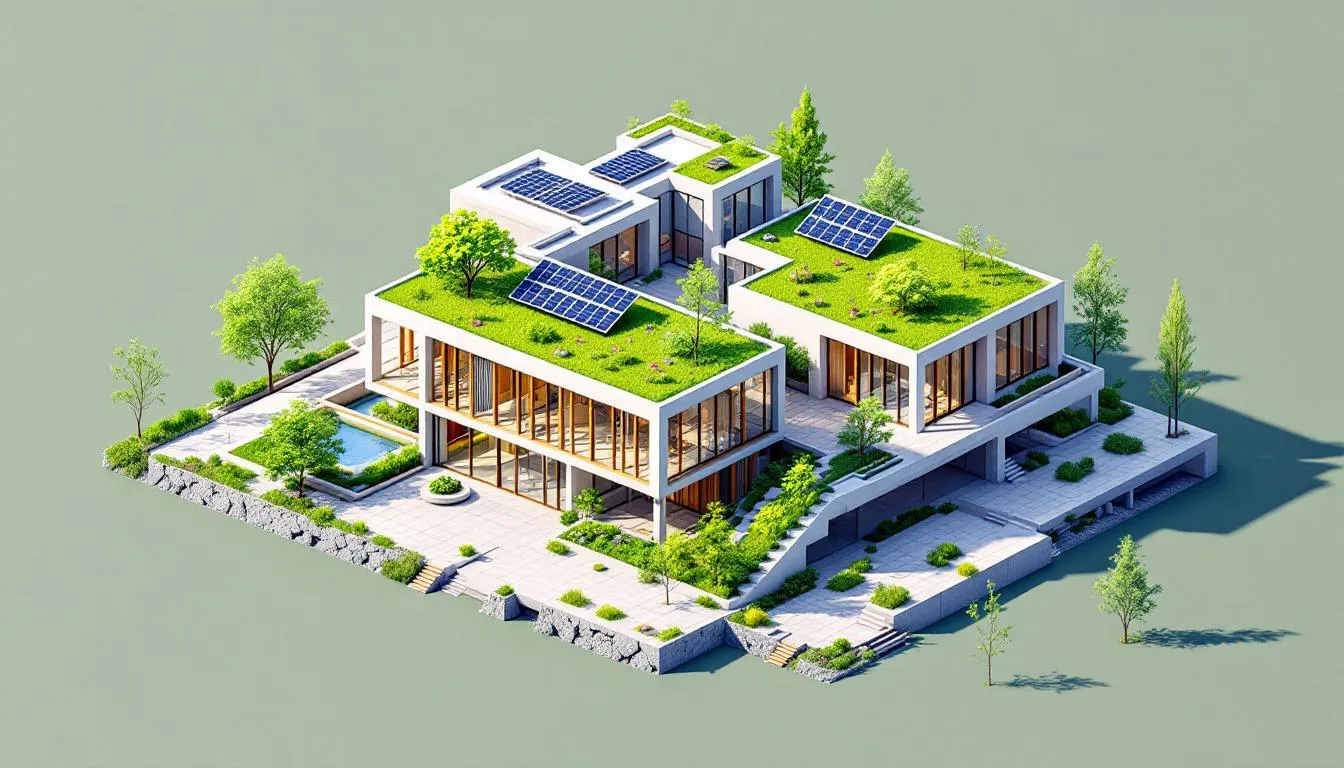
Sustainable construction is a transformative approach that encompasses all phases of building, from design to demolition, ensuring resource efficiency and environmental responsibility. It focuses on methods that minimize environmental impact, emphasizing energy efficiency and the use of renewable resources. This holistic approach is crucial in reducing the construction industry’s substantial contribution to global greenhouse gas emissions, which currently stands at approximately 42% annually, and it encourages builders to source sustainable materials.
The benefits of sustainable construction extend beyond environmental impact. Adopting energy-efficient systems and eco-friendly materials can significantly lower energy consumption and promote healthier living conditions. Sustainable construction also aims to create buildings that benefit both the environment and society, fostering resilient communities and a healthier planet.
Sustainable construction offers several advantages and innovations:
- Economic advantages such as lower operating costs and potential increases in property values.
- Innovations like prefabricated construction and smart energy systems that are revolutionizing the industry.
- Efficient water management techniques that enhance sustainability by reducing the demand for potable water.
Therefore, sustainable construction is both a practical and economically viable approach to building a sustainable future.
Skanska’s Commitment to Sustainability
Skanska has long been a beacon of sustainable construction, focusing on reducing carbon emissions, enhancing energy efficiency, and promoting the use of sustainable materials. The company’s commitment to sustainability is evident in its ambitious goal to achieve net zero emissions by significantly reducing greenhouse gases through improved construction methods and materials. Skanska’s dedication to conserving natural resources and minimizing waste is a testament to its nearly three decades of active carbon footprint reduction.
One of the standout elements of Skanska’s sustainability efforts is the Skanska Color Palette, a strategic framework introduced to support its Green Construction and Development approach. This framework helps the company manage its environmental performance by quantifying and controlling impacts. Integrating energy-efficient systems and promoting green roofs in its projects, Skanska sets a high standard for greener construction.
Skanska’s sustainability initiatives are further highlighted by its aim to achieve over 90% emissions reduction from their operational activities compared to a baseline year of 2010. As the first national housebuilder to set greenhouse gas reduction targets aligned with the Science Based Target Initiative, Skanska is committed to being the greenest contractor in the world. Their comprehensive approach addresses current environmental challenges and paves the way for a sustainable future.
Mace Group’s Sustainability Initiatives
Mace Group’s commitment to sustainable construction is embodied in their ‘Steps without Footprints’ initiative. Key aspects of their sustainability efforts include:
- Being a carbon-neutral construction company since 2020.
- Using 100% renewable energy across its operations.
- Aiming to reduce 10 million tonnes of carbon from client projects by 2026, underscoring their proactive stance on environmental challenges.
In 2021 alone, Mace Group saved 1.14 million tonnes of carbon across its operations. This impressive achievement is part of a broader strategy to reduce carbon emissions by 10% each year. Mace’s approach to achieving net zero in construction focuses on rethinking construction through strategy and technology, reflecting their commitment to sustainability.
The company’s efforts are further evidenced by a 7% reduction in carbon emissions in 2021. Mace Group’s comprehensive sustainability targets and ethical procurement practices highlight their dedication to creating a sustainable future through innovative and eco-friendly practices in the construction industry.
Lendlease’s Holistic Approach
Lendlease stands out for its holistic approach to sustainable urban regeneration. Their framework focuses on creating sustainable communities and integrating green spaces into urban developments. This approach not only enhances the well-being of residents but also contributes to the overall sustainability of the urban environment.
A key aspect of Lendlease’s sustainability efforts is their aim to eliminate greenhouse gas (GHG) emissions by 2040. Incorporating innovative measures like carbon-friendly cement, which reduces embodied carbon emissions by up to 10%, Lendlease is leading the way in sustainable construction. Their alignment with the 1.5°C campaign to limit global temperature rise and address climate change further underscores their commitment to sustainability.
From a client’s perspective, Lendlease’s focus on well-being and sustainability makes them a preferred partner for environmentally conscious projects. Their holistic approach ensures that every aspect of their developments contributes to a healthier planet and resilient communities, enhancing the overall project outcomes.
Barratt Developments’ Green Homes
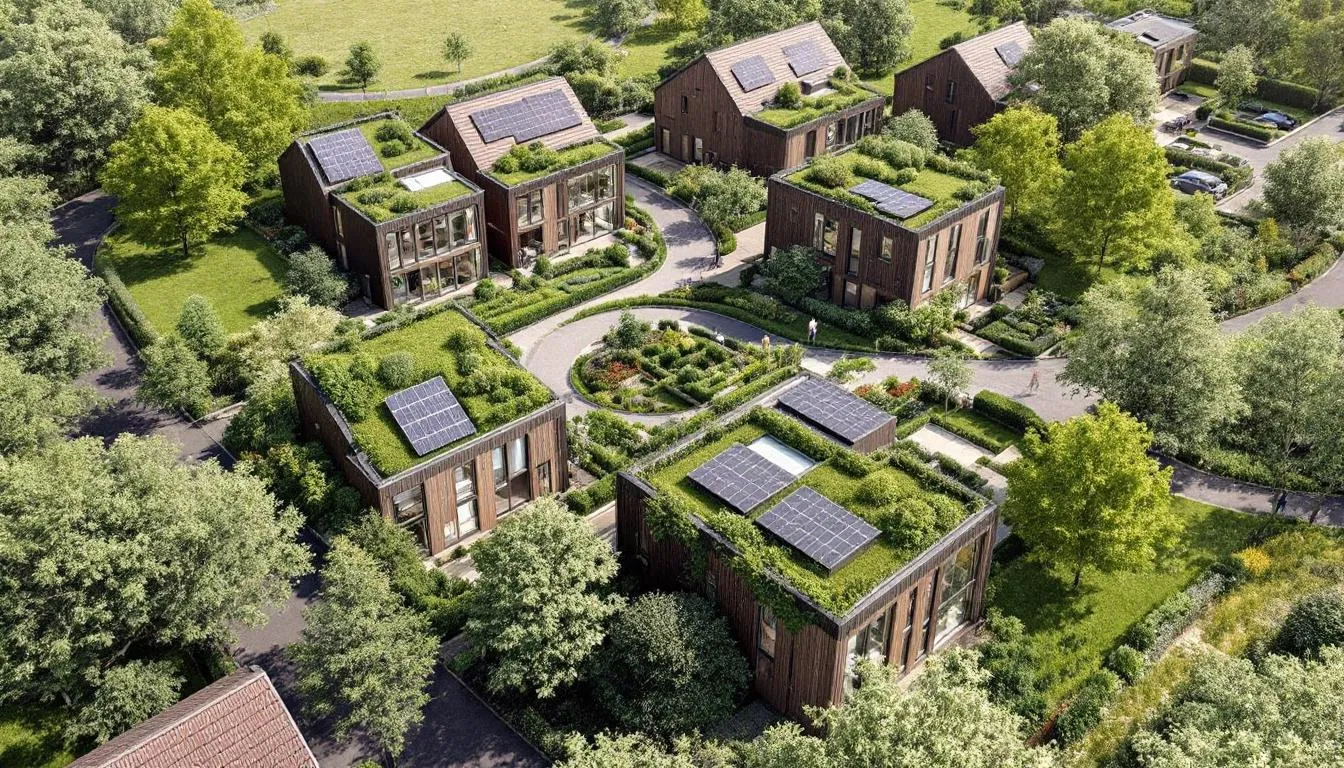
Barratt Developments aims to revolutionize the construction sector by creating zero-carbon homes by 2030 and achieving net zero emissions by 2040. As the UK’s largest homebuilder, Barratt’s initiatives have a significant impact on the construction industry. Their innovative practices, such as those showcased in developments like Hanham Hall, highlight their commitment to sustainable construction and their vision of a next generation net zero business.
The company’s focus on green buildings and sustainable design ensures that their construction projects are environmentally friendly and energy-efficient. By incorporating eco-friendly practices like loft conversion and triple glazing, Barratt Developments not only reduces energy bills for homeowners but also helps to build a healthier planet.
Barratt’s position as a leading sustainable construction company is further solidified by their efforts to create living spaces that are both sustainable and comfortable. Their commitment to greener construction practices sets a benchmark for other construction companies to follow, paving the way for a sustainable future in the construction sector.
Redrow’s Focus on Biodiversity
Redrow is a top sustainable construction company known for its focus on enhancing biodiversity. Their sustainability efforts prioritize energy-efficient homes, biodiversity enhancement, and the use of sustainable materials. Redrow’s commitment to carbon reduction and eco-friendly practices is evident in their construction projects, which aim to preserve and enhance the world’s natural resources.
One of Redrow’s key strategies is to enhance local ecosystems by preserving existing natural features such as trees and ponds in their developments. Collaborating with conservation groups, Redrow promotes biodiversity and ecological health, ensuring that their projects contribute positively to the natural world.
Integrating nature into residential areas is a cornerstone of Redrow’s sustainable design philosophy. They believe that incorporating natural elements into living spaces contributes to happier and healthier environments for residents. This focus on biodiversity not only benefits the planet but also enhances the quality of life for those living in Redrow-developed homes.
Cundall’s Sustainable Design Practices
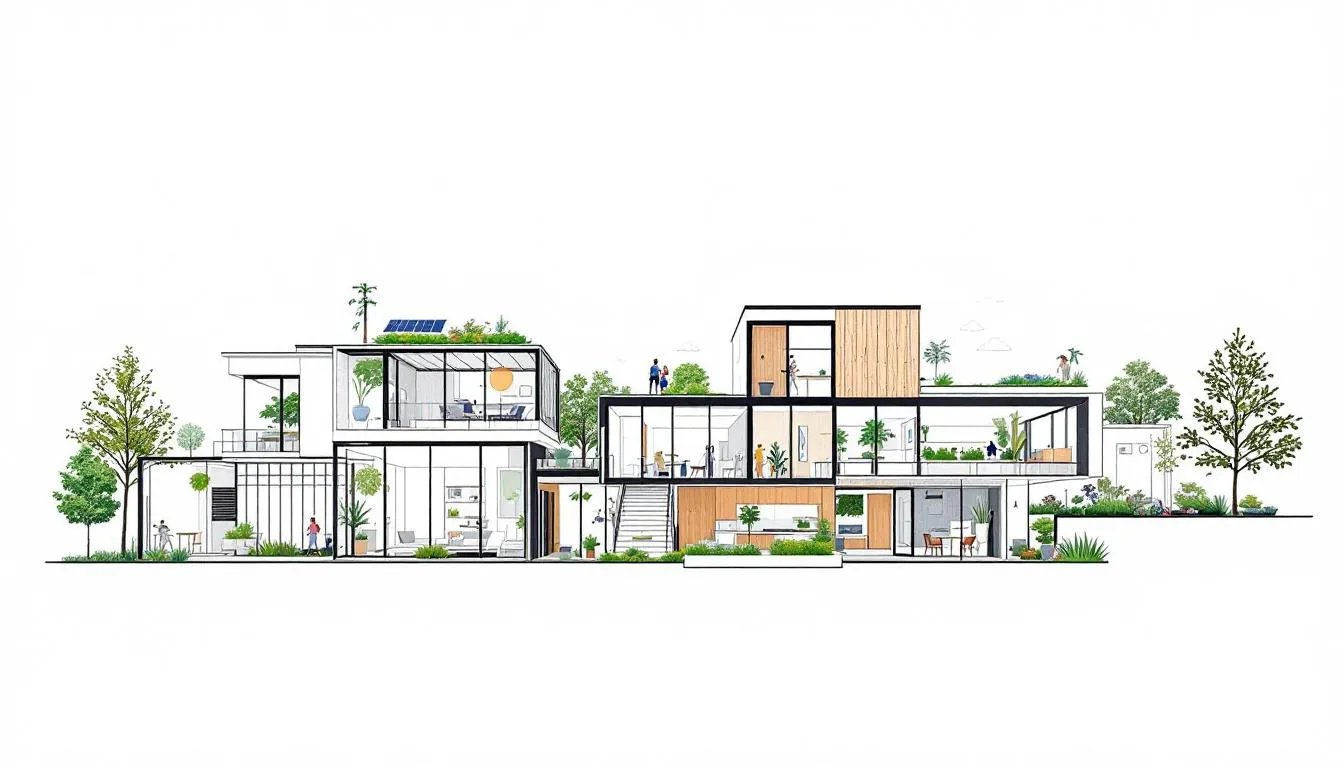
Cundall is at the forefront of sustainable construction with a goal to achieve net zero carbon emissions in all projects by 2030. Their sustainability efforts are rooted in effective environmental management, certified by ISO 14001 standards. Influencing sustainability outcomes from the design stage, Cundall ensures that their projects minimize environmental impact and contribute to a greener future.
The importance of Cundall’s sustainable design practices cannot be overstated. These practices are crucial in creating buildings that are energy-efficient and environmentally friendly, promoting a healthy planet and resilient communities. By setting high sustainability targets, Cundall demonstrates their commitment to leading the industry towards a sustainable future.
Cundall’s innovation approach to sustainable design not only reduces costs but also enhances the environmental performance of their construction projects. By sourcing sustainable materials and implementing low-carbon solutions, Cundall sets a high standard for the construction industry to follow, demonstrating that sustainable design can also be mindful of cost.
Wyro Green Homes’ Low-Emission Projects
Wyro Green Homes is dedicated to building energy-efficient homes aimed at reducing emissions. Their construction projects incorporate advanced insulation, triple glazing, and solar technology, ensuring that their buildings are both energy-efficient and environmentally friendly. These measures enable Wyro’s buildings to achieve EPC ‘A’ ratings and produce a net zero amount of carbon dioxide.
The company’s commitment to low-emission projects is a testament to their dedication to sustainable construction. Focusing on reducing carbon emissions and incorporating renewable electricity into their projects, Wyro is making significant strides towards a net zero carbon future. Their eco-friendly practices and innovative solutions contribute to a healthier planet and a sustainable future for the construction industry.
Wyro’s low-emission projects not only reduce energy consumption but also provide homeowners with comfortable and sustainable living spaces. By setting a high standard for energy-efficient homes, Wyro Green Homes is leading the way in creating a sustainable future for the construction sector through alternative fuels.
EcoVert Solutions’ Passivhaus Expertise
EcoVert Solutions specializes in constructing Passivhaus homes, which are renowned for their ultra-low energy consumption. As one of the few UK builders certified to construct Passivhaus homes, EcoVert Solutions is at the forefront of sustainable construction. Their expertise in maintaining constant temperatures within these homes significantly reduces reliance on fossil fuels.
Passivhaus homes constructed by EcoVert Solutions are designed to be highly energy-efficient, incorporating advanced insulation and other eco-friendly practices. This approach not only minimizes energy consumption but also enhances the comfort and sustainability of the living space. By focusing on sustainable design and greener construction, EcoVert Solutions contributes to a healthier planet and a more sustainable future for the construction industry.
The benefits of Passivhaus homes extend beyond energy efficiency. Creating living spaces that maintain constant temperatures, EcoVert Solutions ensures that homeowners enjoy a comfortable and sustainable living environment. Their commitment to sustainable construction practices sets a benchmark for the industry and paves the way for a greener future.
Balfour Beatty’s Transformative Infrastructure
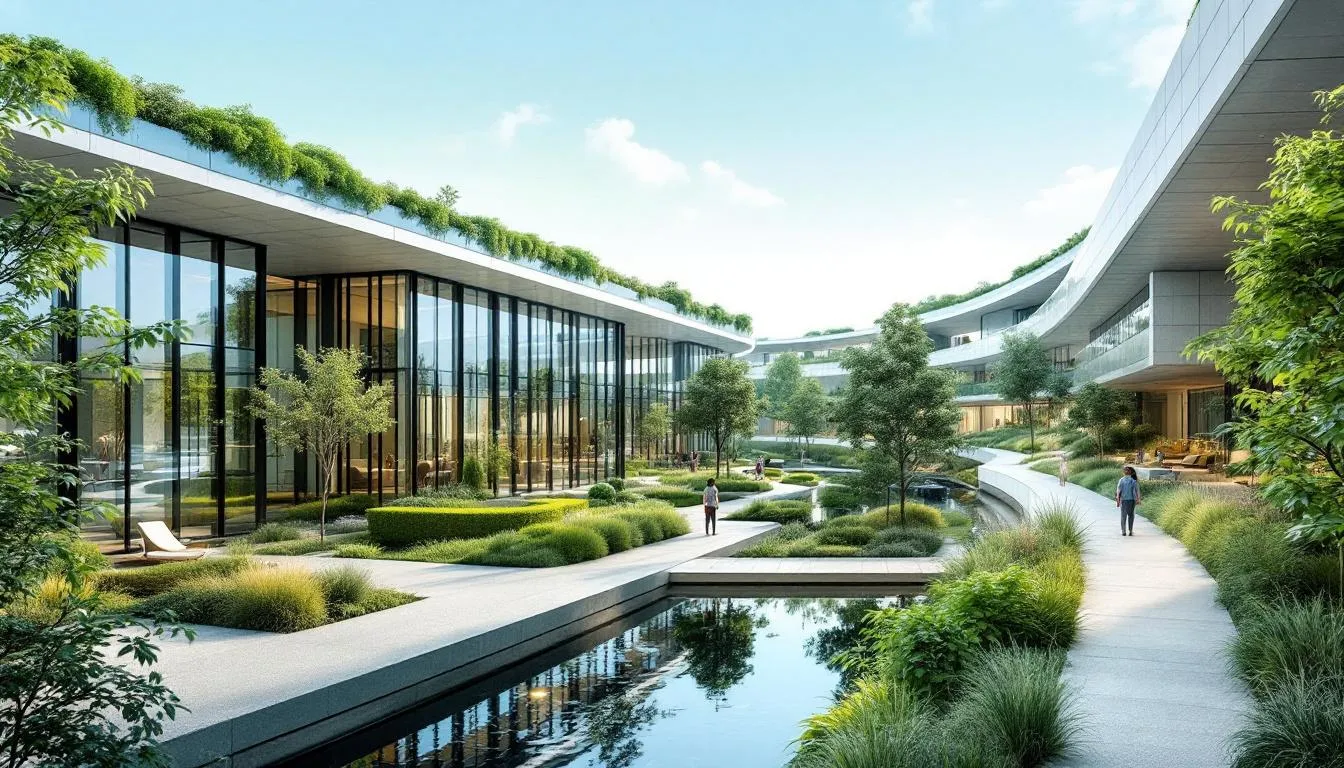
Balfour Beatty is committed to creating transformative infrastructure that addresses environmental challenges and supports a greener economy. In 2023, the company achieved a 2% decrease in CO2 emissions and a 40% reduction in waste intensity in the UK. These achievements highlight Balfour Beatty’s dedication to sustainable construction and environmental performance.
The company’s ambitious goal to generate £3 billion of social value in the UK by 2025 demonstrates their commitment to creating a positive impact on society and the environment. Balfour Beatty’s projects are designed to combat challenges such as extreme weather events, energy price hikes, and competition for talent. By focusing on sustainable design and greener construction, the company is paving the way for a sustainable future in the construction industry.
Balfour Beatty’s transformative infrastructure projects not only reduce environmental impact but also contribute to the overall sustainability of the construction sector. Setting high sustainability targets and implementing eco-friendly practices, Balfour Beatty is leading the way in creating a greener future for the construction industry.
Summary
The journey through the sustainability efforts of these leading construction companies reveals a shared commitment to creating a greener, healthier planet. From Skanska’s ambitious carbon reduction goals to Mace Group’s renewable energy initiatives, each company is making significant strides in sustainable construction. Lendlease’s holistic approach and Barratt Developments’ green homes showcase the innovative practices driving the industry forward.
As we look to the future, the efforts of these companies inspire hope for a sustainable construction sector. Their dedication to reducing carbon emissions, enhancing energy efficiency, and promoting eco-friendly practices sets a high standard for the industry. Together, they are building a future where sustainable construction is the norm, not the exception.
Frequently Asked Questions
What is sustainable construction?
Sustainable construction is defined by building practices that minimize environmental impact, promote energy efficiency, and prioritize the use of renewable resources, ensuring responsible resource use throughout the construction process.
How does Skanska aim to achieve sustainability targets?
Skanska aims to achieve its sustainability targets by focusing on reducing carbon emissions, enhancing energy efficiency, and utilizing sustainable materials through its strategic framework, the Skanska Color Palette. This structured approach underpins their commitment to Green Construction and Development.
What are the key sustainability initiatives of Mace Group?
Mace Group’s key sustainability initiatives encompass their ‘Steps without Footprints’ program, carbon neutrality since 2020, utilization of 100% renewable energy, and a target to reduce 10 million tonnes of carbon from client projects by 2026. These measures reflect their commitment to sustainability in construction and operations.
How does Lendlease integrate sustainability into their projects?
Lendlease effectively integrates sustainability into their projects by adopting a holistic framework that emphasizes sustainable urban regeneration, community development, and the incorporation of green spaces, with a goal to achieve net-zero greenhouse gas emissions by 2040.
What are the benefits of Passivhaus homes constructed by EcoVert Solutions?
Passivhaus homes constructed by EcoVert Solutions offer exceptional energy efficiency, consistent indoor temperatures, and a reduced dependence on fossil fuels. Their design utilizes advanced insulation and sustainable practices, fostering an environmentally friendly living space.