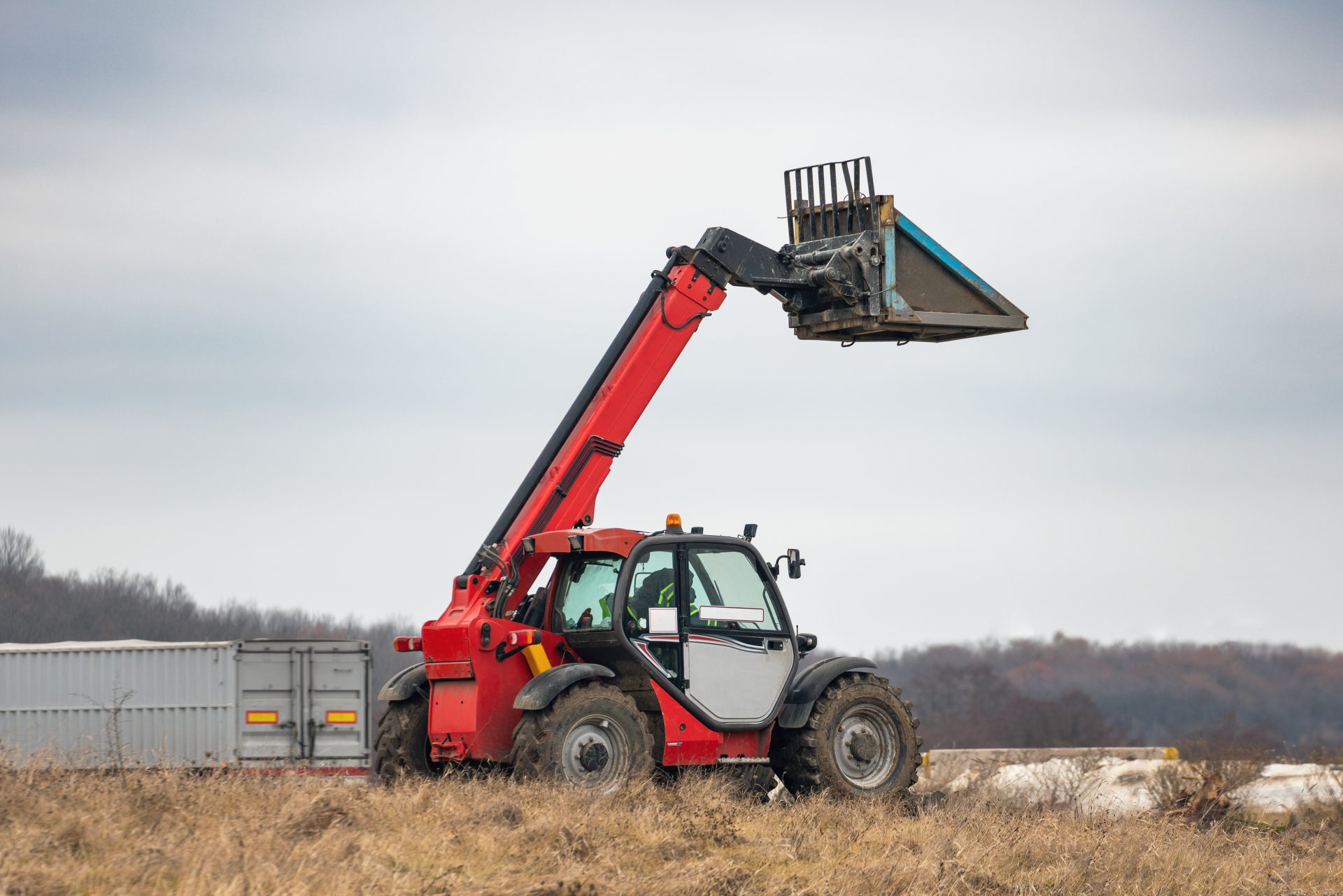
A telescopic excavator may look similar to other diggers, but the way it works sets it apart. Instead of relying on a fixed boom, its arm extends outward in sections. That single difference changes how the machine handles depth, reach, and tight working areas. On certain job sites, this design leads to faster progress and fewer disruptions. The real value comes from knowing when those advantages matter most.
How a Telescopic Excavator Operates
The structure of the arm plays a major role in how this machine performs on site.
A telescopic excavator uses a telescopic boom paired with a telescopic arm that slides outward in stages. Each extension section increases reach without forcing the machine to move. This setup allows deeper excavation from a single position. One common challenge operators face at full extension is keeping movements smooth while the arm is under load, especially when working deep or below ground level. Machines designed as a teledipper excavator address this issue by powering the extension directly, which helps control movement and maintain stability during demanding excavation work.
Where Standard Diggers Reach Their Limits
Traditional diggers handle many tasks well, but certain conditions expose their limits.
Fixed-arm machines must reposition often to reach deeper areas. Each move costs time and disturbs the ground. On tight sites, this quickly becomes a problem. Overall dimensions also play a role. Large tracked excavators may struggle to fit between structures, while smaller machines lose effectiveness once digging depth becomes the main requirement.
Jobs Where a Telescopic Excavator Performs Better
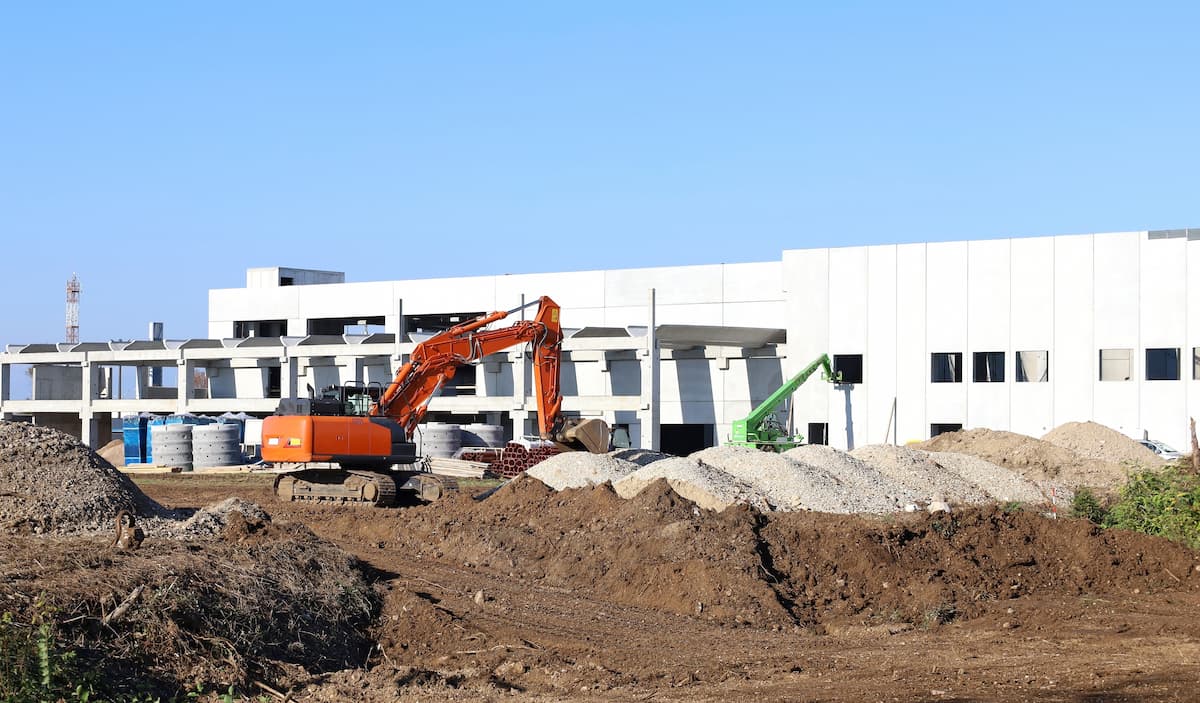
Certain work conditions highlight the strengths of an extending arm almost immediately.
Deep Excavation With Fewer Moves
Depth-heavy projects benefit from staying in one place.
A telescopic excavator can reach greater digging depth than many standard tracked excavators of similar size. Because the arm extends forward and downward, the operator can dig deeper without shifting the machine. Fewer moves help maintain cleaner excavation lines and more stable trench walls.
Reaching Below Grade or Past Obstacles
Reach matters just as much as depth on many sites.
Pits, shafts, and drainage systems often sit well below ground level. The telescopic arm allows the bucket to drop straight down while the machine stays back from the edge. This improves control and reduces risk. It also helps when obstacles block access, since the machine does not need to move closer to finish the task.
What Drives Performance Differences
Reach alone does not explain the performance gap. Several mechanical factors support it.
Hydraulic Design and Control
Smooth extension depends on precise hydraulic movement.
The hydraulic system manages how the arm extends and retracts under load. A balanced hydraulic cylinder setup keeps motion controlled as reach increases. This reduces sudden shifts and helps the operator place material accurately, even during deep excavation.
Power, Balance, and Reach
Stability becomes more important as the arm extends.
Rated power supports steady digging force across different reach positions. Operating weight adds balance, especially during lifting or deep digging. Load capacity still changes as the arm extends, so operators must stay within safe limits to maintain control and avoid instability.
Attachments That Expand What the Machine Can Do
Attachments allow telescopic excavators to handle specialized tasks more efficiently.
Common tools include:
- A clamshell bucket for straight-down digging in narrow shafts
- Buckets sized to match bucket capacity limits at varying reach points
- Material handlers used for lifting, sorting, or controlled placement
Each attachment changes how the machine behaves under load. Choosing the right tool helps maintain steady performance and reduces strain on the arm during extended work.
How Telescopic Excavators Compare to Other Machines
Looking at other equipment types helps clarify where telescopic designs fit best.
Mini excavators work well in small spaces but fall short on digging depth. Wheel excavators move quickly on hard surfaces, though stability drops during deep excavation. Backhoe loaders offer versatility but cannot match telescopic reach. Long reach excavators extend farther horizontally, yet their fixed booms limit control in vertical digging.
Project Types That Benefit Most
Some projects consistently favor machines with extending arms.
Urban construction often limits machine movement. Drainage and utility work frequently requires deep vertical excavation. Select demolition jobs benefit when material must be removed without placing demolition excavators near unstable edges. In these situations, controlled reach matters more than machine size.
When Another Machine Makes More Sense
Telescopic designs are not the best fit for every job.
Maintenance costs can be higher due to added moving sections. Amphibious excavators perform better in soft or submerged ground. For shallow excavation in open areas, standard tracked excavators often complete work faster with less setup.
Picking the Right Machine for the Work
Strong results start with realistic planning.
Digging depth should match project needs without pushing extension limits. For instance, digging a tunnel may have a different requirement than other projects. Load capacity must remain safe at full reach. Transport also plays a role, since overall dimensions affect how easily the machine moves between sites.
Conclusion
A telescopic excavator delivers clear advantages when depth, reach, and limited access define the work. Its extending arm reduces repositioning and improves control below grade. These benefits show up most on sites where space is tight and precision matters. Choosing this machine for the right tasks leads to cleaner results, safer operation, and better use of time on site.