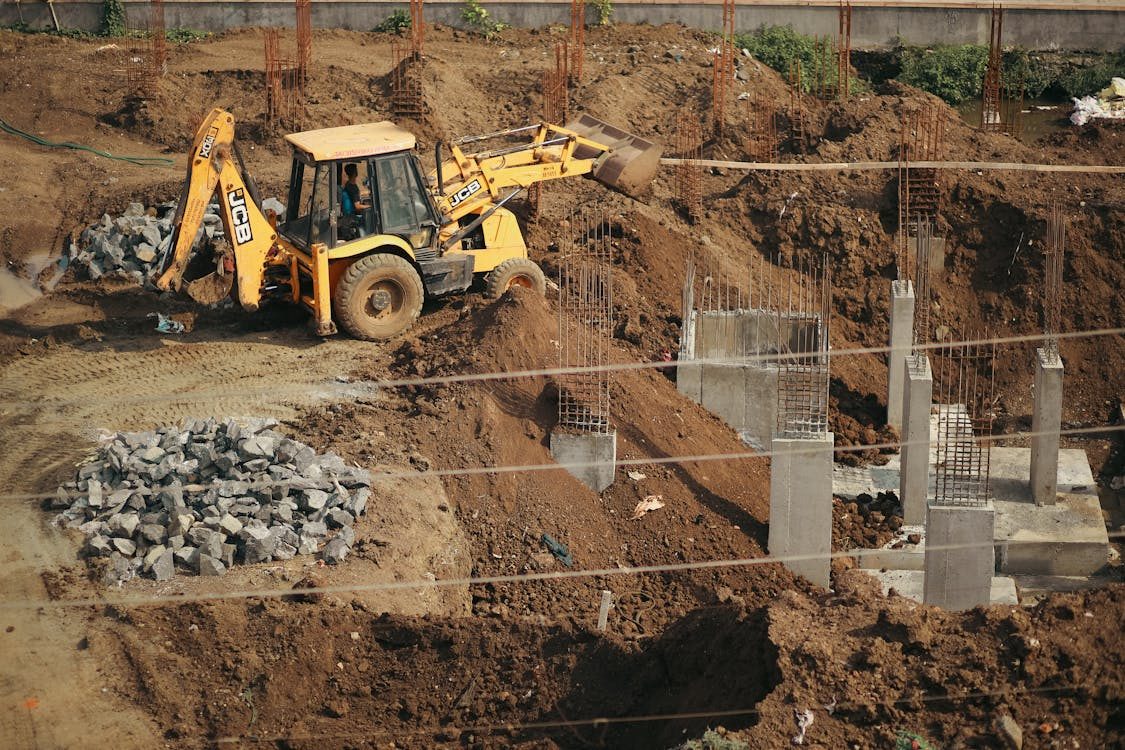
Most people do not think about what is under a building once it is standing tall. However, the ground below plays a major role in whether that structure lasts or begins to fail. Ground stabilisation ensures the soil can support buildings, roads, and other urban infrastructure without shifting or sinking.
When builders skip this step, serious problems can follow. Unstable soil can shift, collapse, or erode without warning, leading to major structural damage and costly project failures. What looks stable at first can quickly become unsafe and expensive to repair.
Underground Pipes and Wires Get Damaged
Across the United Kingdom, many cities still rely on older underground networks that were not designed to handle modern development pressures or ongoing soil movement. When stabilisation is overlooked, loose or untreated ground can place stress on water mains and electrical cables, which may result in leaks, breaks, or outages. These issues can quickly become safety hazards and cause serious damage to nearby buildings and roads.
In fast-growing urban areas, failing to prepare the ground can lead to soil movement that damages critical water pipes and power lines. Emergency repairs disrupt daily life, delay construction schedules, and push costs far beyond the original budget.
Australia faces similar challenges, especially in areas with sandy or clay-heavy ground. A geotechnical engineer sydney is often consulted when soil conditions begin to affect buried infrastructure and increase the risk of damage. Their role is to test the site, assess ground conditions, and recommend solutions that help underground utilities remain stable and functional.
Poor ground conditions rarely cause one-off problems. Instead, repeated movement can weaken joints and connections over time, leading to recurring faults and repeated repair work. Neglecting ground checks early almost guarantees a cycle of disruption, cost, and avoidable delays.
Buildings Start to Settle Unevenly
Uneven settlement can occur when one part of a building sinks more than the rest. Early warning signs, such as small cracks in walls or floors, may be overlooked. Over time, these small defects can develop into serious structural problems.
In many cities, soft or mixed soil layers shift gradually beneath buildings. When construction teams skip proper testing and stabilisation, sections of the foundation can move. Doors may stop closing properly, floors may become uneven, and walls can begin to bow.
Even minor settlement can cause major damage, including plumbing failures, water pooling, and cracked tiles. Fixing these issues may require underpinning, which is often disruptive and expensive. Without timely intervention, the risks and costs continue to rise.
Investing in soil stabilisation from the beginning helps prevent these outcomes. It reduces long-term maintenance costs and keeps structures stable and level throughout their lifespan.
Roads and Pavements Break Apart
Urban roads are under constant pressure from traffic loads and changing weather conditions. Without proper stabilisation beneath the surface, roads and pavements can deteriorate quickly. Cracking, buckling, and potholes are often early signs of deeper ground instability.
Kerbs may sink or shift, and pavements can become uneven and difficult to walk on. These defects are not just inconvenient. They also create hazards for pedestrians, cyclists, and drivers. Wet and cold weather can make the problem worse because water enters cracks, expands when it freezes, and increases the damage.
Repeated patch repairs rarely solve the real issue. When the ground beneath continues to move, the same areas may require repairs again within months. Over time, this reactive approach drains budgets and keeps roads in poor condition.
Effective stabilisation provides roads and paths with a firm base. It helps surfaces last longer, improves safety, and reduces the need for frequent repairs.
Construction Costs Go Up Later
Skipping soil checks may seem like a quick way to save money, but it often leads to far greater costs later. Once damage appears, repairs are more complex, expensive, and disruptive than preventative work.
Contractors may need to pause projects, bring in specialist engineers, and carry out urgent repairs to stabilise the site. In some cases, structures must be reinforced or partially rebuilt. These delays affect deadlines and can severely reduce profitability.
Legal disputes may also arise if clients believe poor groundwork contributed to the damage. Insurance claims may be rejected if stabilisation warnings were ignored or proper testing was not completed. In the long run, these issues can damage reputations and lead to lost future work.
Careful planning and testing at the beginning are far cheaper than dealing with repairs, legal risks, and long-term project disruption.
Public Safety Is Put at Risk
Ignoring ground stabilisation can put lives at risk, not just property. Uneven pavements, sunken roads, and unstable retaining walls can cause injuries and serious accidents. In severe cases, entire sites may be shut down for urgent inspections and safety work.
The impact is not limited to physical hazards. When people see visible signs of failure, trust in the safety of buildings and infrastructure begins to decline. This affects local councils, developers, and businesses that rely on safe, accessible urban spaces.
A stable foundation is not just good engineering practice. It supports public confidence and helps cities function safely and reliably.
Final Thoughts
Skipping ground stabilisation is a serious mistake that can lead to recurring damage, rising costs, and reduced public trust. Underground infrastructure can fail, buildings can settle unevenly, and roads can break apart far sooner than expected. By addressing stabilisation early, construction teams protect people, reduce long-term expenses, and help ensure urban projects remain safe and durable for years to come.
?