Salt Lake City has emerged as one of the most rapidly evolving metropolitan regions in the United States. With continuous residential expansion, commercial development, and infrastructure upgrades, the demand for modern and efficient Building Design Solutions in Salt Lake City has increased significantly. Architectural firms, construction professionals, and developers operating in this region must account for the city’s unique climate, seismic conditions, and sustainability goals when planning new structures.
This article provides an in-depth overview of the most relevant and future-focused building design considerations for Salt Lake City, tailored for industry professionals and stakeholders.
1. Climate-Responsive Building Design
Salt Lake City’s climate is characterized by hot summers, cold winters, and generally dry conditions. These variations require building design strategies that enhance energy efficiency and indoor comfort.
1.1 Passive Solar Orientation
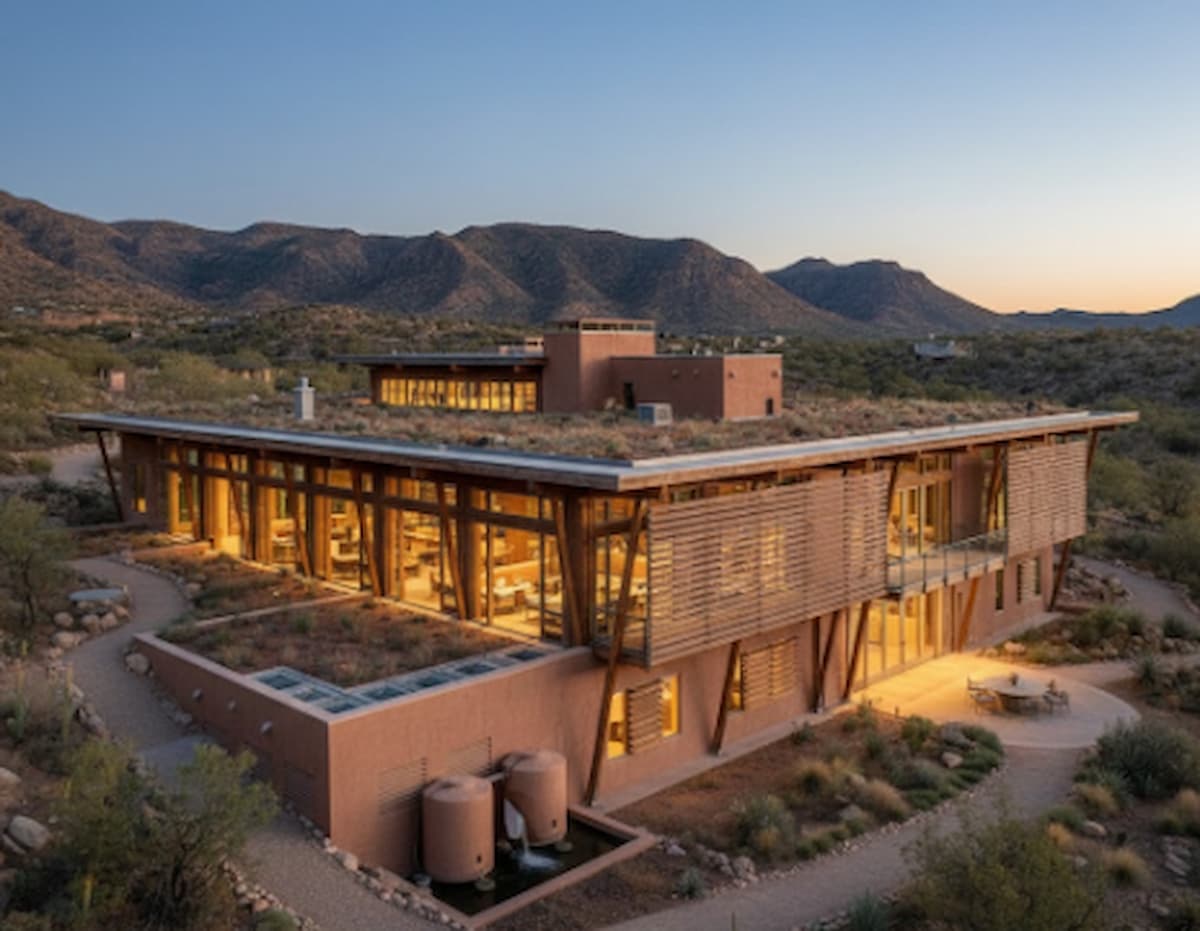
Architects increasingly incorporate passive design principles such as optimizing building orientation, maximizing natural light, and minimizing heat loss. South-facing windows, shading devices, and controlled daylighting significantly reduce heating and cooling loads throughout the year.
1.2 High-Performance Envelope Systems
The use of advanced insulation materials, airtight construction, and high-performance glazing systems can dramatically improve thermal performance. These measures not only support sustainability but also reduce long-term operational costs for both residential and commercial properties.
2. Sustainable and Eco-Friendly Construction Practices
Salt Lake City’s development culture strongly favors environmentally responsible practices. Many local projects aim to align with broader sustainability frameworks such as LEED certification.
2.1 Low-Carbon and Recyclable Materials
Contractors and designers are integrating eco-conscious materials including reclaimed wood, recycled steel, low-VOC paints, and insulation derived from renewable resources. These materials help reduce embodied carbon and improve indoor air quality.
2.2 Water Conservation Technologies
Given the region’s semi-arid conditions, water conservation is a priority. Modern building design often includes smart irrigation, greywater reuse systems, low-flow fixtures, and drought-resistant landscaping.
2.3 Renewable Energy Integration
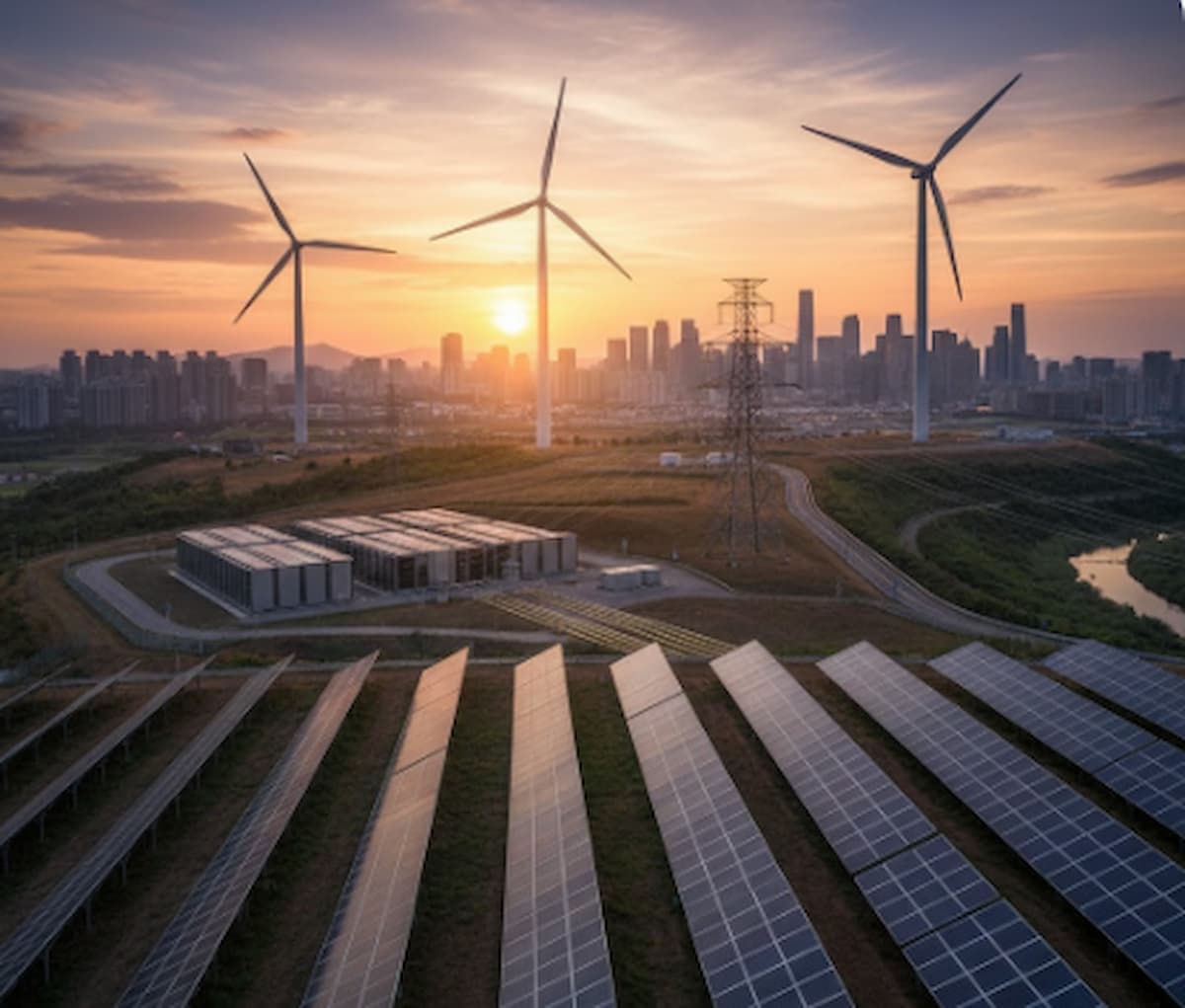
Solar energy adoption is on the rise. Many buildings incorporate photovoltaic panels, solar water heating, and battery storage solutions to reduce dependency on traditional grid power.
3. Seismic-Safe Structural Engineering
Salt Lake City is located along the Wasatch Fault, an active seismic zone. This makes earthquake-resistant design a fundamental requirement.
3.1 Reinforced Structural Frameworks
Modern projects frequently use steel moment frames, reinforced concrete shear walls, and base isolators to enhance structural reliability. These systems help buildings withstand lateral movements during seismic events.
3.2 Soil and Foundation Assessment
Geotechnical evaluations ensure that soil stability, liquefaction risk, and foundation selection are properly addressed. Deep foundations, ground stabilization techniques, and improved drainage systems are often recommended.
3.3 Code Compliance
Designers must follow the International Building Code (IBC) and local amendments adopted by Utah to ensure the highest levels of safety and regulatory compliance.
4. Technology-Driven Design and Planning
Technological innovation has transformed how building projects are conceptualized, planned, and executed in Salt Lake City.
4.1 Building Information Modeling (BIM)
BIM enables multidisciplinary collaboration, clash detection, 3D visualization, and accurate quantity estimation. This reduces errors, accelerates project timelines, and enhances communication between stakeholders.
4.2 Smart Building Solutions
Developers are deploying smart systems to improve efficiency and user experience. These include automated HVAC controls, integrated security systems, IoT-based energy monitoring, and intelligent lighting.
5. Efficient Urban Space Utilization
As Salt Lake City continues to grow, maximizing land use is essential.
5.1 Mixed-Use Developments
Mixed-use zoning supports a combination of residential, commercial, and recreational spaces within a single project. This encourages walkability, reduces transportation demand, and fosters community interaction.
5.2 Adaptive Reuse
Renovation and repurposing of existing structures offer sustainable alternatives to demolition. This approach preserves historical value while reducing construction waste.
5.3 Flexible Interior Layouts
Architects are designing modular and adaptable spaces to meet changing tenant requirements. Movable partitions, convertible rooms, and open-plan layouts increase long-term usability.
6. Enhancing Aesthetic and Functional Design
Salt Lake City’s architecture blends modern aesthetics with functional design principles.
6.1 Contemporary Design Trends
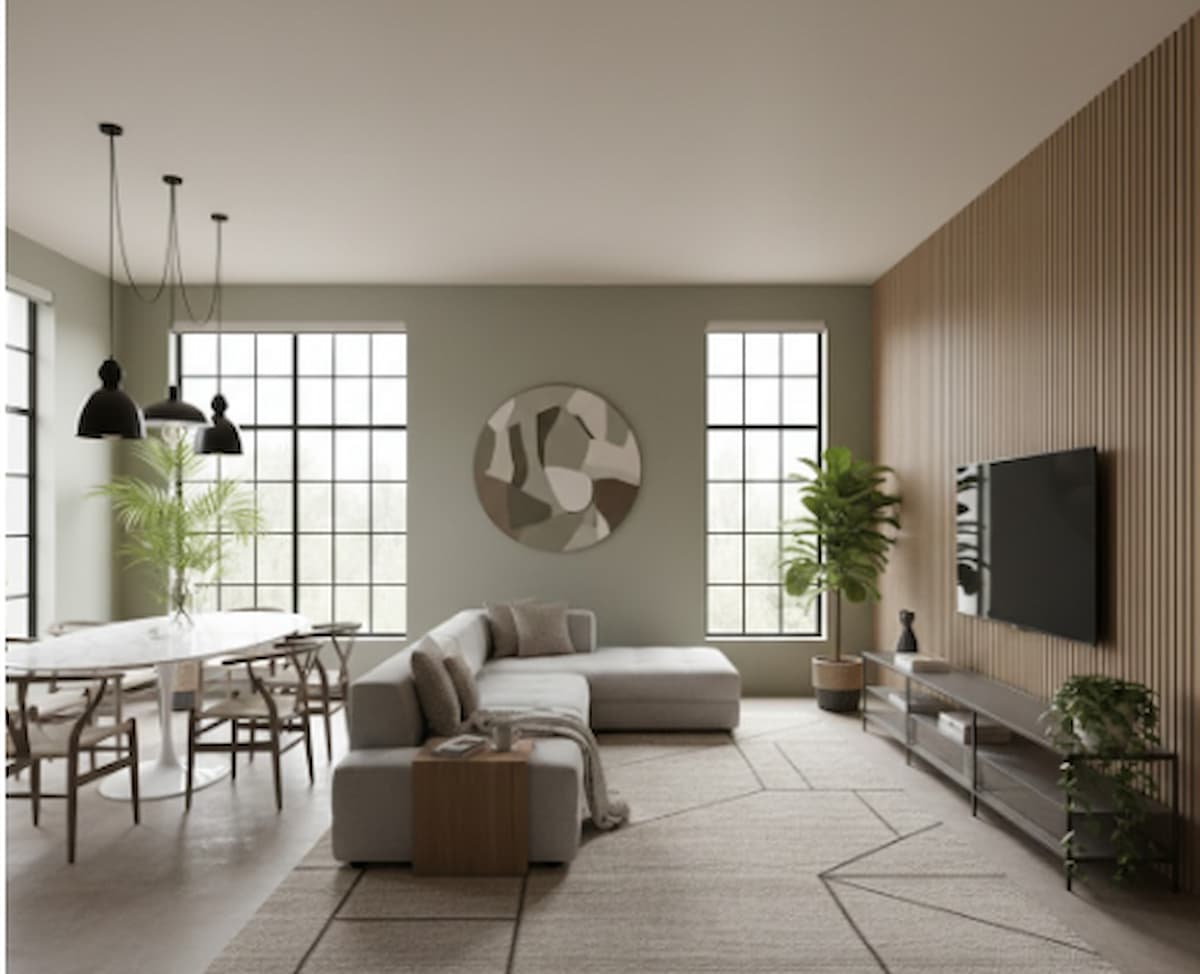
Developers are favoring minimalist facades, clean geometric forms, and large glass elements to create visually appealing structures.
6.2 Local Architectural Influence
Many buildings integrate materials and design elements inspired by Utah’s natural landscapes, such as stone textures, earthy palettes, and natural wood.
Conclusion
Building Design Solutions for Salt Lake City are evolving rapidly as the region expands its residential and commercial infrastructure. Successful projects integrate climate-responsive techniques, seismic resilience, sustainability practices, and advanced building technologies. For construction professionals and developers, adopting these strategies ensures long-term durability, enhanced occupant comfort, and compliance with local regulatory frameworks.
This comprehensive approach not only supports the city’s growth but also contributes to a more sustainable and resilient built environment.