Every renovation starts with optimism. The numbers add up, the end value brings satisfaction, and the workload feels doable. Then the survey comes back, or the walls come down, and the reality changes in strokes. Structural issues have a way of converting a simple project into a financial tightrope walk.
For developers, landlords and hands-on homeowners, the trick is not to avoid surprises altogether. It’s knowing what to do when they occur.
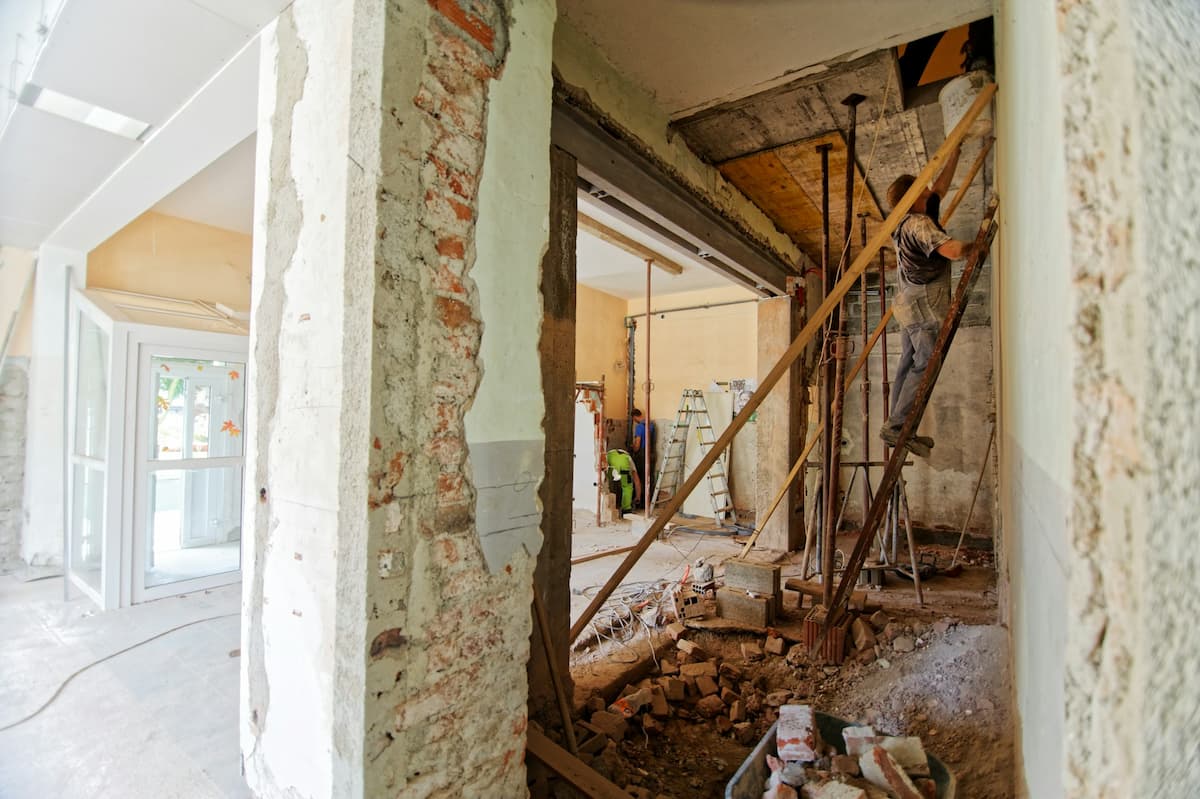
Common Structural Surprises During Refurbishment
Some issues reveal themselves quickly. Cracks that seemed cosmetic are subsidence. A dank odor permeates the air, and damp and decaying timber lurks behind the plaster.
Another frequent shock is outdated electrics. What was called “in need of updating” may, in fact, need to be completely rewired to meet current standards. That requires lifting floors and chasing walls, adding weeks to the programme.
Nonstandard construction can complicate things as well. Mortgage options are often limited, and specialist costs are higher for buildings with concrete panel systems or other structural changes, such as steel frames. All of a sudden, the pool of buyers you were expecting shrinks.
All of these discoveries impact more than the build schedule. They change the financial equation. Labor costs rise. Materials increase. Professional fees follow. This passes with holding costs continuing to tick away in the background.
At this point, however, emotion has to take a back seat to facts, and the numbers have to lead the way.
Assessing Viability After the Survey
When new structural information comes to light, the first order of business should be clarity. Obtain detailed quotes. Be sure to consult structural engineers. Write a full scope of work and not just contingency estimates.
Consider the costs of financing, lengthy timelines, insurance for vacant properties, and the opportunity cost of capital tied up in a project. A six-month delay on a renovation is more than just a hit to profits; it’s a hit to cash flow and future plans.
Remediation also generally pays off when the end value comfortably exceeds the total investment, yet remains attractive to mainstream buyers. Structural work that makes homes mortgageable and improves long-term durability can also be part of the path to better resale prospects.
If the property gets hard to finance, too much specialist work is beyond your experience, or margins are in uncomfortable territory, then taking a step back may be the right move.
In cases where it would cost more to fix than the property could ever be worth, some owners will explore alternatives, including cash for homes options that don’t require a mortgage, particularly if the home is currently un-mortgageable. With this route, you avoid potential buyer negotiations, ongoing mortgage valuations, and chains that delay completion.

Structural shocks are one of the expected factors in home renovations. What distinguishes a successful project from an expensive lesson is disciplined decision-making when new information becomes available.
In some cases, the best course of action is to press on and deliver a stronger final product. Other times, the best strategy is to protect capital and move on. In real estate, as in construction, the key isn’t just how to build but knowing when to.