In the ever-evolving world of construction, 3D printing emerges as a groundbreaking technology, reshaping the way we design and build structures. Known for its precision, sustainability, and cost-effectiveness, 3D printing enables architects and construction managers to push the boundaries of innovation while enhancing project efficiency. As an industry-revolutionizing tool, it reduces waste, lowers labor costs, and accelerates project timelines, making it an attractive option for modern construction projects. Discover how 3D printing empowers professionals to meet complex architectural demands and drive sustainable practices, paving the way toward a more innovative and adaptable future in the construction industry.
Brief Overview
3D printing is revolutionizing the construction industry by enhancing precision, sustainability, and cost-effectiveness, allowing architects and managers to innovate with efficiency. This transformative technology reduces waste and labor costs while accelerating project timelines, making it an appealing choice for modern construction. It presents opportunities for intricate designs, pioneering eco-friendly practices, and fostering a collaborative building environment. Despite challenges like complex designs and scaling issues, its potential for sustainable growth and adaptation continues to grow. As the industry evolves, embracing 3D printing could reshape traditional construction methods towards a more advanced and environmentally conscious future.
Key Highlights
- 3D printing revolutionizes construction by improving design, precision, and sustainability.
- This technology dramatically reduces material waste, enhancing eco-friendly building practices.
- Innovative materials like metal and powder expand construction’s sustainability and efficiency.
- 3D prototyping accelerates the design process, reducing errors and optimizing project outcomes.
- Challenges include scaling issues and complex design translation, requiring expert collaboration.
Introduction to 3D Printing in Construction
3D printing in construction is revolutionizing how buildings are created, offering exciting possibilities for architects and project managers. This innovative construction technology streamlines processes, allowing for the rapid production of building components and structures. With advancements in printing speeds and materials, the role of construction printers is becoming increasingly crucial. As we delve into this emerging field, we explore how 3D printing is reshaping construction methods and redefining design possibilities. From prototyping to large-scale manufacturing, 3D printing introduces efficiency and versatility to the construction sector. By embracing these advancements, the industry moves towards a promising future of sustainable, efficient building.
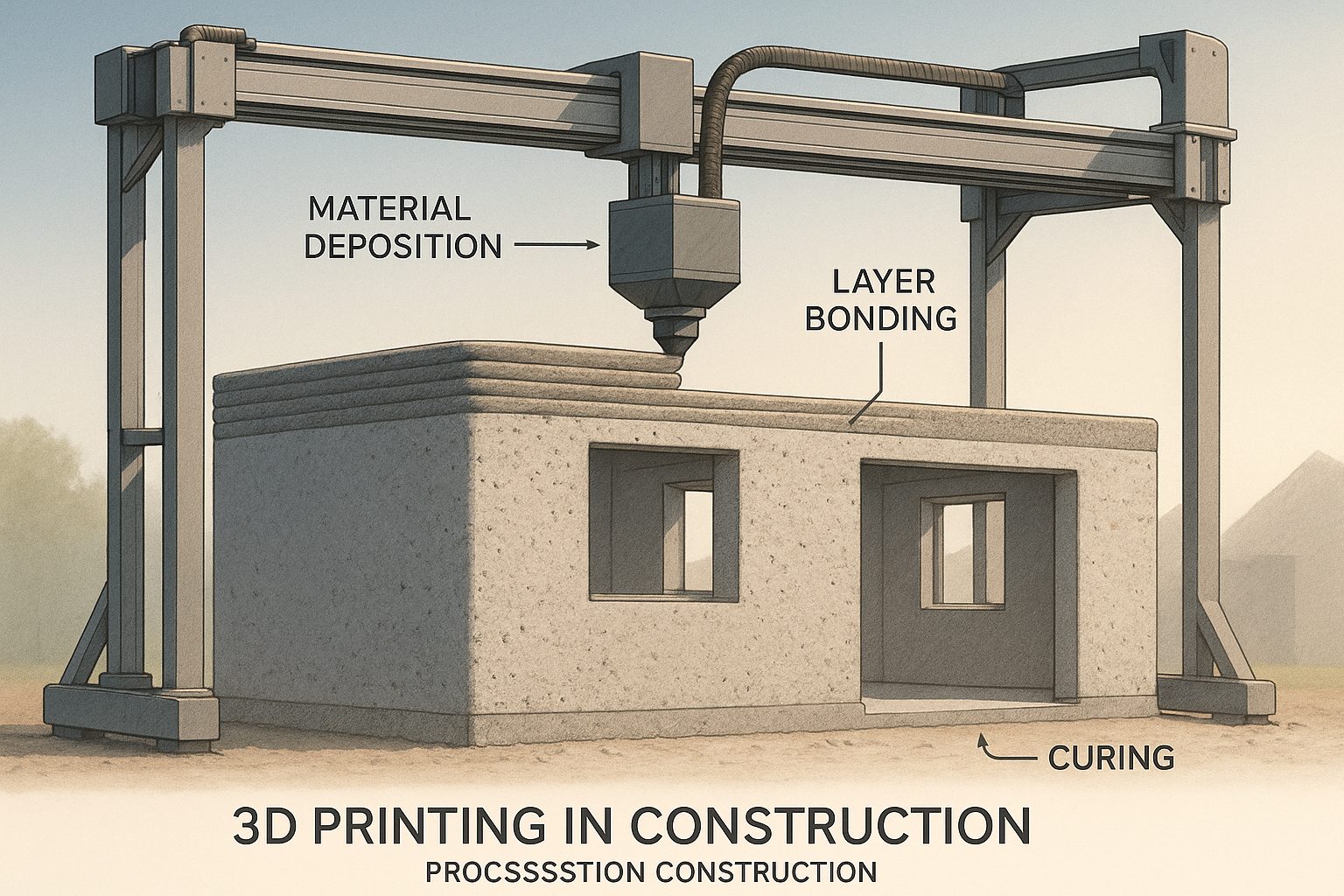
Understanding the Basics of 3D Printing Technology
At its core, 3D printing technology involves creating three-dimensional objects from a digital model. This is achieved by layering materials, which transform digital blueprints into tangible products. Initially used for prototyping, 3D printing has evolved into a full-fledged manufacturing powerhouse, playing a significant role in the construction industry. Construction printing and technology facilitate rapid production, accurately creating complex shapes that traditional methods find challenging. The construction printers utilize various materials like concrete and composites, tailored to meet specific building requirements. This flexibility allows for the integration of printed parts directly into construction projects, enhancing design capabilities and construction speed.
Moreover, the ongoing innovations in printing technology pave the way for sustainable building practices. By reducing material waste and improving precision, 3D printing supports eco-friendly construction initiatives. Additionally, projects benefit from increased personalization, as designs can be customized to meet unique client specifications. As this technology continues to advance, it integrates more seamlessly into mainstream construction processes, promising to transform traditional building methodologies. Users are encouraged to embrace these advancements, leveraging the potential of 3D printing to achieve efficient and innovative results in their projects.
The Role of 3D Printing in Modern Construction
The integration of 3D printing in construction signals a transformative shift, influencing building design and the methods employed in the industry. This technology introduces more accurate construction by allowing bespoke items to be crafted with precision. With substantial improvements over traditional methods, architects and project managers are now able to envision and implement more complex structures efficiently. The role of 3D printing extends to faster project completion and enhanced site operations. As industry professionals explore these advancements, they can capitalize on the technology to revolutionize the future of construction and buildings.
How 3D Printing Transforms Building Design and Implementation
3D printing is reshaping the construction landscape by enhancing the building design process and implementation timelines. This technology allows for the creation of intricate, bespoke items, making it possible to construct small structures or parts of larger projects with unmatched precision. The construction industry embraces these advancements to offer more accurate construction outcomes, which leads to substantial improvements compared to traditional methods. By utilizing digital designs, construction printing achieves faster and more efficient site operations, reducing timeframes for project completion. Moreover, the services provided by 3D printing open doors for customization, allowing architects to explore innovative avenues without limitations. This flexibility supports projects that demand unique and complex structures, ensuring that architectural vision can be realized in greater detail. Emphasizing the significance of 3D printing strengthens the industry’s potential to evolve, challenging project managers to rethink conventional approaches to building design.
| Benefits | Applications | Impact on Design | Project Outcomes |
| Cost Efficiency | Residential Housing | Enhanced Accuracy | Reduced Construction Time |
| Material Savings | Commercial Buildings | Greater Flexibility | Lower Labor Costs |
| Environmental Sustainability | Infrastructure Projects | Innovative Structures | Improved Quality |
| Rapid Prototyping | Disaster Relief Shelters | Complex Geometries | Increased Customization |
This table encapsulates how 3D printing is revolutionizing construction, leading to faster, more customizable building solutions.
Benefits of Implementing 3D Printing in Construction Projects
Integrating 3D printing in construction offers transformative advantages, revolutionizing industry standards and project execution. This cutting-edge technology brings precision and efficiency, allowing for material conservation and reduced costs. The benefits are profound, as 3D printing enables faster project timelines and more complex architectural designs. As construction project managers and architects seek to innovate, utilizing 3D printing can lead to substantial improvements in building methods. By adopting this technology, professionals can enhance their projects, delivering sustainable, cost-efficient structures. These advancements underscore the growing importance of 3D printing in shaping future construction practices.
Enhanced Precision and Reduced Material Waste
3D printing technology significantly improves precision in construction projects, offering benefits unattainable with traditional methods. The ability to accurately reproduce digital designs into solid structures minimizes human error, leading to enhanced construction outcomes. This technology not only ensures accuracy but also brings about cost efficiency by reducing material waste. By using exact quantities of materials, 3D printing minimizes surplus and waste, aligning with environmentally conscious building practices. As part of a project’s innovation strategy, integrating these technologies results in faster production times. This aspect is crucial for meeting tight deadlines in competitive construction environments. Moreover, the capability to prototype and test parts before final production can save time and resources, significantly optimizing the design and implementation phases. As architects delve into complex, ambitious designs, the added precision of 3D printing provides a competitive edge, ensuring projects are completed on time and within budget. By embracing 3D printing, professionals in the construction industry can capitalize on these technologies to create more efficient and ecologically responsible structures.
Challenges and Limitations of 3D Printing Technologies
Despite its transformative potential, 3D printing in construction encounters distinct challenges and limitations. Navigating these hurdles is crucial for architects and project managers aiming to leverage this technology effectively. Issues like complex design translations, scaling difficulties, and the integration of printed components present unique obstacles. Understanding and addressing these challenges ensures that construction projects using 3d printing Services proceed smoothly. By exploring these limitations, industry professionals can devise strategies to enhance the efficiency and practicality of 3D printing, setting the stage for future advancements in construction methods and technologies.
Addressing Complex Design and Scaling Issues
One significant hurdle with 3D printing technology in construction is handling complex design and scaling issues. This technology excels at creating intricate shapes and components, but translating these from digital models into tangible objects can be challenging. The technology necessitates precise calibration to ensure complexities in digital designs are accurately mirrored during the printing process. Additionally, scaling these designs from prototypes to full-scale construction elements isn’t straightforward. Variations in material properties and potential errors in larger components require careful planning and adjustment. Addressing these challenges requires expertise in adapted design principles and advanced software capable of accommodating scalability in construction projects. To overcome these obstacles, collaboration between architects, project managers, and engineers is vital. They must engage in continuous research and development to fine-tune scaling strategies and material application, ensuring 3D printing’s full potential in the industry. By staying proactive, professionals can employ innovative solutions that bridge the gap between complex digital blueprints and the actual construction of scaled building components. Such strategies invite a deeper understanding of the technology’s limits, fostering a more robust integration into the construction industry.
Sustainability Through 3D Printing
Sustainability is integral to the future of construction, and 3D printing offers a promising pathway to achieve eco-friendly building practices. By minimizing material waste and enabling precise energy use, this technology aligns with green initiatives. The advent of 3D printing allows for resource-efficient methods that reduce energy consumption while meeting high standards for building design. As construction professionals seek innovative solutions, 3D printing provides opportunities to create structures that are not only functional but environmentally responsible. This section explores how this printing technology fosters sustainability, influencing industry practices and setting a new standard for building projects.
Contributing to Eco-friendly Building Practices
3D printing is at the forefront of promoting eco-friendly practices in the construction industry. By utilizing sustainable materials, it significantly reduces material waste, a critical concern in traditional construction. The precision of 3D printing means that only the exact amount of materials needed is used, effectively cutting down waste and conserving resources. This not only reduces costs but also minimizes the environmental footprint of construction projects. The energy-efficient nature of the printing process further complements these efforts, as it requires less energy compared to conventional methods. Notably, printed structures can integrate components designed to optimize energy usage, such as self-cooling walls or adaptive facades, enhancing their sustainability. Moreover, the ability to create intricate designs without the need for excess material use showcases the industry’s shift towards more responsible building design. Architects and project managers are thus empowered to innovate without compromising on sustainability, making 3D printing a compelling choice for future construction endeavors. The constant evolution of 3D printing technology promises to further expand its contribution to eco-friendly construction, urging industry players to embrace these sustainable practices and drive change in modern building methodologies.
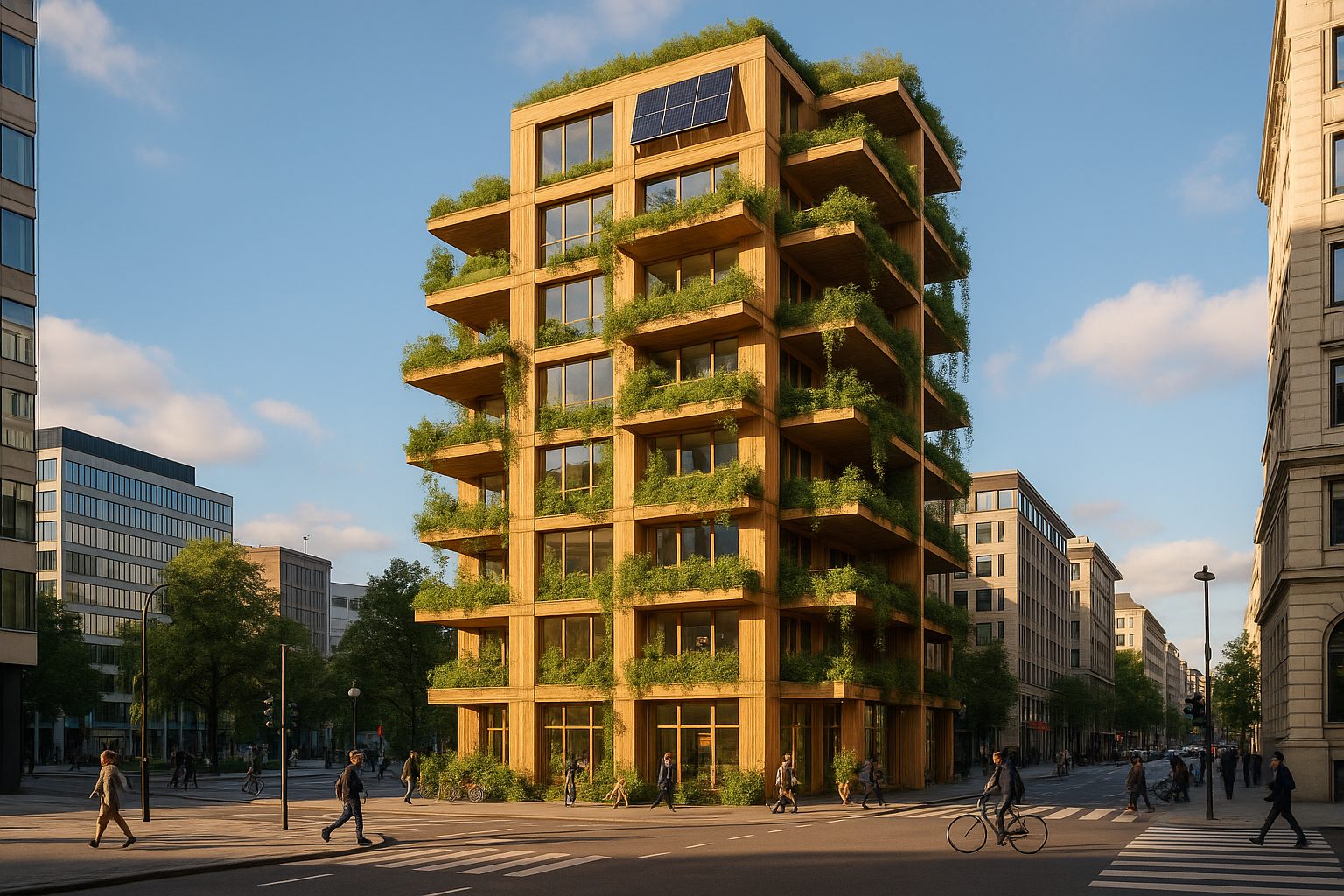
Innovative Materials for 3D Printing
As the construction industry evolves, new materials for 3D printing are unlocking transformative possibilities. These materials are not just complementing traditional methods but revolutionizing the construction process entirely. By incorporating sustainable and efficient options like metal and powder, the technology pushes boundaries, enabling the creation of durable parts and intricate components. The advancement in materials allows for the fabrication of complex structures such as houses directly on-site, offering significant time savings and precision. Integrating cutting-edge materials bolsters the construction sector, setting a new standard in customizability, sustainability, and overall efficiency.
Exploring New Materials to Expand Construction Possibilities
The evolution of 3D printing materials is dramatically expanding the realm of construction possibilities. From enhanced durability to improved performance, new materials are playing a critical role in reshaping the construction landscape. Using metal and powder, construction teams can print robust components that withstand the demanding conditions of building projects. 3D printing technology enables the integration of these materials directly at the construction site, reducing transportation costs and creating a seamless link between design and implementation. Moreover, these materials bring a fresh level of sustainability to projects. The precise utilization of resources means significantly less waste compared to traditional methods, aligning construction efforts with modern environmental standards. By exploring cutting-edge materials, architects and project managers open doors to innovative designs that were previously unattainable. This exploration encourages professionals to tailor services to meet specific needs, offering customization on an unprecedented scale. As the technology progresses, these new material solutions continue to drive change, fostering the sustainable production of versatile building structures and enhancing the industry’s ability to meet evolving demands.
3D Prototyping Services for Construction Projects
3D prototyping services have become an integral component in modern construction, bringing innovation and efficiency to project execution. By enabling architects and engineers to experiment with designs early on, these services offer the ability to quickly iterate and refine concepts. The technology allows for creating more accurate construction components, thus reducing the risk of errors and delays down the line. Integrating 3D prototyping into your construction project can streamline processes, making site operations faster and more efficient. As the construction industry evolves, embracing these innovative solutions is crucial for staying competitive and achieving superior project outcomes.
Streamlining the Design Process and Improving Outcomes
Simplifying the design phase is one of the most significant benefits of integrating 3D printing prototyping into construction projects. By utilizing advanced printing technology, architects and engineers can produce detailed models of their designs before actual construction begins. This prototyping process allows potential issues to be identified and addressed early, fostering more accurate construction outcomes. Introducing 3D printed prototypes means that building components are efficiently created and adjusted, providing valuable insights into the feasibility and aesthetics of a project. These services enable faster iterations and adjustments, reducing site time and overall project duration. By replacing traditional methods with this innovative approach, construction professionals can produce designs that align closely with initial expectations. The shift towards digital models not only enhances the accuracy of the construction but also supports more efficient and eco-friendly building processes. Hence, project managers and architects are encouraged to adopt this technology, ensuring their design intentions are met from the outset while minimizing the environmental impact and maximizing resource efficiency.
Future Prospects of 3D Printed Buildings
The integration of 3D printing technology into the construction industry is setting the stage for profound changes in building design and construction processes. As this technology continues to evolve, new opportunities for creating sustainable and innovative structures emerge. By exploring emerging trends and technologies, architects and project managers can anticipate the future of construction, dominated by 3D printing solutions that prioritize efficiency and sustainability. This future prospect promises not just a transformation in how buildings are constructed but also in how the industry adapts to technological advancements and sustainability mandates.
Exploring Emerging Trends and Technologies in 3D Printing
As construction embraces the future, emerging trends in 3D printing technology are shaping how buildings are designed and constructed. The industry is witnessing innovations that not only enhance building design but also revolutionize site productivity. One notable trend is the increased adoption of modular construction using 3D printed components, which allows for swift assembly on-site, significantly reducing construction time. Furthermore, advancements in material science, specifically in eco-friendly and sustainable materials like recycled powder, are becoming more prevalent, aligning the construction practices with global sustainability goals. The ability to integrate complex wiring and plumbing directly into the walls of 3D printed homes is also changing the landscape. This technology minimizes the need for additional materials and labour, making it an economical option for scalable projects. The marriage of technology with traditional construction techniques promises reduced costs and timeframes, leading to a more efficient industry. As these trends develop, architects and project managers are encouraged to stay informed and prepared to incorporate these innovations into their projects, ensuring they remain at the forefront of the industry’s evolution towards a sustainable future.
Conclusion: The Future of 3D Printing in Construction
As the construction industry embraces cutting-edge advancements, 3D printing stands out as a transformative force reshaping building processes and design possibilities. This technology is not just about building components faster, but also creating more sustainable and efficient structures. As architects and project managers focus on sustainability and innovation, they realize the benefits of adopting 3D printing technology. The future of construction will likely be dominated by these advancements, blending traditional techniques with modern precision. By continuing to integrate these technologies, the industry paves the way for a collaborative, more efficient building environment.
Embracing Change for a Collaborative Building Environment
Creating a dynamic environment that embraces change is essential for fostering collaboration in the construction sector. 3D printing technology serves as a catalyst for this transformation, enabling project managers and architects to work together more seamlessly. By fundamentally altering traditional workflows, this technology facilitates improved communication and project execution. The ability to produce tailored building components enhances the integration of various disciplines, as each team member can visualize and manipulate designs more effectively. Moreover, collaborative approaches driven by 3D printing can reduce costs and energy consumption by optimizing material use. As teams innovate, they contribute to a sustainable, energy-efficient future, where structures are designed not only for functionality but environmental responsibility. Encouraging active collaboration between stakeholders can lead to the faster implementation of innovative solutions, benefiting the entire construction ecosystem. Pursuing such synergies, while utilizing revolutionary technologies, offers a promising pathway for future construction projects to become models of sustainability and precision. By leveraging the full potential of 3D printing, the industry can ensure buildings are not only meticulously crafted but also emblematic of a forward-thinking and environmentally conscious future. As the construction industry embraces 3D printing, the collaboration among stakeholders is enhanced in several remarkable ways:
- 3D printing facilitates real-time design modifications, allowing teams to respond swiftly to project changes and feedback.
- It provides a unified platform for architects, engineers, and builders, ensuring smooth communication and shared understanding.
- The technology supports sustainable practices through resource-efficient building processes, engaging diverse expertise for innovation.Ultimately, 3D printing catalyzes collaborative efforts, driving sustainable and innovative solutions within the construction sector.
In embracing 3D printing, the construction industry stands poised to revolutionize how buildings are designed and erected. This technology not only enhances efficiency and precision but also enables innovative architectural designs that were once deemed impossible. However, as with any nascent technology, it is crucial for industry professionals to remain informed about potential limitations and ongoing advancements. For those eager to explore the full potential of 3D printing, now is the time to act. Download our comprehensive guide to delve deeper into the benefits and applications of 3D printing in your construction projects.
Frequently Asked Questions (FAQs)
What is 3D printing’s role in modern construction?
3D printing is a transformative technology in construction, offering benefits like enhanced precision, sustainability, and cost-effectiveness. It enables architects and construction managers to innovate efficiently, reduces waste, lowers labor costs, and accelerates project timelines.
How does 3D printing contribute to sustainability in construction?
3D printing supports eco-friendly practices by minimizing material waste and enabling precise energy use. Its precision means only the exact materials needed are used, thus conserving resources and reducing environmental impact.
What materials are used in 3D printing for construction?
Innovative materials like metal and powder are used in 3D printing for construction. These materials expand sustainability and efficiency by enabling durable parts and intricate components that enhance design potential.
What challenges does 3D printing face in the construction industry?
Challenges in 3D printing include complex design translations and scaling issues. Expert collaboration is required to ensure that digital designs are accurately mirrored in printed objects, especially when scaling from prototypes to full-sized components.
How can architects benefit from 3D prototyping in their projects?
3D prototyping allows architects to experiment with designs and refine concepts early in the project. It reduces errors, optimizes outcomes, and provides valuable insights into the feasibility of designs, ultimately leading to more efficient construction processes.