In the demanding world of construction, proper workwear is essential not only for safety but also for enhancing productivity and comfort. Construction and industrial workwear are designed to meet the rigorous standards of durability, weather resistance, and flexibility required on-site. Whether managing a large-scale infrastructure project or a smaller renovation, selecting the right apparel, from high-visibility jackets to reinforced boots, can significantly impact efficiency and worker well-being. This guide explores the latest advancements and must-have features in construction workwear, offering valuable insights for construction company owners and project managers dedicated to maintaining a safe and efficient work environment.
Brief Overview
Effective workwear is vital in construction for ensuring safety, comfort, and productivity. The selection of apparel, such as durable high-visibility vests and reinforced boots, significantly impacts efficiency and worker morale. Key features in workwear include materials that combine durability with comfort, essential for withstanding harsh environments. Innovative brands are advancing the market with new fabric technologies and safety features. Understanding regulations and implementing strategic inventory management further support a safe and cost-effective work environment. Staying informed on these advancements equips construction managers with the tools to foster a secure and efficient workplace.
Key Highlights
- Proper workwear is vital for safety, productivity, and comfort on construction sites, impacting both morale and efficiency.
- Safety footwear must prioritize durability, slip resistance, and protective features like steel toe caps to ensure worker safety.
- Durable work clothes using materials like Cordura or cotton blends enhance resilience and worker comfort in tough conditions.
- Innovative brands such as Helly Hansen integrate safety features with style, emphasizing eco-friendly materials in workwear.
- Compliance with safety standards like BS EN ISO 20471 is essential for managing risks and maintaining legal integrity on sites.
The Importance of Proper Workwear in Construction
In the bustling world of construction, workwear is more than just a uniform; it’s a critical component that affects safety, efficiency, and overall worker morale. From protective clothing to essential gear, the right apparel can make all the difference. By equipping workers with appropriate construction clothing, companies can enhance safety and operational productivity. This segment will explore how suitable workwear not only ensures compliance with safety standards but also boosts comfort and performance on-site, emphasizing the invaluable role of workwear essentials in the industry.
Enhancing Worker Safety and Comfort
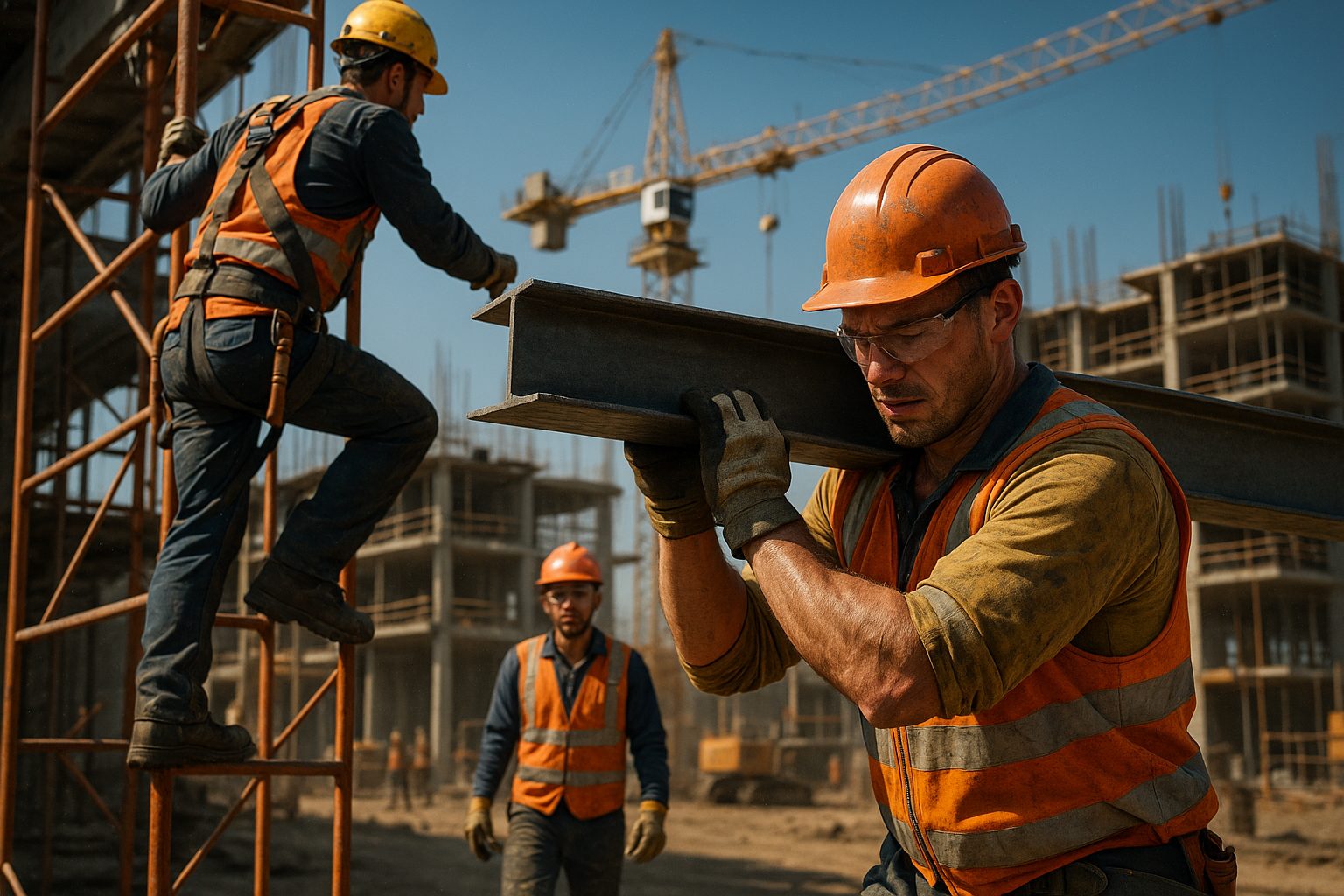
Prioritizing worker safety and comfort through appropriate workwear has become essential in construction environments. Safety workwear, which often includes a range of PPE workwear, plays a pivotal role in safeguarding workers against potential hazards on site. Items like high-visibility jackets, reinforced knee trousers, and steel-capped boots are indispensable pieces that contribute to a secure work setting. Moreover, protective clothing designed with modern materials ensures wearers remain shielded from elements like rain, extreme heat, and cold, thus enhancing their comfort and enabling them to focus on their tasks efficiently.
Furthermore, comfort is equally crucial as safety, and it’s achieved by integrating ergonomic design features into construction clothing. Garments crafted with breathable fabrics and adaptive fits significantly reduce fatigue and increase operational efficiency. For example, tailored workwear essentials can prevent strain during physical activities, allowing workers to perform with agility and ease. By choosing clothing that combines functionality with comfort, construction managers can foster a more productive and enjoyable work environment. With options like moisture-wicking PPE workwear, the workforce is empowered to tackle demanding tasks, ensuring the continuity of high performance and commitment to project milestones.
Choosing the Right Safety Boots
In ensuring the well-being of construction workers, selecting the right safety boots is crucial. Not only do they provide protection from workplace hazards, but they also enhance overall comfort and efficiency on-site. With a plethora of options available, understanding the key features that define effective safety footwear is essential. This segment will delve into the critical attributes that construction and industrial professionals should consider when choosing safety boots, focusing on durability, comfort, and compliance with safety standards.
Features to Look For in Safety Footwear
When assessing safety footwear for demanding construction environments, various features should be prioritized to ensure maximum protection and comfort. Firstly, durability is paramount. Safety boots constructed from high-quality materials like leather or advanced synthetics offer long-lasting wear, essential for withstanding tough conditions. Additionally, slip-resistant soles provide crucial grip, minimizing the risk of slips and falls on uneven or slippery surfaces. Investing in boots with strong, slip-resistant tread can enhance stability, supporting worker safety.
Beyond durability, comfort is a vital factor in boosting work performance. Look for boots with cushioned insoles and padded collars, which help reduce foot fatigue over prolonged periods of use. Breathable liners that wick away moisture also keep feet dry and comfortable, preventing blisters and other discomforts associated with long hours on the job. Equally important is the protective aspect of safety footwear. Steel or composite toe caps shield feet from falling objects or accidental impacts, a critical feature in construction zones riddled with potential hazards.
Ankle support is another desired characteristic, often provided by higher-cut boots which help prevent injuries from twisting and turning. By choosing safety boots that incorporate these features, construction managers can significantly enhance their team’s productivity and morale. As part of comprehensive protective clothing, these boots not only meet safety regulations but also foster a healthier and more efficient work culture. Encouraging your workforce to invest in quality safety footwear is a step toward ensuring safety and comfort throughout each project phase.
Benefits of Durable Work Clothes
For construction site workers, durable work clothes offer essential protection and comfort. Besides safeguarding against environmental hazards, such attire boosts productivity by facilitating free movement. Work clothes made from durable materials withstand harsh conditions prevalent in construction zones. This segment explores the value of rugged workwear, focusing on material resilience and longevity. By examining material options and their durability, construction managers can ensure their teams are outfitted with workwear essentials that meet safety and performance standards, enhancing job satisfaction and operational efficiency.
Understanding Material Options and Durability
Selecting the right materials for work clothes is pivotal for ensuring lasting protection and efficiency on construction sites. Among the key components of high-quality workwear essentials are fabrics that combine toughness with flexibility. For instance, cotton blends offer breathability and comfort, ideal for warmer climates, while specialized reinforced materials like Cordura are celebrated for their exceptional durability and resistance to wear and tear. These fabrics form the core of reliable protective clothing, preserving their integrity even after extensive use in demanding conditions.
For construction managers, identifying the right compositions is crucial not only for safety but also for managing costs effectively. Investing in resilient PPE workwear means reducing the frequency of replacements, ultimately saving on expenses while maintaining high safety standards. Moreover, advanced fabric technologies like stain-resistant coatings and moisture-wicking properties are significant advantages that enhance worker comfort, keeping them dry and maintaining morale during long shifts. As the construction industry looks toward sustainable practices, eco-friendly material options are increasingly gaining traction.
Recycled polyester or organic cotton blends, for example, not only provide robust protective qualities but also appeal to environmentally-conscious companies aiming to reduce their carbon footprint. By aligning the choice of work clothes with both practical needs and environmental considerations, construction companies can set a benchmark for responsible and effective workwear solutions. Encouraging workers to embrace quality, durable options not only fortifies safety measures but also supports a thriving, forward-thinking work culture.
A Guide to Selecting Quality Trousers
When kitting out a construction team, selecting the right trousers is paramount to ensuring both comfort and functionality. Construction trousers vary widely, with options like cargo trousers offering added utility thanks to their abundant pocket space. Understanding the complexities of fit, price, and material choices can significantly impact worker efficiency and comfort. This guide aims to provide you with the insights needed to make informed decisions when selecting quality trousers, ultimately enhancing worker performance and satisfaction on the job site.
Factors to Consider for Functionality and Fit
Selecting the perfect pair of trousers for the construction site involves a careful balance between functionality and fit. Construction trousers must endure the rigors of a demanding work environment, providing both durability and comfort. One of the primary considerations is the trousers’ fit; a well-fitted pair can enhance mobility, reduce strain during movement, and improve overall worker comfort. Whether opting for straight-leg or more relaxed cargo trousers, ensuring that the cut supports ergonomic movement is key for all-day wearability. Material choice is another critical factor. Look for trousers made from robust yet comfortable fabrics like cotton blends or canvas, which offer a good combination of flexibility and resilience. Reinforced knees and seams are excellent for prolonging the lifespan of the trousers, allowing them to withstand the typical wear and tear associated with construction activities. Additionally, features like adjustable waists and expandable pockets can add significant utility, allowing workers to carry tools and accessories efficiently. Price, while important, should not overshadow quality. Investing in high-quality trousers might mean higher upfront costs, but the benefits of durability and reduced frequency of replacements can lead to long-term savings. For construction managers, emphasizing quality over quantity can foster a more sustainable approach to workwear procurement. Encouraging your team to select the right trousers can also boost their morale and efficiency, as they operate in comfort and style, tailored to streamline their daily tasks on site. Embrace these considerations to ensure your team is clothed in the best possible gear, ready to handle any challenge that the construction environment may present.
Popular Products for Construction Workwear
Construction workwear is vital for ensuring both safety and comfort for workers on site. With an array of products available tailored for the rigors of the construction environment, it’s essential to stay informed about popular choices. This section will spotlight top products that are shaping the industry, from innovative brands to groundbreaking designs that have revolutionized workwear. By understanding these key products, construction managers can better equip their teams for optimal performance and safety, thereby ensuring a productive and secure work experience.
Brands and Innovations Shaping the Market
The realm of construction workwear is continuously being transformed by numerous brands that are pioneering new styles and innovations. These brands are not only known for their high-quality products but also for pushing the boundaries of what workwear can be. Companies like Helly Hansen and Caterpillar are renowned for their commitment to durability and style, creating workwear that can withstand harsh conditions while ensuring wearers feel comfortable. With advancements in fabric technology, these brands introduce innovations such as moisture-wicking materials and breathable fabrics that are particularly beneficial in dynamic construction settings.
Moreover, some brands focus on integrating cutting-edge safety features into their workwear, such as enhanced visibility through reflective materials and built-in protection against environmental hazards. Innovations like these are crucial as they provide added layers of safety without compromising on style or functionality. As the market evolves, there’s a noticeable shift toward sustainable construction workwear. Brands are now investing in eco-friendly materials and processes, appealing to environmentally-conscious companies looking to minimize their carbon footprint.
Construction managers and project owners aiming to optimize their teams’ performance should look for brands that combine the best of style, safety, and sustainability. By choosing versatile workwear products that incorporate the latest innovations, companies can ensure their workforce is equipped with gear that not only meets industry standards but also fosters a culture of efficiency and safety. It’s clear that investing in the right brands is about more than just purchasing clothing; it’s about setting the stage for success in every construction project.
Innovative construction workwear has been transformed by notable brand contributions, focusing on smarter designs and high-performance materials. When selecting such workwear, consider these key features:
- Durability and Comfort: Look for strong fabrics that retain comfort without sacrificing longevity.
- Advanced Fabric Technology: Opt for garments with moisture-wicking and breathable properties for dynamic work environments.
- Safety Features: Seek out enhanced visibility options and built-in environmental protection for improved safety on site.
- Sustainable Materials: Prioritize eco-friendly materials to support environmental sustainability goals.
- Style and Functionality: Ensure the workwear combines aesthetic appeal with practical features for versatility.
- Brand Reputation: Choose well-established brands known for quality and continuous innovation in workwear.
Each of these points is crucial for enhancing workforce efficiency and ensuring safety in construction settings.
Regulations and Standards for Construction Safety Gear
Understanding the regulations and standards for construction safety gear is crucial for ensuring worker safety and compliance in the industry. Various safety workwear guidelines and PPE workwear requirements are enforced to protect workers from potential hazards. By adhering to these regulations, construction site managers can not only ensure the safety of their teams but also avoid costly fines and legal issues. This discussion will delve into the importance of compliance with industry standards, focusing on how effective safety gear plays a vital role in upholding such standards.
Ensuring Compliance with Industry Standards
In the construction industry, ensuring compliance with industry standards is a fundamental aspect of maintaining safety and legal integrity on site. The array of regulations that govern the use of safety gear and PPE workwear reflect the multifaceted risks associated with construction work. Key regulations such as those outlined by the Construction (Design and Management) Regulations 2015 in the UK specify a framework aimed at improving worker protection and mitigating risk. Compliance requires that project managers remain up-to-date with these standards, guaranteeing that all personnel are equipped with up-to-date safety gear suited for their specific roles and the unique environmental challenges they might face. However, for those looking to upgrade to a more professional wardrobe, navy and blue suits for men with quality fabrics and timeless designs can enhance durability and ensure it remains a staple in your attire for years to come.
Safety workwear, encompassing everything from high-visibility jackets to protective helmets, has to adhere to established standards such as BS EN ISO 20471 for visibility apparel. This ensures that the gear not only protects but is also consistent with the legal requirements intended to minimize accidents. For effective compliance, regular training sessions can equip workers with the knowledge needed to correctly utilize and maintain their safety equipment, thus enhancing on-site safety and performance.
More than just a legal obligation, compliance is a proactive measure that prevents workplace incidents and cultivates a culture that prioritizes worker well-being. Project managers can foster this culture by conducting regular audits of safety gear, ensuring all equipment remains in prime condition and up-to-date with current standards. In conclusion, upholding compliance across all levels of construction operations not only protects workers but also fortifies the company’s reputation as a responsible and safety-focused entity. Encouraging active participation in compliance practices can lead to more engaged employees, who recognize the value of adhering to these standards in their daily working practices.
| Standard | Requirement | Compliance |
| OSHA | Personal Protective Equipment (PPE) | Mandatory for all workers |
| ANSI | High-Visibility Apparel | Class 2 or 3 for roadworks |
| ISO | Head Protection | Consistent with EN 397 |
| NFPA | Flame-Resistant Clothing | Required in hazardous areas |
| CSA | Foot Protection | Steel-toed boots required |
This table provides an overview of the critical aspects of compliance with construction safety gear regulations, reflecting on industry standards and practices for ensuring worker safety.
Practical Tips for Managing Workwear Inventory
Effective workwear inventory management is crucial for maintaining an efficient construction operation. By implementing strategic practices, construction managers can navigate the complexities of inventory control to ensure their workers are equipped with the necessary gear without incurring unnecessary costs. The upcoming discussion will delve into cost-effective strategies that enhance inventory management. We’ll explore how to maintain an optimal supply of workwear, ensuring readiness and safety on-site, while also managing financial resources effectively.
Strategies for Cost-Effective Inventory Management
Managing workwear inventory efficiently requires a blend of foresight, practicality, and precision, particularly in the dynamic environment of construction. A cost-effective inventory management strategy starts with a meticulous account of existing workwear. This involves conducting routine audits to identify shortages or surpluses and adjusting orders accordingly. Establishing a clear inventory baseline paves the way for predictive stock management, which helps minimize waste and prevent overstocking.
Integrating technology into inventory management can significantly enhance efficiency. Using inventory management software tailored for construction needs allows easy tracking of workwear items and automatically updates stock levels, reducing human error and improving accuracy. Such systems can generate insightful reports that aid in forecasting inventory needs based on project schedules and workforce size.
Another crucial strategy involves forming trusted partnerships with reliable workwear suppliers who offer competitive pricing for bulk orders. Negotiating long-term contracts can yield cost savings that bolster the company’s financial health. To further optimize costs, consider implementing a centralized workwear distribution model that ensures consistent availability for workers while minimizing unnecessary expenditure on redundant stock.
Encouraging a culture of accountability among workers can also contribute to inventory management. By promoting responsible use and maintenance of workwear, managers can prolong the lifecycle of garments, reducing the frequency of replacements and associated costs. Engaging team members in regular discussions regarding the importance of effective inventory use not only cuts down expenses but also fosters a collective effort towards maintaining safety and comfort standards on-site. These strategic actions can transform workwear inventory management into a cost-effective endeavor, ultimately supporting the overarching goals of safety and efficiency in construction.
In conclusion, investing in high-quality construction workwear is not just about compliance and safety, it’s about empowering workers with the confidence and functionality needed in their challenging roles. From hard-wearing materials and ergonomic designs to advanced safety features, the right clothing can significantly impact productivity and morale on-site. As the construction industry continues to evolve, staying updated with the latest workwear innovations can offer competitive advantages and ensure team well-being. Explore our comprehensive guides and resources for best practices in selecting optimal workwear, and take the first step toward a safer, more efficient work environment today.
Frequently Asked Questions – FAQs
Why is proper workwear important in the construction industry?
Proper workwear in construction is critical for ensuring safety, comfort, and productivity. It enhances efficiency and worker morale by offering protection against environmental hazards and supporting free movement, which helps in reducing strain during physical activities on-site.
What features should be prioritized in construction safety footwear?
The key features to prioritize in safety footwear include durability, slip resistance, and protection elements like steel or composite toe caps. These components ensure safety from falling objects and provide stability and comfort, which are essential for worker efficiency and well-being.
How does workwear compliance impact construction sites?
Compliance with safety standards like BS EN ISO 20471 for visibility apparel is crucial. It ensures that all workwear protects workers effectively and aligns with legal requirements. Compliance prevents workplace incidents, minimizes legal risks, and upholds the company’s reputation as safety-focused.
What are the benefits of using eco-friendly materials in construction workwear?
Eco-friendly materials, like recycled polyester or organic cotton, support sustainability while maintaining robust protective qualities. These materials are part of an approach aimed at reducing the carbon footprint of construction companies, which aligns with environmentally-conscious practices.
How can effective inventory management enhance construction operations?
Effective inventory management ensures that construction teams are continuously equipped with necessary workwear, avoiding shortages and overstocking. Strategies such as using inventory management software and establishing long-term supplier partnerships help manage costs efficiently while maintaining readiness and safety on-site.