Efficient plumbing systems are essential for the smooth operation of any building, whether residential, commercial, or industrial. From delivering clean water to safely removing waste, a well maintained plumbing system supports hygiene, comfort, and overall functionality. However, without regular care and attention, even the best systems can develop issues that lead to costly repairs and disruptions.
This guide explores practical steps to help maintain efficient plumbing and prevent common problems before they escalate.
Understanding the Importance of Regular Maintenance
Plumbing systems operate continuously, often hidden behind walls and beneath floors. Because of this, minor issues such as small leaks or gradual blockages can go unnoticed until they become serious problems.
Regular inspections and maintenance help identify early warning signs, ensuring that small faults are resolved before they cause structural damage or system failure. Proactive care not only saves money but also extends the lifespan of pipes, fixtures, and appliances.
Common Plumbing Issues in Buildings
Many buildings experience similar plumbing challenges over time. These include:
- Leaking taps and pipes
- Low water pressure
- Blocked drains and slow water flow
- Corrosion in older pipe systems
- Faulty boilers or heating connections
Addressing these issues promptly is essential to maintain system efficiency and avoid further complications.
The Role of Professional Expertise
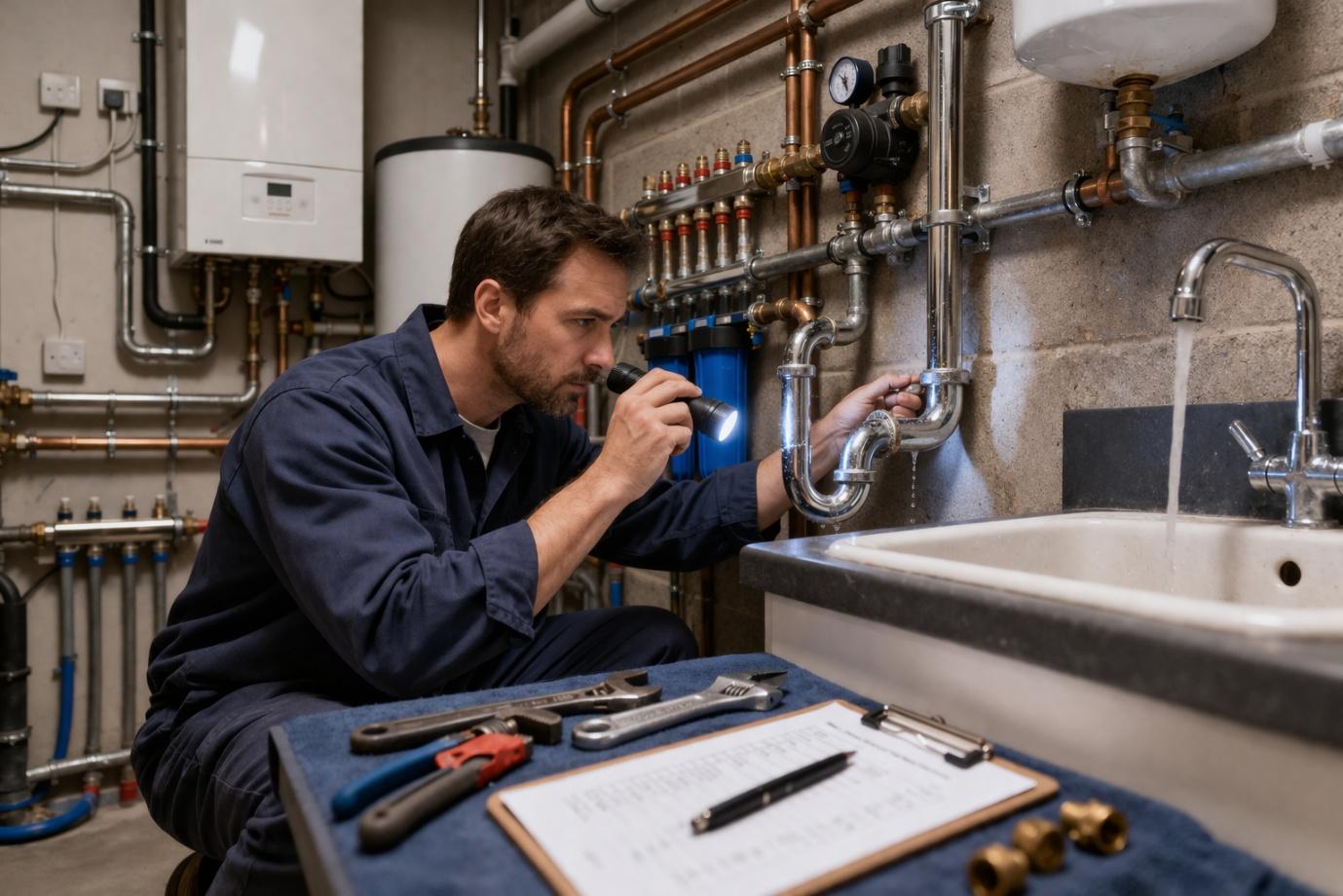
While some minor plumbing tasks can be handled independently, most maintenance and repairs require professional expertise. Qualified specialists have the tools and knowledge to diagnose issues accurately and implement effective solutions.
Engaging services such as James Plumbing Twickenham ensures that plumbing systems are inspected, repaired, and maintained to a high standard. Professional support is particularly important for complex systems or older buildings where hidden issues may be more difficult to detect.
Preventing Blockages and Build-Up
Blocked pipes are one of the most common causes of plumbing inefficiency. Everyday materials such as grease, soap residue, and debris can accumulate over time, restricting water flow.
To prevent blockages:
- Avoid disposing of fats and oils down sinks
- Use drain covers to catch debris
- Flush drains regularly with hot water
- Schedule periodic professional cleaning
These simple measures can significantly reduce the risk of clogs and maintain smooth water flow.
Maintaining Water Pressure
Consistent water pressure is essential for the effective operation of plumbing systems. Low pressure can indicate underlying issues such as leaks, blockages, or problems with the main supply.
Regularly checking water pressure and addressing any sudden changes can help identify problems early. In larger buildings, pressure regulation systems may also be required to ensure consistent performance across all areas.
Caring for Heating and Hot Water Systems
Heating systems and boilers are closely connected to plumbing infrastructure and require regular servicing to remain efficient. Poorly maintained systems can lead to inconsistent heating, increased energy consumption, and potential breakdowns.
Routine servicing helps ensure that boilers operate safely and efficiently, reducing the risk of unexpected failures and extending their lifespan.
Upgrading Outdated Plumbing Systems
Older buildings often have outdated plumbing systems that may not meet modern standards. Over time, pipes can corrode, materials can degrade, and systems may become less efficient.
Upgrading old pipework and fixtures can improve water flow, reduce the risk of leaks, and enhance overall system performance. Modern materials are more durable and better suited to current usage demands.
The Importance of Emergency Preparedness
Even with regular maintenance, plumbing emergencies can still occur. Burst pipes, major leaks, or severe blockages require immediate attention to prevent extensive damage.
Having access to reliable emergency plumbing services ensures that issues can be addressed quickly, minimising disruption and protecting the building.
Final Thoughts
Maintaining efficient plumbing systems is essential for the long term performance and safety of any building. Through regular inspections, preventative care, and professional support, property owners can avoid costly repairs and ensure reliable operation.
By taking a proactive approach and addressing issues early, buildings can benefit from improved efficiency, reduced downtime, and greater overall comfort. Investing in proper plumbing maintenance is not just a necessity—it is a smart long term strategy for any property.