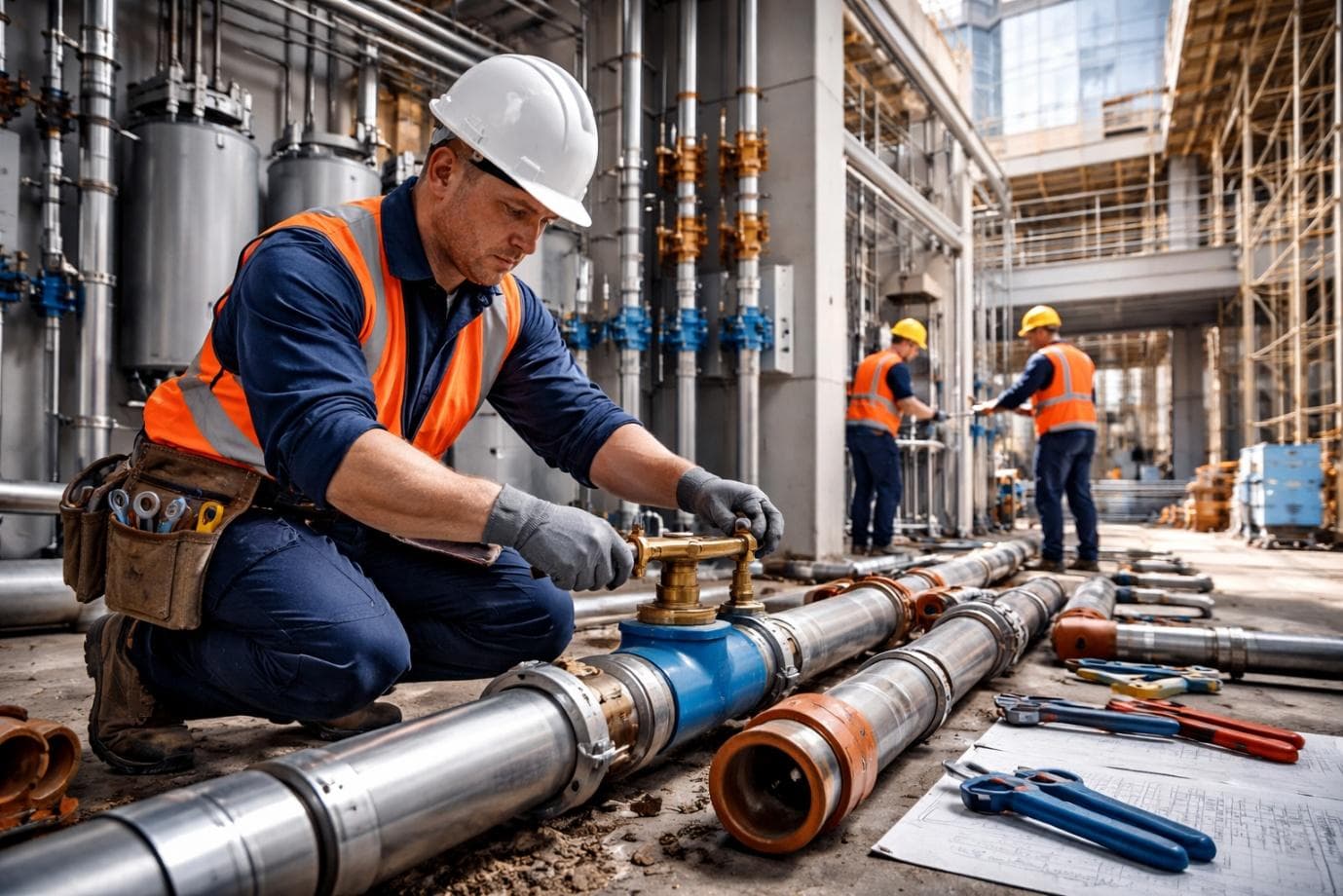
Modern construction projects demand more than just solid structures and appealing design. Behind every successful residential, commercial, or industrial development lies a network of essential systems working seamlessly together—and plumbing is one of the most critical among them. From water distribution to waste management, expert plumbing plays a vital role in ensuring efficiency, safety, and long-term performance.
Plumbing as a Core Infrastructure Element
Plumbing is no longer a secondary consideration in construction. It is a core component that directly impacts the functionality and sustainability of a building. Well-designed systems ensure consistent water pressure, efficient drainage, and proper sanitation, all of which contribute to occupant comfort and regulatory compliance.
Professional input during the planning phase helps avoid costly design conflicts later. By integrating plumbing layouts with architectural and structural plans early on, developers can minimise disruptions and optimise space usage.
Supporting Sustainability and Efficiency
Sustainability is a key focus in modern construction, and plumbing systems are central to achieving environmental goals. Efficient pipework design, water-saving fixtures, and smart technologies help reduce water consumption and energy usage.
Working with experienced specialists such as Rochford Plumbers allows developers to incorporate advanced solutions like rainwater harvesting, greywater recycling, and energy-efficient hot water systems. These features not only lower utility costs but also help projects meet environmental standards and certifications increasingly required in the UK construction sector.
Ensuring Compliance with Regulations
Construction projects must comply with strict building regulations and safety standards. Plumbing systems, in particular, are subject to guidelines related to water safety, drainage, and hygiene.
Qualified professionals ensure that installations meet all legal requirements, reducing the risk of penalties, project delays, or future liabilities. Their knowledge of current codes and best practices is essential for passing inspections and maintaining long-term system reliability.
Coordination with Other Trades
Modern construction relies on close collaboration between multiple trades, including electricians, HVAC specialists, and structural engineers. Plumbing systems often intersect with these areas, making coordination essential.
For example, pipe routes must align with electrical systems, and drainage layouts must complement structural foundations. Experienced plumbers contribute to smoother project execution by working closely with other professionals, preventing clashes and ensuring efficient installation.
Reducing Long-Term Costs
Investing in expert plumbing during construction can significantly reduce long-term maintenance and repair costs. Poorly installed systems often lead to leaks, blockages, or inefficiencies that require expensive fixes later.
High-quality materials, precise installation, and thorough testing ensure durability and reliability. This not only protects the building’s value but also enhances its appeal to buyers, tenants, or investors.
Adapting to Modern Building Demands
Today’s buildings are more complex than ever, with increased demand for smart technologies and high-performance systems. Plumbing must adapt to support features such as underfloor heating, advanced bathrooms, and integrated appliances.
Skilled professionals stay up to date with the latest innovations, ensuring systems are compatible with modern living standards. Their expertise allows construction projects to meet evolving expectations without compromising performance.
Conclusion
Plumbing is a foundational element of modern construction that influences everything from sustainability to user comfort. By prioritising expert design and installation, developers can avoid common pitfalls, enhance building performance, and deliver projects that stand the test of time.
As construction continues to evolve, the role of skilled plumbing professionals will only become more important—ensuring that every building functions as efficiently behind the scenes as it appears on the surface.