Getting hurt on the job is stressful enough, but what happens when that injury occurs away from the main workplace? If an employee is injured while performing work duties off-site in Rock Hill, South Carolina, the situation can feel confusing. Many workers are unsure whether they are still covered or what to do next.
The good news is that South Carolina workers’ compensation law generally covers employees for job-related injuries even when they are not at the main workplace. Understanding how this works can make a real difference in protecting your rights and your recovery.
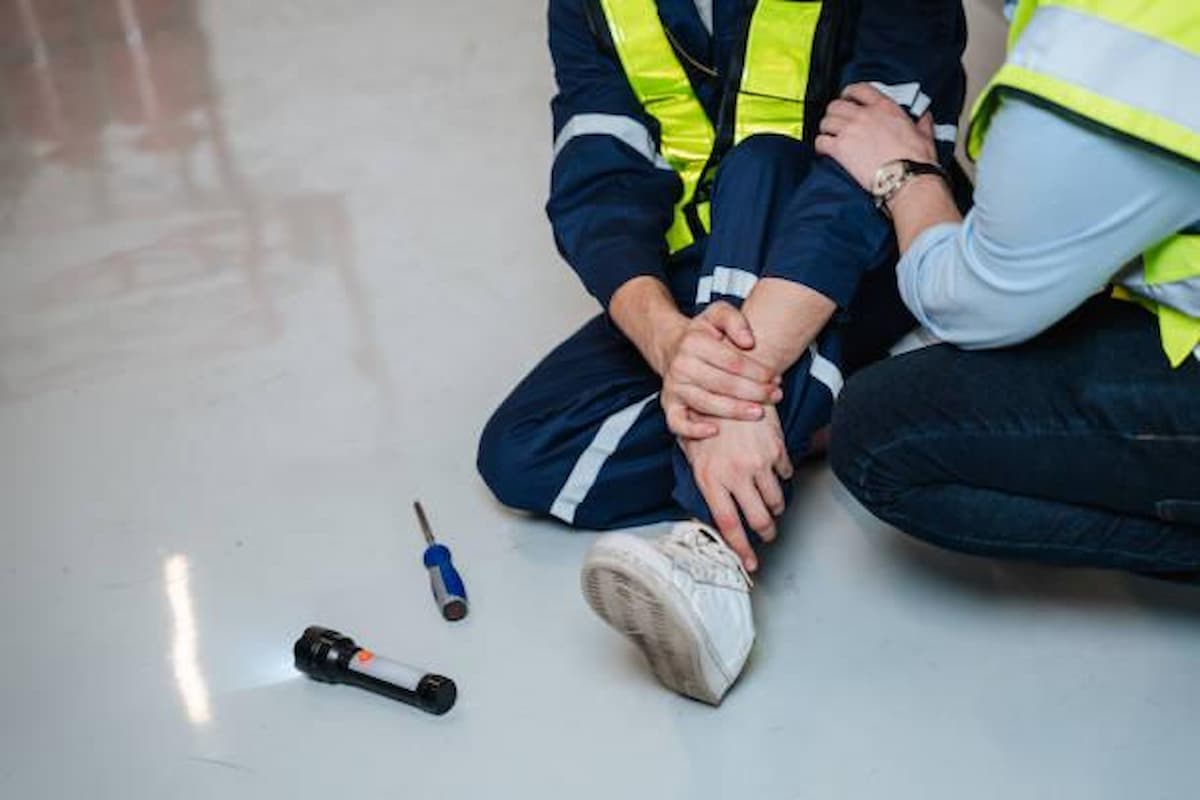
What Does Off-Site Mean In A Workers’ Compensation Case?
An off-site injury occurs anywhere outside the employer’s primary location. Rock Hill workers in construction, healthcare, delivery, and field services regularly work in such settings. South Carolina workers’ compensation covers these injuries as long as the employee was performing a required job task at the time.
How Does Workers’ Compensation Apply Off-Site?
South Carolina workers’ compensation law does not limit protection to injuries that happen inside a physical workplace. The law protects workers based on what they were doing, not where the injury occurred.
The Course And Scope Rule
Coverage depends on whether the employee was performing an assigned work task at the time. A nurse on a home visit or a plumber en route to a job site both qualify.
The Coming And Going Rule
Commute injuries are generally excluded, but exceptions exist for company vehicle use, multi-site travel, or work errands performed along the route.
What About Traveling Employees?
Workers whose roles require regular travel often receive broader protection. When travel is core to the job, injuries that occur during it are more likely to be covered.
Why Do Off-Site Injury Claims Sometimes Get Denied?
Employers and insurance carriers sometimes dispute off-site claims. Common reasons include arguing that the worker was not within the scope of employment, that the injury happened during a personal detour, or that the worker did not report in time. A denied claim is not the end of the road.
South Carolina law allows workers to appeal through the South Carolina Workers’ Compensation Commission. A Rock Hill workers’ compensation lawyer at Stewart Law Offices, with decades of experience handling injured workers, understands their rights and builds a case for the benefits they may be owed. For more information on how these laws apply to your situation, visit their office to meet with a workers’ compensation attorney to review the specific details of your case. Every off-site claim turns on its own facts, and the outcome depends on the circumstances surrounding the work being performed at the time.
What to Do After an Off-Site Work Injury?
Taking proper and timely action after an off-site injury can protect a worker’s right to benefits. Here is what matters most:
- Get medical care right away, even if the injury seems minor at first.
- Report the injury to your employer as soon as possible. South Carolina workers generally have 90 days to report, but earlier is always better.
- Document everything, take photos of the location, collect witness names, and write down what happened while it is fresh.
- Keep all records of medical visits, bills, and any time missed from work.
- Follow your employer’s claims process and request written confirmation of your report.
Private industry employers in South Carolina reported 28,000 nonfatal workplace injuries and illnesses in 2024, with 17,500 of those being more severe cases involving days away from work, job transfer, or restricted duty. These figures show that tens of thousands of South Carolina workers face serious injuries every year that disrupt their ability to work and earn.
Injured workers in Rock Hill can reach Stewart Law Offices at 1242 Ebenezer Rd, SC 29732, or by phone at (803) 328-5600 for guidance on workers’ compensation claims.
What Benefits Can An Injured Worker Receive?
South Carolina workers’ compensation provides two primary categories of benefits for eligible injured workers. Understanding both helps set realistic expectations from the moment a claim is filed.
Medical Benefits
An accepted claim may cover emergency care, surgery, physical therapy, and prescriptions. In South Carolina, the employer or insurer typically selects the treating physician. According to Brett Lonadier, a Rock Hill workers’ compensation attorney, “A state-defined maximum weekly rate exists specifically to protect injured workers. No employer or insurer can legally offer you less than what the law requires.”
Wage Replacement Benefits
If the injury causes missed work, the employee may be entitled to temporary total disability benefits. The South Carolina Workers’ Compensation Commission approved a maximum weekly compensation rate of $1,178.30 for injuries arising on and after January 1, 2026. This benefit, set at 66?% of the worker’s average weekly wage up to that ceiling, gives injured workers a concrete financial baseline to understand what may be available to them.
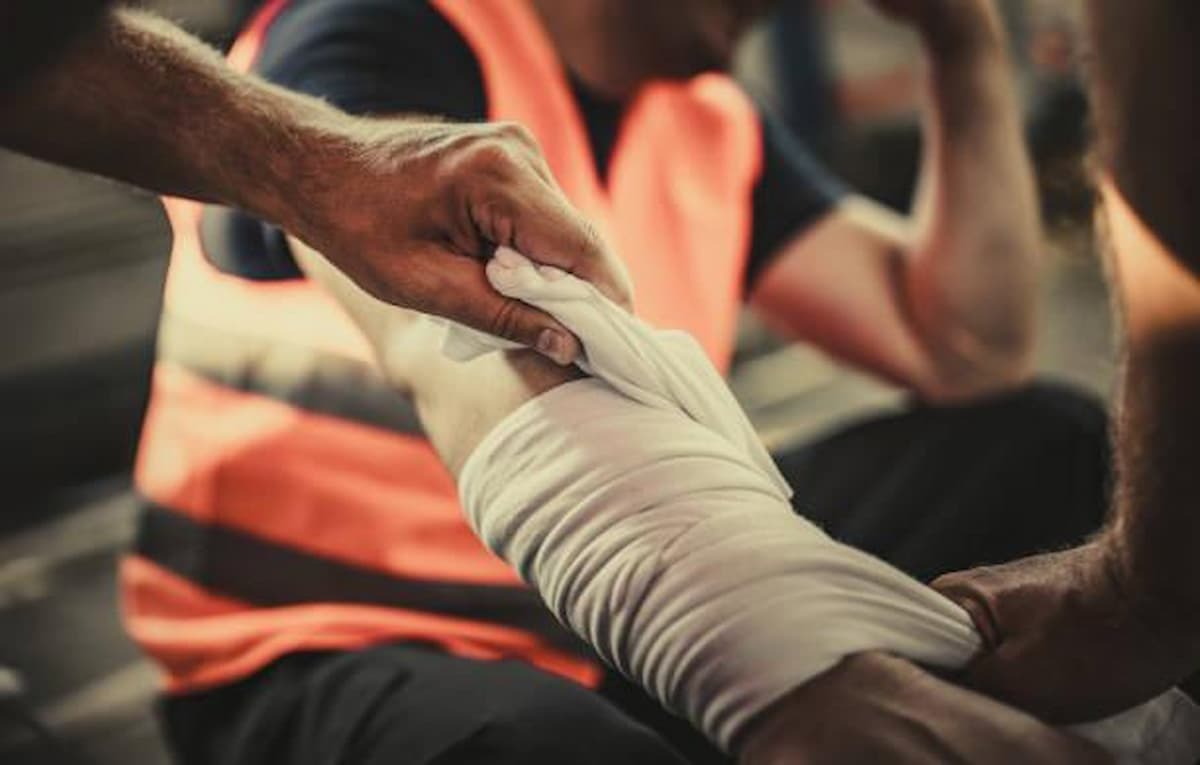
Where Can Injured Workers In Rock Hill Turn For Help?
Rock Hill workers hurt on the job have rights under South Carolina workers’ compensation law, regardless of where the injury happened. The law focuses on the nature of the activity, not the location. Documenting the injury, reporting it on time, and having legal support focused on injured workers can make a real difference when a claim is disputed.
Got Questions? We Have Answers
Are remote workers covered by workers’ compensation for home office injuries?
Remote workers may be covered if the injury occurred during actual work activities. The injury must be directly connected to job duties, not a personal activity.
What if a third party caused the off-site injury, such as another driver?
A third-party injury claim may be filed alongside a workers’ compensation claim. Both claims can sometimes proceed simultaneously under South Carolina law.
Does the off-site location affect coverage?
The location itself matters less than what the employee was doing there. Work-related activity at any off-site location can fall under workers’ compensation coverage.