Imagine a backhoe going down mid-job from a blown hose while trenching a critical corridor.
Instantly, an entire crew idles at premium rates, access roads block up, and rentals rarely arrive before morning.
This knock-on effect on schedules and labour highlights exactly why plant downtime prevention is vital.
Implementing a daily backhoe maintenance checklist easily prevents these costly project breakdowns.
Keeping a machine running requires repeatable routines that take minutes to execute before starting the engine.
The four habits to keep backhoes running include pre-shift walkarounds, tracking leaks, pre-planning parts replacements, and choosing compatible components.
Mastering these steps ensures your fleet remains reliable through demanding seasons without relying on an on-site mechanic.
1. Run a Five-Minute Daily Walkaround
A daily walkaround should be a quick routine rather than an exhausting clipboard marathon.
Moving in a clockwise sequence establishes a steady rhythm to check the bucket, cylinders, hoses, and engine bay.
The Occupational Safety and Health Administration notes that a competent person must begin a visual inspection before each shift.
This brief evaluation catches damaged components before major mechanical failures occur.
Start at the front, where ground-engaging tools take the most abuse. Uneven wear turns a routine tooth swap into an expensive weld repair, so inspect bucket wear parts daily for missing teeth.
Sourcing HW Part Store’s aftermarket backhoe parts and similar industrial alternatives ensures you have critical spares without dealer delays.
Next, check the hydraulic rods because minor scoring destroys wiper seals upon retraction if ignored.
Look closely at all lines, since chafed covers rubbing on brackets indicate exactly where hose replacement emergencies originate.
Give the bucket a lateral shake to actively check for unwanted play. A distinct clunk means pins and bushing replacement is near, allowing you to catch the issue and protect the bore casting.
| Pro Tip: Move clockwise during your pre-shift walkaround. A five-minute check that catches a cracked adapter or chafed hose saves you from a full day of downtime and costly weld repair. |
2. Treat Leaks Like Ticking Clocks
Fluid leaks are a machine’s earliest warning system, yet they remain consistently ignored on working sites.
During a backhoe fluid leak inspection, treat a pinhole mist in a hydraulic circuit as a serious threat.
A mist from a pressurised line easily causes severe skin injuries. Proper awareness helps prevent deaths and severe injuries related to failing excavator equipment.
Weeping at a cylinder gland clearly signals a degraded rod seal that needs immediate attention.
Address this quickly with a hydraulic cylinder rebuild kit before primary piston seals fail and cause sudden load drops.
Engine oil drips on hot exhausts create active fire risks, while minor coolant seepage leads to major overheating.
Integrating these diagnostic checks into construction equipment servicing schedules is strictly non-negotiable.
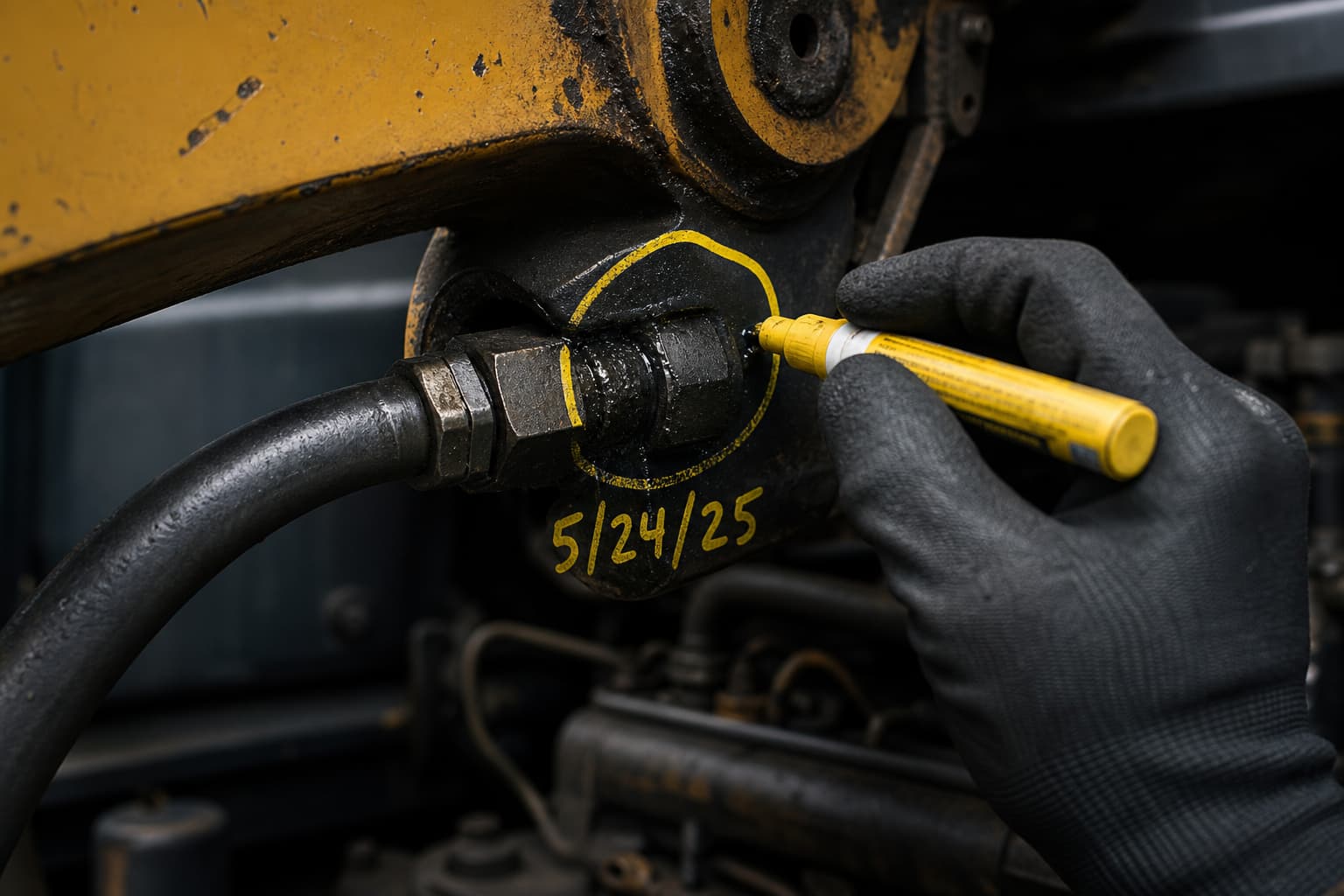
Keep a yellow paint marker stored in the cab for immediate use during your shift. When you spot a wet patch on a hose, trace the edge and write the date nearby.
The next morning, you will know exactly whether the fluid leak is actively spreading. A minor seal replacement fixes the issue safely before it escalates into a complete pump failure.
| Important: A pinhole mist from a 3,000-psi line can inject fluid under the skin. Treat every hydraulic leak as an immediate hazard – shut down, tag out, and repair before operating again. |
3. Plan Parts Replacements Before Breakdown
The absolute worst time to order components is when the backhoe is already dead in the trench.
Proactive parts stocking remains the most effective plant downtime prevention strategy available.
Following strict schedules for periodic inspection ensures you understand what components are nearing the end of their operational lifespan.
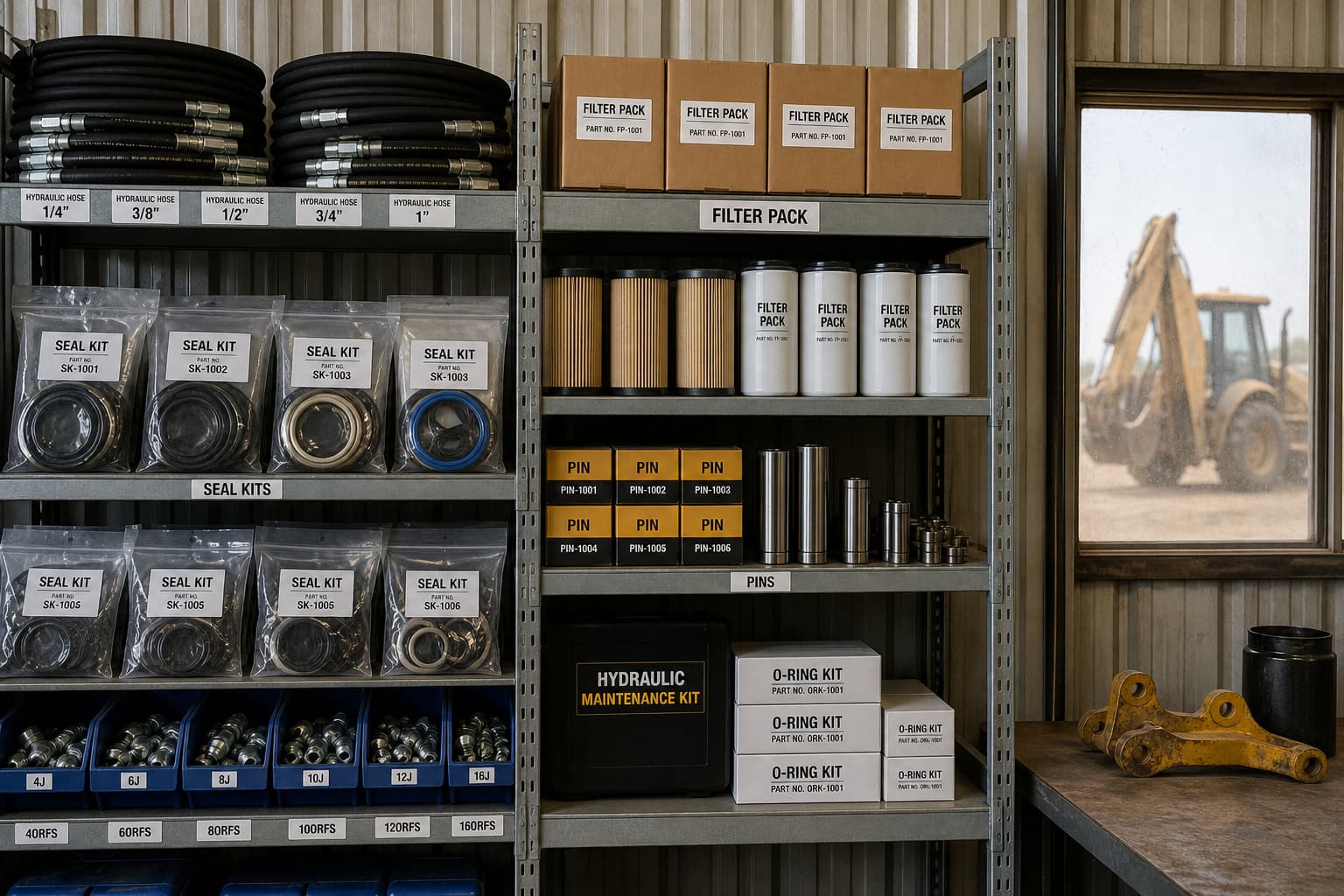
Shelf stock worth maintaining includes hydraulic hoses, filter packs, and seal kits.
Operators building this pre-planned approach into their rhythm pre-identify reliable sources for common replacements before parts fail.
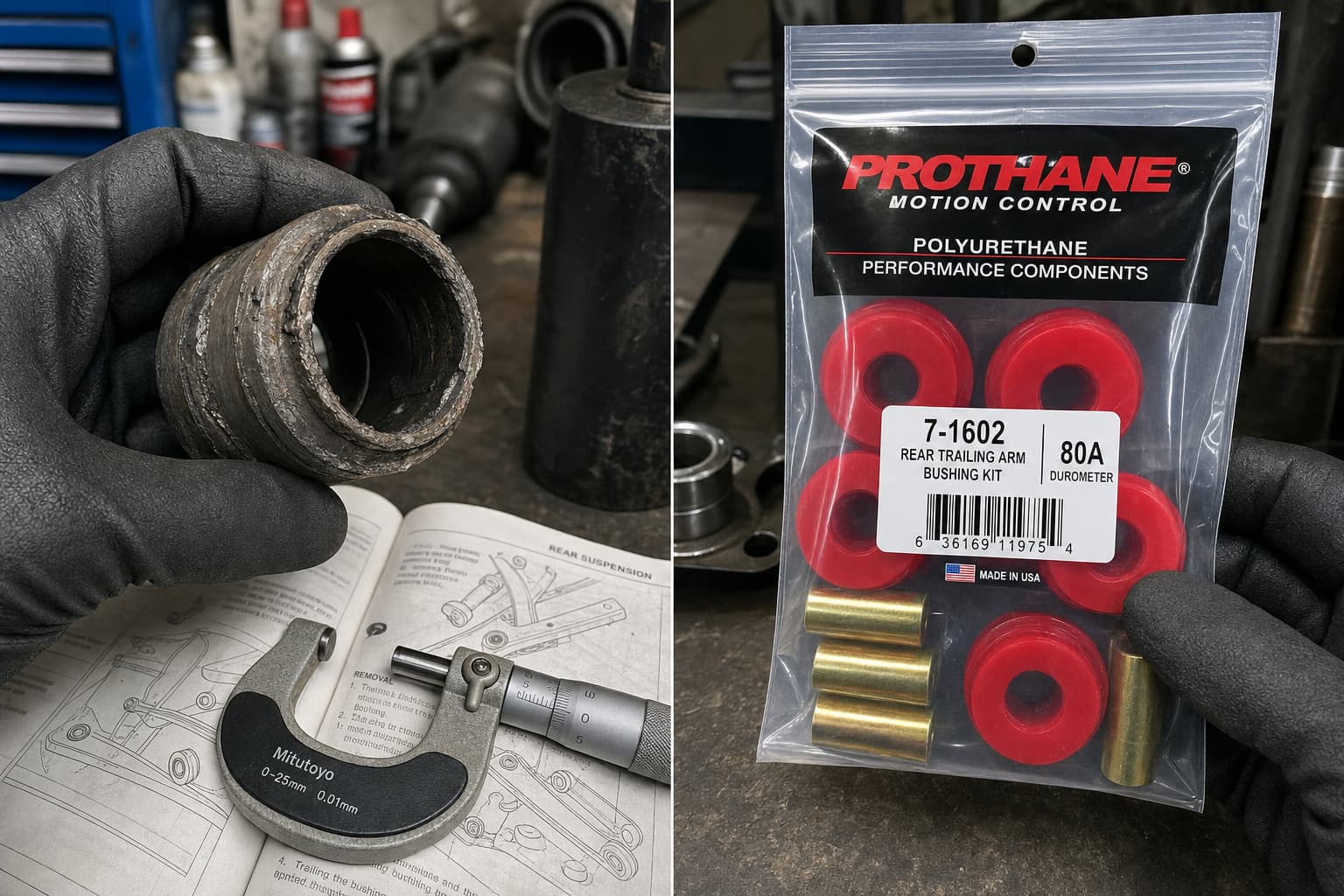
A worn bushing left unaddressed eventually shatters the connecting pin and wears out the arm casting bore.
Preventive replacement at a known interval costs a fraction of emergency line boring. Keeping heavy equipment wear parts organised transforms sudden panic into a highly manageable task.
Documenting precise hose specifications and filter dimensions during calm service windows turns potential shutdowns into twenty-minute swaps.
Keep a detailed logbook of part numbers for every machine in the fleet. Knowing your inventory levels helps avoid paying premium overnight shipping rates.
Preparedness separates profitable earthmoving operations from those plagued by constant delays.
4. Choose Components Stopping Repeat Failures
Installing replacement parts with the wrong specification guarantees a mechanic will be back inside the same cylinder within two hundred hours.
For hydraulic seal kits, polyurethane compounds are rated for highly specific temperature ranges.
Incorrect durometer choices cause early failure regardless of installation cleanliness. This is a severe specification problem, not a mechanical defect.
Quality components change the calculus on keeping spares stocked. This is especially true when reliable aftermarket options meet original equipment manufacturer specifications.
Bushing case hardness matters just as much as exact bore dimensions during replacement. A soft pin galls against a new bushing rapidly, destroying both parts simultaneously.
Similarly, you must always match heavy equipment wear parts to the terrain you are excavating. Utilise heavy-duty cutting edges for demolition work and standard edges for simple grading.
Verifying hardness specs alongside part numbers eliminates second-round repair problems before they start. The laziest maintenance habit is simply doing the job correctly the first time.
Weekly Walkaround Reference Guide
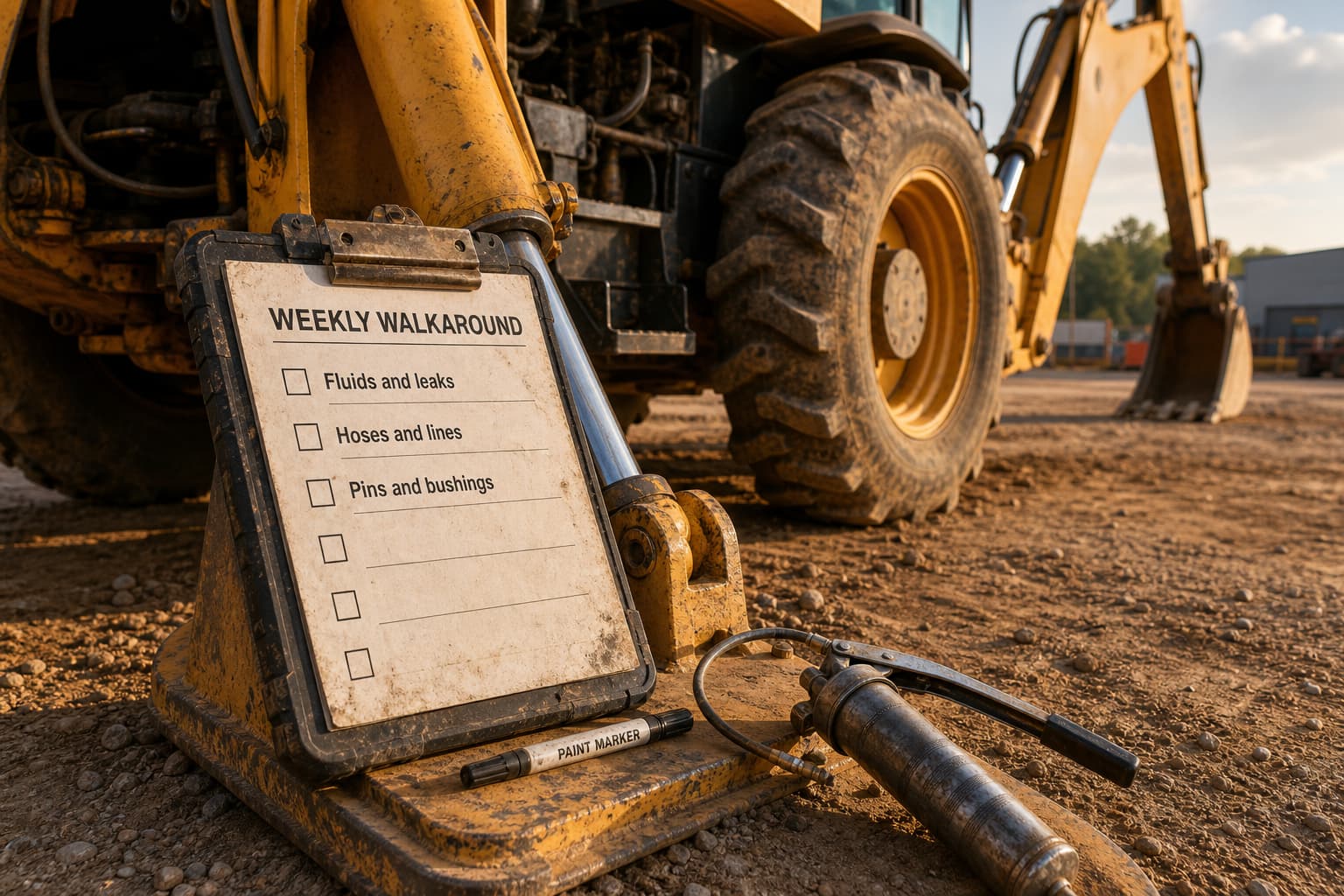
A structured approach to your weekly walkaround ensures no critical system is overlooked. Follow this reference guide to thoroughly inspect your equipment during each shift.
- Fluids and leaks: Check engine oil, hydraulic oil, and coolant, and mark wet spots.
- Hoses and lines: Inspect for chafing against brackets, blistering, and weeping at fittings.
- Pins and bushings: Perform a lateral shake test on buckets and dipper arms.
- Bucket teeth: Verify tooth count, check for adapter cracks, and measure edge wear.
- Grease points: Ensure all zerks are serviced, prioritising loader arm pivots.
- Tires: Check tyre pressure, inspect for deep cuts, and verify lug nut torque.
- Electrical and controls: Cycle lights, horns, and gauges, watching for error codes.
- Serial numbers: Photograph data plates and hose band tags for accurate ordering.
The Bottom Line
A backhoe is a versatile and severely punished tool on any active construction site. Keeping it operational does not require heroic effort from a dedicated night mechanic.
It simply requires a few habits that make routine servicing part of a normal working day.
Locate the right components before the machine shuts down. The best replacement part is always the one that never has to be ordered in a panic.
Prioritising these effective habits keeps your crew moving and your equipment consistently profitable.
| Author Profile: HW Part Store is the leading online retailer of aftermarket hydraulic cylinder seal kits, replacement parts, and attachments for a wide range of industrial construction equipment. |