One of the most common mistakes people make when hiring a skip is assuming anything goes. Chuck it all in, lid on, job done. In reality, skips have a fairly strict list of what’s allowed, and getting it wrong can mean extra charges, a skip that won’t get collected, or in serious cases, a fine under the Environmental Protection Act 1990.
This guide covers exactly what you can and can’t put in a skip in the UK, how to deal with the stuff that can’t go in, and a few practical tips to get the most out of your hire.
What Can You Put in a Skip?
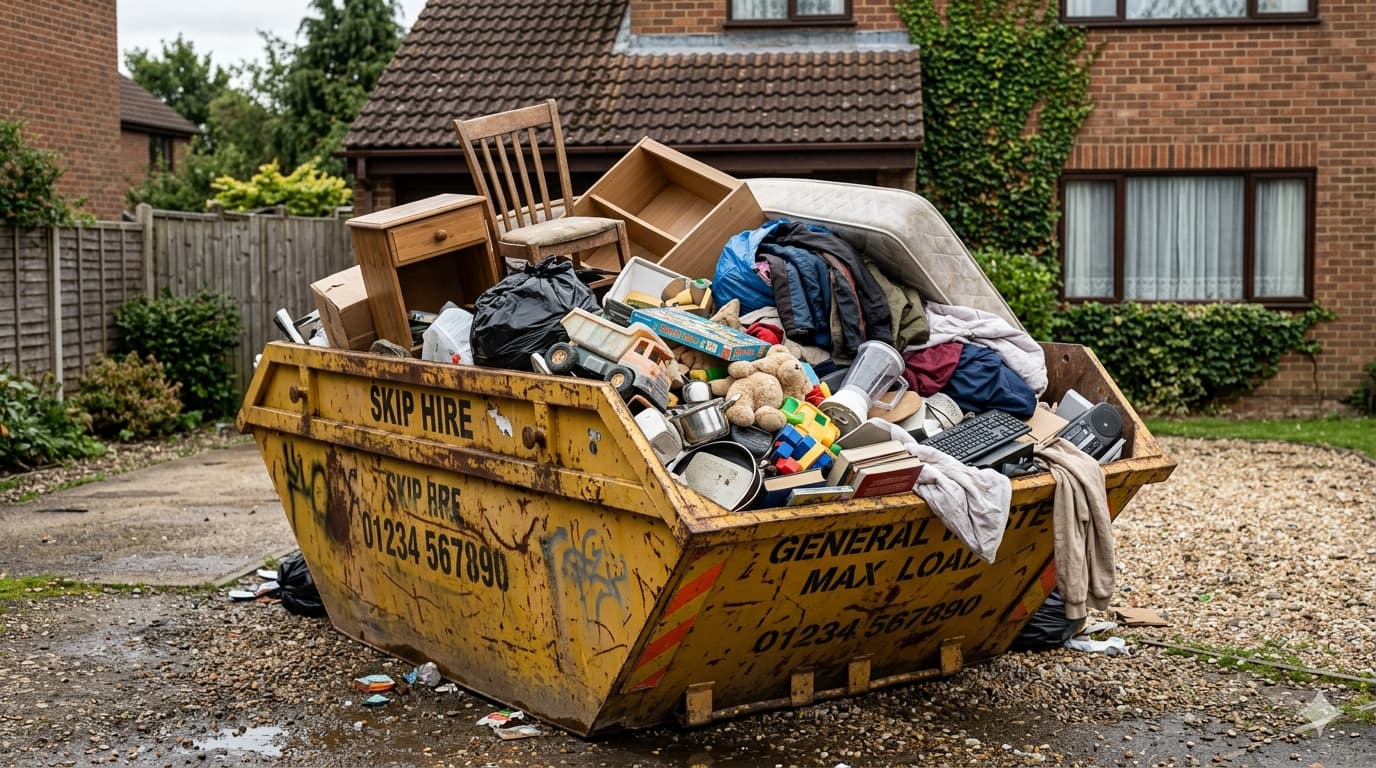
The good news is that skips handle the bulk of what most people need to clear out. General household waste is fair game, furniture, clothing, kitchenware, toys, and the kind of everyday clutter that builds up over years.
Garden waste is fine too: grass cuttings, branches, shrubs, leaves, and turf all go in without issue, though heavy loads of soil can push you toward the weight limit faster than you’d expect.
Construction and renovation waste is where skips really earn their keep. Bricks, concrete, timber, tiles, plasterboard (in some cases, flooring, and non-hazardous insulation can all go in. If you’re dealing with a lot of rubble or hardcore, a dedicated heavy material skip is a smarter move than a general mixed waste one. Wood and timber, treated or untreated, doors, floorboards, fence panels, are all fine.
Metals like pipes, radiators, guttering, and metal frames are accepted too, and many skip hire companies will sort scrap metal for recycling separately.
What Can’t Go in a Skip?
This is where people tend to come unstuck. Prohibited items aren’t just a technicality — they exist because certain materials are genuinely hazardous to handle, transport, or dispose of through standard waste streams. Here are six of the most common items that can’t go in a skip:
- Asbestos: legally classified as hazardous waste and requires a licensed removal contractor. No skip hire company in the UK will touch it, and illegal disposal carries serious fines.
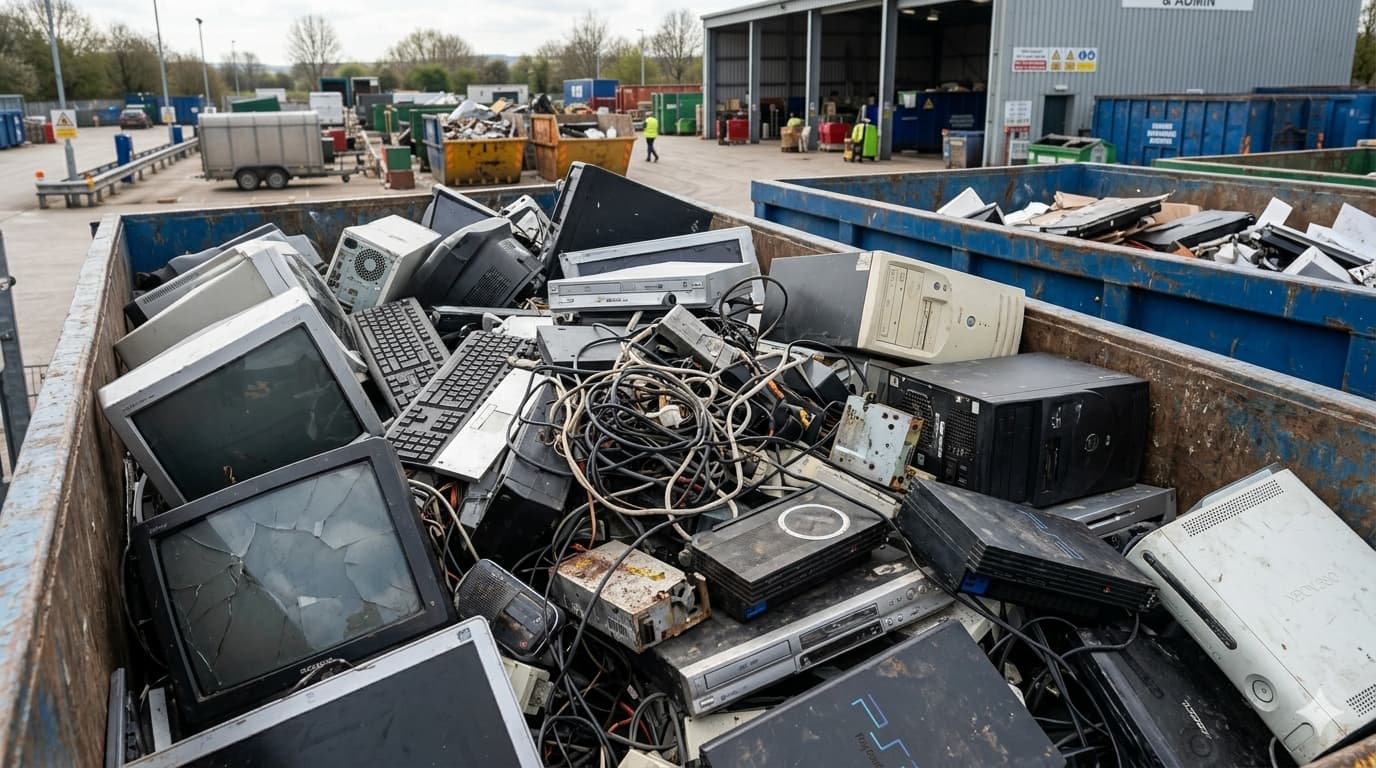
- Electrical appliances (WEEE waste): fridges, freezers, washing machines, TVs, and microwaves fall under the Waste Electrical and Electronic Equipment regulations and need to be disposed of separately.
- Tyres: not accepted in standard skips. They attract additional charges at landfill and need to go through a licensed disposal route. Most tyre fitters will take them off your hands for a small fee.
- Gas cylinders and compressed canisters: BBQ bottles, aerosols, and fire extinguishers are an explosion risk. Keep them out of the skip entirely.
- Paint, solvents, and chemicals: liquid paint, varnish, motor oil, turpentine, and pesticides are all classified as hazardous. Dried paint in small amounts is generally fine, but liquid is a firm no.
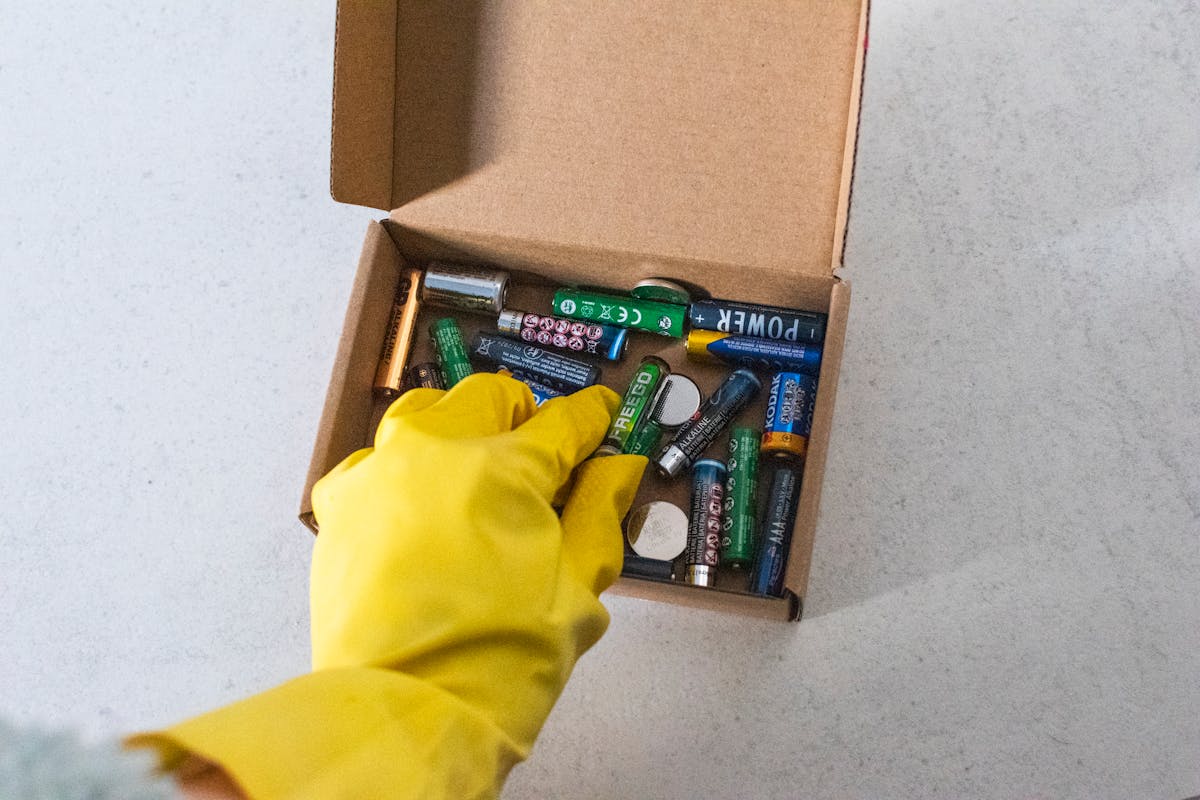
- Batteries and fluorescent tubes: both contain hazardous chemicals and need to go to a proper recycling point. Most supermarkets and councils have collection spots for batteries specifically.
This list isn’t exhaustive. There are other materials that may be restricted depending on the skip type and your location. Always check with the company before loading anything you’re not sure about. It takes two minutes and saves a lot of hassle, same as checking the skip size.
Mixed Load vs. Single Material Skips
Not all skips are built for the same job. A general mixed waste skip is designed for the kind of varied load you’d get from a house clearance or renovation — timber, furniture, general rubbish, light construction waste. A heavy material skip, on the other hand, is specifically for dense materials like soil, rubble, concrete, and hardcore.
The reason this matters is weight limits. Heavy materials compress very little and can push a standard skip well over its safe transport weight before it even looks full. Going over the limit isn’t just an extra cost — it’s a safety issue on the road. If your job involves a lot of soil or rubble, ask for the right skip from the start and save yourself the surcharge.
What Happens If You Put Prohibited Items in a Skip?
It’s worth knowing the consequences before you load up. A skip hire company can refuse to collect a skip that contains prohibited items, leaving you to sort the problem yourself. On top of that, you may be charged for the cost of removing the offending items before collection can go ahead.
In more serious cases (particularly around hazardous materials) there are legal consequences under the Environmental Protection Act 1990, both for you and potentially the skip hire company. That’s why companies take their prohibited items list seriously, and why it’s always better to ask first.
How to Dispose of Prohibited Items Properly
Just because something can’t go in a skip doesn’t mean you’re stuck with it. Most prohibited items have a straightforward disposal route once you know where to look. Household Waste Recycling Centres (HWRCs), run by your local council, accept paint, chemicals, batteries, and fluorescent tubes for free.
Large electrical appliances can go through a council bulky waste collection or be dropped at a HWRC. Tyres go back to a tyre fitter or a licensed waste carrier.
Asbestos needs a licensed removal contractor, and this is not a DIY job under any circumstances. For plasterboard, ask your skip hire company directly, as some offer a dedicated plasterboard skip to keep it separate from general waste.
Tips for Loading a Skip Properly
Getting the most out of your skip comes down to how you load it. Break down large items (flat pack furniture, timber, cardboard) before putting them in. This frees up a surprising amount of space. Put heavy items at the bottom and lighter, bulkier items on top. Don’t overfill.
Waste needs to sit level with the top of the skip, not above the rim. An overfilled skip is illegal to transport on a public road and your driver won’t take it. Keep hazardous materials out from the beginning too, don’t bury them and hope they go unnoticed during collection.
Hiring a Skip in the UK: What You Need to Know
Skips placed on a public road in Southampton require a permit from Southampton City Council. Your skip hire company will usually sort this for you, but it’s worth confirming before your skip is delivered. Permits cover the placement, duration, and any lighting or marking requirements for the skip while it’s on the road.
Skips on private driveways don’t need a permit, so if you have the space, that’s always the simpler option. For skip hire in Southampton, Collards handles the permit process as part of the service, so you’re not left chasing paperwork on top of everything else.
Conclusion
The rule of thumb is simple: hazardous, electrical, or specialist disposal items don’t go in a skip. Everything else, general waste, garden waste, construction rubble, timber, and metals, is fair game.
When in doubt, ring your skip hire company before you start loading. It’s a quick call that can save you a re-collection fee, a delayed project, or a fine you didn’t see coming.