This article is about the essential checklist for post-renovation cleaning. Renovating your home can be an exciting and rewarding experience, whether you’re updating your kitchen or giving your entire house a facelift. However, once the construction is complete, it’s important to remember that there’s still plenty of work to be done, and many homeowners choose to engage professional cleaners specialized in post-renovation cleaning to tackle the demanding post-renovation cleanup process efficiently and thoroughly.
Post-renovation cleaning work is critical. The process of cleaning up after a renovation requires careful planning and execution to ensure that all debris and dust are removed from the area. This specialized task often requires experienced post-renovation cleaners who understand the unique challenges of post-renovation cleanup, from construction dust removal to debris disposal and surface restoration.
Explanation of Post-Renovation Cleaning
Post-renovation cleaning is the process of removing all traces of dust, debris, and other materials that accumulate during construction or renovation work. This task involves thorough cleaning of all surfaces in the affected area to restore it to its pre-renovation state.
The importance of post-renovation cleaning goes beyond just making sure that everything looks good. During any kind of renovation work, small particles such as sawdust can become airborne and settle on surfaces throughout the home.
If left unchecked, these particles can cause allergies or respiratory issues for those living in the space. Additionally, dust and debris can also damage electronic equipment such as computers or televisions.
Importance of a Clean Environment after Renovation
A clean environment after renovation is crucial for several reasons:
1) Health: As mentioned earlier, dust and debris left over from construction work can cause health problems if not properly cleaned up.
2) Aesthetics: A newly renovated space should look pristine once completed; however, any leftover debris will only detract from its appearance.
3) Protection: Certain kinds of dust such as drywall particulates, can cause serious damage if they get into mechanical systems like HVAC units.
Brief Overview of Essential Checklist
A comprehensive post-renovation cleaning checklist includes several tasks designed to ensure that every surface in the affected area has been thoroughly cleaned. Some of the key items on this checklist include pre-cleaning preparation, cleaning checklists for specific areas such as the kitchen and bathroom, special attention areas like air ducts and carpets, and final touches to ensure that no spot is left untouched. By following this essential checklist, you can be sure that your home is clean and safe after any renovation project.
Pre-Cleaning Preparation
Renovations and remodels are exciting times for homeowners. However, they can also be stressful due to the amount of work involved in cleaning up the mess that’s left behind. Before beginning your post-renovation cleaning checklist, it’s important to take some safety precautions first.
Safety Precautions Before Cleaning
The first thing you should do is inspect your renovation or remodeling area for any remaining debris or hazards. You’ll want to make sure there are no nails, screws, or sharp objects that could cause injury while you’re cleaning. Additionally, if you’re dealing with any chemicals or hazardous materials used during the renovation process, make sure you have the appropriate protective gear such as gloves and a mask.
It’s important to keep in mind that post-renovation areas can be dusty and full of allergens which can cause respiratory problems and allergies. So ensure that you wear a mask while working in these areas to avoid inhaling dust particles.
Gathering Necessary Cleaning Supplies and Equipment
After ensuring your safety measures are in place, gather all necessary cleaning supplies such as brooms, dustpans, vacuum cleaners with HEPA filters (to capture small dust particles), mops (preferably microfiber), dusters (preferably microfiber), sponges, and disinfectants/bleach solutions. In addition to standard cleaning equipment mentioned above, consider renting heavy-duty equipment such as pressure washers if required for deep cleaning of surfaces or carpets.
Identifying Areas That Require Special Attention
Now that you have gathered all necessary equipment and supplies for your post-renovation clean-up task; it’s essential to identify specific areas around the house which require special attention. These may include high traffic zones like entryways and hallways, kitchen countertops, bathroom floors, walls and tiles which require special cleaning agents to effectively remove grime and dirt that has accumulated during the renovation process. Also, pay attention to carpeted areas that may need deep cleaning or replacement if damaged during the renovation process.
Additionally, your HVAC system may require a thorough cleaning of its ducts and vents. This will improve your indoor air quality as well as help prevent allergens from circulating in your space.
By identifying these areas ahead of time, you can better prepare for efficient cleaning. These areas should be given extra attention within the checklist you have created for each area of the house that requires post-renovation cleaning.
Kitchen
Cleaning Appliances and Surfaces
Starting with the appliances, cleaning each one is essential to ensure that no debris or dust has been left behind after the renovation. Begin by unplugging all appliances and wiping them down using a damp cloth.
For stovetops, use oven cleaner spray to remove any grease or dirt that has accumulated over time. Next, move onto the countertops.
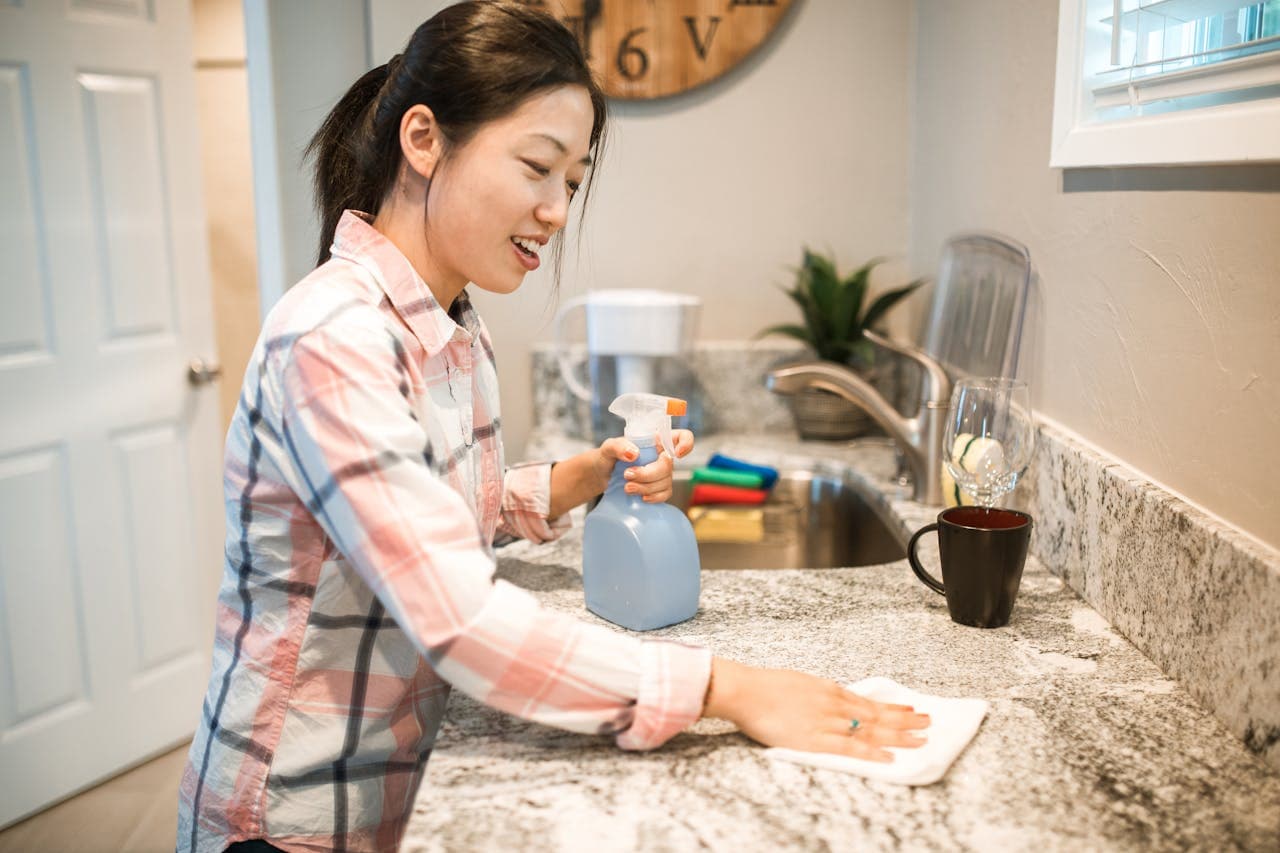
Use a natural cleaner suitable for your surface type (granite, marble or quartz), then wipe it down thoroughly with a clean cloth. Pay extra attention to areas around the sink and stove.
Removing Dust and Debris from Cabinets and Drawers
Cabinets/drawers are notorious for accumulating large amounts of dust, so they should be wiped down before filling them up again with dishes, cutlery, etc. Start by removing all items inside the cabinets or drawers; this will make it easier to clean every nook and cranny. Using a vacuum cleaner or microfiber cloth, remove all the debris that may have accumulated over time: cobwebs, sawdust or any dirt. Wash both the interior and exterior of each cabinet/drawer with warm water mixed with mild detergent.
Cleaning Floors and Walls
Last but not least in the kitchen is cleaning floors and walls – an area which may require some elbow grease depending on how dirty they are! Begin by sweeping/vacuuming floors (if you have carpet) to remove any significant debris.
For hardwood floors or tiles: use an appropriate cleaner according to your floor type (avoid harsh chemicals), then mop once more using only water if needed. For walls – use a sponge dipped in warm water mixed with some mild detergent then rinse off thoroughly.
Bathroom
Scrubbing Toilets, Sinks, Showers, and Tubs
The bathroom is an area that requires a lot of attention after a renovation. Start by removing all the items on the counter, shower and tub to give you space to clean. Scrub toilets with disinfectant products; apply the product to the inside of the bowl and let it sit for a few minutes before scrubbing away dirt deposits.
For sink areas: use a sponge with a non-abrasive cleaner or baking soda mixed with water, then rinse thoroughly. For showers/tubs: use either baking soda or vinegar mixed with warm water to remove any stains or mildew.
Cleaning Mirrors, Windows, and Fixtures
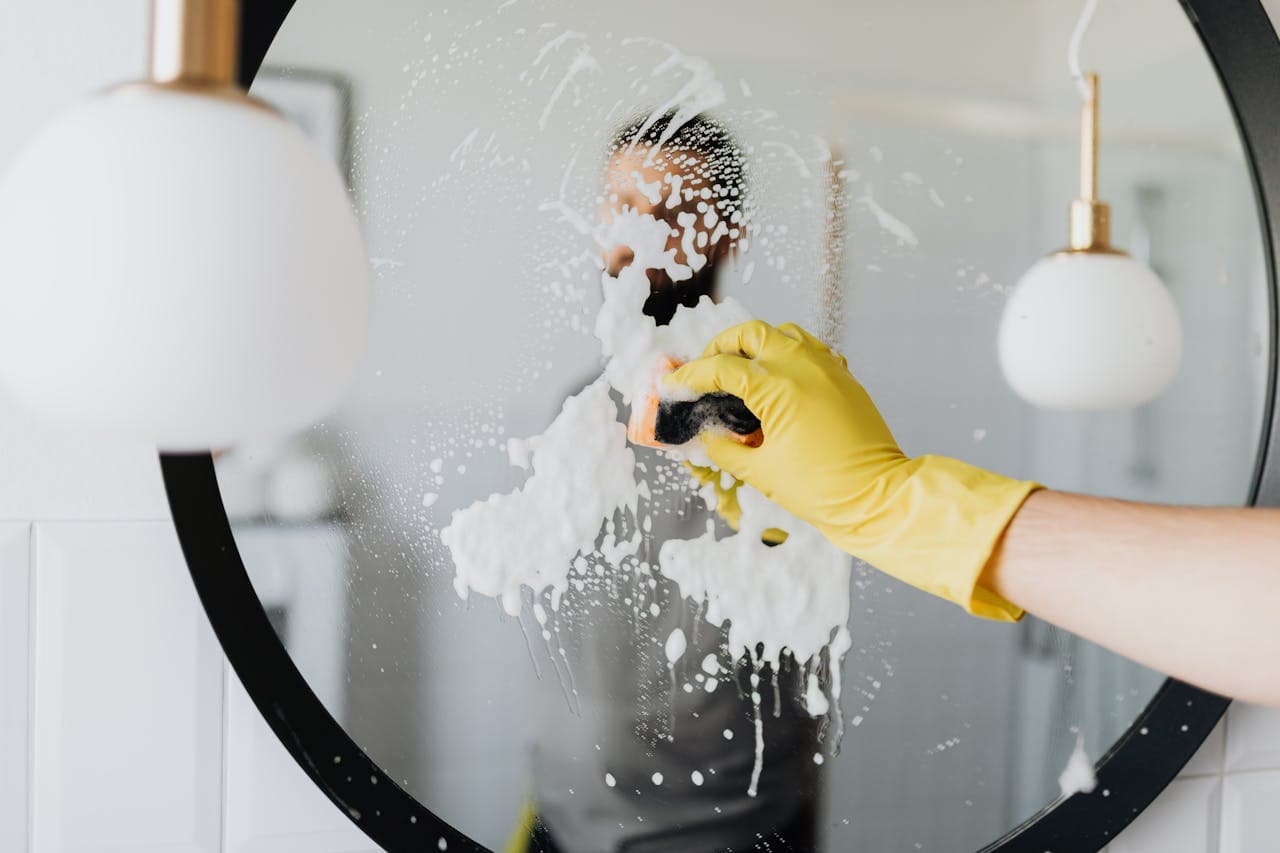
The next step is cleaning mirrors, windows, and fixtures in your bathroom. Start by wiping down mirrors using an appropriate glass cleaner like Windex.
For windows – clean them using soap/water mixture or white vinegar solution (diluted). Don’t forget light fixtures as well – remove any debris around them then wipe them down using a damp cloth.
Disinfecting Surfaces
Last but not least is disinfecting surfaces like countertops and floors. Use an appropriate cleaner for your surface type (granite, marble or quartz) diluted in warm water then wipedown countertops thoroughly with a clean cloth. For floors, wash tiles using tile cleaners while hardwood requires mopping lightly damp mop only after sweeping.
Living Room/Bedroom
Dusting Furniture, Electronics and Decor Items
Dusting furniture surfaces should be one of the first steps when tackling living rooms or bedrooms post-renovation cleaning. Take items off shelves/cabinets so that you can dust each item properly before returning it where it belongs.
Use microfiber cloths which are more effective at trapping dust particles than traditional cotton cloths. While dusting electronics, avoid using water or any liquid cleaner but rather use a dry cloth.
Vacuuming or Mopping Floors
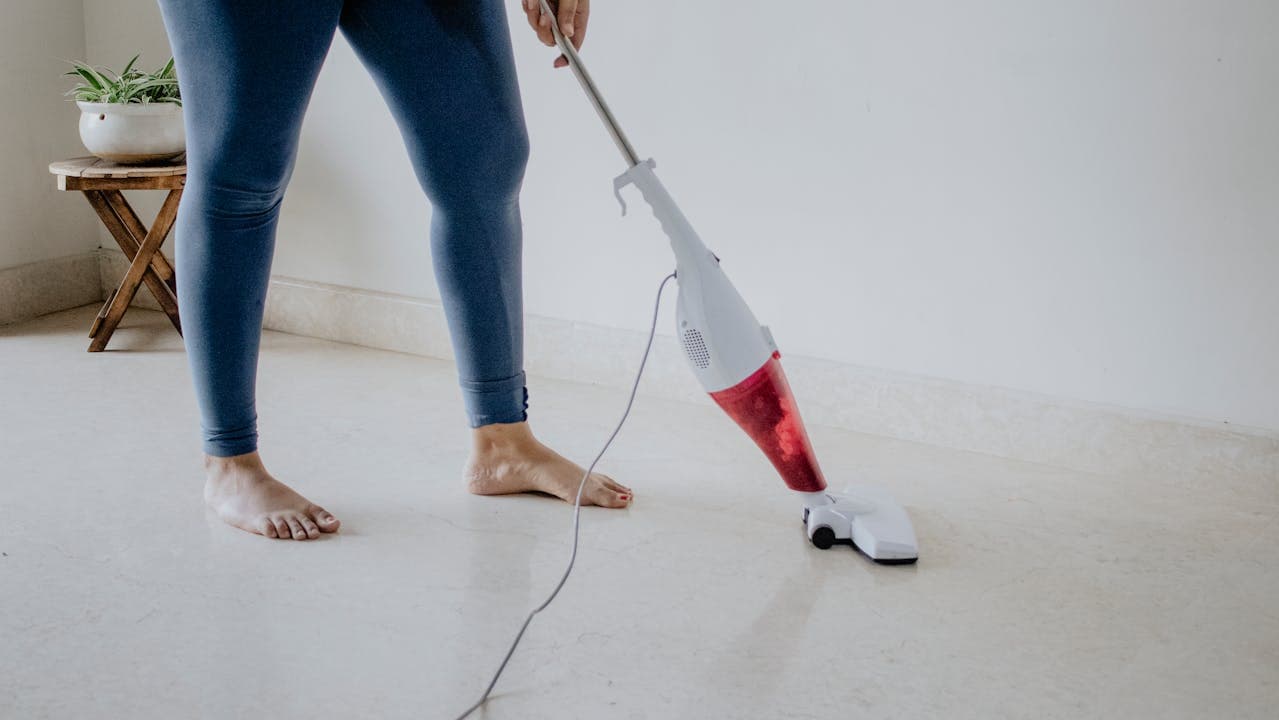
Next is vacuuming or mopping floors depending on the type of flooring you have. For hardwoods, use a soft-bristle broom or vacuum with it on the hard floor setting (no beater brush).
For carpets, use a vacuum cleaner with high suction and a beater brush attachment that works well for removing dirt and dust. Mop tiles using appropriate tile cleaners while hardwood requires mopping lightly damp mop only after sweeping.
Washing Windows or Wiping Down Blinds
Last but not least are windows and blinds. Clean windows using appropriate glass cleaners like Windex then wipe them down with a clean microfiber cloth. Alternatively, you can wash window screens using warm soapy water then rinse thoroughly.
For blinds – close them all the way to prevent cleaning each slat individually. Use warm soapy water mixed with vinegar then wipe down using microfiber cloth.
Special Attention Areas
After a home renovation project, there are certain areas that require extra attention to ensure a thorough cleaning. These special attention areas include air ducts and vents, carpets, and grout in bathrooms or kitchens. Neglecting these areas can lead to poor indoor air quality, lingering odors, and potential health hazards due to the accumulation of dust, debris, and mold.
Air Ducts and Vents Cleaning
The air duct system in your home is responsible for circulating air throughout your living space. During a renovation project, construction debris such as sawdust or drywall dust can accumulate within the system leading to blockages that limit airflow.
This makes your HVAC system work harder than it should which can increase energy consumption and lead to higher utility bills. To prevent this issue from occurring after a renovation project, it’s essential to have your air ducts professionally cleaned by an HVAC specialist.
They have specialized equipment that can remove any build-up of dust or debris within your ventilation system. A thorough cleaning will not only improve indoor air quality but also help reduce allergy symptoms among occupants who may be sensitive to airborne particles.
Carpet Deep Cleaning or Replacement if Necessary
If you have carpets in your home that were not removed prior to the renovation process, they may accumulate dirt and grime throughout the project which can result in unpleasant odors and unsightly stains. In some cases where there is extensive damage like water damage from burst pipes during the renovations process the carpets may need replacing completely. To avoid these issues post-renovation deep cleanings will be required.
A professional carpet cleaner will use equipment such as steam cleaners or hot water extraction machines to remove dirt embedded within carpet fibers leaving them freshened up with no lingering smells or stains. If there isn’t any carpet cleaning that can be done, it may be time to consider replacing the carpets.
Grout Cleaning in Bathrooms or Kitchens
The grout in bathrooms and kitchens is often overlooked during the renovation process, but it can quickly become dirty as a result of the dust and debris generated by construction work. Grout is porous, which means it will absorb dirt and stains over time resulting in an unsightly appearance.
To clean grout, you can use a mixture of baking soda and vinegar to scrub away any dirt or stains. For tougher stains, you may need to use a specialized grout cleaner or hire a professional cleaner who has experience working with these kinds of materials.
A thorough cleaning will not only improve the appearance of your bathroom or kitchen, but it’ll also prevent mildew growth which tends to thrive in damp environments like bathrooms. By paying special attention to air ducts and vents, carpets, and grout during post-renovation cleaning process homeowners ensure that their homes are thoroughly cleaned after renovation projects are completed while also improving indoor air quality thereby creating a healthy living environment for all occupants.
Final Touches
After completing all the cleaning tasks, it’s essential to take one final look at the entire area to ensure that there are no missed spots or debris left behind. This step is crucial as it helps identify any overlooked areas that might require further attention. Inspect every nook and cranny, including hidden corners and tight spaces, to guarantee a thorough cleaning job.
One effective way to inspect the area is by using a flashlight since it can help illuminate areas that are difficult to see with the naked eye. It’s also important to check for any unpleasant odors coming from various places such as carpets, air ducts or cabinets.
If you notice any lingering smells, consider deodorizing those areas with air fresheners or odor-neutralizing sprays. Once you’re confident that all areas have been adequately cleaned, don’t forget to dispose of all used cleaning materials and garbage properly.
This includes getting rid of any construction debris like nails or screws on the floor. The final touches ensure that your renovation project ends in a spotless environment.
Creating a Maintenance Plan
After investing time and resources into post-renovation cleaning, it’s vital to maintain cleanliness in the newly renovated space regularly. A maintenance plan can help achieve this goal by outlining specific tasks and frequency of cleaning required.
Start by identifying high-traffic areas like entryways, bathrooms, and kitchens that require frequent cleaning due to their constant use. Dusting surfaces such as shelves or window sills should be done regularly too.
Consider scheduling professional deep-cleaning at least once a year for carpets and upholstery items like couches since they tend to hold onto dust particles more than other surfaces in the house. It’s also important to encourage everyone who uses the renovated space always clean up after themselves immediately; this will go a long way towards maintaining cleanliness over time.
Cleanliness is Next To Godliness
Post-renovation cleaning is an essential step that should not be overlooked. It has numerous benefits, including improving indoor air quality, promoting a healthy environment, and enhancing the visual appearance of the space.
By following the essential checklist and conducting final inspections, you can be confident that all areas have been cleaned thoroughly. Creating a maintenance plan and ensuring that everyone does their bit towards keeping the environment clean allows you to enjoy your newly renovated space for years without feeling overwhelmed by cleaning tasks.
The cleanliness of your home is vital to your overall well-being, so take post-renovation cleaning seriously. Remember, cleanliness is next to godliness!
Conclusion
A post-renovation cleaning can be a daunting task, but it is essential to ensure that your newly renovated space is clean and safe to inhabit. The essential checklist outlined in this article provides a framework for your post-renovation cleaning, starting from pre-cleaning preparations to final touches.
Proper planning, organization, and attention to detail make the process more manageable. It is important not to overlook any spots that need cleaning.
You may need to hire professional cleaners or rent specialized equipment to achieve a thorough clean. Regular maintenance of the space will also help keep it looking its best long after the renovation process has ended.
Cleaning up after a renovation may seem like an overwhelming task, but it is immensely satisfying when you see the finished outcome of all your hard work. A newly renovated space that is clean and tidy has many benefits, including improved air quality, reduced exposure to dust and debris, and a healthier living environment for you and your family.