Reliable air conditioning is critical for many businesses. Whether it is an office, retail space, hospitality venue, or industrial facility, a well-maintained system supports staff comfort, protects equipment, and helps control energy costs. Understanding what a commercial aircon service includes, how much it typically costs, and how often it should be carried out helps businesses plan maintenance properly and avoid unexpected failures.
What is Included in a Commercial Aircon Service
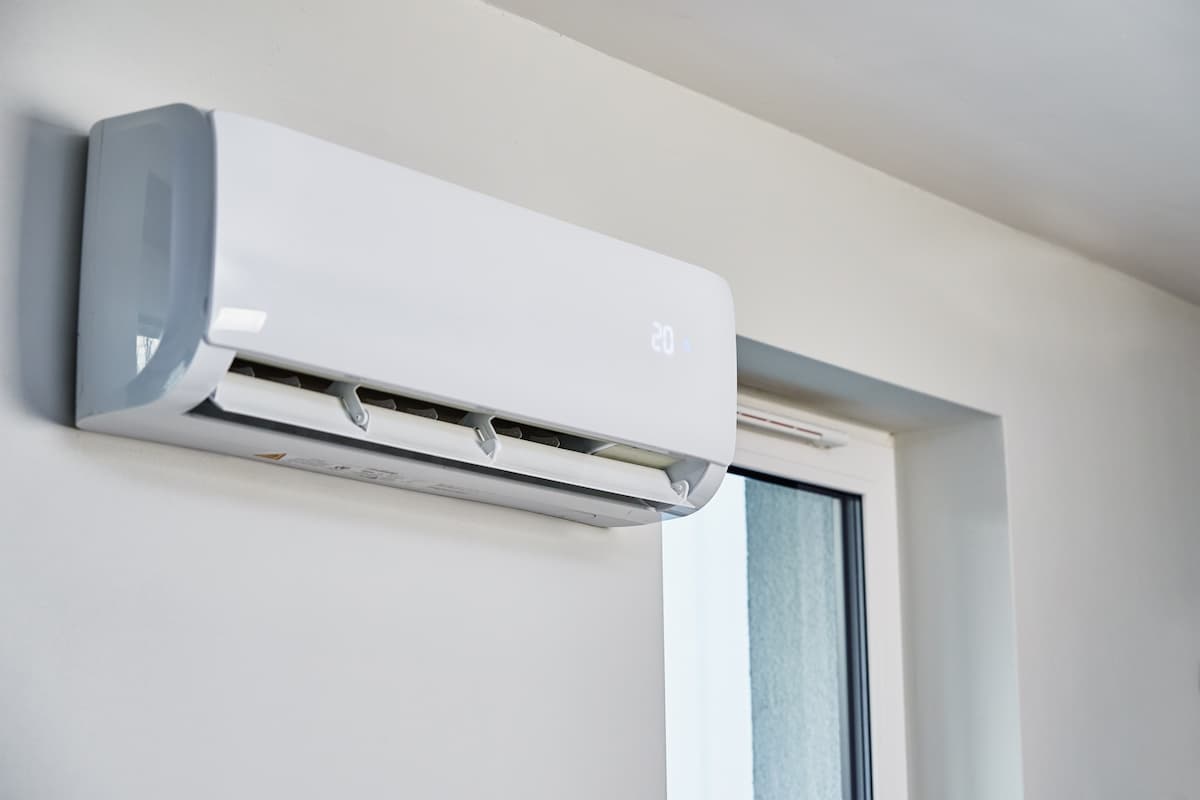
A professional service is far more than a quick visual check. It is a structured inspection and maintenance process designed to keep the system operating safely and efficiently.
A standard commercial aircon service usually includes inspection and cleaning of air filters, which are critical for airflow and indoor air quality. Dirty filters restrict airflow, forcing the system to work harder and increasing energy use.
Technicians also inspect and clean evaporator and condenser coils. These components are responsible for heat exchange, and even light dirt buildup can significantly reduce efficiency. Cleaning them helps restore proper system performance.
Electrical components are another key focus. Connections are checked for wear, corrosion, or looseness, and operating voltages are tested to ensure the system is running within safe parameters. Early detection of electrical issues helps prevent breakdowns and safety risks.
Refrigerant levels and pressures are also assessed. Incorrect refrigerant charge can reduce cooling capacity, increase running costs, and damage the compressor. While refrigerant is not routinely topped up unless there is a leak, checking levels is essential.
Drainage systems are inspected and cleared to prevent blockages that can lead to water leaks, mould growth, or system shutdowns. Fans, belts, motors, and moving parts are checked for wear and lubricated where required.
Finally, the system is tested under normal operation to confirm correct temperature control, airflow, and overall performance.
Additional Services for Larger or Critical Systems
Larger commercial systems may require more comprehensive servicing. This can include duct inspections, airflow balancing, control system calibration, and zone testing. In environments such as data centres, medical facilities, or hospitality venues, more detailed checks may be required due to higher operational demands.
A tailored commercial aircon service ensures maintenance aligns with the complexity and importance of the system.
How Much Commercial Aircon Servicing Typically Costs
The cost of servicing varies depending on several factors. System size, type, number of units, and accessibility all influence pricing. A small office with one or two split systems will cost significantly less to service than a large building with ducted or VRF systems.
As a general guide, basic servicing for a single commercial unit may start from a few hundred dollars, while larger or multi-unit systems can cost more depending on scope. Comprehensive services that include coil cleaning, detailed testing, and reporting will be priced higher than basic inspections.
While cost is an important consideration, it is also important to view servicing as a preventative investment. Regular maintenance often reduces energy bills and helps avoid major repair costs, which can far exceed the price of routine servicing.
How Often Commercial Air Conditioning Should Be Serviced
Frequency depends on usage, environment, and system type. Most commercial systems should be serviced at least once per year. However, many businesses benefit from more frequent servicing.
High-use environments such as retail stores, restaurants, gyms, and offices operating extended hours may require servicing every three to six months. Systems exposed to dust, grease, or pollutants also need more regular attention.
For mission-critical environments where downtime is not acceptable, scheduled maintenance programs are often put in place to ensure consistent performance year-round.
A professional technician can recommend the ideal service schedule based on how the system is used and the conditions it operates in.
Benefits of Regular Commercial Aircon Service
Regular servicing delivers several long-term benefits. Improved energy efficiency is one of the most immediate. A clean, well-tuned system uses less power to maintain comfortable temperatures, reducing operating costs.
Reliability is another major benefit. Servicing helps identify worn components before they fail, reducing the risk of sudden breakdowns that disrupt business operations.
Indoor air quality also improves with regular maintenance. Clean filters and components reduce dust, allergens, and odours, creating a healthier environment for staff and customers.
Perhaps most importantly, servicing extends the lifespan of the system. Commercial air conditioning systems represent a significant investment, and regular care helps protect that investment over the long term.
Signs Your System Needs Servicing Sooner
Even with a maintenance schedule in place, there are signs that indicate a system may need attention earlier than planned. These include uneven cooling, unusual noises, frequent cycling, rising energy bills, or persistent odours.
Ignoring these signs can lead to more serious faults and higher repair costs. Prompt servicing helps restore performance and prevent further damage.
Planned Maintenance Versus Reactive Repairs
Many businesses still rely on reactive maintenance, calling a technician only when something breaks. While this approach may seem cost-effective in the short term, it often leads to higher costs over time.
Planned commercial aircon service programs provide predictable maintenance, fewer emergencies, and better system performance. They also allow maintenance to be scheduled at convenient times, minimising disruption.
Keeping Your System and Business Running Smoothly
Commercial air conditioning plays a vital role in daily operations, staff wellbeing, and customer experience. Understanding what servicing includes, how much it costs, and how often it is needed allows businesses to plan proactively rather than react under pressure.
By investing in regular commercial aircon service, businesses can reduce energy costs, avoid unexpected breakdowns, and ensure their air conditioning systems remain reliable year after year.