When your boiler pressure keeps dropping, it’s easy to dismiss it as a minor inconvenience — something you can fix by topping it up every now and then. But if it’s happening regularly, it’s usually a sign that something isn’t quite right behind the scenes.
In most cases, a steady or recurring drop in pressure is a sign of a fault within the heating system, rather than something that will resolve on its own.
Understanding why boiler pressure drops can help you spot issues early, avoid unexpected breakdowns, and keep your heating system running reliably when you need it most.
How to Tell If Your Boiler Pressure Is Too Low
Most modern boilers rely on a sealed system that maintains a consistent level of pressure to circulate hot water around your home. Typically, this should sit somewhere between 1 and 2 bars when the system is cold. According to guidance from the Gas Safe Register, maintaining the correct pressure is essential for safe and efficient boiler operation.
Boiler manufacturers design their products to run efficiently in these conditions. If the pressure drops too low, your boiler may stop working altogether or struggle to heat your home effectively. In some cases, it may even display an error code or lock itself out as a safety precaution.
While topping up the pressure using the filling loop is a straightforward fix, it’s not something you should need to do regularly. If you find yourself doing it often, it’s usually worth taking a closer look at what’s causing the issue.
1. Small Leaks in the System
One of the most common causes of pressure loss is a small leak somewhere in the system.
These leaks aren’t always obvious — they can occur in pipework, radiators, or valves and may only release tiny amounts of water over time. Because the system is sealed, even a slow leak will eventually reduce the pressure.
You might notice damp patches near radiators, slight staining on ceilings or walls, or even a faint metallic smell in certain areas. In other cases, there may be no visible signs at all, which can make leaks difficult to detect without a closer inspection. Tracking down and fixing leaks, even small ones, can not only restore your boiler pressure, but also save you from the unwelcome surprise of dealing with costly water damage.
2. Recently Bled Radiators
Bleeding radiators is a normal part of maintaining your heating system, especially if you notice cold spots or uneven heating.
However, when you release trapped air, you also reduce the overall pressure in the system. This is usually a temporary issue and can be resolved by topping up the boiler pressure using the filling loop.
It’s worth checking the pressure after bleeding radiators to make sure it’s back within the recommended range. A good tip is to take a quick photo of the pressure gauge before you start. When you’re done, give your system a few minutes to settle and pump water around, and then take a look at the pressure reading, comparing it to the reading from when you began. If the pressure continues to drop after topping up, it’s a good sign there may be another issue elsewhere in the system.
3. Faulty Pressure Relief Valve
The pressure relief valve (PRV) is a safety feature designed to release excess pressure if it builds up too high.
Over time, this valve can become worn or fail to seal properly. When this happens, it may continue to let out small amounts of water even when the pressure is normal — leading to a gradual drop.
You might notice water dripping outside from a pipe connected to the boiler, which can be a sign that the PRV is no longer functioning correctly. While this isn’t always urgent, it’s something that should be addressed before it leads to bigger issues. The good news is a boiler maintenance engineer can usually swap out a faulty PRV without needing to replace the whole boiler.
4. Issues with the Expansion Vessel
Inside your boiler is a component called the expansion vessel, which helps regulate pressure as water heats up and expands.
If the vessel loses its air charge or becomes faulty, the system can struggle to maintain stable pressure. This often leads to noticeable fluctuations — pressure may rise when the heating is on, then drop again once it cools down.
You might also find that the pressure increases too quickly when topping it up, or that it drops again soon afterwards. If the pressure spikes to 3 bar or higher when the heating is turned on, then drops back down when it cools, it’s often a sign the expansion vessel isn’t working properly.
In some cases, engineers may check the expansion vessel by tapping it — a healthy vessel often sounds slightly hollow, while a failed one can sound dull or solid. However, this isn’t something most homeowners would typically test themselves.
Expansion vessel problems are a more technical issue and typically require professional attention to diagnose and resolve properly.
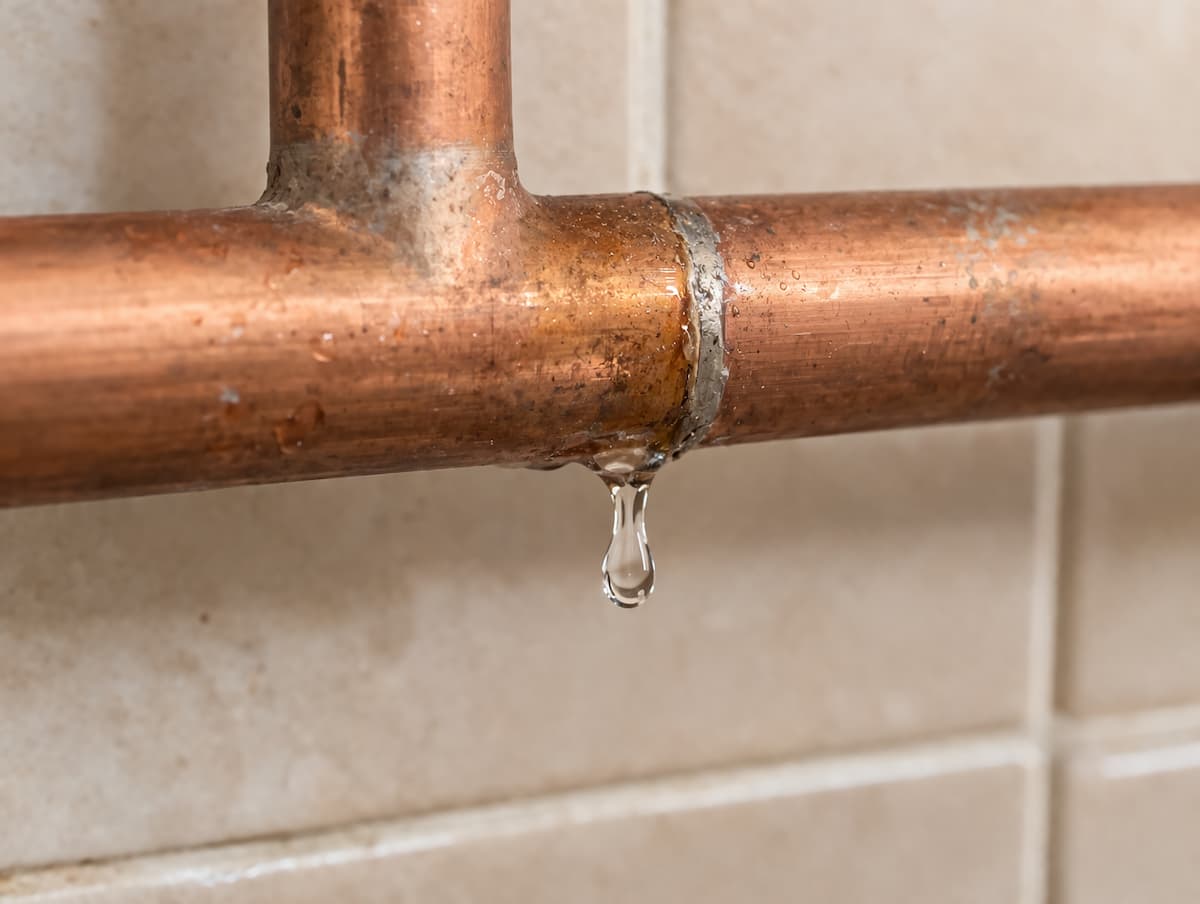
Loose connections often result in leaks and a drop in pressure.
5. Loose or Worn Components
Over time, connections within the heating system can loosen slightly, especially in older installations. Washers, seals, and joints can degrade, allowing small amounts of water to escape.
These issues often develop gradually and may not be noticeable at first. However, as the system continues to lose small amounts of water, the pressure will slowly drop.
Regular servicing can help identify these minor faults before they develop into more significant problems, and a quick visual check of your system every now and then can help you spot small issues before they turn into bigger ones.
6. Corrosion or Sludge Build-Up
Older systems are particularly prone to corrosion and sludge accumulation, which can affect overall performance and efficiency. Over time, this can lead to mineral deposits and internal build-up.
Sludge can restrict water flow, put additional strain on components, and contribute to uneven heating across radiators. In some cases, it can also lead to internal wear that affects the system’s ability to maintain stable pressure.
If your radiators take longer to heat up, feel cooler at the bottom, or release dark or discoloured water when bled, it could be a sign that the system would benefit from a professional clean or flush.
7. Temperature-Related Pressure Fluctuations
It’s normal for boiler pressure to change slightly as the system heats up and cools down. However, large or frequent fluctuations can indicate an underlying issue.
For example, if the pressure rises significantly when the heating is on and then drops too low when it’s off, it may point to problems with the expansion vessel or overall system balance.
Keeping an eye on how the pressure behaves over time can help you spot patterns and identify when something isn’t quite right.
When Is It Time to Get Help?
Topping up your boiler pressure occasionally is normal, and giving your system a quick once-over every few months is a good habit that might help you to spot any emerging issues. However, if you find yourself doing it regularly — or if the pressure drops quickly after being topped up — it’s usually a sign that something needs attention.
While some causes are relatively minor, others can lead to more serious faults if left unresolved. In these situations, it’s often best to get a clearer understanding of the underlying issue before it develops further. For example, ongoing pressure problems can sometimes point to underlying issues that may require professional repair to resolve properly.
Final Thoughts
Boiler pressure issues are rarely random. In most cases, they’re the result of gradual wear, small faults, or changes within the system that build up over time.
By paying attention to recurring pressure drops and addressing the cause early, you can avoid more disruptive problems later on — especially during colder months when your heating system is under the most strain.
A little awareness now can save a lot of inconvenience down the line and help keep your home warm, efficient, and running smoothly.