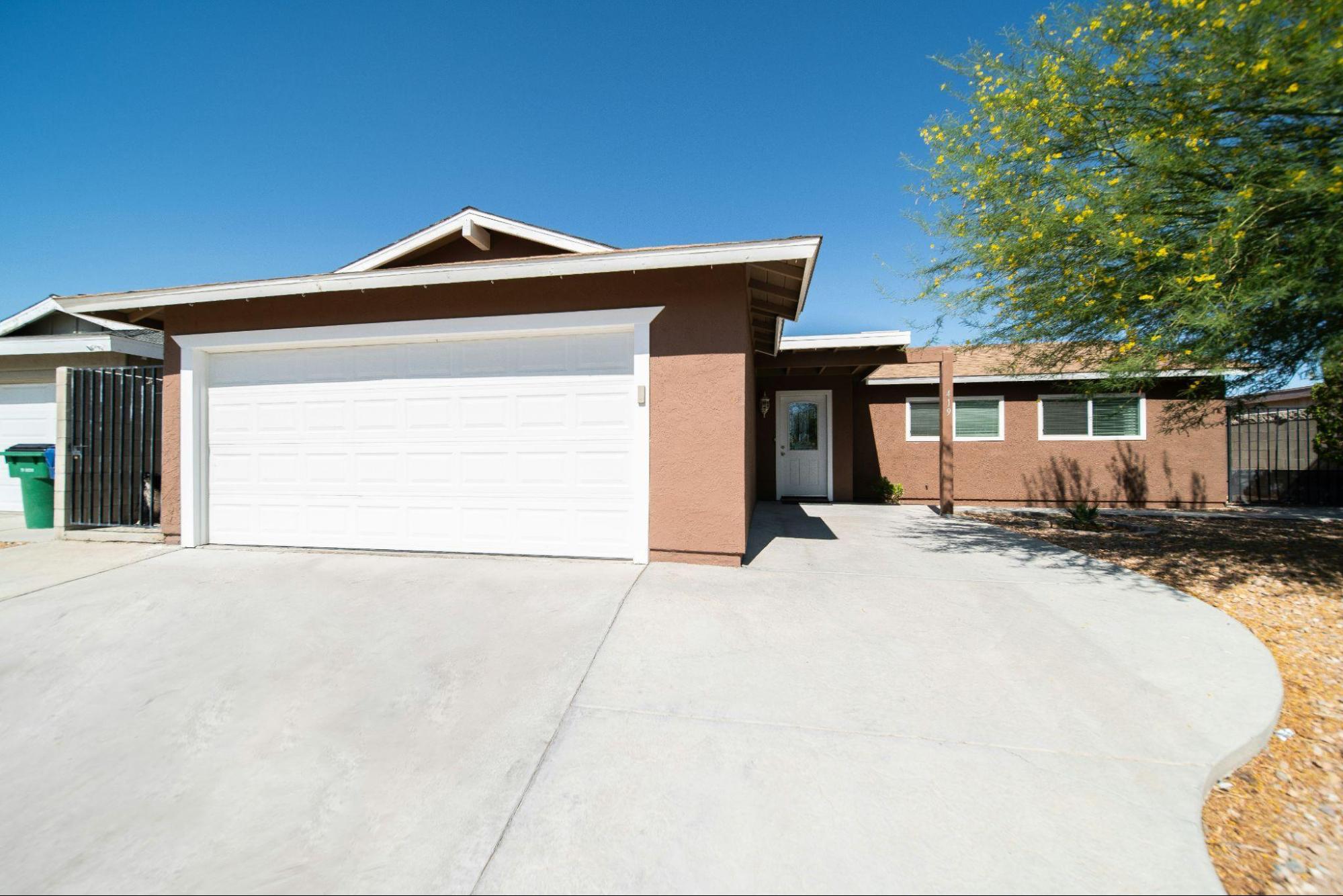
Driveways are often treated as a finishing touch to a property, yet in practice they are one of the most structurally demanding surfaces around a home. In the UK, where weather conditions fluctuate and drainage plays a critical role, the quality of installation determines whether a driveway lasts decades or begins to fail within a few seasons.
Concrete has become a popular choice because of its durability and relatively low maintenance, but the process behind it is often misunderstood. A well-installed concrete driveway is not simply poured, it is engineered from the ground up, with groundwork, materials, and curing all contributing to its long-term performance.
Ground Preparation Is Where Most of the Work Happens
Before any concrete is poured, the majority of the effort goes into preparing the base. Excavation removes unstable soil, and a sub-base, typically MOT Type 1, is laid and compacted to create a stable foundation. Without this step, even the highest-quality concrete will crack or sink over time due to shifting ground or poor drainage.
This stage is also where drainage planning is addressed. UK regulations increasingly require proper water runoff management, meaning gradients and soakaways must be considered early. In fact, groundwork alone can account for a significant portion of total project cost, often estimated at around £15–£20 per square metre depending on complexity. This highlights how the unseen layers beneath the surface are just as important as the finish.
Understanding the Cost Behind the Surface
Homeowners often focus on the visible result, but pricing a driveway involves multiple components beyond materials. Labour, site access, excavation, and finishing all influence the final figure. On average, labour for installing a concrete driveway in the UK falls within a wide range depending on location and project complexity.
For a standard installation, total costs can vary significantly based on size, finish, and preparation work. Smaller driveways may require only basic groundwork, while larger or decorative projects demand more extensive labour and planning. This variation reflects not just material costs, but also access conditions and design choices.
The Pouring Process Requires Precision Timing
Concrete installation is a time-sensitive operation. Once the mix is delivered, it must be poured, levelled, and finished within a limited window before it begins to set. This requires coordination between workers and equipment, especially on larger projects where consistency across the surface is essential.
During this phase, expansion joints are often added to reduce the risk of cracking caused by temperature changes. The finishing process, whether brushed, smooth, or patterned, also affects both appearance and durability. Small inconsistencies at this stage can lead to long-term issues, which is why professional installation is generally recommended over DIY approaches.
Curing: The Most Overlooked Stage

After the concrete is poured, the process is far from complete. Curing is essential for strength development, and it requires time and controlled conditions. While a driveway may appear solid within a day or two, it typically takes several weeks to fully cure and reach its maximum strength.
During this period, the surface must be protected from heavy loads and extreme weather. Rushing this stage can compromise the integrity of the entire installation, leading to premature cracking or surface damage. Proper curing is one of the key differences between a driveway that lasts decades and one that requires early repairs.
Durability and Long-Term Performance
Concrete driveways are often chosen for their longevity. When installed correctly, they can last decades with minimal maintenance, making them a cost-effective option over time. Their resistance to wear, combined with the ability to handle heavy loads, makes them suitable for both residential and high-use applications.
However, durability depends heavily on installation quality. Poor compaction, incorrect mix ratios, or inadequate curing can all reduce lifespan. This is why experienced contractors focus as much on process as they do on materials, ensuring that each stage supports long-term performance.
Comparing Concrete With Other Driveway Materials
While concrete is widely used, it is not the only option available. Gravel, tarmac, resin, and block paving each offer different advantages in terms of cost, maintenance, and appearance. Concrete typically sits in the mid-range for pricing but stands out for its balance of durability and low upkeep.
For homeowners evaluating their options, understanding how these materials compare in real-world use is essential. Factors such as drainage, maintenance requirements, and visual impact all play a role in determining which solution is most suitable for a particular property.
Where Homeowners Typically Seek More Detailed Guidance
At some point, most homeowners move beyond general comparisons and want a clearer breakdown of what the project actually involves. This is where more detailed resources, like concrete driveway installation, tend to answer specific questions about pricing, timelines, and labour expectations in a practical context.
These deeper insights often help bridge the gap between initial planning and final decisions. Rather than relying on rough estimates, homeowners can better understand how different factors influence the overall scope of the project.
Why Planning Determines the Final Outcome
Ultimately, the success of a concrete driveway comes down to planning. From ground preparation to curing, each stage builds on the previous one, meaning mistakes early in the process can have lasting consequences. Careful planning ensures that materials, labour, and environmental factors are all aligned before work begins.
In the UK construction context, where weather, soil conditions, and regulations vary by location, this preparation becomes even more important. A well-planned driveway is not just a surface, it is a long-term structural investment that supports both functionality and property value over time.