Renovating a period home is rarely as straightforward as choosing paint colours, ordering new flooring and booking a plasterer. Older properties have layers of history built into their walls, floors, fireplaces and windows, and each part can affect the next stage of work.
Original timber sash windows are a good example. They may look like a decorative detail, but they can influence draught levels, internal plasterwork, joinery, heating performance, decorating schedules and even the final comfort of the home.
For homeowners planning work on original sash windows, specialist advice from Scott James Windows London can help identify whether the windows need simple draught-proofing, timber repairs, refurbishment or a more considered upgrade before the wider renovation moves too far ahead.
Leaving window repairs until the end of a project can create avoidable problems. Fresh plaster may need to be disturbed, painted reveals may be marked, new curtains may not sit correctly, and a newly decorated room can still feel cold if the windows were never properly assessed.
Why Window Condition Affects the Whole Renovation
Windows are part of the building fabric, not an isolated finishing item. In period homes, especially Victorian, Georgian and Edwardian properties, timber windows often sit within older walls, traditional plaster and original joinery.
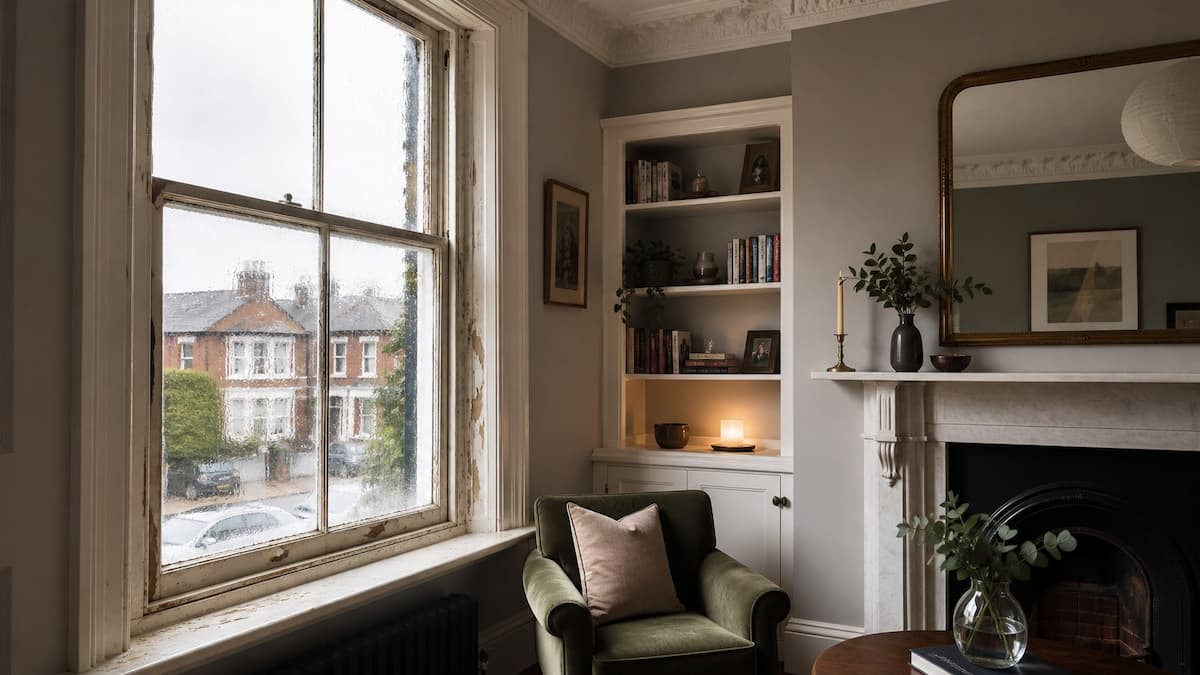
If a sash window is rattling, stuck, swollen, rotten or poorly balanced, the issue may extend beyond the visible glass and frame. The cords may have failed, the weights may be misaligned, the box frame may have gaps, or the sill may be holding moisture.
These faults can affect other renovation decisions. A decorator cannot achieve a durable finish over failing paint and soft timber. A heating upgrade will feel less effective if cold air is still moving around the frames. New internal finishes may be compromised if the window area later needs cutting back for repair.
The Common Mistake: Treating Windows as a Final Detail
A common renovation mistake is to treat windows as something to “sort out later”. This usually happens because windows appear to be functional at first glance, even when they are underperforming.
A sash may still open, but only with force. A frame may look acceptable from inside, while the external sill is beginning to decay. A room may feel cold, but the cause may be blamed on the heating system rather than air leakage around the window.
UK Construction Blog has already covered how old sash windows can quietly increase household costs, especially when draughts, heat loss and poor maintenance are ignored. The practical lesson is simple: windows should be checked before money is committed to final finishes.
When windows are left too late, the project can move backwards. Trades may need to return, decorating may need touching up, and homeowners can end up paying twice for work that could have been sequenced properly from the start.
When to Assess Sash Windows During a Renovation
The best time to assess original sash windows is before plastering, decorating and floor finishes begin. This allows any repair work to happen while the house is already in a disruptive phase.
An early window survey should look at the frame, sashes, sill, glazing, putty, cords, pulleys, locks, paint condition and draught paths. It should also consider whether the windows are original, historically significant or located in a conservation area.
This does not mean every window needs major work. Some may only need adjustment and draught-proofing. Others may require splice repairs, replacement cords or sill restoration. A few may need more substantial refurbishment if timber decay has spread.
By identifying this early, the homeowner can plan the correct order of work. Joinery repairs can come before decorating. Glazing upgrades can be discussed before curtains or blinds are measured. External painting can be planned for the right weather window.
Repair, Draught-Proofing or Upgrade?
Period window repair works best when the solution matches the condition of the window. A blanket approach can waste money or damage original features unnecessarily.
If the timber is sound but the window rattles or leaks air, draught-proofing may be enough to make the room feel more comfortable. This can reduce unwanted air movement while keeping the original appearance intact.
If there is localised rot, timber repair may be the sensible route. Splice repairs allow damaged sections to be cut out and replaced while retaining as much original material as possible. This is often preferable to full replacement when the main structure of the window is still serviceable.
If the homeowner wants better thermal or acoustic performance, slim-profile double glazing or vacuum glazing may be considered where the window design and planning context allow. For a wider homeowner-focused view on looking after older timber windows, this guide on keeping wooden windows in top condition gives useful maintenance context.
Replacement should usually be the last option, not the first assumption. It may be justified where the window is structurally beyond repair, poorly altered in the past or no longer suitable for the building. Even then, the new specification should respect the age, proportions and character of the property.
How Poor Sequencing Creates Extra Costs
Bad sequencing can turn a manageable repair into a more expensive project. The cost is not always in the window work itself, but in the damage to surrounding finishes.
For example, if sash boxes need opening after a room has been decorated, the wall finish may need patching. If rotten sills are repaired after external painting, the paintwork may need redoing. If windows are removed or adjusted after new flooring is installed, extra protection and labour may be needed.
There is also a comfort cost. A homeowner may complete a beautiful renovation and still find the room cold, noisy or difficult to ventilate. This can be frustrating because the problem was present from the beginning, but it was not dealt with at the correct stage.
Planning window repairs early also helps with budgeting. Instead of discovering timber decay halfway through decorating, the homeowner can compare repair, draught-proofing and glazing options before finalising the wider renovation spend.
What Homeowners Should Check Before Work Starts
A simple pre-renovation window check can prevent many problems. Homeowners do not need to diagnose every technical fault themselves, but they should know what to look for before inviting trades to quote.
Warning signs include rattling sashes, flaking paint, blackened or soft timber, cracked putty, condensation, loose locks, broken cords, sticking windows and visible gaps around the frame. Any sign of water sitting on the sill should be taken seriously.
It is also worth checking how the room feels on a cold or windy day. A window can look acceptable in summer but perform poorly in winter. Draughts, traffic noise and cold spots often reveal problems that are not obvious in photographs.
For listed buildings and homes in conservation areas, homeowners may need to check local requirements before changing glazing, profiles or external details. Requirements can vary, and sensitive repair is often treated very differently from unsympathetic replacement.
Why Preservation Often Makes Practical Sense
Keeping original timber windows is not only about appearance. Good-quality old timber was often made from durable material, and many original sash windows were designed to be repaired rather than discarded.
Repairing what is already there can reduce waste, preserve embodied carbon and maintain the architectural rhythm of the building. It can also protect details that modern off-the-shelf replacements often fail to copy convincingly.
This is especially relevant in streets where window proportions define the character of the whole building. A poorly specified replacement can look flat, heavy or out of place, even when it is technically new and efficient.
The best renovation decisions balance heritage and performance. A well-repaired sash window can retain the look of the property while improving comfort, usability and durability.
Final Thoughts
Window repairs should be planned early in a period home renovation because they affect comfort, finishes, sequencing and long-term value. Treating them as a final cosmetic detail can lead to rework and unnecessary cost.
Before plastering, decorating or ordering new interior finishes, homeowners should assess the condition of their original timber windows. Some may need only minor attention, while others may benefit from draught-proofing, timber repair or carefully specified glazing upgrades.
If you are unsure whether your original sash windows can be restored, a professional survey can help you compare the options before committing to replacement. In a period home, the right decision is usually the one that respects the building while making it more comfortable to live in.