Construction endeavors are getting increasingly complex in nature. It is now expected from modern buildings to perform well in terms of energy efficiency, durability, occupant comfort levels, efficiency and comply with relevant regulations. While maintaining structural stability and integrity is of utmost importance, the success of today’s construction project cannot be determined based on what is visible above the surface.
Modern day constructors and architects need to take into consideration not only aesthetic elements and architectural concepts but also a number of infrastructure issues, which would determine how the building operates through its lifecycle. Among these elements are mechanical systems, electric installations, drainage systems, water supply infrastructure and maintenance accessibility. Despite the crucial part that plumbing can play in determining the performance of the building through its lifecycle, plumbing infrastructure is oftentimes discussed too late in the process.
The Plumbing Infrastructure Is Becoming Increasingly Advanced
The expectations concerning modern plumbing infrastructure have changed greatly. Contemporary residential, commercial and mixed use properties usually require better plumbing infrastructure as compared to previous generations of buildings.
Modern plumbing systems can feature efficient water fixtures, filters, additional bathrooms, commercial kitchens, hot water solutions, storm water collection systems, drainage solutions and other increasingly complex features. As the number of these elements grows, plumbing design becomes increasingly important as part of the project’s performance. Construction teams who think about plumbing early in the process have much more freedom to work around plumbing needs, as well as coordinate layout designs, service provision and future maintenance of the building.
The Specialized Knowledge is Crucial
It might seem that plumbing infrastructure is something, which is rarely discussed once construction works are finished. In practice, however, specialized skills related to this field remain critical for project performance. Modern-day plumbing specialists have been increasingly asked to participate in project discussions about drainage, hot water systems, rehabilitation of pipes, filters, gas fitting, etc. Companies like Koala Plumbing specialize in such services as blocked drain solutions, burst pipes repair, pipe relining, hot water systems installments and repairs, gas fittings, water filtration systems, emergency plumbing services and maintenance services.
Initial Coordination Can Benefit Projects
Coordinating various trades, skill sets, and areas are essential parts of any good construction project. Plumbing facilities are usually not used separately. Drainage, pipe installation, utility connection, and plumbing facilities can be included in conjunction with various other installations like structural, electrical, or architectural. Such coordination, if done prior to the installation, can make the process significantly more convenient and smooth.
It became especially crucial with the development of construction techniques and technology. Growing emphasis on the future and functions of facilities has made planning an important element in projects involving infrastructure construction. It became clear that planning could benefit projects significantly.
Design and Maintenance of Building Drainage Facility May Affect Its Future Performance
One of the unnoticed kinds of infrastructure is drainage systems. Nevertheless, improper design or poor maintenance of drainage facilities may lead to further expenses, maintenance requirements, and possible problems with its functioning. In case a building is capable of hosting multiple people, the requirements to drainage facilities might differ as well. Additionally, in case the conditions are harsh, storm water management will become essential.
Alternatives to Pipe Replacement Are Becoming Popular
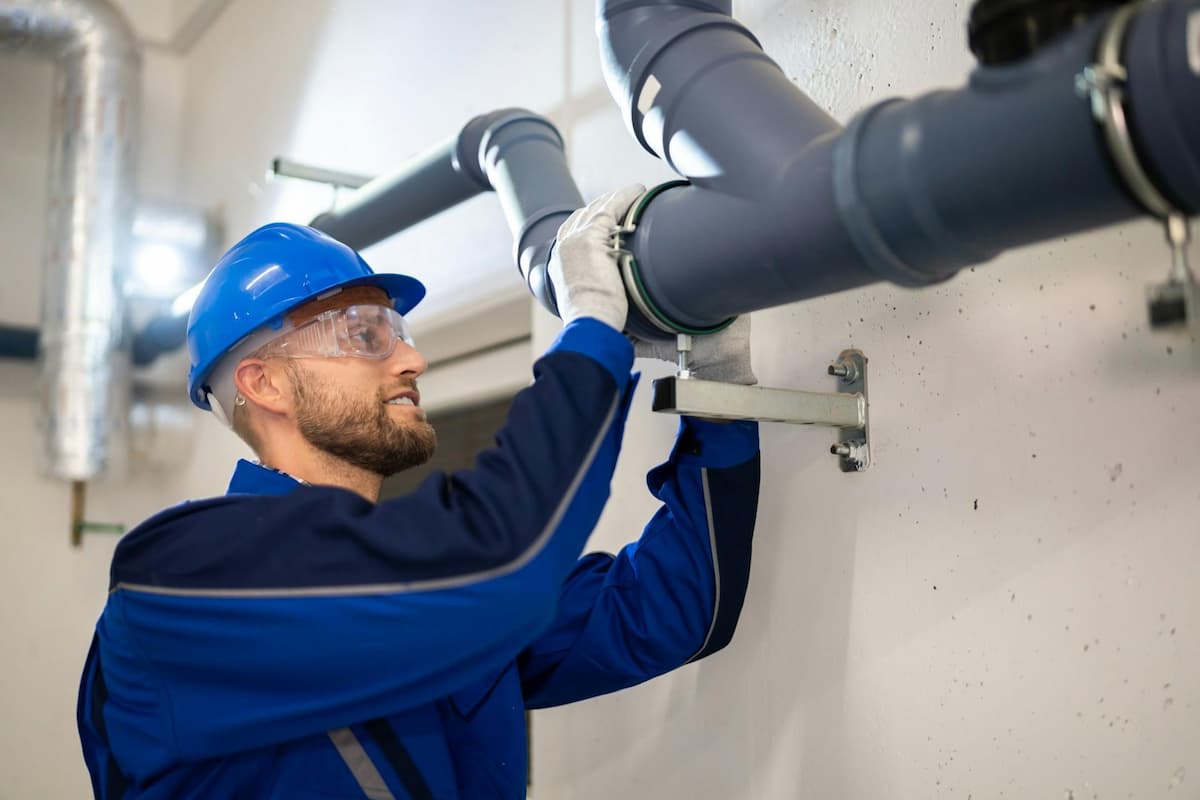
All construction professionals know the practices of pipe replacement; however, nowadays alternative rehabilitation techniques gained considerable popularity. Pipe lining is preferred by many construction workers because it involves minimal excavations, thus making it less disruptive both to infrastructure and buildings.
Such practice is more convenient and affordable because of minimal disruptions. Due to the growing number of infrastructure redevelopment projects, rehabilitation becomes especially relevant in modern conditions. Conventional methods are not capable of satisfying today’s requirements.
Water Efficiency Remains Important in Construction Projects
One important factor that remains relevant for construction projects is that of water efficiency. In modern conditions, there are plenty of cases when individuals who need to build a new structure want to save money and resources while retaining the efficiency of that property.
This problem is solved quite efficiently using advanced plumbing technologies and solutions. Effective plumbing systems, advanced monitoring tools, innovative filtration units, and efficient hot water systems help address this concern. The increasing public interest in environmental issues makes many construction specialists reconsider the concept of plumbing and look at the issue differently. This trend is likely to bring new advances in plumbing technologies.
Longer-term Focus in Construction Projects Grows
Traditionally, the main priority for construction specialists is to complete the project by the deadline with available budgetary resources. Modern building professionals are trying to adopt a different attitude towards construction.
The concept of lifecycle performance starts playing an increasingly important role in many projects in Australia today. Many builders are interested in installing infrastructure that is reliable, does not cause additional expenses, and performs well during use.
This aspect gains considerable importance in discussions of construction project performance.
The material choice, maintenance ease, and other factors become more significant in this regard.
It is crucial to take long-term performance into account when selecting a plumbing system.
With the use of lifecycle performance evaluation in projects, modern building professionals give an opportunity for improved future performance to their clients.
Modern Construction Industry Is Focused on the Performance of Infrastructure Systems
These days, the importance of building performance can hardly be underestimated in construction industries. According to the Australian Building Codes Board, all building infrastructure should be installed to provide safety, efficiency, durability, and other important characteristics related to performance.
For building professionals, this means that any decision concerning building infrastructure has to be analyzed considering future performance and safety issues. In this respect, it is critical to understand the influence of any building component on future performance and customer satisfaction.
Building Infrastructure Improves the Efficiency of Future Structures
Many building features remain unnoticed after the completion of work and put no pressure on building users. For instance, plumbing components rarely attract attention after installation in a properly operating building. Nevertheless, plumbing can considerably improve the performance of any building in the future. It contributes to better comfort and durability of structures. With the increase of complexity of construction projects, plumbing performance becomes even more important.