Every successful construction project starts the same way.
With an idea.
It might be a family planning their dream home. A business owner expanding into a larger space. Or a property developer transforming an empty plot into something valuable. Regardless of size, every project begins with a vision of what could be.
Turning that vision into reality is where the real work begins.
Construction projects involve countless moving parts. Planning, budgeting, scheduling, materials, contractors, permits, and inspections all need to come together at the right time. When managed well, the results can be remarkable. When overlooked, small mistakes can quickly become expensive problems.
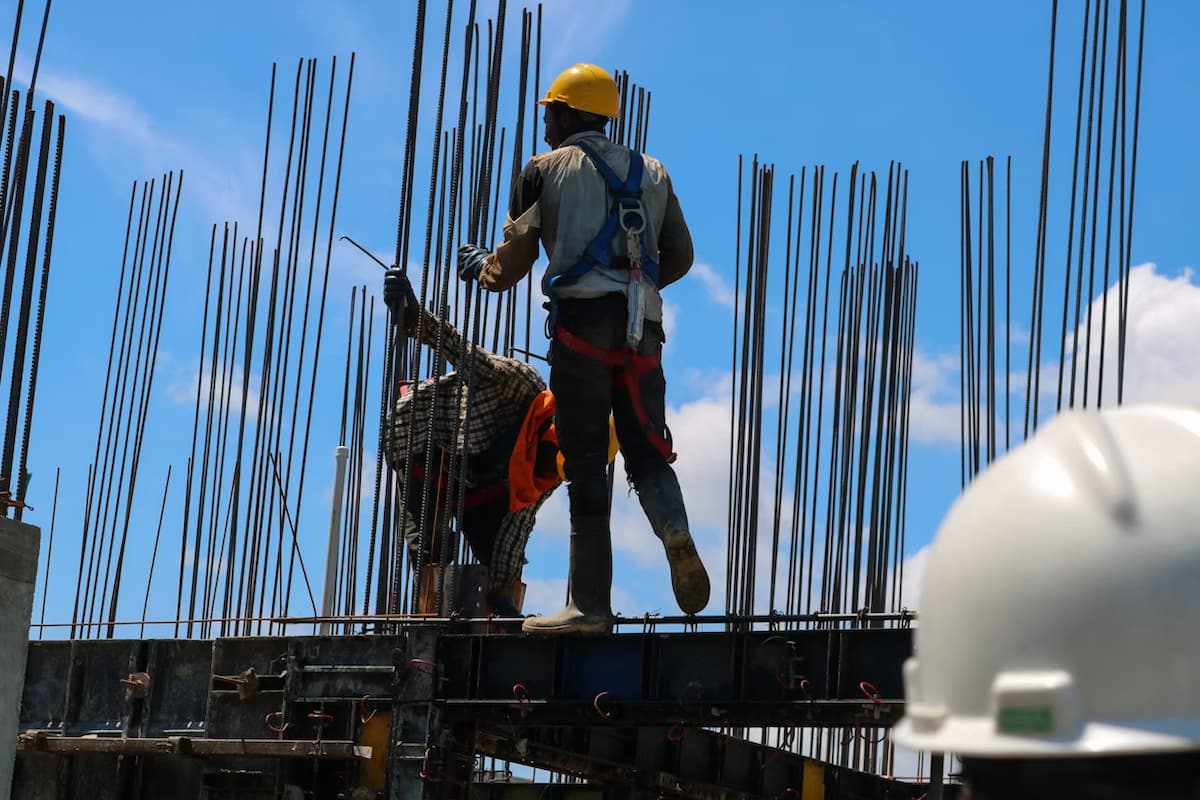
Here’s how to build a construction project that stays on track from start to finish.
Start with a Clear Plan
A strong foundation isn’t just important for buildings.
It’s important for planning too.
Before any construction work begins, take time to define the project’s goals. What are you building? What features are essential? What is your budget? What is your timeline?
The clearer the vision, the easier it becomes to make decisions later.
Many delays occur because important details weren’t considered early enough. Spending extra time planning often saves significant time and money down the road.
Create a Realistic Budget
Construction costs can add up quickly.
Materials fluctuate in price. Labor costs vary. Unexpected issues can appear without warning.
That’s why a realistic budget is essential.
In addition to expected expenses, it’s wise to include a contingency fund for unforeseen circumstances. Industry professionals often recommend setting aside additional funds to cover surprises that may arise during the project.
It’s better to prepare for unexpected costs than be caught off guard by them.
Choose the Right Team
The people involved in a construction project can have a huge impact on the outcome.
Experienced contractors, architects, engineers, and project managers bring valuable knowledge that helps avoid costly mistakes.
Don’t rush the selection process.
Review previous work. Check references. Ask questions. Ensure everyone understands the project’s objectives from the beginning.
Strong communication between all parties often determines whether a project runs smoothly or encounters unnecessary obstacles.
Focus on Quality Materials
Cutting corners on materials may save money initially.
Long term, it often costs more.
High-quality materials generally offer better durability, performance, and value over time. While budget considerations matter, choosing products based solely on the lowest price can lead to future repairs and maintenance issues.
Think beyond the immediate cost.
Consider the lifespan of the investment.
Maintain Open Communication
Construction projects involve many stakeholders.
Owners.
Contractors.
Suppliers.
Inspectors.
Design professionals.
When communication breaks down, misunderstandings follow.
Regular updates help keep everyone aligned and allow potential issues to be identified before they become major problems. A simple conversation today can prevent a costly delay tomorrow.
Stay Flexible
Even the best-planned projects encounter challenges.
Weather conditions change.
Material deliveries are delayed.
Unexpected site conditions appear.
Flexibility allows project teams to adapt without losing momentum.
The goal isn’t to avoid every challenge. That’s rarely possible.
The goal is to respond effectively when challenges arise.
Prioritize Safety
Safety should never be treated as an afterthought.
Construction sites contain inherent risks, and proper safety procedures help protect workers, visitors, and the project itself.
A strong safety culture benefits everyone involved and helps maintain productivity throughout the build.
Successful projects are not only completed on time and within budget—they are completed safely.
Learn from Other Purchasing Decisions
Construction projects often involve making significant investments, which requires careful research and comparison. Interestingly, the same mindset applies when consumers make other purchasing decisions. Whether someone is selecting building materials, planning a renovation, or browsing products online, they often gather information before committing. For example, shoppers exploring travel-related products may choose to read more about available options before making a purchase, ensuring they receive the best value for their needs.
Informed decisions typically lead to better outcomes.
Construction is no exception.
The Bottom Line
Successful construction projects don’t happen by luck.
They happen through careful planning, realistic budgeting, skilled teams, quality materials, and consistent communication.
Every project presents unique challenges, but the principles remain remarkably similar. Start with a clear vision. Stay organized. Prepare for the unexpected. Focus on quality.
Do that, and you’ll give your project the best possible chance of becoming exactly what you imagined.
After all, every great building begins with a dream—and a solid plan to bring it to life.