Remodeling already comes with enough dust, decisions, and “while we’re at it” moments. The last thing you need is a home full of gadgets that drain power, drop offline, or make privacy feel like an afterthought. A good plan starts early, before the walls are sealed.
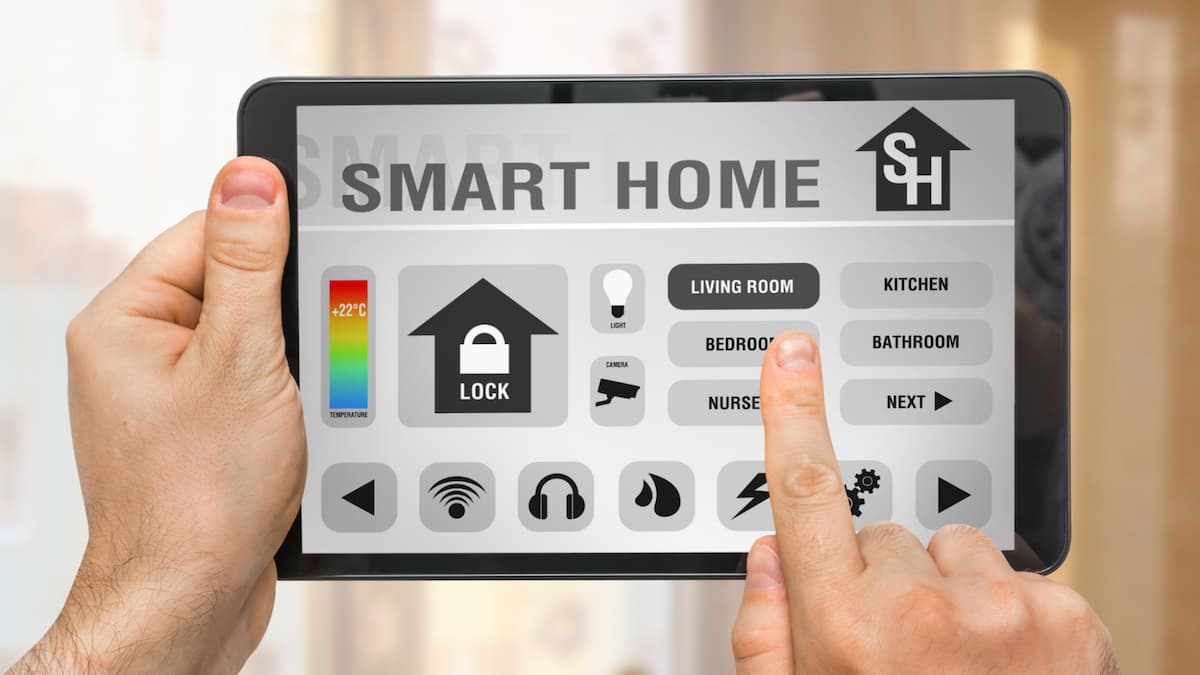
Done thoughtfully, smart home features can lower utility costs, improve security, boost comfort, and make your home more appealing when it’s time to sell. 93% of Americans now own at least one smart home device, and 42% report that the majority of their home devices are now ‘smart. With smart home remodeling, the goal is simple: choose practical home automation ideas that make daily life easier, not more complicated.
Smart Home Remodeling Essentials Before Walls Close
Before you start buying devices, look at the home as one connected system. Wiring, Wi-Fi coverage, power, privacy, and long-term support matter just as much as the finishes you can see.
Plan the Network First
A dependable smart home is built on solid infrastructure. Run Ethernet to media areas, home offices, ceiling access points, camera locations, and key control spots.
If you’re remodeling with smart technology, ask your contractor about conduit in places where future wiring may be useful. It costs far less to plan a pathway now than to reopen a finished wall later. Nobody enjoys paying twice for the same wall.
Build Security Into the Design
Smart locks, cameras, garage doors, and leak sensors all connect to sensitive parts of your home. For app-based locks, hubs, and cameras, adding threat-driven security testing helps check connected systems against realistic attack paths, not just basic setup errors.
Use WPA3 where possible, create separate guest and device networks, and replace default passwords before devices go live. Once that foundation is in place, you can focus on upgrades you’ll actually notice every day.
Must-Have Smart Home Features to Include
The best smart upgrades solve real problems. Think wasted energy, poor lighting, weak security, or controls that are frustrating to use.
Smart Lighting and Thermostats
Smart lighting is one of the easiest wins. Dimmers, motion sensors, occupancy settings, and circadian-style scenes can make rooms feel better while cutting unnecessary power use.
A smart thermostat should support zoning, geofencing, remote schedules, and HVAC runtime reports. 52% of DIY users report setup or connectivity issues, so check thermostat wiring, C-wire support, and network strength before installation day.
Shades, Locks, and Cameras
Motorized shades can manage glare, heat gain, and privacy without constant fiddling. Pair them with sun sensors or timed routines, especially in rooms that get blasted by afternoon light.
For security, choose smart locks, video doorbells, and cameras with encrypted access, role-based sharing, and automatic firmware updates. Once these core pieces are mapped out, your routines become much easier to automate.
Home Automation Ideas That Improve Daily Living
After the core system is stable, room-by-room planning makes the remodel feel personal. The best systems don’t shout, “Look at my tech!” They quietly remove little hassles.
Kitchen and Bath Upgrades
In the kitchen, smart ovens, refrigerators, dishwashers, and touchless faucets can reduce waste and catch small mistakes early. Alerts for open doors, filter changes, or water flow may sound minor, but they’re the kind of details you’ll appreciate on a busy morning.
Bathrooms can benefit from smart mirrors, humidity sensors, heated floors, and leak detection near toilets, tubs, and vanities. Voice control is useful here, but keep physical switches too. Wet hands and glitchy voice commands are not a winning combination.
Entertainment and Indoor Air
Smart entertainment works best when the wiring is hidden during the remodel. Plan for speaker cable, Ethernet, display power, recessed boxes, and a central rack if your home has several media zones.
Indoor air devices can connect purifiers, humidifiers, bath fans, and HVAC controls. Sensors for particulate matter, humidity, temperature, and leaks give your system real information instead of guesswork.
| Remodel Area | Smart Upgrade | Technical Detail to Plan Early | Practical Payoff |
| Lighting | Smart dimmers and sensors | Neutral wires and switch-box depth | Better mood and lower waste |
| HVAC | Smart thermostat and zoning | C-wire, dampers, and sensor placement | More even comfort |
| Security | Locks, cameras, doorbells | Power, Wi?Fi, and encrypted access | Faster alerts |
| Water | Leak sensors and shutoff valve | Valve access and sensor locations | Less damage risk |
With comfort covered, safety and accessibility deserve the same careful attention.
Smart Devices for Safety and Accessibility
A remodel is the right time to plan for issues you hope never happen. Fire, water, air quality, and mobility features can protect both the home and the people inside it.
Detection and Response
Smart smoke alarms, carbon monoxide detectors, water sensors, and automatic shutoff valves can send alerts even when nobody is home. Interconnected alerts are far better than a lonely beep coming from a distant room.
Place leak sensors near water heaters, laundry areas, sinks, dishwashers, and refrigerator lines. For critical devices, battery backup and local alarms matter because internet service can fail at the worst possible time.
Universal Design Controls
Accessibility is not only about aging in place. Voice control, adaptive lighting, smart door hardware, and reachable wall controls help children, guests, and anyone dealing with limited mobility.
Automated exterior lights and door cameras also make entrances safer at night. Once the home is safer, sustainability becomes the next major benefit.
Remodeling With Smart Technology for Sustainability
Smart systems can reduce waste, but the house itself still does the heavy lifting. Good insulation, air sealing, and efficient equipment make every device work better.
Energy and Water Management
Whole-home energy monitors show which circuits use the most power. They can help you spot unusual appliance behavior, standby drain, or HVAC issues before the utility bill delivers bad news.
Smart irrigation controllers use soil data, rain sensors, and seasonal schedules to prevent overwatering. Indoors, connected shutoff valves and fixture-level sensors can reduce waste and limit repair costs.
Green Materials and Device Performance
Dense insulation, quality windows, and sound-control materials help smart thermostats and sensors read the home more accurately. A drafty room can confuse sensors and make automation feel unreliable.
Low-VOC materials also support better indoor air readings after construction. From there, the smartest move is choosing upgrades that can grow with the home.
Flexible Smart Home Solutions for the Future
Technology changes quickly. Good infrastructure does not. Flexible wiring, open standards, and clear documentation can keep your remodel useful for years.
Matter, Thread, and Local Control
Matter-compatible devices can reduce platform lock-in, especially for lights, plugs, sensors, and controls. Thread can improve low-power mesh communication when supported by the right border router.
Local control matters for essential routines. If the internet goes down, lights, locks, thermostats, and alarms should still handle basic functions.
Professional and DIY Decisions
DIY is usually fine for lamps, plugs, and simple sensors. Electrical panels, cameras, motorized shades, door hardware, networking racks, and whole-home audio often deserve trained help.
Keep a device map, admin logins, warranties, wiring photos, and hub details in one secure file. Your future self, and possibly a future buyer, will thank you.
ROI and the Best Smart Devices for Home Value
Smart upgrades should feel useful now and make financial sense later. Buyers usually notice security, comfort, energy savings, and simple controls first.
Features Buyers Understand Quickly
The best smart devices for home resale are practical ones: smart thermostats, locks, lighting, leak protection, and reliable Wi?Fi. Fancy gadgets matter less if the basics feel confusing.
Documentation adds value too. A buyer who understands the system will trust it more than one handed a folder full of mystery apps and passwords.
Maintenance and Privacy
Strong smart home features need ongoing care. Set a reminder to check firmware, remove unused accounts, rotate passwords, and replace unsupported devices.
Privacy matters. Use unique logins, avoid shared passwords, and reset ownership before selling the home. Now, let’s cover a few common questions homeowners ask before work begins.
Common Questions About Smart Home Remodels
These quick answers can help you narrow the plan before speaking with a remodeler, electrician, or smart home installer.
Which smart home features offer the highest ROI during a remodel?
Security, thermostats, lighting, and leak protection usually offer the clearest value. They are easy for buyers to understand, useful every day, and connected to comfort, safety, or savings rather than novelty.
Can I retrofit smart home technology into older homes?
Yes, but older wiring, thick walls, and small electrical boxes can make installation trickier. A hybrid plan using Ethernet where possible, wireless sensors where practical, and well-placed access points often works well.
What other features should a smart home have?
Smart homes may have smart speakers, lights, thermostats, doorbells, security cameras, and more, all connected in a home hub. Smart technology can also extend to kitchen appliances and outdoor landscaping equipment.
Final Thoughts on a Smarter Remodel
A successful smart remodel is not about stuffing every room with gadgets. It is about planning wiring, Wi?Fi, security, comfort, water protection, and long-term support before the finishes go in. Prioritize smart home remodeling choices that solve real problems, then add convenience where it genuinely helps. With the right plan, your home will be safer, easier to maintain, and more attractive to future buyers. Build it to adapt, not just to impress on move-in day.