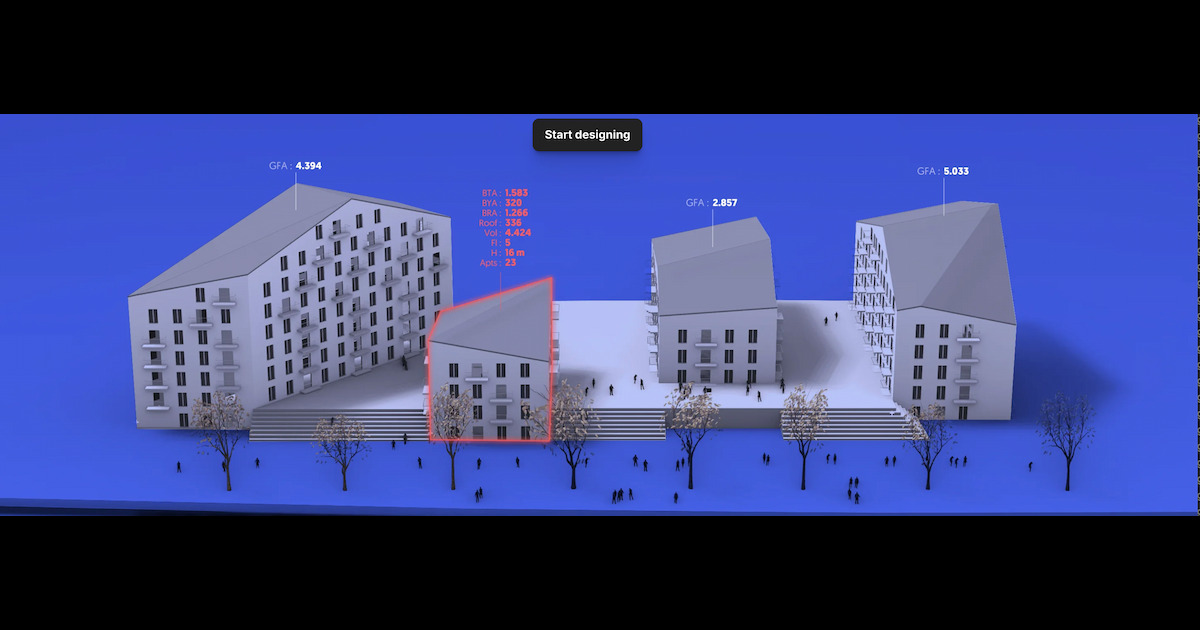
Modern construction projects are more demanding than ever. Tight deadlines, rising material costs, complex building designs, and growing sustainability requirements have made traditional planning methods increasingly difficult to manage. Relying on disconnected drawings and manual coordination often leads to design conflicts, project delays, and expensive rework.
This shift has accelerated the adoption of Building Information Modeling (BIM), a digital approach that enables construction teams to collaborate using a shared, data-rich building model. Rather than replacing existing expertise, BIM helps architects, engineers, contractors, and project owners make better decisions with greater confidence throughout the project lifecycle.
BIM Explained: More Than a 3D Building Model
Although BIM is often associated with 3D visualization, it offers far more than a digital representation of a building.
A BIM model combines geometry with essential project information, including materials, structural data, quantities, schedules, and asset information. Every stakeholder works from the same source of truth, making it easier to coordinate designs, identify issues, and keep projects aligned from planning through facility management.
Modern construction teams increasingly rely on professional 3D modeling and BIM services to transform complex building data into accurate digital models that support better planning, visualization, and collaboration throughout the project lifecycle.
Unlike traditional CAD drawings that primarily document designs, BIM creates an intelligent digital model that evolves as the project progresses.
What’s Driving the Shift Toward BIM?
The construction industry is embracing BIM because conventional workflows no longer provide the level of coordination modern projects require.
Several factors are accelerating BIM adoption:
- Increasingly complex building projects
- Higher expectations for quality and efficiency
- Rising labor and construction costs
- Greater collaboration between multidisciplinary teams
- Growing demand for digital construction technologies
Where BIM Delivers the Biggest Value
Better Team Coordination
Construction projects involve architects, engineers, contractors, consultants, and clients. BIM allows every stakeholder to work from the same digital model, improving collaboration and reducing communication gaps.
Fewer Design Conflicts
BIM’s clash detection capabilities identify conflicts between structural, mechanical, electrical, and plumbing systems before construction begins. Resolving these issues early helps avoid costly on-site modifications.
More Reliable Cost Planning
Because BIM models contain accurate quantity and material information, project teams can produce more dependable cost estimates and better manage budgets throughout the project.
Smarter Project Scheduling
Linking project information with construction timelines gives teams greater visibility into sequencing, resource allocation, and project progress, helping minimize delays.
Better Decisions Before Construction Starts
Interactive models provide stakeholders with a clearer understanding of the project before work begins, enabling faster approvals and more confident decision-making.
Easier Building Management After Handover
The value of BIM continues long after construction is complete. Building owners and facility managers can use the digital model for maintenance planning, renovations, and asset management, ensuring reliable building information throughout the asset’s lifecycle.
BIM vs. Traditional Design Workflows
| Traditional CAD | Building Information Modeling (BIM) |
| Separate drawings | Shared intelligent model |
| Manual coordination | Real-time collaboration |
| Limited project data | Centralized project information |
| Higher risk of design conflicts | Automated clash detection |
| Static documentation | Dynamic, updatable building data |
| Design-focused | Supports the entire building lifecycle |
While CAD remains an essential drafting tool, BIM enables a more connected and collaborative way to plan, construct and manage buildings.
BIM’s Role Beyond the Design Phase
One of the biggest misconceptions about BIM is that it’s only useful during design. In reality, its benefits extend across every phase of a construction project.
During planning, BIM helps teams evaluate project feasibility using accurate building data. Throughout design, it improves collaboration between different disciplines while reducing coordination errors.
Before construction begins, BIM supports cost estimation, scheduling and clash detection. During construction, it improves communication between office teams and field personnel, helping reduce delays and unnecessary rework.
Even after project completion, BIM remains a valuable resource for facility management, maintenance planning, renovations, and future building upgrades.
Adopting BIM Doesn’t Have to Be Difficult
Like any digital transformation, implementing BIM comes with challenges. Organizations may need to invest in software, train employees, update workflows, and manage large volumes of project data. Resistance to change can also slow adoption.
Many companies address these challenges by partnering with experienced BIM specialists rather than building every capability internally. For example, Wunderloop combines AI-powered workflows with a Human-in-the-Loop approach, helping architects, engineers and construction professionals scale BIM production while maintaining the quality and accuracy required for complex projects. This enables organizations to accelerate digital transformation without significantly expanding internal resources.
Where BIM Is Heading Next
BIM continues to evolve alongside emerging construction technologies. Artificial intelligence, cloud collaboration, reality capture, Scan-to-BIM and Digital Twins are making project information more accurate, connected, and accessible than ever before.
These innovations are helping construction teams automate repetitive tasks, improve project visibility, and make faster decisions throughout the building lifecycle.
As digital construction becomes the industry standard, organizations are increasingly looking for partners that combine advanced technology with practical expertise. Companies like Wunderloop are helping project teams adopt AI-enabled BIM workflows that improve efficiency while ensuring every model meets professional quality standards.
Conclusion
Building Information Modeling has become far more than a digital design tool, it’s now a core part of modern construction. By connecting people, processes, and project data within a single collaborative environment, BIM helps organizations deliver projects more accurately, efficiently, and with fewer risks.
As construction continues its digital transformation, adopting BIM is no longer simply about keeping pace with technology. It’s about building smarter, collaborating better, and creating higher-quality outcomes from concept to completion.