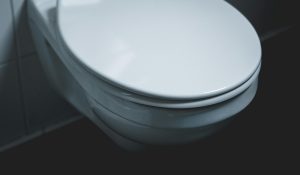
A well-designed bathroom should combine comfort, functionality, and visual appeal. Because bathrooms often have limited floor space, every decision matters. The right tiles, lighting, storage, fixtures, and layout can make a small room feel more spacious and a large bathroom feel more refined.
If you are planning a renovation or looking for inspiration, EClife provides a wide range of home interior concepts. Its bathroom collection includes hundreds of designs in modern, minimalist, raw wood, retro, American, and other styles. You can explore these bathroom design ideas to compare different layouts, materials, and color combinations.
1. Keep the Design Clean and Minimal
Minimalist bathrooms focus on simple forms, limited decoration, and practical furniture. A floating vanity, frameless mirror, simple basin, and neutral tiles can create an uncluttered appearance.
White, beige, light gray, and natural wood tones work well together. Keep countertops clear and use concealed storage for toiletries. This approach makes cleaning easier while giving the bathroom a more spacious appearance.
EClife features minimalist bathroom examples where clean lines and restrained decoration create an elegant atmosphere.
2. Use Large or Carefully Selected Tiles
Tiles have a major effect on the appearance of a bathroom. Large-format tiles reduce the number of visible grout lines, which helps create a cleaner visual effect. They work particularly well in compact bathrooms.
For more personality, consider geometric patterns, subtle stone textures, or classic black-and-white combinations. EClife’s bathroom inspiration includes examples using patterned floors, contrasting tiles, and different textures to create distinctive interiors.
3. Add Warm Wood Elements
Bathrooms often contain hard surfaces such as ceramic, glass, and stone. Wood introduces warmth and creates a softer visual balance.
A wooden vanity, cabinet, shelving unit, or small decorative feature works well in modern and minimalist bathrooms. Choose finishes designed for humid environments and combine them with neutral tiles for a balanced look.
EClife’s bathroom gallery includes wood-toned designs that combine natural materials with contemporary fixtures.
4. Install a Glass Shower Enclosure
A glass shower enclosure helps maintain an open visual connection across the bathroom. Frameless glass works particularly well in modern interiors because it reduces visual barriers.
If your bathroom is small, a clear enclosure allows light to move through the space instead of dividing it into separate-looking sections. Pair the glass with a simple shower system and suitable floor drainage for a practical setup.
EClife’s modern bathroom concepts include glass shower enclosures combined with metal details and wooden vanities.
5. Make Storage Part of the Layout
Poor storage quickly makes a bathroom feel crowded. Instead of relying on freestanding cabinets, integrate storage into the design.
Wall-mounted vanities, recessed shelves, mirrored cabinets, and tall storage units help keep toiletries organized while preserving floor space. In a small bathroom, vertical storage is especially useful.
Choose closed cabinets for everyday items and open shelving for towels or carefully selected decorative pieces.
6. Create a Strong Focal Point
A bathroom does not need decoration on every wall. One strong feature often creates a better result.
Consider making the vanity, bathtub, feature wall, patterned floor, or lighting fixture the main focal point. For example, a distinctive bathtub can become the centerpiece when surrounded by simple finishes.
EClife’s bathroom design examples show how materials such as marble, oak, brass, and colorful tiles can create visual interest without overwhelming the room.
7. Choose Colors That Match Your Style
Color influences the atmosphere of a bathroom. Soft neutrals create a calm and timeless appearance, while darker colors provide contrast and a more dramatic feel.
You can introduce stronger colors through tiles, cabinetry, mirrors, towels, or accessories. Green, blue, brown, and muted earthy shades work well when paired with neutral surfaces.
For a compact bathroom, lighter colors can help reflect available light. In a larger space, darker shades can add depth when supported by suitable lighting.
Final Thoughts
Good bathroom design starts with practical planning. Consider the room’s size, plumbing positions, storage requirements, lighting, and daily routines before choosing decorative details.
You do not need an expensive transformation to improve the space. A better vanity, updated tiles, improved lighting, organized storage, or a glass shower enclosure can change the appearance significantly.
Exploring real bathroom interiors before making decisions also helps you identify combinations that suit your home. EClife’s bathroom collection provides a useful starting point for comparing styles, layouts, materials, and color schemes.