The front door swings open, and within five seconds, the contents of your pockets end up scattered across whatever flat surface sits closest. Post piles up on the radiator cover, car keys scrape the finish of a hallway sideboard, and sunglasses end up balanced precariously on a shelf edge. The entryway is the hardest-working threshold in any home, yet it is routinely treated as an architectural afterthought.
Creating a dedicated drop zone is not about creating a sterile showroom display that nobody can touch. It is about establishing an intuitive, beautiful landing pad that absorbs daily chaos without looking disordered. When designed properly, a console table sets the decorative tone for the rest of your home while quietly solving the practical puzzle of everyday storage.
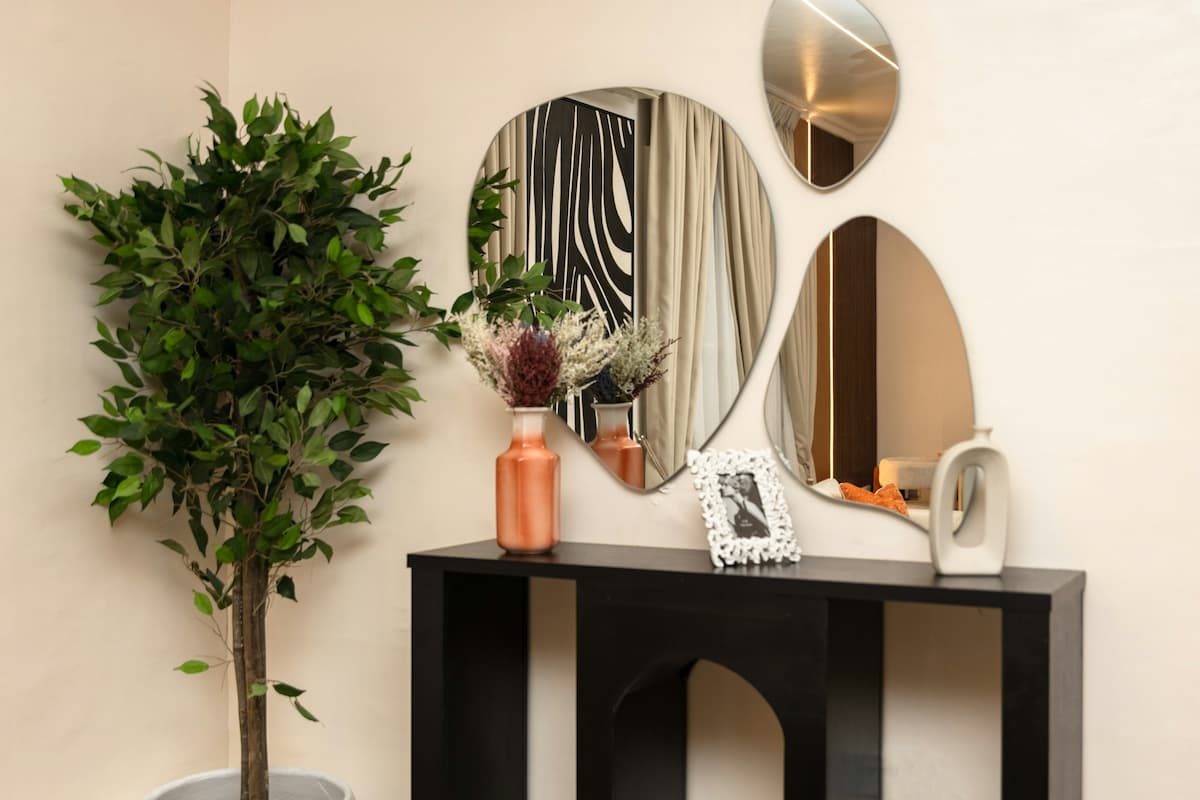
Scale, Proportion, and Choosing the Right Base
The primary failure in most hallway styling comes down to incorrect proportions. In many British homes, entrance corridors are narrow, often measuring barely over a metre across. Cramming a standard 45-centimetre-deep sideboard into this space immediately restricts movement and makes the entire arrival feel pinched.
Look for console tables with a depth between 25 and 35 centimetres. A shallow profile keeps the primary walkway clear while still offering ample surface space for lamps and storage vessels. If floor space is exceptionally tight, a wall-mounted floating console keeps the flooring continuous, visually expanding the room.
Material selection dictates how well the space withstands daily wear. Solid timber, honed limestone, and powder-coated steel tolerate the friction of bags, metal keys, and damp umbrellas far better than cheap veneers or high-gloss lacquers that show every hairline scratch and fingerprint.
Micro-Organisation with Catch-All Trays and Vessels
A flat, open surface invites clutter unless clear physical boundaries exist. The simplest way to stop small items from migrating across the entire table is to introduce shallow trays and heavy bowls.
A heavy marble or turned-walnut tray defines an exact territory for your pocket items. When you step through the door, your keys, wallet, and sunglasses go directly onto the tray rather than floating aimlessly across the timber surface. Grouping loose items inside a structured vessel tricks the human eye into perceiving order, even when the tray itself holds a messy collection of coins and receipts.
For items you prefer to hide entirely, small ceramic pots with lids or lidded leather boxes offer discrete storage for loose change, spare front door keys, and earplugs. Keep the container heavy enough that it does not slide around every time you drop something inside.
Concealed Drawers and Dedicated Accessory Care
While open trays handle quick-grab essentials, certain everyday items require better protection. Tossing a pair of acetate or wire-rimmed sunglasses into an open metal bowl alongside jagged brass house keys is a guaranteed way to scuff the lenses and bend the temples.
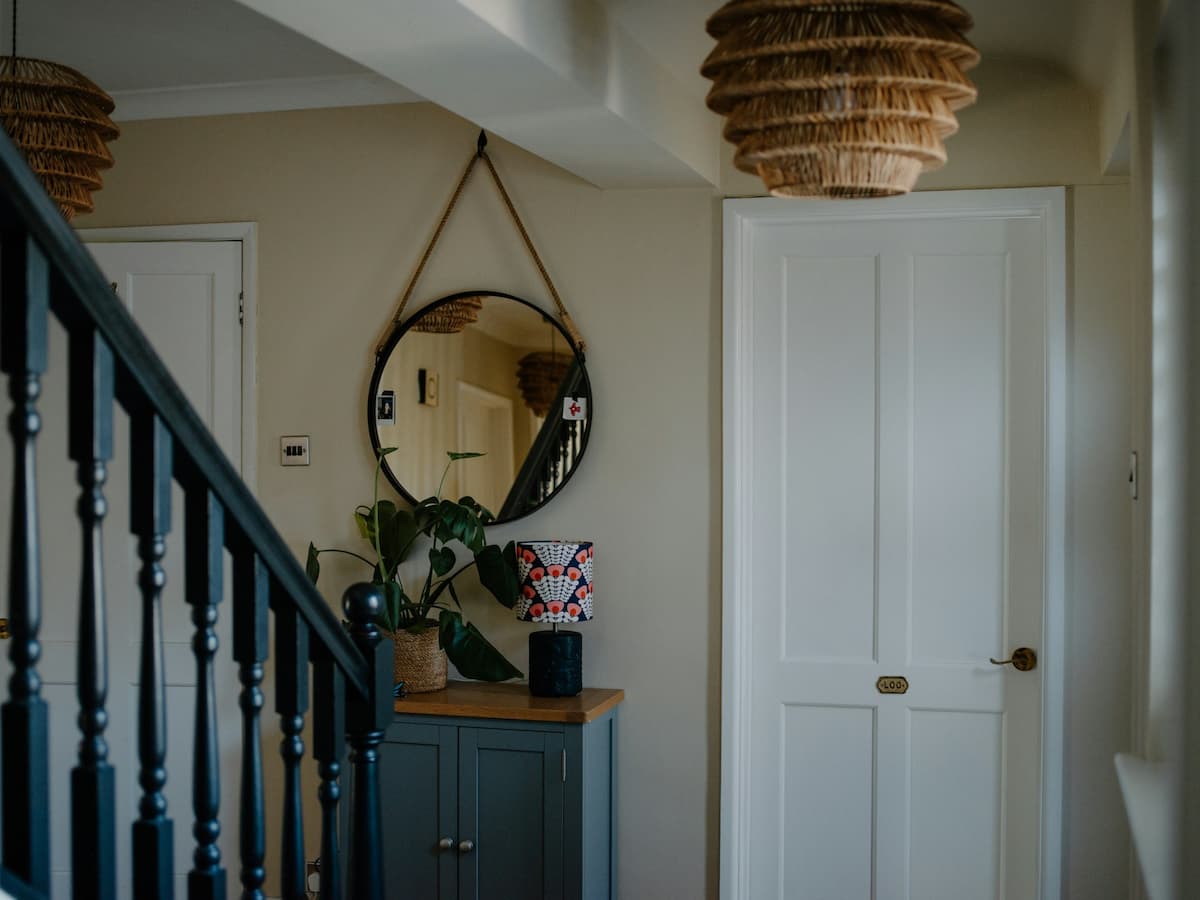
Console tables with shallow drawers provide the perfect opportunity for interior customisation. Lining these drawers with felt or velvet creates an ideal holding space for delicate personal accessories.
If you are planning custom hallway joinery or high-end freestanding consoles, consider adding shallow divided compartments within the top drawer. Storing your everyday prescription frames, fancy rectangle sunglasses, and wristwatches in individual felt-lined slots shields them from dust and scratches while keeping them immediately accessible as you head out the door.
| Console Zone | Recommended Storage Element | Practical Function | Best Materials |
| Upper Surface | Shallow catch-all tray | Daily essentials, keys, and transit passes | Honed marble, cast brass, or solid oak |
| Interior Drawer | Custom divided organizer | Fine eyewear, watches, and delicate accessories | Velvet, wool felt, or microsuede lining |
| Under-Table Floor | Heavy structured baskets | Dog leads, seasonal scarves, and compact umbrellas | Braided jute, rattan, or thick stitched leather |
| Wall Above | Peg rail or individual hooks | Structured hats, daily jackets, and shopping totes | Turned ash, forged iron, or blackened bronze |
Layering Height, Lighting, and Vertical Balance
A console styled with only low trays will feel flat and uninteresting. Successful entryway design relies on vertical variation to draw the eye upward and create visual interest.
Start with a large anchor piece mounted on the wall above the table. An oversized circular or arched mirror works best in small halls because it bounces natural light from adjacent rooms and gives you a quick checkpoint before leaving the house. If the hallway already enjoys generous sunlight, a single large piece of framed art creates a more dramatic, gallery-style greeting.
Lighting must be warm and indirect. Overhead pendant lights in an entryway can feel harsh and uninviting after dark. A small table lamp with a pleated linen shade or a ceramic base casts a low, ambient glow that softens the entryway. Pair the lamp with a tall ceramic vase holding a few dried branches or seasonal foliage on the opposite side to balance the composition.
Styling Vertical Space and Peg Rails
Storage should not stop at the edge of the console table. The wall space surrounding your landing zone plays an equally important role in managing everyday gear.
Installing a minimalist timber peg rail or a small cluster of metal hooks slightly offset from the console adds casual utility. Hanging an everyday trench coat, a woven market tote, or a structured hat brings natural texture to the wall. You can even loop the temple of your favourite designer sunglasses over an open peg alongside a cap, giving the entryway a warm, lived-in character that looks effortlessly curated.
Keep the hook count restrained. Four or five well-spaced pegs encourage you to rotate items seasonally rather than allowing the wall to disappear beneath a mountain of heavy winter parkas.
Creating a Cohesive Threshold
A well-styled entryway is about choreography as much as decoration. When every object you carry has an obvious, tactile home the moment you cross the threshold, the evening arrival feels calm and deliberate.
Select pieces with durable materials, establish clear zones for your daily essentials, and balance functional storage with thoughtful decorative height. Your console table should serve as a practical bridge between the outside world and the quiet comfort of your home.