Sliding sash windows remain among the most recognisable elements of British housing. Georgian townhouses, Victorian terraces, Edwardian semis and period terraces depend on them for their proportions, and the same detailing is borrowed for period-inspired developments. What has changed is the specification sitting behind that appearance. A window that looks correct on the elevation is now also expected to perform thermally, ventilate appropriately, lock securely, connect to smart living, and arrive on site ready to fit.
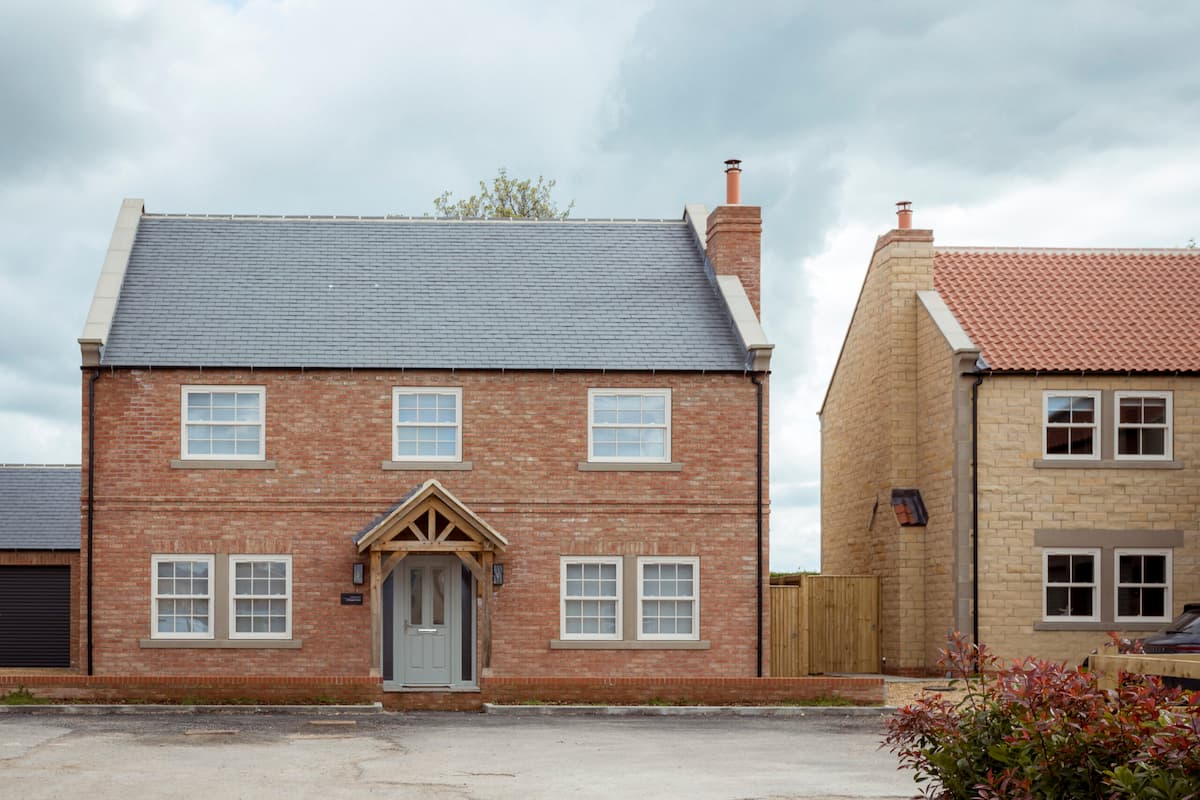
Why Traditional Detailing Still Carries Weight
Heritage-style windows can play an important role in the overall character of a property. In older buildings, they can help preserve or restore a more authentic appearance, while in newer developments, they can introduce traditional detailing that gives the architecture a sense of identity.
The detail that makes this work is specific: traditional proportions, slimmer sightlines, a properly positioned meeting rail, sash horns and mechanical-style jointing all contribute, as does hardware suited to the age of the building. A window can meet every technical requirement and still look wrong if the frame sections are too heavy or the glazing bars sit at the wrong scale. Timber will naturally remain appropriate in some settings, but where a lower-maintenance option is needed, uPVC sliding sash windows can provide the same traditional styling with greater practicality.
Period Character and Thermal Performance
Thermal performance has become an increasingly important consideration in refurbishment projects, with glazing, frame construction, sealing and installation quality all influencing how a window performs once installed.
The challenge is achieving that performance without compromising the proportions and detailing that give a window its character. Deeper frame sections and additional sealing need to be incorporated discreetly, rather than making the window appear noticeably heavier. Installation matters too, even a well-designed window can underperform if it is poorly measured or fitted.
Ventilation as a Design Question
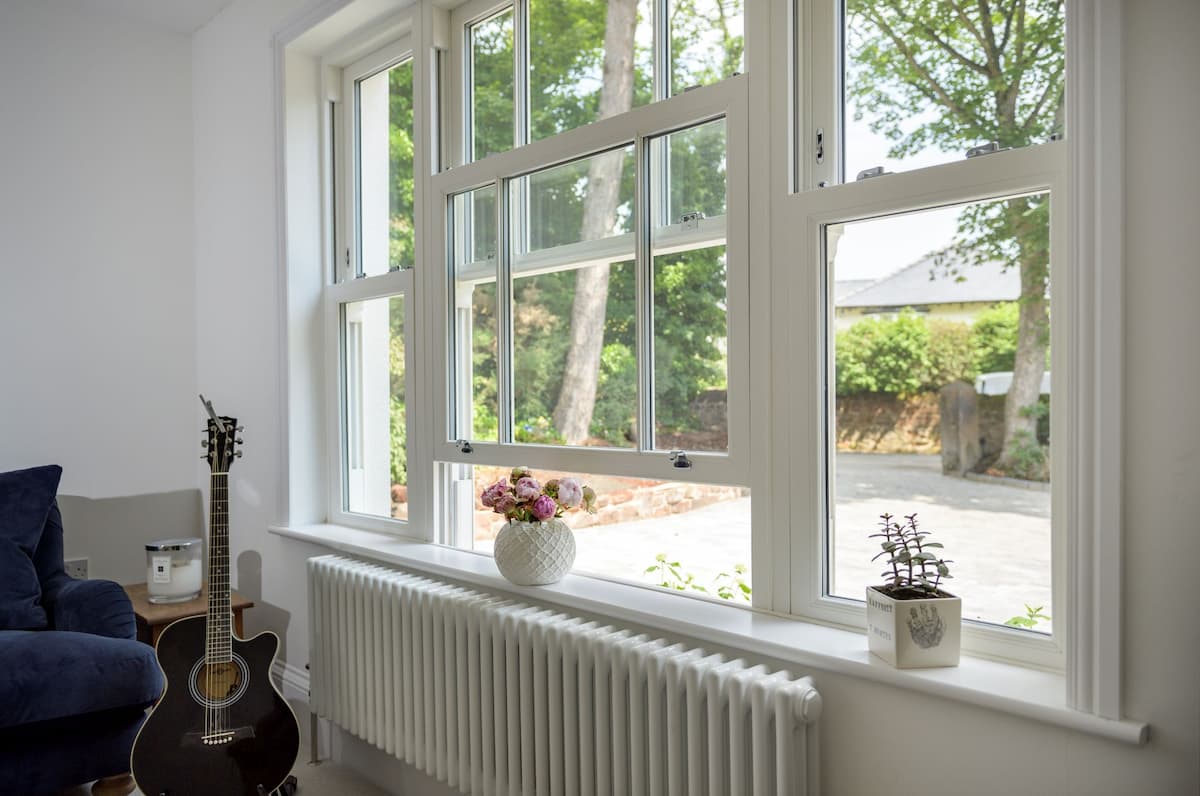
Ventilation is still important as buildings become more airtight. On traditional-style windows, visible trickle vents can interrupt clean lines and detract from period detailing. Manufacturers have therefore looked at ways to incorporate ventilation more discreetly, including within the head of the outer frame. The right approach will depend on the building, installation and relevant regulations, so ventilation should be considered as part of the overall window specification.
Window Security Without Visual Compromise
Locking systems and reinforcement can be built into traditional-looking sashes without ironmongery dominating the elevation. Compatible sensors can also allow occupants to check whether particular windows are open through an app, depending on the system and configuration. Preparing a window for that during manufacture allows components to be incorporated more discreetly than adding visible devices later, providing an additional layer of awareness alongside the window’s existing security.
Established UK manufacturers have been refining these details for some time. Quickslide, one of the UK’s leading manufacturers of uPVC sliding sash windows and a Building Awards finalist, reflects this approach in its Legacy sliding sash range, where a Concealed Head Vent keeps ventilation off the visible face of the frame and the Legacy Protect option is manufactured to work with compatible Kubu sensors. It’s an approach that shows how modern features can be incorporated without becoming a visible part of the window’s character.
Consistency is Harder on a Detailed Product
These products carry more visible detail than a plain casement, making manufacturing consistency more demanding. Accurate component preparation, consistent joints, correctly positioned hardware, reliable finishes and repeatable dimensions all show in the finished window and again on site. Investment in machinery, production systems, employee expertise and quality control is what makes detailed specifications repeatable rather than occasional.
Colour, Choice and the Risk of Error
Frame finishes may need to work with brick, stone, render, roofing, existing doors and internal joinery, and softer whites or heritage-inspired shades often sit more comfortably on traditional properties rather than a bright white.
A heritage-style sash window can now be ordered in combinations of colours, hardware, glazing, bars, sash horns, ventilation, security options and smart provision, improving the fit to the building and multiplying the chance of an ordering error. With so many variables to consider, clear documentation and a reliable ordering process become increasingly important.
Designing for the Trade as Well as the Client
Different stakeholders will naturally look for different things from a window specification. An owner or landlord tends to focus on appearance, security and upkeep. An installer wants accurate manufacture, reliable delivery, straightforward fitting and technical support. A developer needs repeatable specification across many units to suit the programme, and specifiers want information solid enough to justify a choice. Choosing the right window therefore means considering more than appearance or performance in isolation.
Maintenance Over the Life of the Building
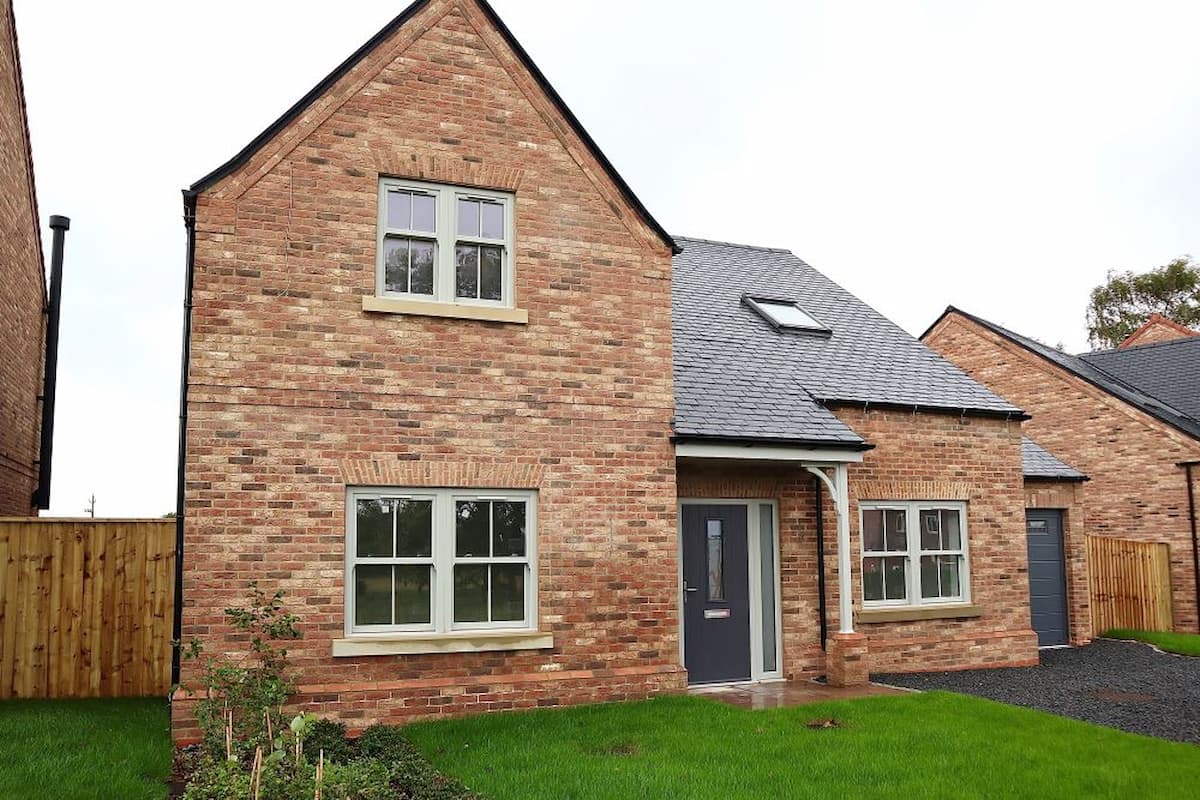
Timber remains appropriate, and sometimes necessary, but requires regular upkeep. uPVC can offer a lower-maintenance alternative where a traditional appearance is still wanted. No window is completely maintenance-free, however, and regular cleaning, correct use, occasional adjustments and replacing worn parts can all help it perform well over time.
The Building Sets the Brief
A traditional appearance does not automatically make a window suitable for a historic property. Listed buildings, conservation areas and properties affected by other planning constraints may carry requirements around materials, design, glazing, detailing and colour, frame proportions, and some will call for traditional materials. Those requirements are worth checking with the local authority or conservation officer. Specification works better when it starts with what the building needs rather than with a preferred material.
Where This Leaves Specification
Heritage-style windows will keep developing as construction projects ask traditional appearance to work alongside thermal performance, ventilation, security, manufacturing consistency, colour choice, reduced maintenance and clear specification. Successful development is not a matter of adding technology because it happens to be available. The products that hold up will be those where performance, manufacture and practical requirements are integrated without compromising the architectural character of the building. Manufacturers that understand what installers, specifiers, developers and end customers each need from the same window will be better placed to supply this work consistently.