The dining room is a hub in a home. It is a place for shared family meals, lively dinner parties and quiet morning routines. The choice of light is central to both functions. Look at the dining room. Picking a dining room light fixture is more than choosing a stylish design from a showroom. It needs a balance of proportion, hanging height, brightness and harmony with the room’s shape. When a dining room light fixture is chosen well it lifts the interior design and makes the space warm, inviting and comfortable for conversation.
Choosing lighting can feel overwhelming because there are many styles, materials and technical details. Homeowners must think about ceiling height, table shape, power outlets and how the room looks. By learning how proportion, warmth and layers work you can turn the dining room into a refined space. This guide explains every step you need to pick the size. Fit the ideal dining room light fixture into the layout of your home.
Understanding the Role of Proportions and Sizing
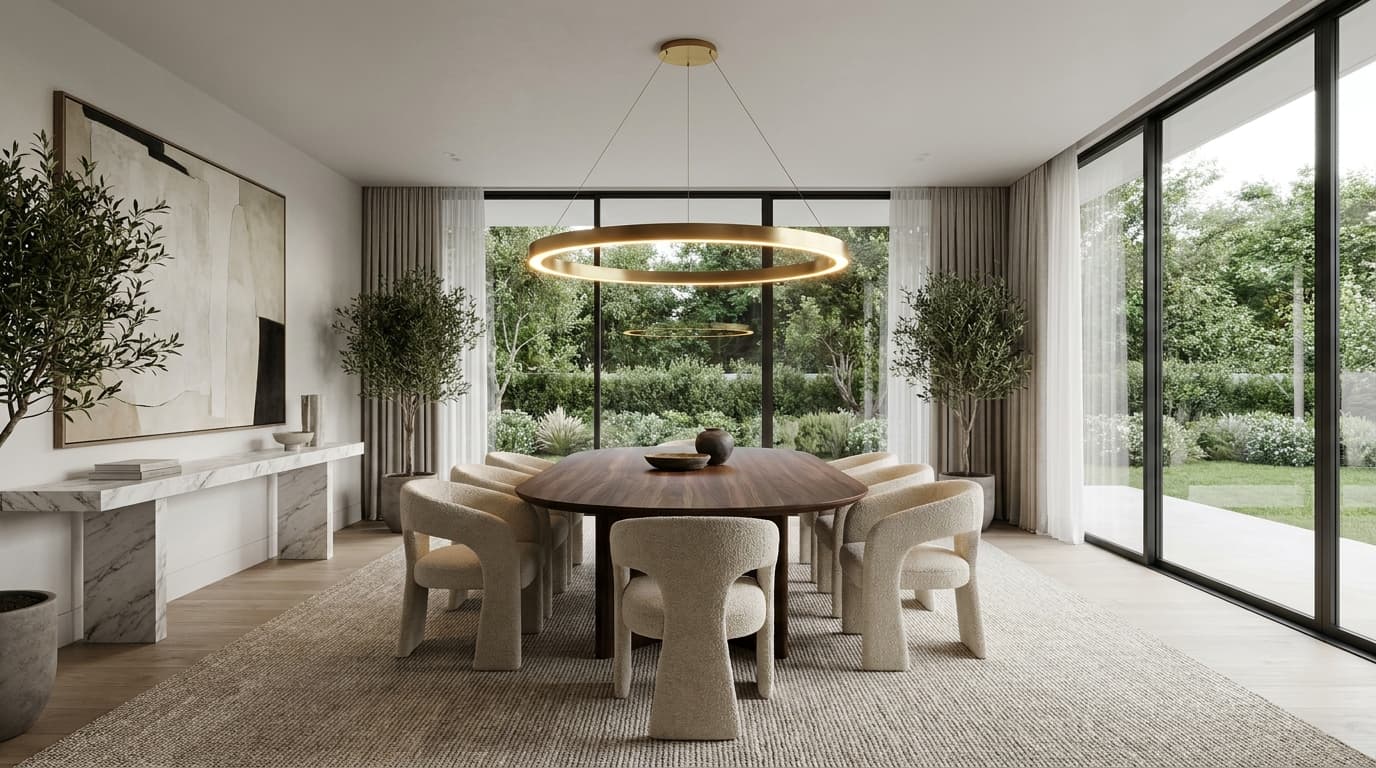
Many people make a mistake in lighting design by picking a fixture that’s either too small or too large for the dining table. A dining room fixture must look balanced with the table and the whole room. A simple rule is to add the length and width of the room in feet and then use that number as the fixture’s diameter in inches. For example, a dining room that is 12 feet by 14 feet should have a fixture 26 inches across to keep the right scale. The size of the dining table also tells you how wide the fixture should be. A dining room light fixture should usually be between half and two?thirds the width of the table. Keep a gap of six inches from the edge of the fixture to the edge of the table. This keeps the fixture from looking too big or from being a danger to people sitting. Following these rules lets the dining room light fixture sit nicely above the table without crowding the view.
Mastering Installation Height and Suspension Rules
Keeping the hanging height is very important for a balanced look and a clear view over the dining table. If a dining room light fixture hangs too low it blocks the way. Makes sharp glare for people eating. If it hangs too high it feels distant. Does not connect with the table. The common rule says the bottom of the dining room fixture should be between thirty and forty inches, above the table.
For homes with vaulted or tray ceilings you must lift the suspension of the dining room light fixture to match the extra height. A general rule from design experts says add three inches of suspension for each foot of ceiling beyond eight feet. Using downloads or flexible heavy?duty cords during installation helps make fine changes on site so the dining room light fixture can point exactly where needed. Calibrating the height of the dining room light fixture so that the light spreads evenly over the table and lets all guests see each other is essential.
Aligning Fixture Geometry with Dining Table Shapes
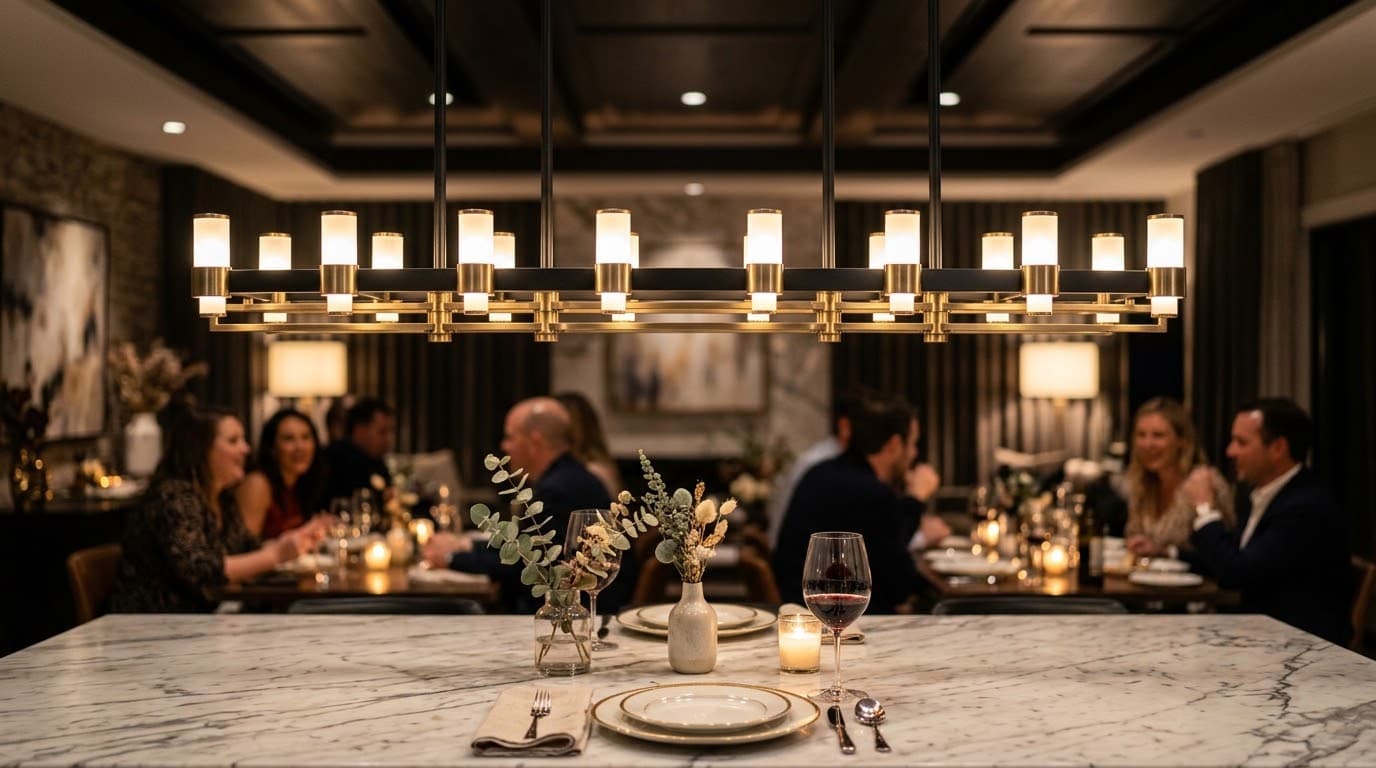
The shape of your dining table tells you which dining room light fixture will look best. Rectangular or oval tables usually work well with suspension fixtures, multi?light sputnik designs or a row of separate pendant lights. A straight dining room fixture runs the length of a long table giving even light without dark corners near the seats. Square or round tables match better with a centered light like a classic chandelier, a drum pendant or a sculptural globe. Putting a centered dining room light fixture over a square table creates a focal point that pulls the eye inward and gives a balanced look. If you choose pendants for a round table mix different suspension lengths to add artistic contrast while keeping light even across the whole table.
Selecting Warmth, Lumens and Color Temperature
Choosing the warmth lumens and color temperature matters for the mood of your dining room light fixture. The dining room shifts between work and relaxed social time so picking the light quality is key. For home dining a color temperature between 2700K and 3000K gives a soft white that looks good on food and skin and is not too sharp like higher Kelvin lights. The total light from the dining room light fixture measured in lumens should match the room size and use. A good rule is about thirty to forty lumens per foot of space. Using LED lights with a high Color Rendering Index above ninety keeps table colors bright and true under the dining room light fixture.
The Importance of Layering Light and Dimming Control
Relying on one central dining room light fixture can create harsh shadows and flat light. To get a layered look use a mix of ambient, task and accent lights. Add wall sconces, LED cove lighting or recessed spots around the dining room light fixture. This layering adds depth. Lessens the contrast between the bright table area and the walls.
Integrating responsive dimming controls is arguably the most valuable functional upgrade you can pair with a modern dining room light fixture. Dimmers allow you to instantly transition the
room’s atmosphere from bright illumination suitable for remote work or craft projects to low, intimate light ideal for evening dinner parties. Ensuring that both your fixture driver and LED bulbs are fully compatible with modern electronic low-voltage dimming systems prevents flickering and extends the operating lifespan of your installation.
Material. Modern Aesthetic Styles
The material composition and finish of your modern dining room light fixture set the tone for the whole room. Modern designs span styles from warm organic minimalism to sharp industrial or mid?century modern looks. Choosing materials such as brushed brass, matte black metal, blown glass or natural linen helps the modern dining room light fixture blend well with furniture, cabinet hardware and wall colors.
For a contemporary dining room, a modern dining room light fixture with a slim profile and built?in LED strip keeps the space clean and uncluttered. Modern looks often use raw black iron frames with clear glass shades or warm exposed filaments. Scandinavian?inspired rooms favor natural wood tones and soft matte ceramic pendants. A modern dining room light fixture that matches the finishes in the room creates a look throughout the floor plan.
Professional Installation and Maintenance Tips
To keep a dining room light fixture safe and working well, pay close attention when it is installed. Heavy metal chandeliers and elaborate modern glass pendants need a ceiling junction box that can hold the weight. Before hanging a modern dining room light fixture check that the ceiling box is rated for the load and is fastened to the joists instead of just drywall anchors.
Regular cleaning keeps the dining room light fixture bright. Dust and grease can build up on the shades, glass globes and metal stems reducing light by up to twenty percent in a year. Clean the glass and metal parts with a microfiber cloth and a gentle cleaner to make sure the modern dining room light fixture stays a focal point in your home.
Frequently Asked Questions (FAQ)
What is the best lighting fixture for a living room?
A combination of ceiling fixtures, floor lamps, and accent lighting works best for living rooms because it creates flexible and comfortable illumination.
How do I choose the correct size chandelier?
The chandelier size should match the room dimensions and dining table size. Larger rooms require larger fixtures, while smaller rooms need compact designs.
Are LED lighting fixtures better for homes?
Yes. LED fixtures are energy-efficient, long-lasting, and available in different colors and styles for every room.
Should all rooms use the same lighting style?
Not necessarily. Lighting fixtures should complement your home’s overall design while matching the specific purpose of each room.
What type of lighting is best for bedrooms?
Warm, soft lighting with dimming options is ideal for bedrooms because it creates a relaxing environment.