Are you thinking about resurfacing your car park but unsure which material to choose? The right car park surfacing can affect durability, maintenance, and aesthetics. In this article, we’ll break down the pros and cons of top surfacing options like tarmac, concrete, and resin-bound surfaces to help you make the best choice for your specific needs.
Key Takeaways
- Tarmac and concrete are favored for their durability and low maintenance needs, making them cost-effective options for high-traffic car parks.
- Resin bound surfacing offers aesthetic advantages but requires regular upkeep, while asphalt combines durability with low maintenance costs.
- Choosing the right surfacing material for car parks should consider factors like traffic volume, weather conditions, and maintenance capabilities to ensure functionality and safety.
Tarmac Surfaces for Car Parks
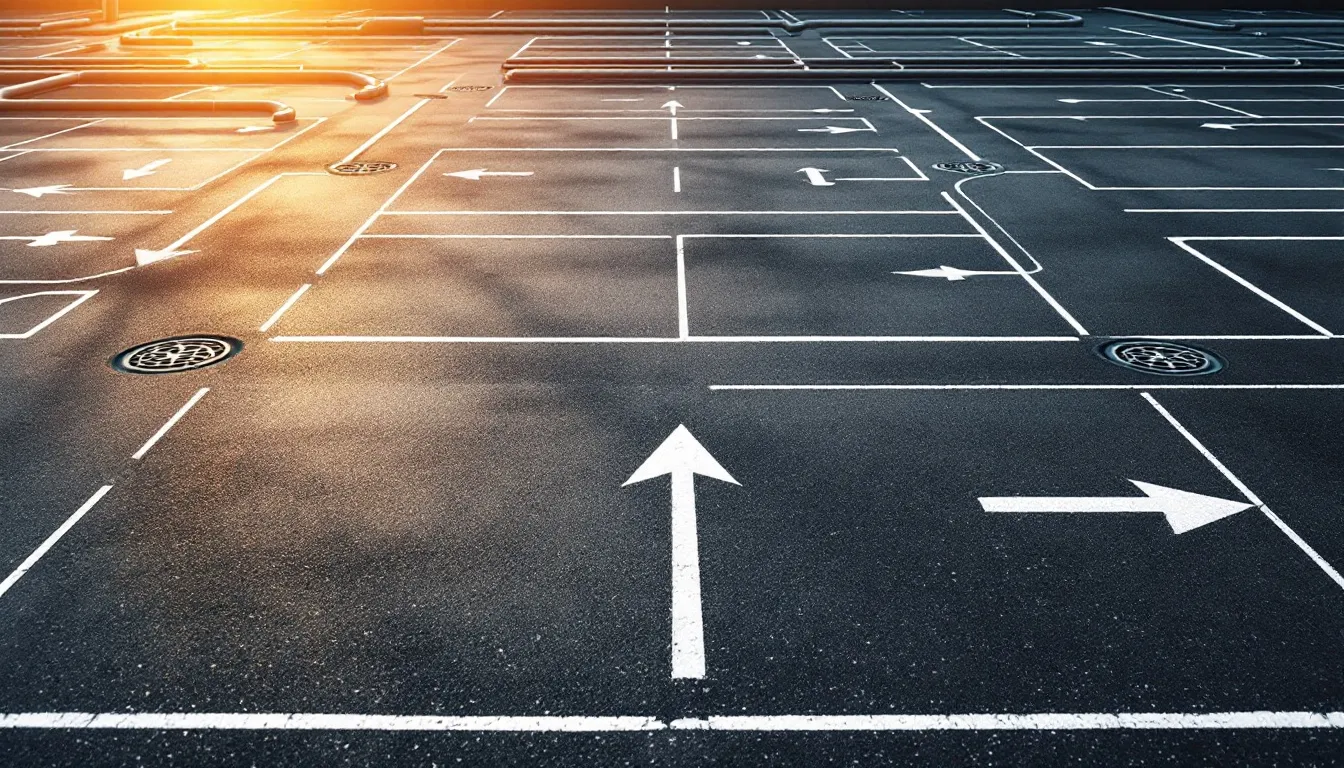
Tarmac surfaces are a staple in car park design, renowned for their high performance and durability. This quality makes them a cost-effective and attractive choice for both small and large car parks. One of the key benefits of tarmac is its versatility. It can be quickly installed, which minimizes disruption—a crucial factor for busy car parks. Imagine transforming a bustling parking area over a weekend, ready to welcome vehicles by Monday morning.
The robustness of tarmac cannot be overstated. It is designed to withstand heavy traffic and harsh weather conditions, significantly reducing the need for frequent repairs. This durability makes it a preferred option for car parks that see a high volume of vehicles daily. Whether it’s a retail park, office environment, or any area with constant use, tarmac provides a reliable and long-lasting solution.
Moreover, tarmac boasts low long-term maintenance costs, which is a significant advantage for budget-conscious managers. With its ability to endure the wear and tear of daily use, tarmac ensures that car parks remain safe and functional with very little maintenance and without the frequent need for costly repairs.
This combination of durability, quick installation, and low maintenance makes tarmac one of the best car park surfacing material for surfacing materials for car parks.
Concrete: The Long-Lasting Solution
Concrete is another stalwart in the realm of car park surfacing materials, known for its long-lasting nature. A properly detailed and specified concrete surface can achieve a lifespan of over fifty years. Its robust nature makes it ideal for car parks that need to endure everyday wear and tear. However, the installation process requires patience, as the long curing time for concrete can take up to seven days. This longer setting period is a trade-off for its impressive durability.
Concrete’s low maintenance needs further enhance its appeal. Unlike other materials that might require frequent repairs, concrete surfaces remain intact with minimal upkeep. Its cost-effectiveness over time adds to its appeal. Additionally, concrete is 100% recyclable, which adds an environmentally friendly dimension to its list of benefits.
One of the standout features of concrete is its resilience to extreme temperatures, including higher temperatures. Whether it’s scorching hot weather or freezing cold conditions, concrete maintains its integrity, ensuring a safe and durable surface. This makes it a reliable choice for car parks in regions with varied weather patterns. However, its non-permeable nature means additional water management solutions are necessary to prevent drainage issues.
Resin Bound Surfacing: Combining Aesthetics with Functionality
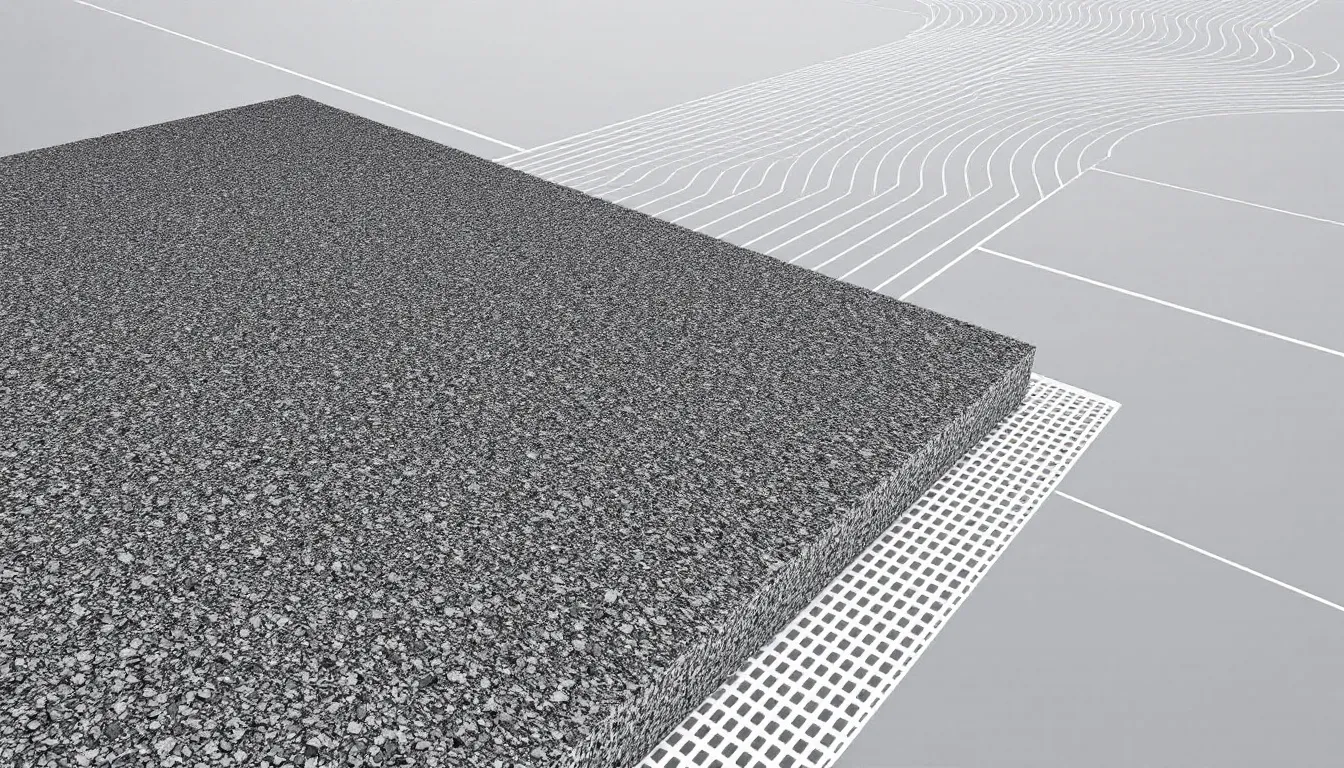
Resin bound surfacing has become increasingly popular for those looking to combine aesthetics with functionality. Designed to enhance the visual appeal of outdoor spaces, resin bound surfaces offer an attractive finish that can transform any car park into a visually appealing area. The wide range of colour options available allows for customization, making it possible to create a unique and inviting environment.
This aesthetic appeal is not just skin-deep. Resin-bound surfacing is commonly used in commercial and public spaces due to its functional benefits. It provides a smooth and safe surface that can make clients and customers feel at home, enhancing their overall experience and creating an aesthetically pleasing environment. However, it’s important to consider the maintenance requirements and potential costs associated with this type of surfacing.
While resin bound surfacing is undoubtedly one of the best surfacing materials in terms of appearance, it does come with some drawbacks. The need for regular upkeep to maintain its attractive appearance can be a significant consideration. This includes the potential expense of repairs, which can add up over time. Therefore, while it offers a visually appealing solution, it’s crucial to weigh these factors against your budget and maintenance capabilities.
Asphalt: Balancing Durability and Cost
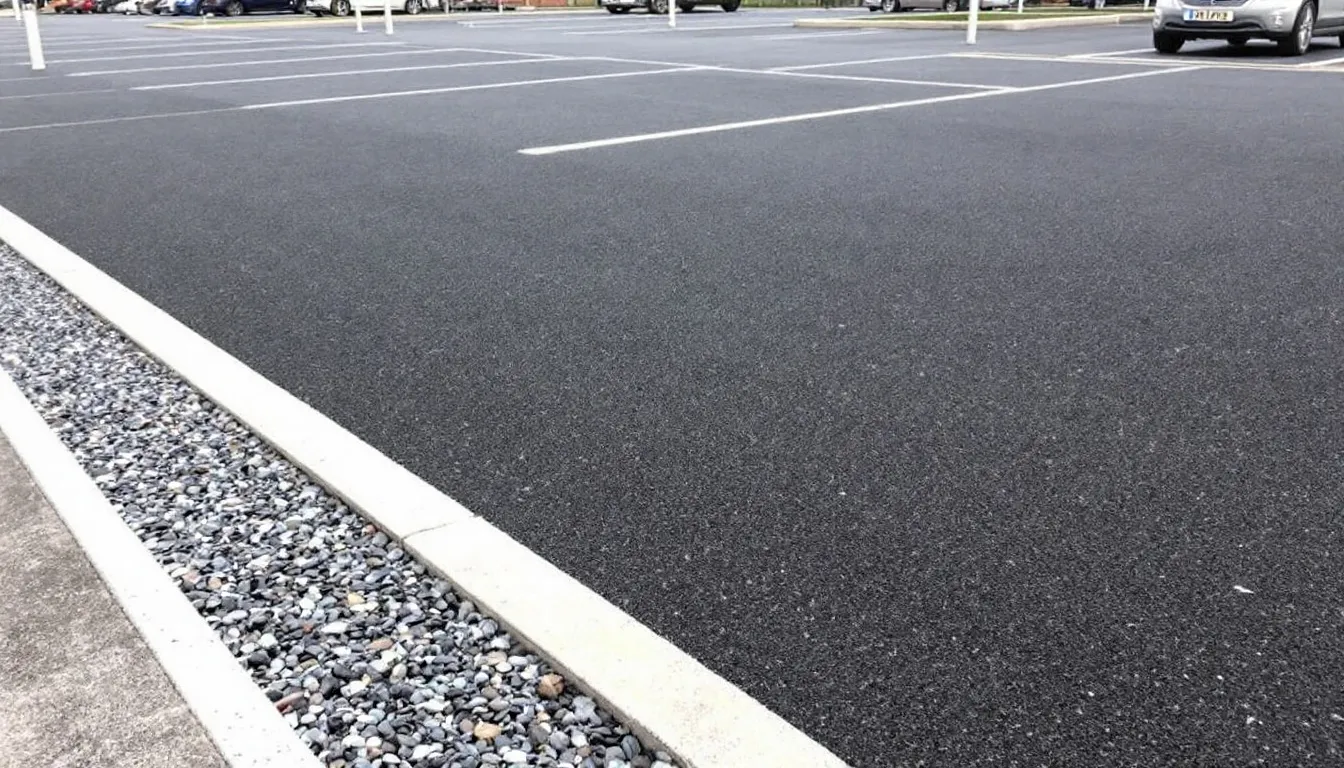
Asphalt is another popular choice for car parks, known for its durability and cost-effectiveness. Its extended lifespan and robust nature make it a common option, providing a sleek appearance and strong durability. Asphalt surfaces are particularly appealing because they offer excellent resistance to severe weather conditions, including storms and frost. This resilience ensures that the car park remains functional and safe in various weather scenarios.
One of the significant advantages of asphalt is its low maintenance requirements. Thanks to its resistance to weed growth, asphalt surfaces require very little upkeep, which translates to lower maintenance costs over time. This makes it a cost-effective solution for car parks that need to remain operational with minimal disruptions.
The combination of durability and low maintenance enhances the long-term cost-effectiveness of asphalt. This makes it a reliable choice for those looking to balance initial installation costs with ongoing maintenance expenses. With its sleek finish and weather resilience, asphalt stands out as a practical and visually appealing surfacing option for car parks.
Loose Gravel: An Economical Choice
Loose gravel is an economical choice for car park surfacing, offering a budget-friendly and quick-to-install option. It can be customized in various sizes, colors, and textures, providing a flexible solution for different aesthetic preferences. However, regular maintenance is required to keep the gravel surface even and free from weeds. This includes activities such as clearing weeds, spraying weed killer, and topping up stones.
While gravel is an attractive option for heritage sites and areas with lower traffic, it does come with some drawbacks. The constant upkeep needed to manage weed growth and the tendency of the gravel to shift and compact under pressure can be challenging. Therefore, it’s best suited for locations where maintenance can be managed effectively.
Innovative Solutions: NatraTex
NatraTex is an innovative surfacing material that combines cost-effectiveness with durability. Primarily used in retail and office environments, it offers minimal maintenance needs, making it a practical choice for busy car parks. The variety of colours available with NatraTex provides numerous aesthetic options, allowing for customization to match the surrounding environment.
This solution is designed to withstand heavy traffic and harsh conditions, ensuring a long-lasting surface that remains visually appealing with minimal upkeep. NatraTex serves as a compelling option for those seeking a reliable and attractive surfacing material with its durable nature, ultimately resulting in a finished product that meets high standards.
Waterproofing and Protective Coatings
Effective waterproofing and protective coatings are essential for maintaining the integrity of car park surfaces. These treatments prevent moisture from damaging structures, which is especially critical in underground parking areas. Weathering, wear, mechanical damage, and chemical attacks can all cause structural damage to car parks, making waterproofing a vital consideration.
A geotextile membrane is recommended during the installation of surfacing materials to prevent them from moving into the underlying soil. Specialized resin systems are designed to be weather resistant, ensuring durability and prolonging the life of the car park surface.
Incorporating these protective measures keeps car parks safe and functional, minimizing the need for frequent repairs and enhancing overall safety to break.
Choosing the Right Material for Your Car Park

Choosing the right material for your car park involves considering several factors, including preferences, requirements, design, usage, locale, seasonal weather conditions, and traffic volume. Each car park structures, whether it’s a multi-storey car park or an underground facility, has specific needs that must be addressed. Therefore, it’s essential to evaluate these factors carefully to make an informed decision.
Different materials offer various benefits and drawbacks. For instance:
- Tarmac is durable and recyclable, making it an environmentally friendly option.
- NatraTex provides a durable and low-maintenance solution suitable for high-traffic areas.
- Gravel offers excellent natural drainage but requires regular maintenance to manage weed growth.
By considering these aspects, you can choose a surfacing material and surfacing options that align with your car park’s specific needs and conditions.
Waterproofing systems enhance safety by improving light reflectivity and reducing tire noise. Anti-slip features are essential for preventing accidents, especially in areas with high foot traffic. By evaluating these factors, you can ensure that your car park remains safe, functional, and visually appealing, with an emphasis on slip resistance.
Summary
In summary, selecting the right car park surfacing material is a critical decision that impacts the safety, durability, and aesthetics of the parking area. Each material, from tarmac and concrete to resin bound surfacing and asphalt, offers unique benefits and considerations. Tarmac provides quick installation and low maintenance, while concrete offers unparalleled durability and environmental benefits. Resin bound surfacing combines aesthetics with functionality, and asphalt balances durability with cost-effectiveness.
Loose gravel and NatraTex present economical and innovative solutions, respectively, each with specific maintenance requirements and benefits. Waterproofing and protective coatings further enhance the longevity and safety of car park surfaces, making them essential components of the overall design.
By considering the specific needs of your car park, including traffic volume, weather conditions, and aesthetic preferences, you can choose the best surfacing material. Making an informed decision will ensure that your car park remains a safe, durable, and attractive space for years to come.
Frequently Asked Questions
What is the most durable car park surfacing material?
Concrete is the most durable car park surfacing material, boasting a lifespan of over fifty years when properly installed and maintained. Its strength and resilience make it an ideal choice for long-term use.
How quickly can tarmac surfaces be installed?
Tarmac surfaces can be installed quickly, making them an efficient choice for busy car parks. This rapid installation helps to minimize disruption to daily activities.
What are the maintenance requirements for resin bound surfacing?
To maintain resin bound surfacing, regular cleaning and occasional repairs are necessary to preserve its appearance. Consistent upkeep will ensure long-lasting durability and aesthetic appeal.
Why is waterproofing important for car parks?
Waterproofing is crucial for car parks as it safeguards structures from moisture damage, particularly in underground areas, while also enhancing safety through improved light reflectivity and reduced tire noise.
What factors should be considered when choosing a car park surfacing material?
When choosing a car park surfacing material, it is essential to consider factors such as usage requirements, design preferences, local climate conditions, and traffic volume. These considerations will ensure the surfacing material meets practical needs and performs well over time.