Timber frame houses have long been admired for their aesthetic appeal and eco-friendly characteristics. However, for those contemplating the purchase of such a home, it is crucial to weigh potential drawbacks. Understanding the disadvantages can help you make an informed decision as a prospective homeowner.
This guide delves into concerns including susceptibility to moisture, sound insulation challenges, and the complexities of maintenance. Equip yourself with comprehensive knowledge to decide whether a timber frame house aligns with your lifestyle and aspirations, ensuring your investment is both rewarding and resilient in the face of the UK’s diverse climate. Read on to explore these considerations in depth.
Brief Overview
Timber frame houses are renowned for their aesthetic charm and eco-friendly features, yet they present significant challenges that potential homeowners must consider. These homes are particularly susceptible to moisture damage, leading to concerns like dry rot, which can compromise structural integrity and necessitate regular, proactive maintenance.
Compared to more durable materials like concrete, timber frames may also have limitations in sound insulation and longevity. Understanding these drawbacks is critical for informed decision-making, ensuring that any investment aligns with personal aspirations and environmental conditions. Explore further insights and real homeowner experiences to help guide your decision.
Key Highlights
- Timber frame homes offer aesthetic charm but pose durability and maintenance challenges.
- Susceptibility to moisture can compromise a timber frame’s structural integrity over time.
- Dry rot is a common issue that affects timber’s longevity and requires proactive management.
- Compared to concrete, timber offers less weather resistance, leading to potential higher maintenance costs.
- Planning for long-term expenses is crucial due to higher maintenance and potential insurance costs.
Understanding the Basics of Timber Frame Homes
Timber frame homes have been around for centuries, offering a unique blend of aesthetic charm and functional design. These homes are characterized by the use of heavy timber, which serves as the main structural component. Unlike conventional framed houses, where the load-bearing is largely done by the interior walls, a timber frame house relies on an internal “skeleton” of wooden beams, creating an open and airy space. This framing technique, while traditional, adds distinct architectural appeal. However, understanding these homes’ unique traits is essential for those considering a timber-framed construction.
What Makes Timber-Frame Homes Unique?
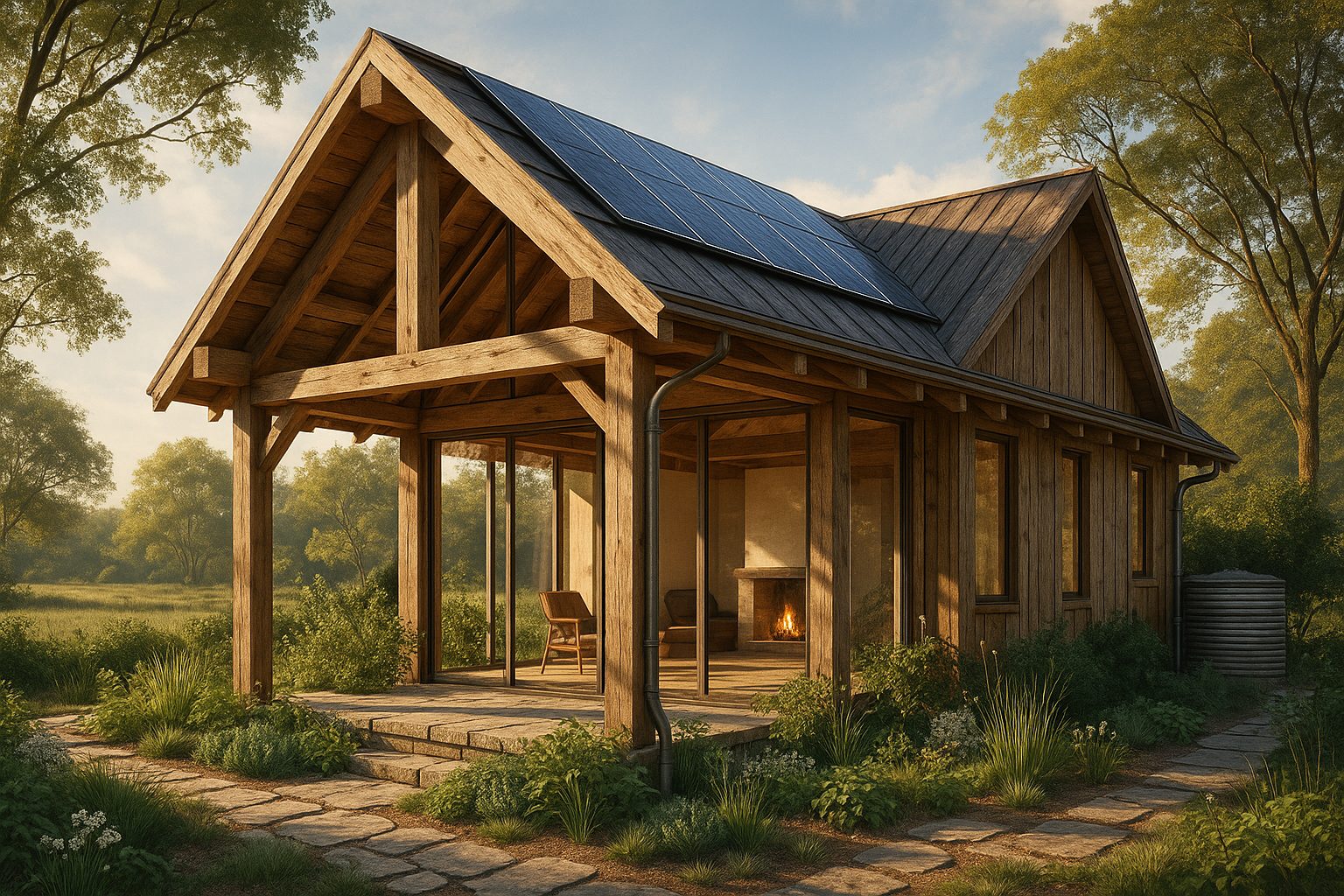
Timber-frame homes stand out due to their distinct construction approach and materials used. The essence of a timber frame lies in its design, which involves a framework of large wooden beams artfully joined without nails or metal fasteners. This traditional method, known as post-and-beam construction, not only showcases the beauty of natural wood but also creates a robust structure.
Timber frames are celebrated for their iconic open floor plans, offering vast, unlabelled spaces that can be customized to the owner’s needs. This flexibility often appeals to those seeking a home design that combines traditional style with modern innovation.
The use of large timbers also enhances the stability and durability of the frame houses, especially when sourced from quality wood materials. Timber, being a natural insulator, can contribute to a more energy-efficient property when properly constructed and insulated. However, the materials used in timber framing can potentially pose challenges. Prefabricated timber components, while speeding up the construction process, might not offer the same sound insulation properties as traditional construction materials. This could lead to concerns over noise, especially in urban environments.
Another distinctive attribute is the architectural aesthetics associated with framed homes. Exposed beams and trusses in the interior are often a visual focal point, providing a rustic charm that is both striking and enduring. While this adds to the aesthetic value, it also requires careful selection of wood and regular timber surveys to ensure the structure’s integrity over time. Regular inspection and maintenance become a crucial part of owning a timber frame house, addressing issues such as dampness and checking for signs of dry rot.
Despite their charm, timber-frame homes may not be ideal for everyone. The natural materials are susceptible to environmental variations, and factors such as climate and location can significantly impact the longevity of the construction. Therefore, prospective homeowners need to weigh these aspects carefully. The traditional appeal of timber-framed construction remains strong, yet it’s vital to consider the subsequent maintenance and potential challenges that accompany this house style.
| Key Features | Advantages | Challenges | Maintenance Needs |
| Exposed wooden beams | Energy efficiency | Higher initial cost | Regular sealing |
| Open floor plans | Aesthetic appeal | Limited availability of materials | Annual inspections |
| Use of large timber posts | Durability | Skilled labor required | Pest control treatments |
| Sustainable materials | Natural insulation | Potential for settling | Moisture management |
This table condenses the distinct features, benefits, and considerations of timber frame homes, providing a clear overview for those contemplating this construction style.
Durability Challenges in Timber Frame Construction
Timber frame construction offers an appealing architectural style, but when building or buying a timber frame house, it is crucial to consider potential durability issues. These structures may struggle with challenges such as susceptibility to damp environments and risks like dry rot, which can significantly affect structural longevity. While the charm of exposed beams and natural materials can’t be denied, understanding the impact of environmental factors on timber frame durability is essential for making an informed purchase decision.
Risks of Dry Rot and Structural Longevity
Dry rot can be a significant issue in timber frame houses, posing risks to structural longevity. This condition occurs when a particular type of fungus feeds on moist wood, leading to serious damage that can compromise structural timber.
Even though dry rot often begins unnoticeably, it can spread rapidly and extensively, especially if the house has ongoing moisture problems. Maintaining the integrity of a timber structure involves recognizing and mitigating such threats early on. When dry rot sets in, the wood might appear shrivelled or cracked, and the damage is usually granular in appearance. The fungus that causes dry rot thrives in conditions of high humidity and insufficient airflow, which is why it is critical to ensure that moisture levels are kept in check.
Proper ventilation and careful placement of insulation can drastically reduce the chances of moisture accumulating enough to support fungal growth. Regular inspections and proactive maintenance can help detect the early signs of dry rot before it becomes a significant issue. Homeowners must prioritize these checks as part of their routine upkeep, ensuring that any warning signs like softening timber or a musty smell are addressed promptly. This not only extends the longevity of the house but also preserves its structural integrity.
Using high-quality, treated timber during the construction phase can also offer extra protection against dry rot. This treated timber, designed to withstand harsh environmental conditions, can ensure the frame remains robust over time. Homebuilders might consider investing in such materials, despite the potentially higher upfront cost, as they significantly reduce future repair needs. While traditional timber offers aesthetic and practical benefits, understanding and planning for these risks is crucial to the long-term enjoyment of a timber frame house. The key to successful timber homeownership often lies in meticulous attention to maintaining the timber’s integrity.
The Impact of Damp Environments
The influence of damp environments on timber frame homes cannot be overstated. Moisture is a hidden threat that can undermine the very foundation of these structures. A damp climate poses risks, compromising the timber’s resilience by encouraging conditions where moisture thrives. In these environments, the wood can swell, leading to shifts in the framing and potential stress on joints and connections.
This kind of movement can result in the development of gaps and weakened sections, ultimately leading to structural instability. Effective moisture management is crucial when living in a timber frame house. Utilizing design strategies that emphasize ventilation and ensure that water runoff is efficient can mitigate the detrimental effect of dampness.
Systems like house perimeter drains, advanced vapor barriers, and moisture venting techniques help manage dampness, thus preserving the timber’s integrity. Integrating materials that detect and repel moisture during the construction phase can be beneficial. Furthermore, using preservatives specifically formulated to combat moisture-related issues in wood helps maintain the house’s structural soundness, safeguarding its longevity. Such measures are a proactive approach, reducing the need for extensive repairs due to damp-induced decay. Insurance can also play a pivotal role in managing the financial risks associated with timber frame homes in damp environments.
Many insurance policies are tailored to cover issues linked to moisture and dry rot, offering peace of mind. It’s advisable for homeowners to consult local experts familiar with the challenges of timber frame homes to ensure comprehensive coverage that addresses potential vulnerabilities. Ultimately, while the allure of timber frame houses remains undeniable, a clear understanding of their vulnerabilities, particularly in damp climates, is vital. By incorporating moisture management strategies and leveraging insurance effectively, homeowners can enhance the durability and enjoyment of their timber frame homes. While some may argue that masonry or concrete may offer superior durability, for those committed to the charm of timber, awareness and prevention are key.
Material Limitations Compared to Concrete
When considering timber frame homes, it’s essential to delve into their material limitations, especially when compared to concrete and masonry. While timber frames offer unique architectural beauty, they come with challenges linked to durability and weather resistance.
These homes can present issues related to moisture vulnerability, which can potentially affect their longevity. Understanding the limitations inherent to timber, compared to more traditional materials like concrete, helps homebuyers make informed decisions about their construction choices. We’ll explore why some might find timber frame homes less ideal, particularly in certain climates and environments.
Why Timber Frame Homes May Not Be Ideal
Timber frame homes, while visually appealing, may not always be the perfect fit for everyone. One of the primary concerns is their susceptibility to environmental conditions, particularly when compared to the resilience of concrete or masonry. Concrete structures are renowned for their robustness and ability to withstand harsh weather conditions, making them a staple choice in construction. Timber, by contrast, can suffer from issues such as moisture absorption and decay, which can compromise the structural integrity over time. This is a significant factor for anyone weighing the decision to build with timber frame materials or opt for more traditional construction methods. The environmental factors at play significantly impact the longevity of timber frame homes.
In damp or heavily wooded areas, timber frames may not achieve the same durability as their concrete counterparts. Moist environments can promote dry rot and other forms of decay within the timber, leading homeowners to incur greater maintenance and repair costs over time. Concrete, on the other hand, is renowned for its ability to resist such conditions, offering peace of mind in climates where moisture-related concerns are prevalent. Building with timber frames might also mean dealing with higher insurance premiums.
Many insurance policies consider timber frame homes a higher risk due to their susceptibility to certain environmental damages. Conversely, concrete homes typically enjoy lower premiums due to their sturdier nature. It’s essential for potential homeowners to assess these financial implications when deciding between timber and concrete as their primary building material. The long-term costs associated with maintaining a timber frame home can often outweigh the initial savings experienced during the design and build stages. Moreover, the aesthetics of timber frame homes can sometimes limit design flexibility.
While the exposed beams and rustic charm are attractive, they may not align with the desired style for those preferring contemporary designs over traditional appearances. Concrete and masonry constructions can offer more versatility in style and design, appealing to a broader range of homeowners looking for something modern. Ultimately, while timber frame homes hold an undeniable charm, integrating traditional construction materials like concrete can prove more advantageous for long-term durability, reduced maintenance, and design flexibility, making them more suitable for a wider audience.
Maintenance and Upkeep Considerations
Owning a timber frame house comes with unique maintenance challenges. Timber’s natural beauty and architectural charm often overshadow the essential upkeep these homes require. Understanding the maintenance and long-term costs associated with timber frame houses, you’ll need to weigh considerations like regular inspections, potential repair needs, and environmental factors that impact upkeep. It’s crucial to address these upkeep requirements to maintain your timber frame property, ensuring that it remains both structurally sound and aesthetically appealing over time.
Long-Term Costs and Care for Frame Homes
When planning to invest in a timber frame house, understanding the long-term costs and care requirements is paramount. These structures are celebrated for their classic architectural appeal and open design, yet the maintenance of a timber frame can be more demanding than that of traditional homes. One of the primary concerns is the ongoing attention required to prevent and address issues such as dampness, which can significantly affect the structural integrity over time.
Timber, being a natural material, is particularly vulnerable to water and environmental conditions, necessitating proactive measures to preserve its integrity. Regular inspections are fundamental to uncovering potential problems before they escalate.
Homeowners should schedule thorough checks of the timber frame to detect early signs of issues like dry rot, which can thrive in moist environments. Addressing these risks promptly can prevent costly repairs down the line and maintain the property’s value. Additionally, implementing effective moisture management strategies, such as maintaining adequate ventilation and ensuring proper gutter function, is essential in safeguarding against water-related damage.
The long-term financial implications of maintaining a timber frame house can be daunting. While the initial construction may be cheaper due to the lightweight nature of the materials, the upkeep often involves higher expenses. For instance, the need for specialized treatments to protect the timber from insects and the elements can add up over time. Moreover, insurance premiums may also be higher for timber frame homes, reflecting the added risk of potential damage from moisture and pests.
Prospective buyers must also consider the cost-benefit analysis of long-term maintenance against the aesthetic and environmental appeal of timber. While traditional construction materials like concrete may not offer the same visual charm, they often provide superior durability and lower upkeep costs. In evaluating whether a timber frame home is a suitable choice, it’s crucial to weigh the ongoing care commitments and how they align with your lifestyle and budgetary constraints. This comprehensive understanding helps ensure that your timber frame investment remains a source of joy rather than financial strain for years to come.
Here are some key strategies to effectively manage and minimize long-term maintenance costs and care for timber frame homes:
– Schedule regular inspections to catch and resolve minor issues before they become significant problems.
– Apply quality finishes to protect the wood from moisture and UV damage over time.
– Use dehumidifiers to control indoor humidity, reducing the risk of mould and wood decay.
– Ensure proper drainage around the home, directing water away from the foundation to prevent structural issues.
– Pest-proof your home by sealing gaps and using natural repellents to deter termites and other wood-boring insects.
– Invest in energy-efficient insulation to maintain comfortable indoor temperatures and reduce heating and cooling costs.
– Maintain a balanced environment by using plants and landscaping that don’t trap moisture against the house.
These practical tips will help sustain your timber frame home’s charm and structural integrity for years to come.
While timber frame houses offer many benefits, understanding their disadvantages is crucial for an informed decision. These homes, though eco-friendly, may pose challenges such as susceptibility to moisture damage, sound insulation concerns, and limited longevity requiring diligent maintenance. If you are on the brink of investment, weigh these factors against your long-term plans and personal preferences. Download our comprehensive guide for more insights, and hear from homeowners who have chosen timber frame options, helping you make a choice that aligns with your vision of a perfect home.
FAQs
What are the main disadvantages of timber frame houses?
Timber frame houses, while aesthetically appealing and eco-friendly, have disadvantages such as susceptibility to moisture damage, sound insulation challenges, and the need for regular maintenance due to limited durability compared to materials like concrete.
Why are timber frame houses susceptible to moisture?
Timber frame houses are prone to moisture-related issues because wood naturally absorbs water. If not properly managed, this can lead to conditions like dry rot, which can compromise the structural integrity of the house over time.
How can owners of timber frame houses prevent dry rot?
Preventing dry rot involves maintaining low humidity levels, ensuring proper ventilation, and using treated wood during construction. Regular inspections help catch early signs of damage. Measures such as proper drainage and moisture barriers are also essential.
Are there financial implications when owning a timber frame house?
Yes, the maintenance and repairs required for managing moisture issues and potential insurance costs can lead to higher long-term expenses. Budgeting for regular maintenance and potential repairs is crucial for timber frame homeowners.
How do environmental factors affect timber frame homes?
Environmental factors like a damp climate can significantly affect the longevity of timber frame homes. Moisture can lead to wood swelling and rot, while sound insulation might not be as effective as in other construction methods.